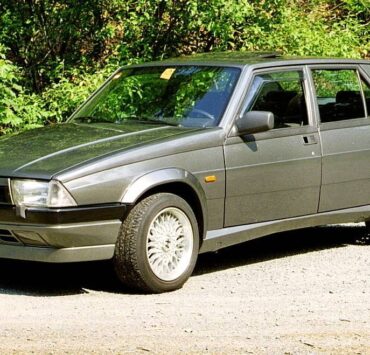
Best automotive tech by the decade


Cars have come a long way since 1985. Vehicles have progressed steadily and improved in terms of comfort, efficiency, and safety. Let’s rewind and take a look at the highlights of car technology from the past four decades, as the tech has arrived in mainstream vehicles in the Philippines:

1980s
Airconditioning- Arguably the most important advancement in car comfort since cars became closed conveyances, aircon has made driving and commuting cool and pleasant. The Toyota 2000GT was the first Japanese car with airconditioning, way back in 1970. By the 1980s, our Corollas and Coronas started to come with them, too, and other brands followed suit.
Power steering-Maneuvering and parking a heavy vehicle used to require substantial upper body strength, until hydraulically assisted steering made it a cinch. Modern systems use electric motors to reduce parasitic load on the engine.
Cassette player-Listening to the radio while driving was fun, and having your own tunes on board was even better. Cassette players enabled motorists to pick their own music, and introduced a generation to the joys of the mixtape.
1990s
Power everything-Most Philippine cars in the early 1990s still required motorists to unlock each door, adjust every mirror, and wind down windows manually. The “power everything” packages debuted on premium cars like the Nissan Maxima and Cefiro. Thankfully, this soon trickled down to compact model as well.
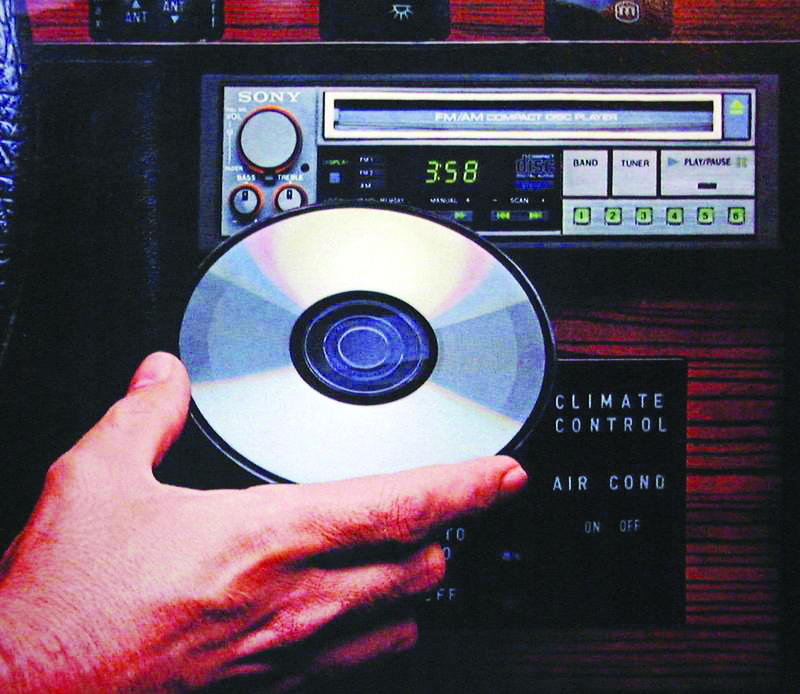
CD players
As audio migrated to a digital format, cars also followed suit by bringing the CD player on board. Going on long drives meant that you either had to bring along a “CD wallet”, or, if you had a more upscale audio unit, load your discs into a multi-disc changer.
2000s
Multi-valve engines with variable valve timing
Generating more power from the small engine blocks needed some imaginative engineering. This gave birth to Honda’s Formula 1-inspired multi-valve engines and the infamous VTEC variable valve timing. This enabled 1.6-liter and 2.0-liter engines to generate upwards of 100hp / liter.
Anti-lock brakes
One of the first electronic safety features helped drivers keep steering control in emergency situations. First available on flagship cars like the Mercedes-Benz S-Class, this soon found its way to premium models and then to practically all new cars.
2010s
Hybrids
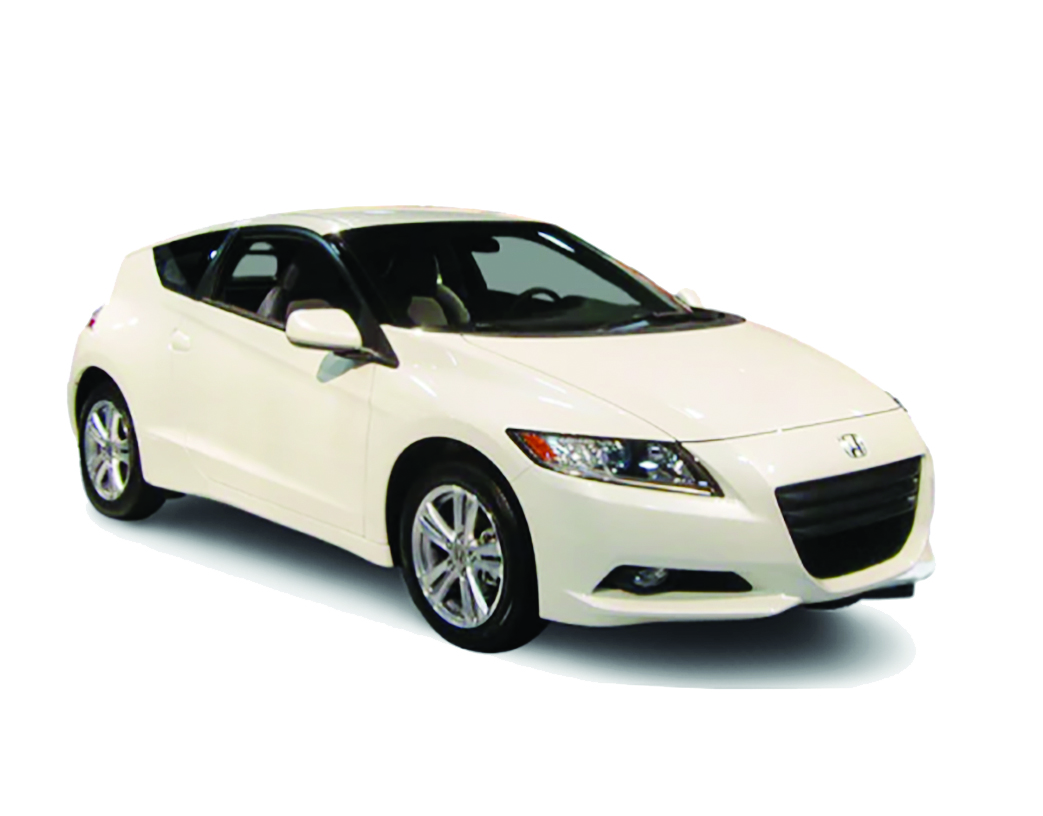
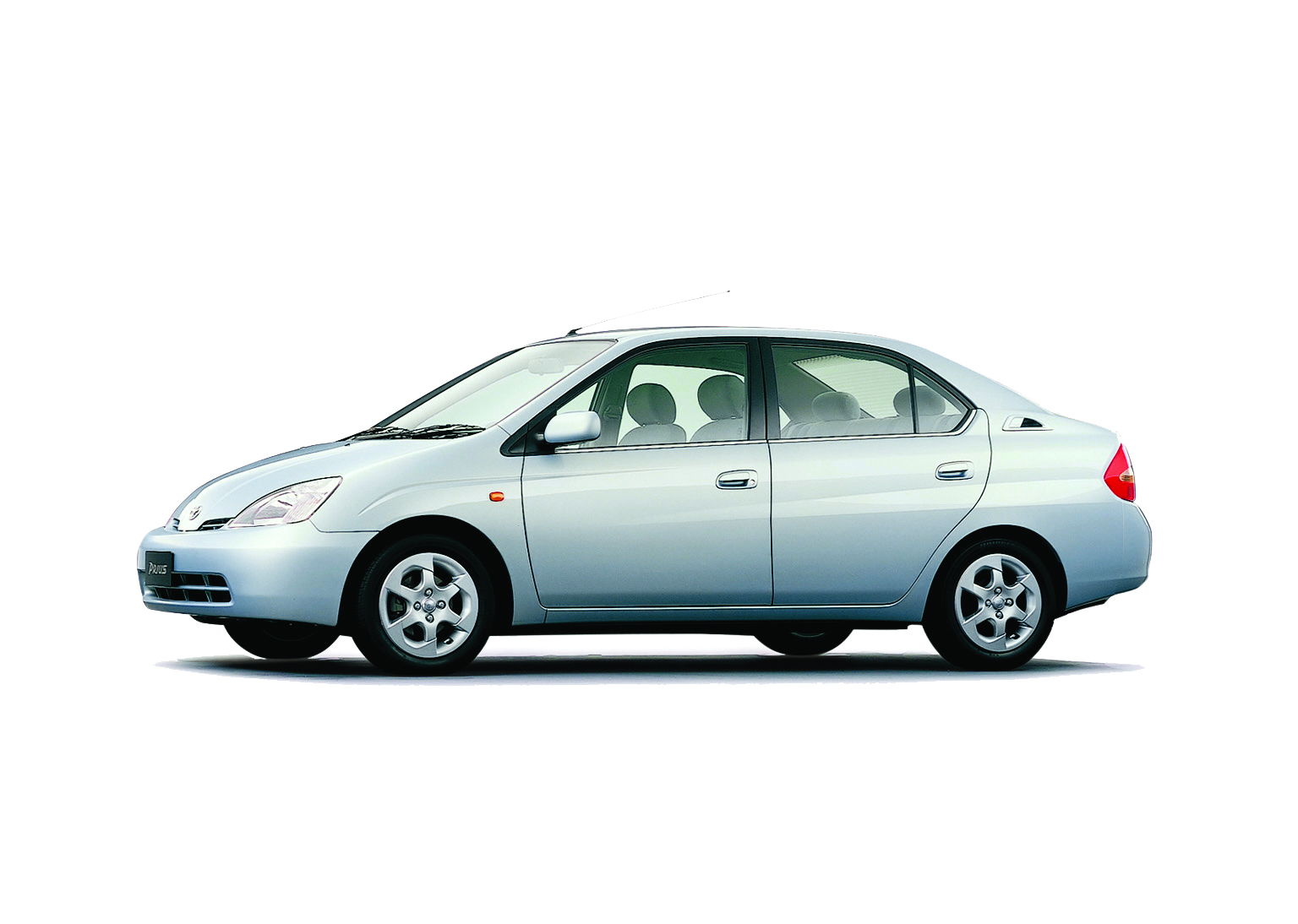
Toyota rolled out the first mass-market gasoline-electric hybrid, the Prius. The Prius was available in the Philippines, but priced at a premium, found limited success. Likewise, specialized cars like the Honda CR-Z. Thankfully, hybrids have become more prevalent, with almost every brand offering one or multiple models.

Stability control
In addition to ABS brakes, mainstream cars gained traction and stability control. These system helped drivers maintain control in extreme or emergency situations.
2020s
EVs
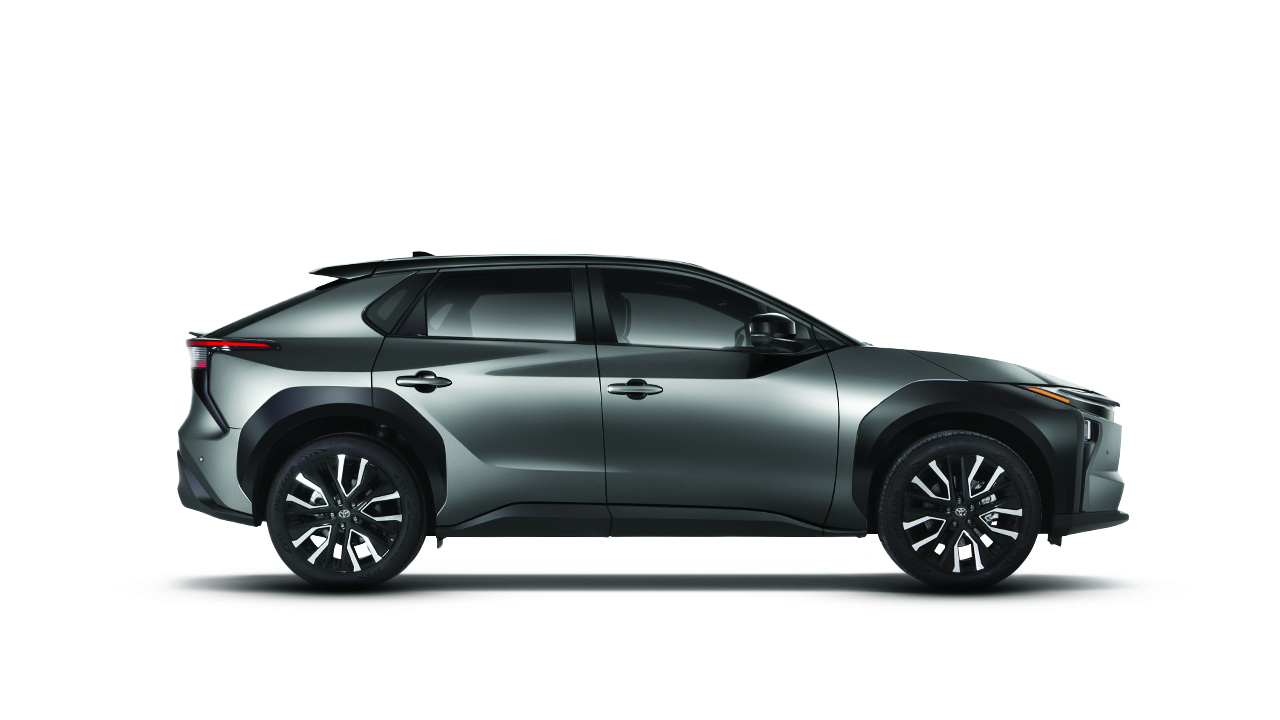
Manufacturers finally embraced electrification to its logical conclusion, full electric propulsion. Thanks to the technology advanced by Tesla and other electric pioneers, motorists soon discovered the joy of electric.
Infotainment
Car infotainment systems have steered towards integration with the smart phone. Cars now have to connect seamlessly, or customers won’t even consider buying those models.
ADAS and full self-driving
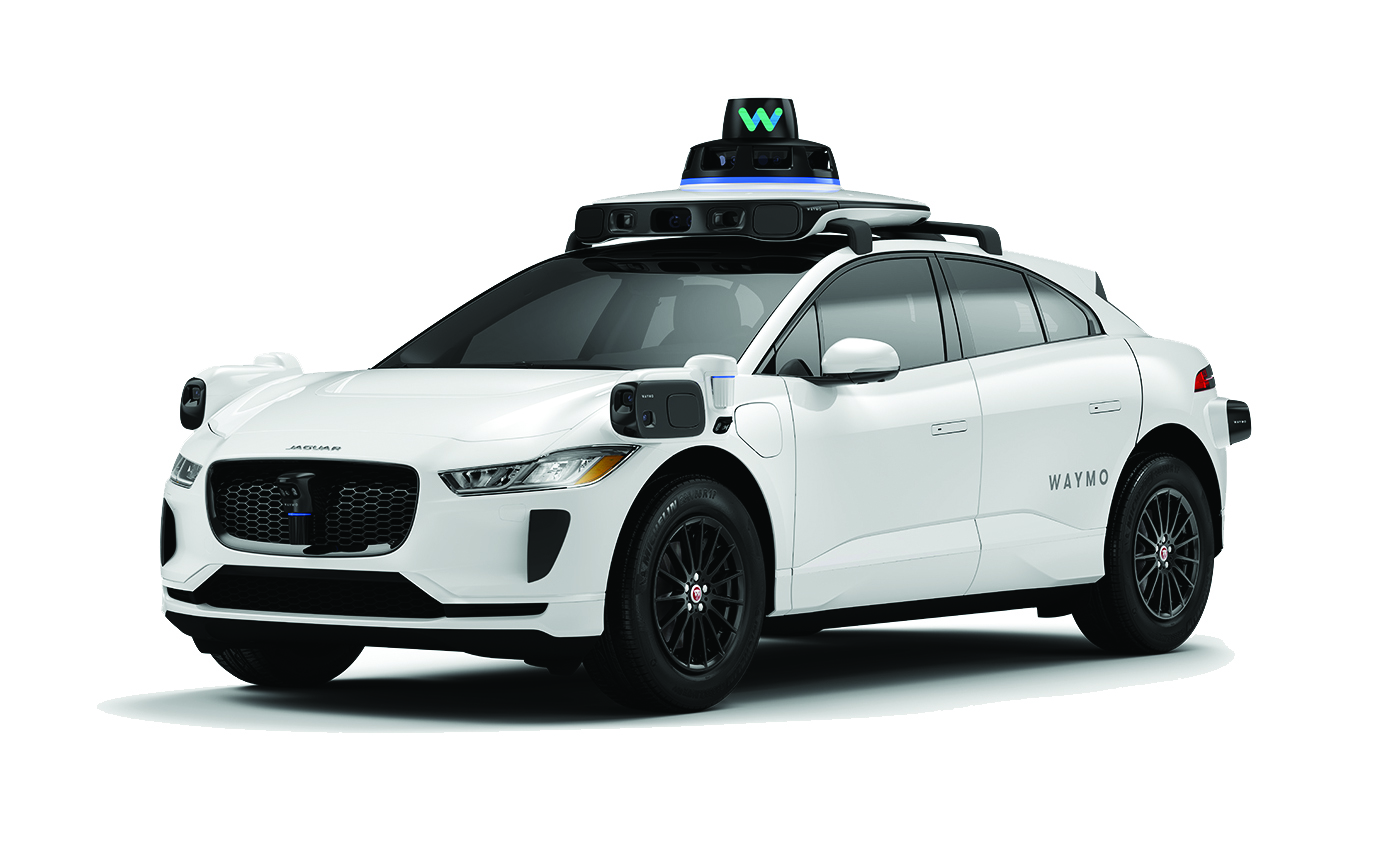
Cars have become even more intelligent. Many premium cars already feature Level-2 autonomy, where they can “see” their surroundings and proactively steer, accelerate and brake. Full self-driving is not too far off. Here’s to the next 40 years of car technology.