





Carrying the torch, in Mexican food and flavor

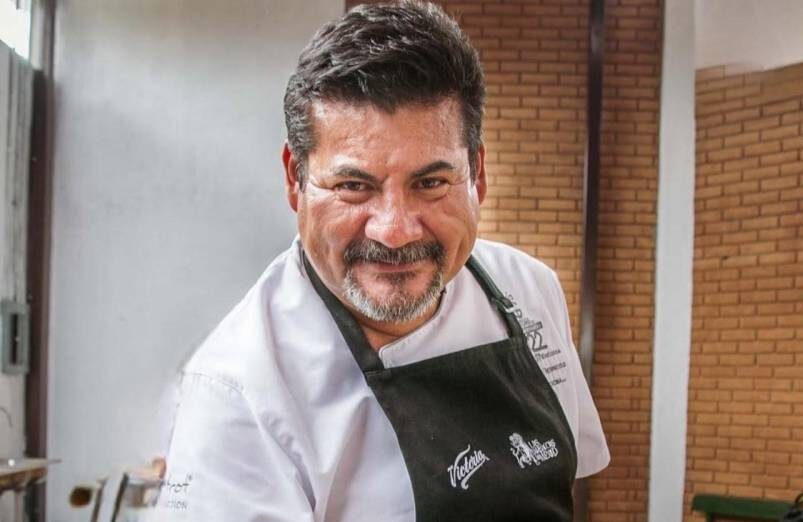
The Ruízes are guardians of flavor and protectors of tradition. I first had a taste of their food and warmth in May, when I had a “typical” Mexican breakfast with chef Alex Ruiz and some friends at his organic farm called Portozuelo, in Zimatlán, Oaxaca.
Early on, I learned that when the Ruízes entertain, nothing is ever typical. Expect more than you ever imagined—in taste, in flavor, and in generosity.
The open kitchen at their ranch is a cook’s dream: moles quietly simmering on the wood-fired stove, fresh tortillas puffing on the comal, herbs and vegetables gathered just steps away. On one side, large cuts of meat were being expertly sliced; on another, marinades and spice pastes were coming together. It’s a glorious sensory overload—a feast for every sense.
I am fortunate to know Alex, Jesús, and Lourdes Ruiz—siblings who carry their family’s food traditions in different but special ways.
Chef Alex Ruiz: The visionary who expresses himself through food
Chef Alex Ruiz is one of Oaxaca’s most respected chefs—a visionary who expresses himself best through food. He is famous for his culinary storytelling, bringing the traditions of Oaxaca to life through dishes that feel both familiar and new.
He was shaped by his childhood and the fields of corn, beans, and squash—the sacred trilogy of Oaxacan life. From there, he learned to savor the flavors of ingredients and to respect not just the land but also the people who till it.
At his restaurant, Casa Oaxaca, Alex takes humble, everyday flavors and transforms them into dishes that honor tradition, while making it enticing to the world—adding daring touches and new layers of flavor. He is known for his bold approach to cooking and presenting food while keeping his flavors balanced. He even has the ability to elevate tradition without losing the core of his native cuisine.
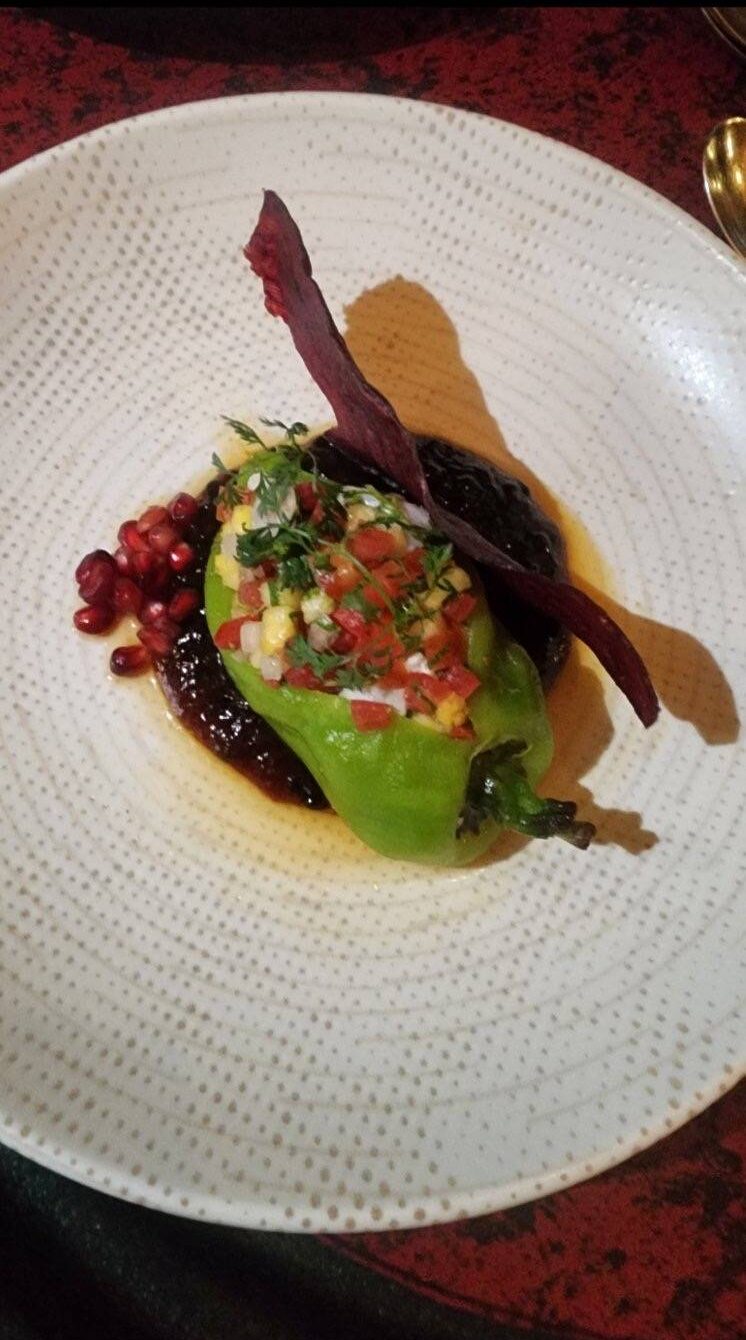
Ruiz has the gift for making dishes light—balancing richness with freshness in a way only he can. His chile de agua with ceviche, passion fruit, and sweet potato is one beautiful example.
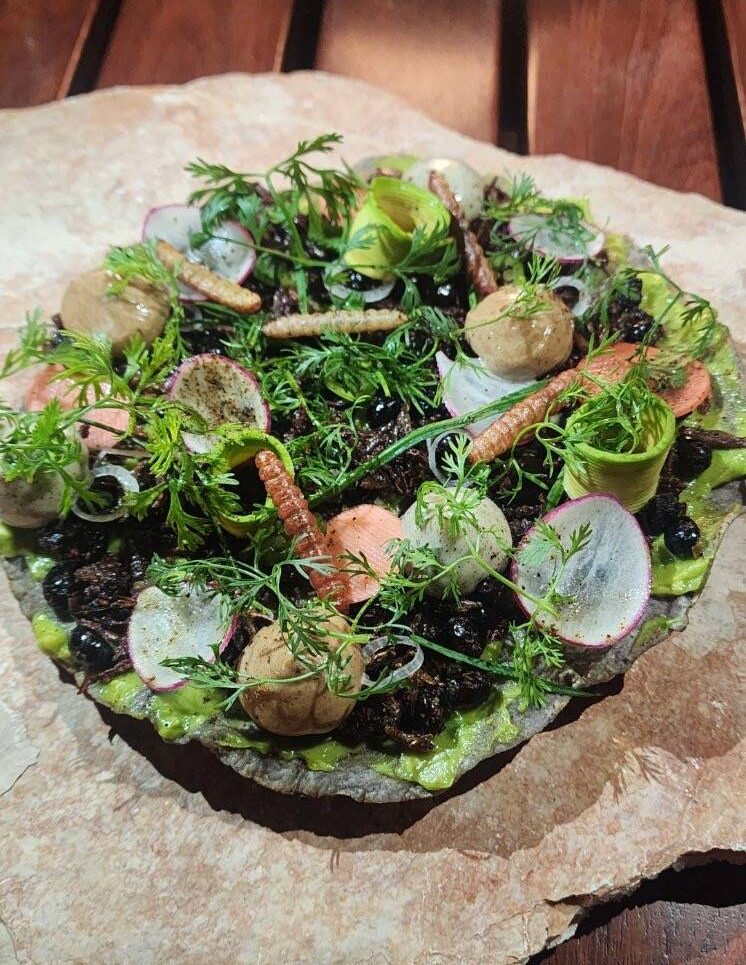
Thus far, he is the only chef who prepares insects exactly to my liking. His insect tostada—chicatanas (flying ants), chapulines (grasshoppers), and maguey worms—is a masterful play of textures and flavors: crisp and earthy, enriched by cremas, sauces, and avocado, lifted by bright acidity and subtle herbaceous notes.
I find that the chef’s mastery lies in letting the diner discover each ingredient, rather than masking it, and he does so wonderfully.
Lourdes Ruiz: The heartbeat of the ranch
Lourdes is the gentle force that holds the gentlemen together. She remembers the fiestas, the rituals, and the flavors that shaped them. At Portozuelo, she tends the land with the same instinct and intuition passed down through generations—ensuring that the ingredients they use still carry the warmth and wisdom of those who came before.
She is the warm smile that greets you as you walk into Portozuelo, ready to welcome you with pulque (a Mexican alcoholic drink made with the fermented sap of the agave plant)—pouring some on your cup first, then hers, and lifting her glass in a joyful toast to your arrival.
Lulú is the heartbeat of the ranch—guiding what flourishes in the garden, what is harvested at dawn, and what arrives fresh at the table. She gives Portozuelo its direction, ensuring every guest is cared for and that everyone who dines leaves happy.
Jesús Ruiz: The Barbocoa master
Jesús is the Guardian of the Fire. At Las Barbacoas de México, he tends to the oldest cooking technique in the family—the pit, the stones, the slow heat. His barbacoa is not just one dish, but also a reflection of Mexico’s vast culinary map.

For Jesús, there is nothing simple about barbacoa. In truth, it demands patience, instinct, and deep respect to master. The right cuts of meat matter: short ribs, brisket, cheeks, head meat—fatty cuts that survive hours of slow cooking are best, Jesus shares. And for him, fat isn’t indulgence—it gives moisture and adds flavor.
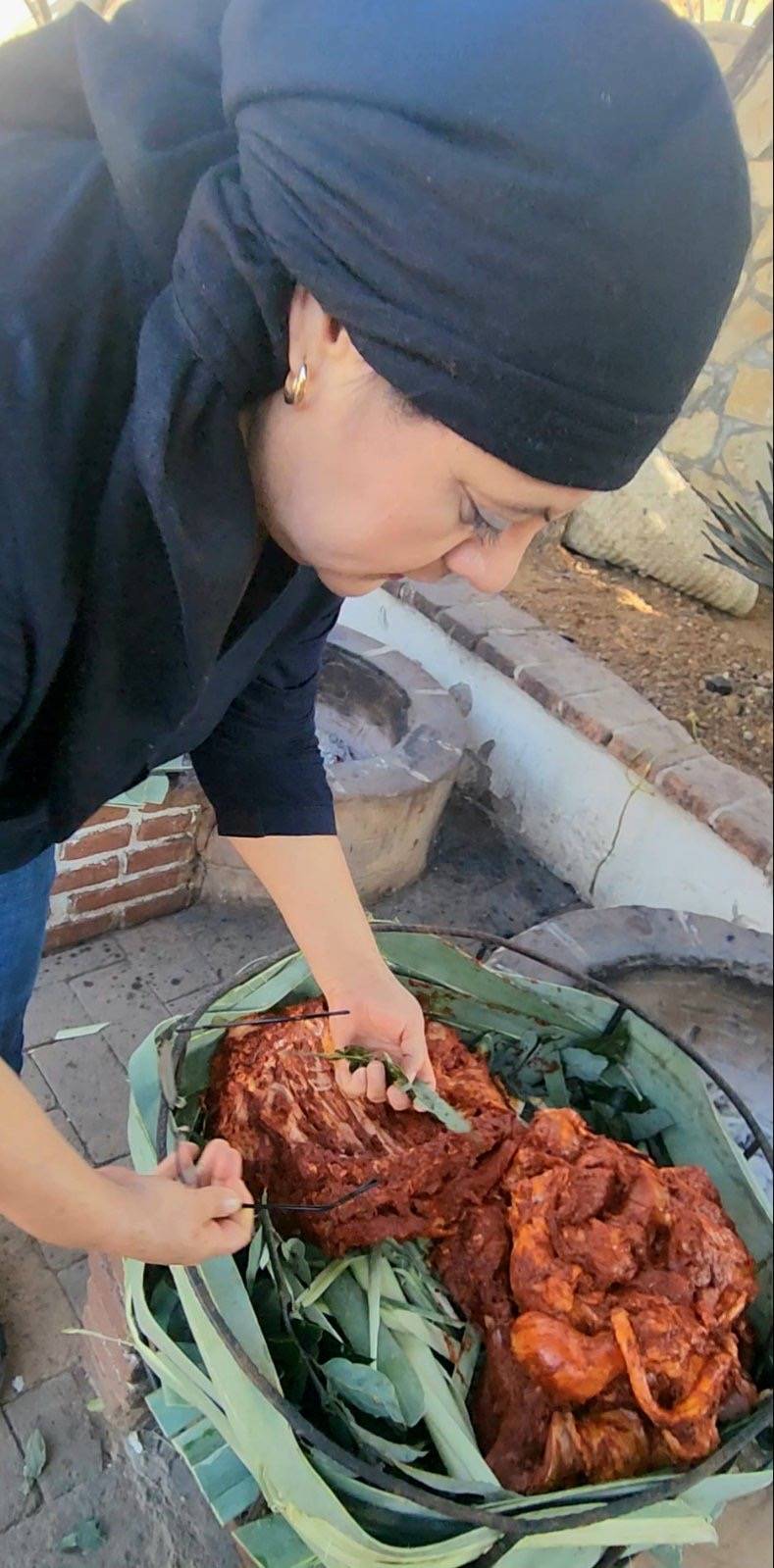
The barbacoa is left to cook overnight. From start to finish, it is a ceremony—beginning with the cutting and seasoning of the meat, and the wrapping of it. The heating of the stones, the sealing of the pit, the waiting, and finally, the unveiling. It is a ritual that requires time.
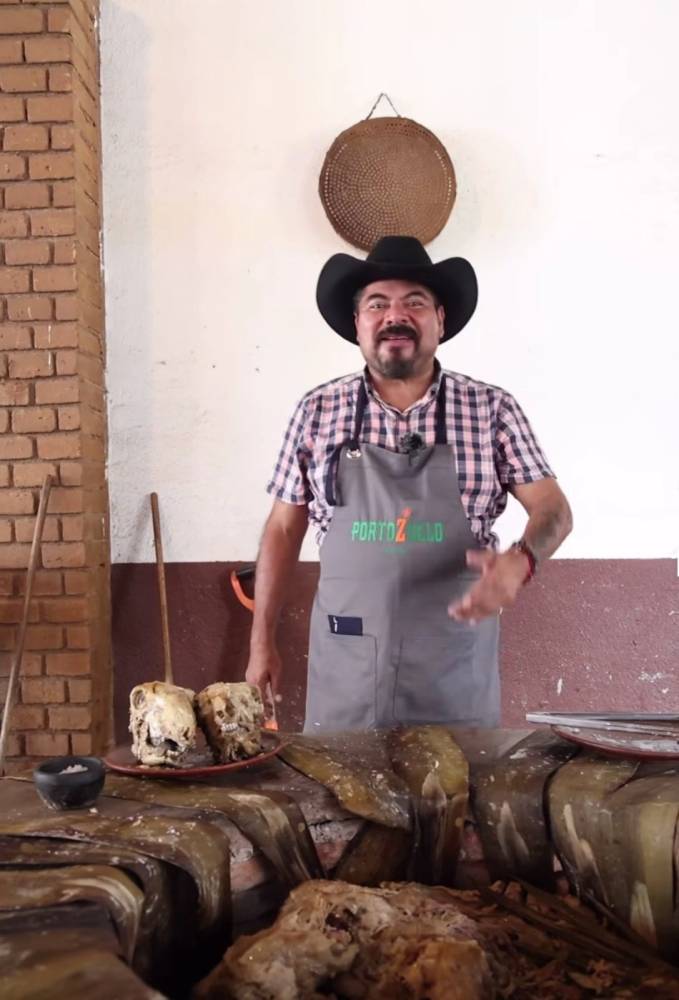
Jesús does the honors of opening and unearthing the barbacoa every day. To witness it is like watching a dance. Over the years, Jesús and his chefs have learned to move with a distinct rhythm—in sync, deliberate, practiced, accurate.
For hours, the meat is allowed to cook, its juices dripping into a pot buried beneath it. When lifted, that pot reveals the most exquisite consommé—indescribable in taste and flavor—ladled and served alongside melt-in-your-mouth meat (baby lamb being my favorite) and sangrita (a blood sausage—a mixture of lamb’s blood, offal, onion, and mint). Salsas and freshly made tortillas complete the experience.
Truth be told, one of the best meals I’ve had in my life is Jesús’ barbacoa de borrego—tender baby lamb paired with the most deep-tasting consommé, a broth so robust and soulful. A gustatory feast that is both simple and lavish.
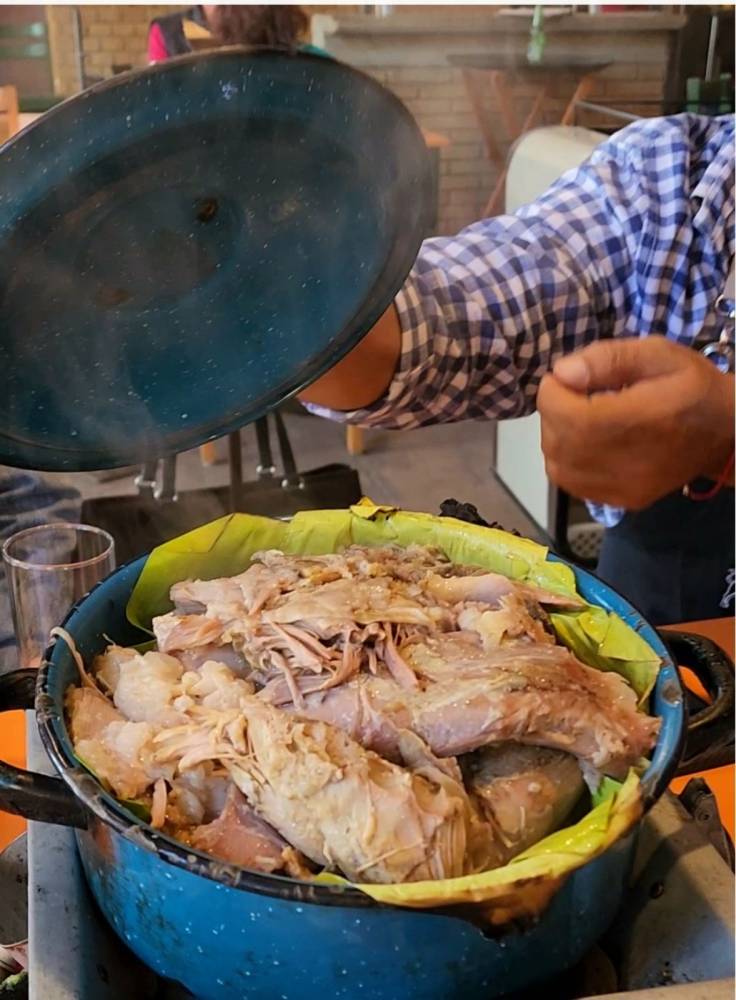
At Las Barbacoas de México, almost every type of barbacoa from across Mexico is served as a tribute to their country’s ancestry, regional diversity, and the enduring tradition of slow cooking with earth and fire.
Whether I’m in Portozuelo, in the festive bustle of Las Barbacoas de México, or on the terraza of Casa Oaxaca… I taste family, history, and friendship—all held together by the comfort of a well-cooked meal.