


Why the corset never misses

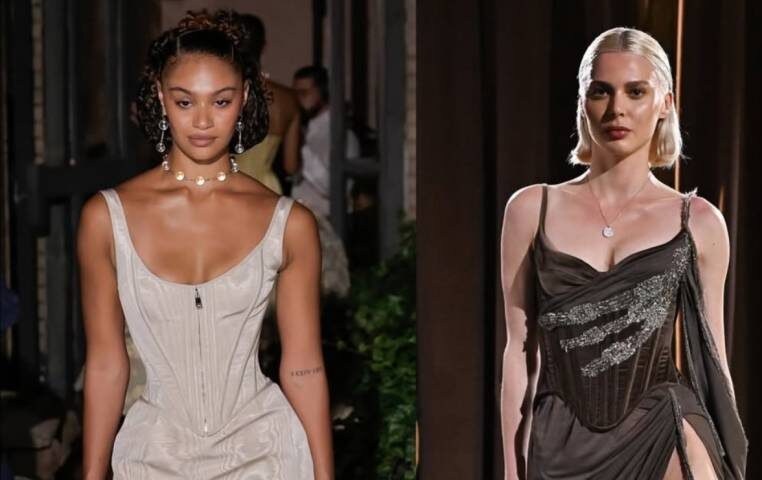
For centuries, the corset has existed at the intersection of fashion, discipline, and identity. Once regarded as a symbol of restriction and social obedience, it has now been re-entered into modern fashion as a statement of empowerment and design.
Where corsetry began
The origins of the corset trace back to early attempts at shaping the human figure to meet cultural ideals. A corset is a fitted garment designed to structure and contour the torso, traditionally constructed with rigid “boning” made from whalebone, wood, or, later, steel. It is laced or fastened tightly around the waist and chest, creating a compressed silhouette that lifts the bust and narrows the waist.
By the 16th and 17th centuries, corsetry had become a staple of European aristocratic fashion. The structured bodice was not merely decorative; it was an outward display of class, wealth, and “proper womanhood.” A compressed waist and upright posture communicated refinement and discipline, marking the wearer’s place within social hierarchies.
In the Victorian era, corsetry intensified. The pursuit of ever-smaller waistlines led to the practice of “tight-lacing,” in which women dramatically reduced their waists beyond natural proportions. By the 19th century, these extremes brought growing concern, and studies began to document the negative physical effects of tight-lacing, including restricted breathing, displaced internal organs, fainting episodes, digestive issues, and skeletal deformation.
Corset in the 21st century
Yet the corset did not disappear—it evolved.
In the 21st century, corsets are designed with an emphasis on structure and silhouette rather than extreme compression, using boning and lacing to guide shape without enforcing it. Styled with denim, tailored pieces, dresses, and streetwear, the corset now signals choice rather than conformity.
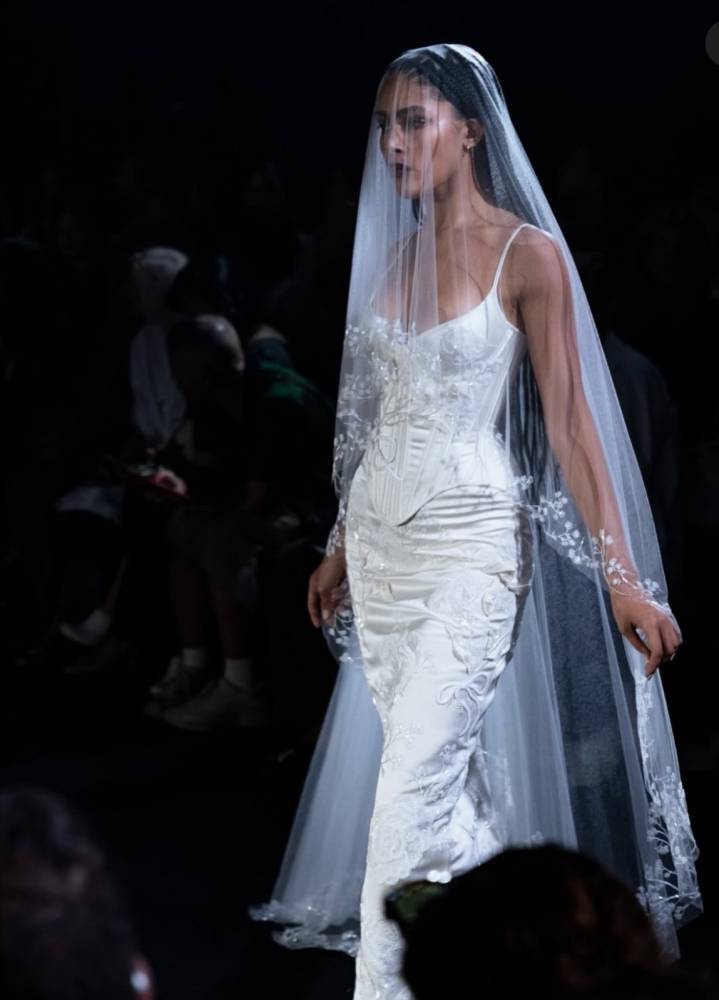
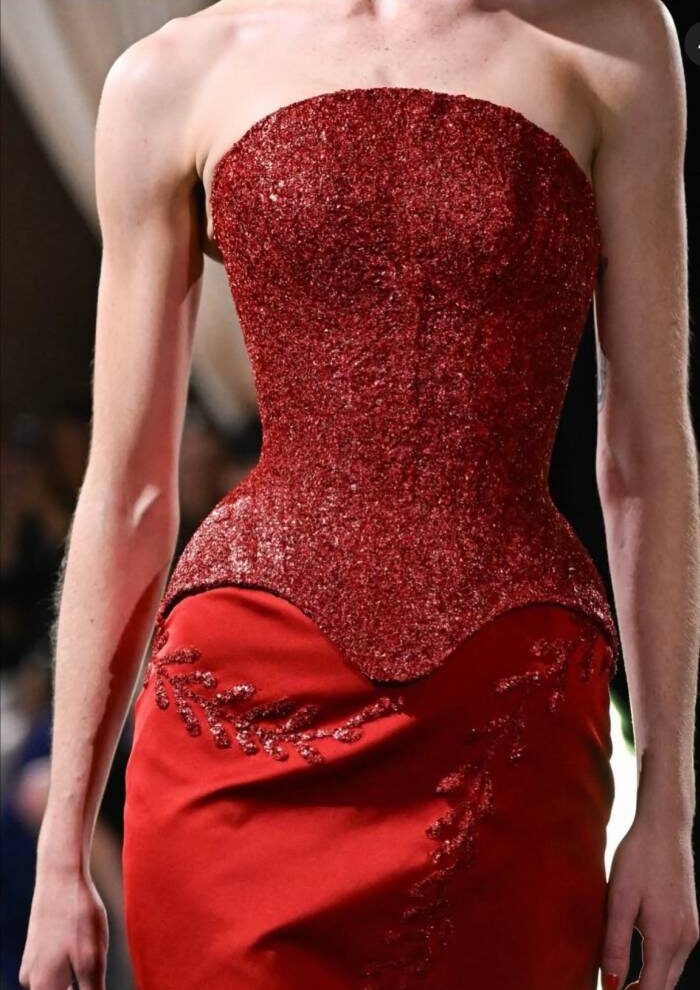
Contemporary fashion houses and emerging designers alike have embraced corsetry as both craft and concept. One notable example is fashion designer Jackson Wiederhoeft, often referred to as the “high priest of corsetry made in New York.” In his Spring 2026 collection, Lost Works, corsetry served as a central motif across pieces both dramatic and intimate. Ball gowns flared into architectural volume while column dresses traced the body with sculptural precision. Some corsets were softened with draped georgette, others hardened into armor-like bodices, yet still designed to allow movement and comfort.
Standout looks included a gold fil coupé brocade skirt paired with a sharply corseted bodice and an off-the-shoulder gown drenched in diamanté, its brilliance balanced by lace inserts at the bust. Even quieter designs—a blush corset with a fluid skirt—maintained a clear commitment to structure, treating the body as canvas.
The collection also introduced a new sizing system. The brand’s core Wasp corset is now offered in 68 sizes, broadening accessibility and acknowledging that structure, elegance, and form are not reserved for a single body type.

Cultural spotlight
Corsets remain highly visible across global pop culture. Artists such as Madonna, Rihanna, and Beyoncé have long incorporated corsetry into performance wardrobes, reinforcing the garment’s association with power, sensuality, and spectacle.
A newer generation keeps the corset in focus. Figures including Dua Lipa, Olivia Rodrigo, Sabrina Carpenter, Taylor Swift, and Zendaya regularly wear corsets on red carpets and performances, sustaining the silhouette’s relevance in public fashion. Recently at the 2025 Fashion Awards, model Anok Yai accepted the Model of the Year award in a custom white-and-ivory satin corset gown by Dilara Findikoglu, featuring a mermaid silhouette, draped skirt, and ruffled train.
Social media has also sustained corsetry’s presence, offering continuous exposure through styling videos, archive references, and modern reinvention.
The idea that corsets exist only to restrict the body no longer reflects how they function in fashion today. Modern corsetry is defined less by compression and more by styling and design intent. Its presence across streetwear and couture shows that the corset is valued not for control, but for visual structure and style flexibility. That is why they continue to appear, season after season.