


Landbanking body pushed amid Baguio housing shortfall

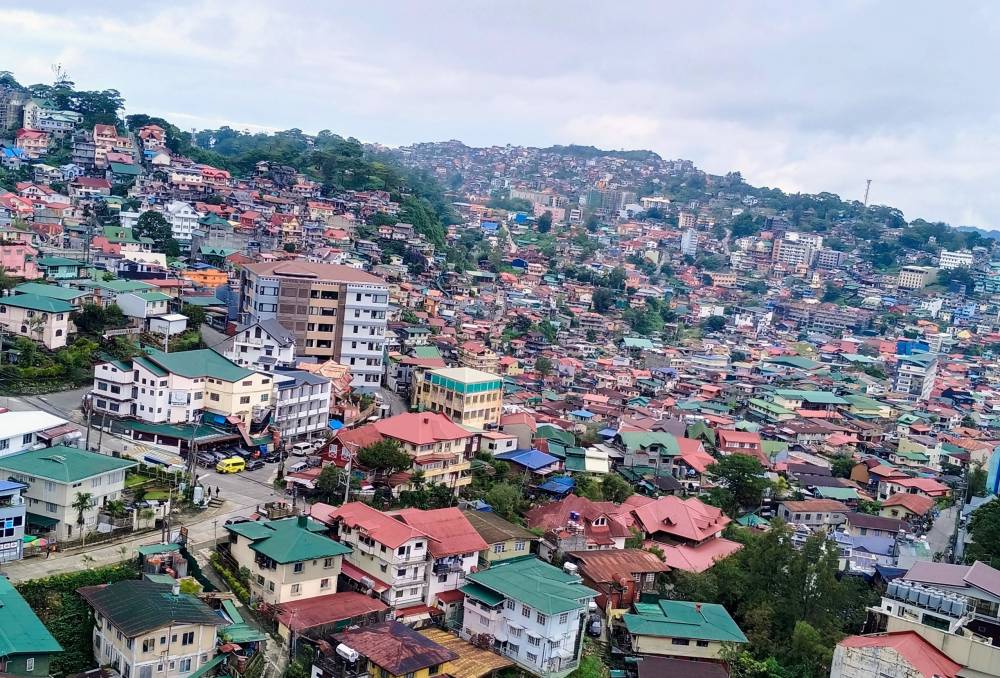
BAGUIO CITY—The city is creating a landbanking authority that would acquire properties from neighboring towns in Benguet province to address a housing backlog that has plagued the summer capital since 1990, according to a draft ordinance that was the subject of a Dec. 3 public consultation.
The measure, to be called the Baguio City Inclusive Housing and Sustainable Land Banking Act, creates a nine-member body that would identify idle real estate in Baguio and properties located in towns that compose the Metropolitan BLISTT Development Authority (BLISTT stands for the economic alliance of Baguio and the Benguet towns of La Trinidad, Itogon, Sablan, Tuba and Tublay), according to its sponsor, Councilor Jose Molintas.
The landbanking act would guarantee “equitable access to affordable, safe, and culturally appropriate housing for low-income families, indigenous peoples, informal settlers, and city employees,” the measure states.
The city’s real estate brokers and developers suggested opening up lands outside Baguio for low-cost housing because the city has dwindling land resources, and Baguio land values are often too prohibitive for socialized housing projects.
Baguio’s housing backlog is estimated at 28,123 as of October. This figure includes dwellers who cannot afford to buy land at current market prices, as well as families who lost their homes or live in areas vulnerable to disasters.
Restriction
To protect new acquisitions from land speculators, the proposed law restricts indigent beneficiaries from selling their newly acquired properties for 10 years.

All untitled lands in the city are part of a townsite reservation and are classified as alienable and disposable. This provision was set by Baguio’s builders—the American colonial government—in order to populate the mountain city in the early 1900s.
Many of the initial townsite purchases were made by prominent Filipino and American families of that period. However, Baguio was designed for only 20,000 people. As of the 2020 census, the city’s population has grown to 366,358, and is estimated to have reached 407,000 this year.
Molintas said the landbanking initiative would ease pressure on Baguio’s shelter program, which had been strained by long delays in awarding townsite lands to qualified applicants, some of which date back to the 1990s.