









The most iconic watches of 1985

If you walked into a watch store in 1985, things would have looked very different. The mechanical renaissance had not yet arrived in style. Smartwatches weren’t even an idea. And the idea of buying a watch for its “heritage” or “in-house movement” wasn’t known in mainstream conversation.
The year 1985 was the height of what many call the “Quartz Crisis.” This was a period of time when Switzerland lacked innovation, while watchmaking industries from other countries were taking full advantage of emerging quartz technologies. Quartz tech was also at its peak, accurate to a few seconds a month. It was cheap to make, tough, and reliable. Japan led global innovation while Swiss manufacturers still found their footing.
Style-wise, the ’80s were loud. The era was optimistic and not afraid of color. Still, Switzerland was at work, and a small plastic watch we all know now, called Swatch, was rewriting the rules of what a timepiece could be.
7 iconic watches to watch out for
To mark Inquirer’s 40th anniversary, here’s a look at the watches that defined the year, from everyday icons to cult classics, most of which still influence wristwear today. So if you were shopping for a new watch in 1985, here’s what you would’ve found in the display cases.
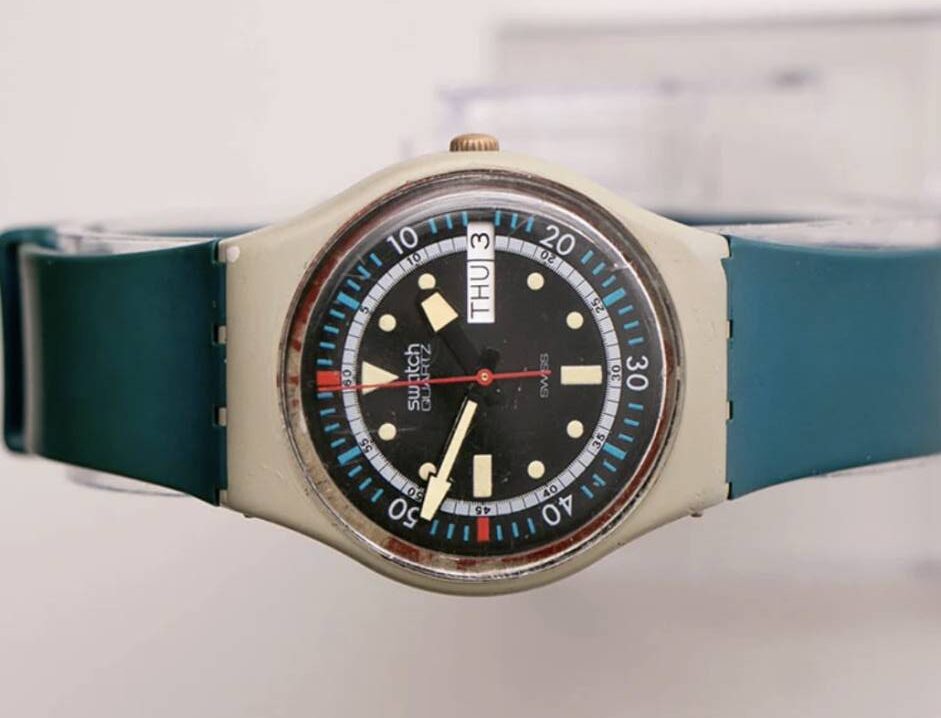
1. Swatch Originals (1985): A new movement
By 1985, Swatch wasn’t just a watch brand. With bright colors, playful graphics, and Swiss-made quality at an accessible price, it became a symbol of youth culture. Swatch captured the zeitgeist of the time and proved that a watch didn’t need steel or prestige to be cool; it just needed personality.
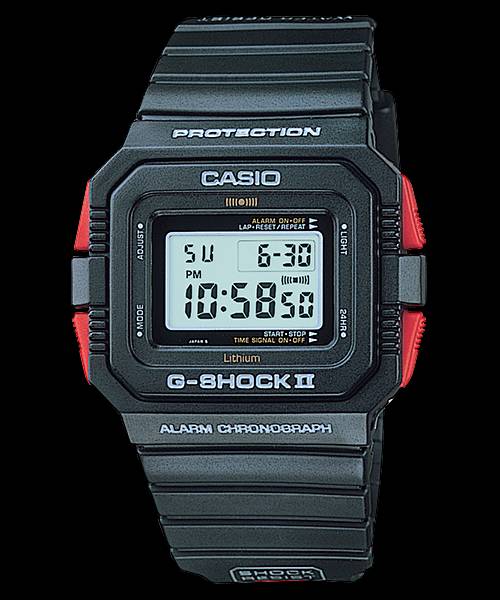
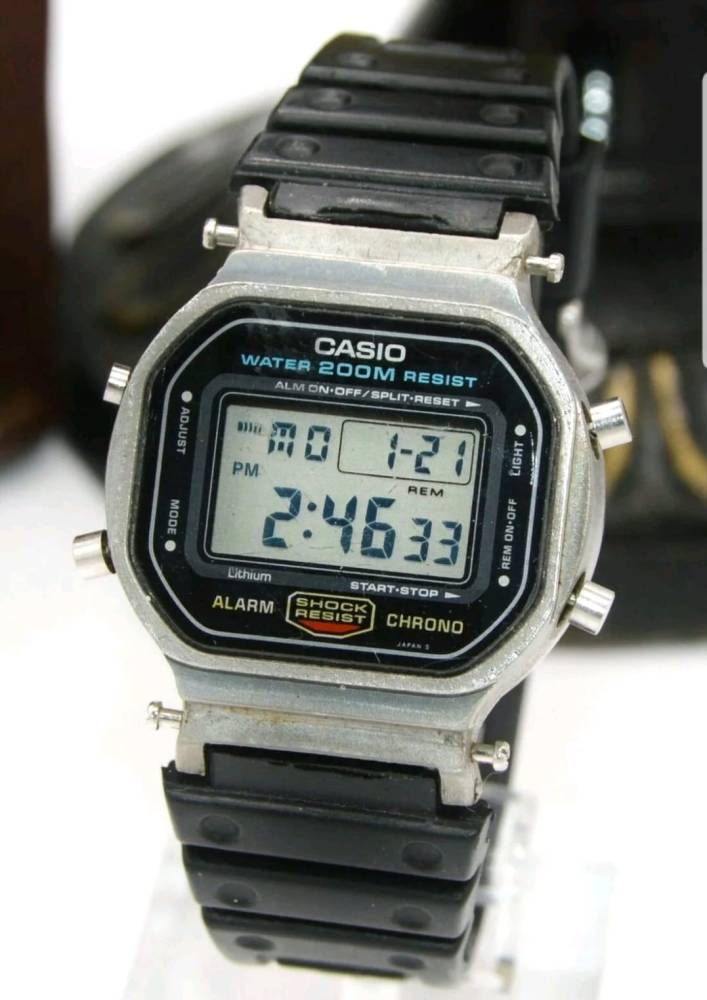
2. Casio G-Shock DW-5600 (1985): Toughness as a style choice
The DW-5600 arrived in 1985 with a simple promise: You could drop it, hit it, or swim with it, and it would keep going. Its square case and practical digital display set the blueprint for every G-Shock after it. It was durable, and it made durability fashionable to this day.
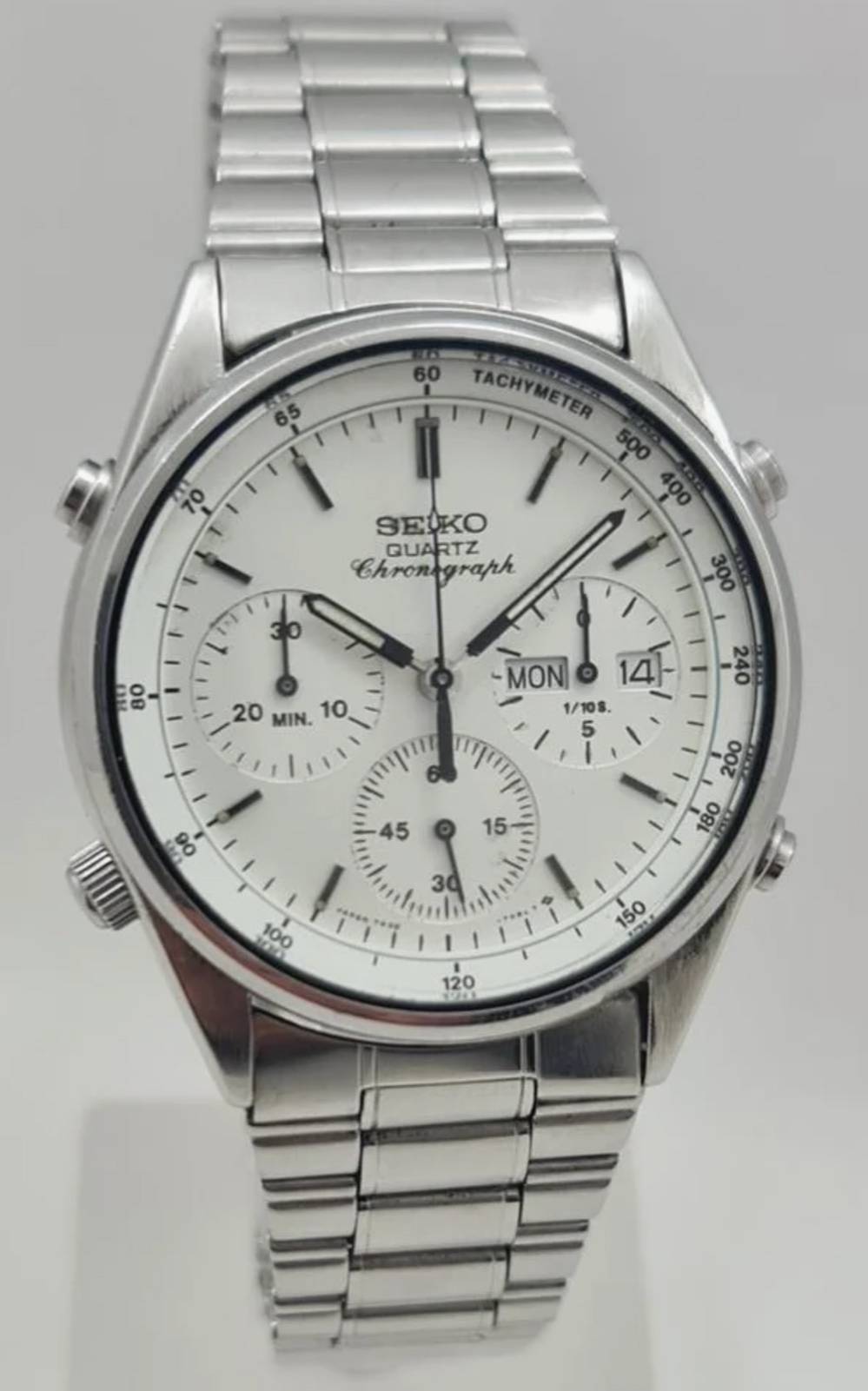
3. Seiko 7A28 Analog Chronograph: Japanese precision
Still in production in 1985, the Seiko 7A28 was the world’s first analog quartz chronograph and one of the most technically impressive quartz watches ever made. Fully metal, fully serviceable, and famously worn in “Aliens” (1986), the Japanese showed that precision and engineering could thrive outside Swiss tradition.
4. TAG Heuer Formula 1 (1985): The new, energetic Heuer
When TAG acquired Heuer in 1985, the Formula 1 became the symbol of the brand’s new direction. Its fiberglass case, bright bezels, and quartz movement made it sporty, youthful, and accessible. This was the aspirational watch for the era of neon jackets and racetracks on the weekend.
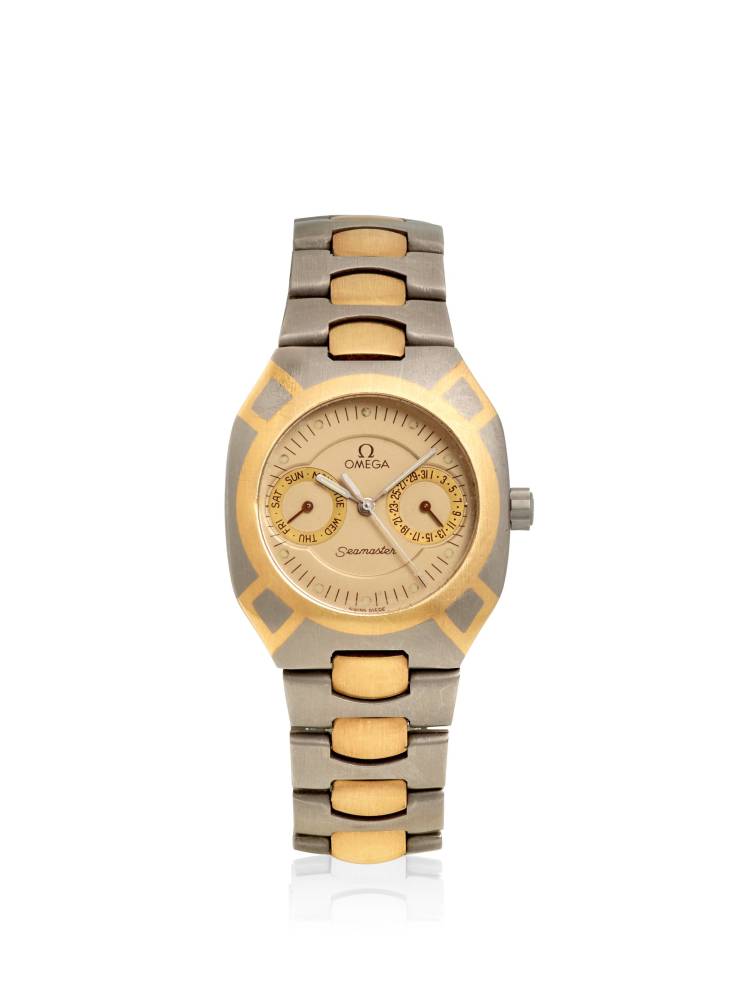
5. Omega Seamaster Polaris (1985): Futurism on the wrist
Sleek, slim, and unmistakably in the bold style of the ’80s, Omega’s Seamaster Polaris blended titanium, gold accents, and an integrated bracelet into a design that looked straight out of a sci-fi film—a popular genre of the era. It hinted at Omega’s forward-looking experimentation during a time when the brand was reinventing itself.
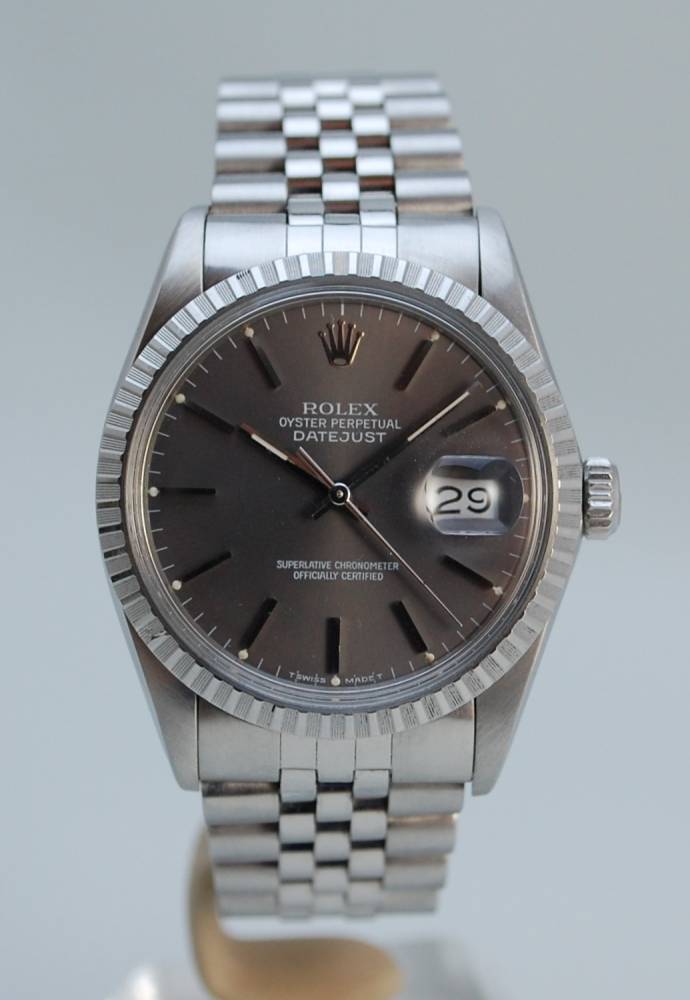
6. Rolex Datejust 16014/16030: The executive staple
In 1985, the Datejust was the symbol of success, especially in an era when suit-and-tie, high-power business was the trend. With its fluted bezel, Jubilee bracelet, and timeless proportions, it struck a balance between luxury and everyday wearability.
If you picture the typical ’80s New York banker, a la Patrick Bateman from “American Psycho,” the Datejust would be part of their uniform. And it’s just as classic today.
7. Citizen Aqualand (1985): The diver’s tool, evolved
Citizen broke new ground with the Aqualand, the first dive watch with a built-in depth sensor. It combined analog hands with digital data, giving divers real information underwater, something no other watch offered at the time. For professionals and hobbyists alike, it became an indispensable companion.

1985 to 2025 and why these watches still matter
Looking at 1985 through the lens of today, it’s easy to forget how revolutionary that moment in time was.
Back then, quartz was the future, and what seemed like disposable, affordable wristwear carved out a new definition of a “good watch” that was accessible, precise, and expressive.
Fast forward 40 years and we live in a world where mechanical watches are appreciated again: Quartz is still everywhere, and plastic-cased timepieces are en vogue through retro-inspired reissues and collaborations. Vintage Swatches, early G-Shocks, and quartz chronographs are treated like style artifacts while collectors prize their design, cultural resonance, and the nostalgia they evoke.
In a way, those 1985 timepieces laid the foundation of modern watch culture, blurring the line between fashion and function. The year 1985 showed the watch becoming a daily accessory rather than a once-in-a-lifetime, expensive purchase.
And this 40th anniversary, looking back at 1985 helps recognize how that year helped shape the everyday watches we wear on our wrists today.