





A celebration of our flora, our communities, and our food story

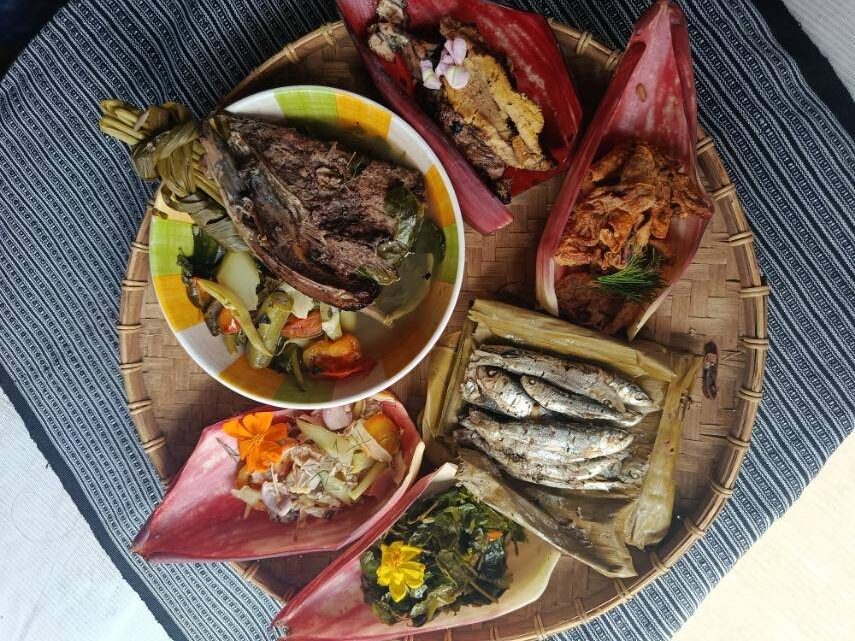
Gulay Pa More (GPM) began as a simple idea—to gather, to cook, and to honor the unique flavors and abundance of our Philippine flora. What started small has grown into a movement that celebrates local produce, indigenous crops, and, just as important, the hands that grow them.
The growers, keepers, and protectors of the earth
Every GPM event is a fiesta rooted in bayanihan; a coming together of food, stories, people, and a shared responsibility to care for our land and our food systems. Since its first gathering in May 2024 at UP Diliman, GPM has visited different communities, where each destination taught a lesson. From Makiling came the call to protect biodiversity. Sagada was a reminder that food begins with land and Indigenous memory. Sorsogon brought forth the importance of caring for one another in the midst of climate change.
The GPM Hapag at Himagsik, held last Nov. 30 in Mandaluyong, brought all these lessons together. It reclaimed our native flora, further celebrated plant-based Filipino cooking, and drew more people into the conversation on sustainable food systems.
And everywhere GPM goes, farmers, small producers, Indigenous communities, and the advocates who keep our food are honored.
The event’s timing—the day after Maria Orosa’s birthday (the food scientist who turned local ingredients into life-saving nourishment) and on the birthday of Andres Bonifacio (who fought for our freedom)—made it even more meaningful. It became a reminder that food, memory, and sovereignty are deeply connected.
Conversations with the Malayang Kusinero
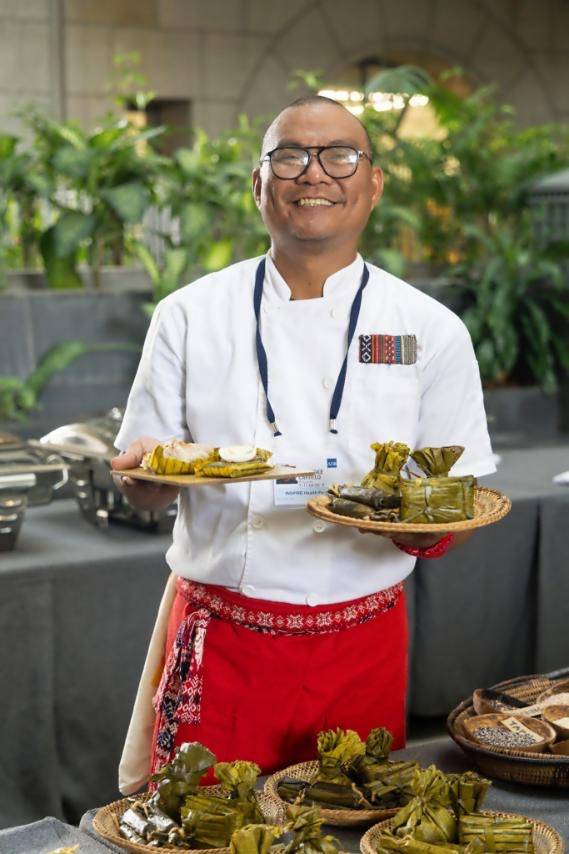
I had the chance to chat with chef Lao Castillo, one of GPM’s founders, who calls himself the Malayang Kusinero. While in conversation, one thing was clear: For him, the concept of bayanihan is best understood through food.
He pointed to suman as the dish that captures this spirit—made by many hands, shared with gratitude, and rooted in the land.
Castillo believes bayanihan is still alive—though it now reveals itself more in times of crisis than in moments of abundance. This shift, he notes, mirrors how “many fiestas and festivals have changed… drifting away from true community celebration and becoming increasingly commercial.”
This is why GPM exists, he says—to bring people back to what these gatherings were meant to be.
Castillo also speaks of the importance and the urgency of reclaiming our native flora. For him, every traditional dish reflects our relationship with nature—our rice, root crops, fruits, vegetables, and souring agents all tell the story of who we are. Reviving these ingredients isn’t just about remembering the past. It’s about rebuilding abundant, sustainable food systems and strengthening the community.
This is why Castillo sees a decolonized feast as one that begins with a people claiming their land, their seas, and their food. He also stresses the need to bring the youth back into community kitchens to open their eyes to heritage, healthy eating, and the joy of preparing food together.
This way, they learn to reconnect with their identity that has been lost to fast food and to modernity.
More than just sustenance
Castillo longs for the day when farmers are truly free. In working with them, he’s heard their joy in returning to organic farming. But they hope for more. For them, abundance means planting what they themselves eat. Produce that nourishes their families first, then to earn a decent living from it—in an environment that is clean, healthy, and fair.

Moved by the spirit of the movement, I searched deeper and discovered the inspiring voice of Celine Murillo, a GPM organizer, environmental storyteller, and forest defender. Her words from a recent presentation captured the very essence of GPM.
“Ang tunay na generational wealth ay ang ating yamang likas at ang katutubong mga sangkap at pagkain,” she says. “Kasi pamana ’yan ng nakaraan ng ating mga ninuno tapos biyaya ng kasalukuyan. At meron tayong mga tungkulin para ito’y pagyabungin at pagyamanin para sa mga susunod na henerasyon.”
“Ang bawat putahe ay isang mapa at ang pagluluto ng sama-sama at pagsasalo-salo ay ang paraan upang basahin at intindihin ang mapang ito,” she adds. “Kung saan ito tutungo, kung saang destinasyon nito tayo dadalin, walang iba kundi sa ating mga tahanan.”
Alongside Orosa and Bonifacio are advocates like Castillo and Murillo—modern bearers of the same spirit of nourishment and community. And GPM carries this legacy forward by using our own ingredients to feed our people, and by reminding us that true strength lives in the community.
Vegetables are more than just food. They are memory, identity, and freedom. So let’s Gulay Pa More!
Follow Gulay Pa More on Instagram and Facebook