











The shophouse revival

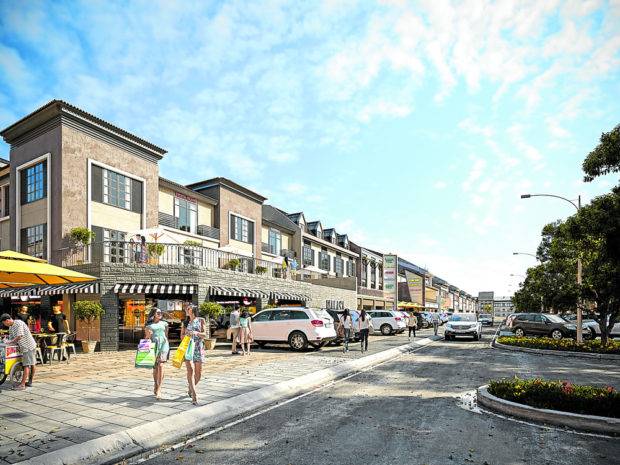
Shophouses have re-emerged as powerful urban catalysts in the Philippines.
From their origins in Binondo’s riverfront markets to their reinvention in modern masterplanned estates, they continue to shape the nation’s economic and architectural character. Compact yet dynamic, these structures sustain the dual rhythm of living and enterprise that defines the evolving Filipino city.
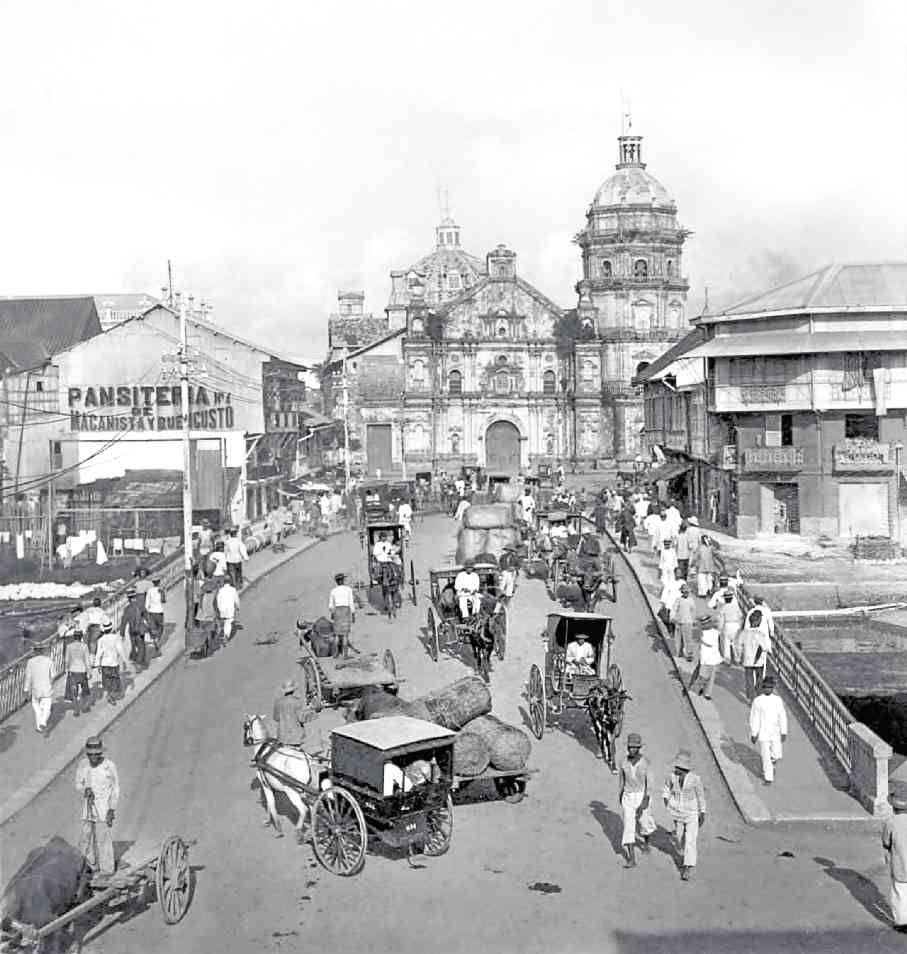
A heritage of commerce and craft
The Philippine shophouse, locally known as the accesoria, traces its lineage to centuries of regional trade.
Chinese immigrants from Fujian and Guangdong brought the live-work concept to Manila, merging it with the Spanish colonial grid. Narrow frontages and deep plans optimized scarce urban land, while arcaded walkways offered shelter and animated street life.
Each façade combined Chinese symbolism, Spanish masonry, and Filipino craftsmanship, creating a hybrid urban form distinct in Southeast Asia.
By the 19th century, streets such as Escolta, Ongpin, and Calle Real pulsed with commerce. Ground floor shops sold fabrics, jewelry, and ceramics, while the upper floors housed families and staff. Arcades shaded pedestrians and became corridors of conversation.
These buildings made entrepreneurship visible, linking family and livelihood through architecture.
Economic roles in contemporary cities
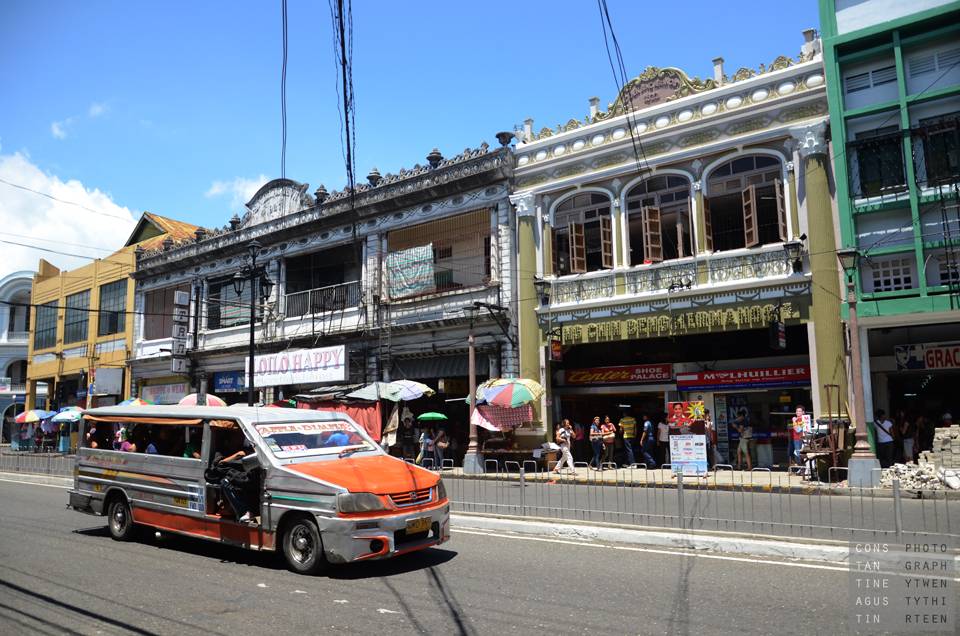
Shophouses play significant economic roles in contemporary Philippine cities as adaptable mixed-use spaces that support small businesses, community entrepreneurship, and urban vitality.
Their design integrates work, living, and commerce within compact footprints that encourage walkability and neighborhood interaction.
These locations also act as incubators for local enterprises, providing affordable space for cafés, studios, and boutique retail that sustain micro-economies and create employment.
Modern developments weave shophouses into township masterplans, promoting dynamic urban centers that balance heritage character with growth. Across the country, emerging mixed-use districts illustrate how the shophouse model continues to evolve with market demand, attracting creative offices and lifestyle ventures that enliven local economies while preserving human-scale interaction.
Investment dynamics and urban integration
Shophouses in central, walkable districts boost market appeal, supported by data from multiple Southeast Asian cities, where mixed-use developments regularly have higher occupancy rates than single-use properties.
As demand for integrated, community-focused living grows, these compact structures are attracting more investor interest as resilient real estate models for changing urban populations.
In cities such as Iloilo and Cebu, the adaptive reuse of heritage shophouses has generated significant cultural tourism. This shift aligns with findings from regional heritage economies, where restored low rise districts encourage higher visitor spending and longer dwell times compared to large commercial complexes.
Revitalized shophouse clusters often stimulate adjacent blocks, encouraging incremental upgrades rather than disruptive redevelopment.
Shophouses and small business growth
Ground floor spaces often become incubators for neighborhood services, artisan studios, shops, and design offices. The relatively lower rental costs allow new ventures to experiment and expand without the financial pressure typical of large commercial centers.
The residential levels above meanwhile provide a built-in network of patrons and a steady base of daily activity that strengthens the sense of place. Regular foot traffic from residents and nearby workers supports local commerce, while the arcaded walks connect each doorway into a continuous flow of community interaction.

Regional and design perspectives
Across Southeast Asia, shophouses serve as the backbone of historic districts and creative economies.

Singapore’s conserved rows in Chinatown and Joo Chiat illustrate the value of heritage-led regulation. At the same time, Malaysia’s George Town and Malacca reveal the power of organic street life sustained by flexible use.
Modern Philippine interpretations combine sustainability, contemporary comfort, and responsiveness to a fast evolving digital economy. High ceilings and open courtyards still naturally manage heat and humidity.
Yet, newer configurations now integrate flexible work zones for remote professionals, co-working pods, and compact live-work studios that reflect the work-from-home culture. Broadband-ready layouts, acoustic partitions, and modular furniture systems enable fluid transitions between professional and domestic activities.
As the digital economy expands, the shophouse architecture also accommodates e-commerce operations and logistics, with dedicated storage alcoves or small fulfillment areas tucked behind retail spaces.
Covered sidewalks function as al fresco corridors for dining, meeting, and informal networking, giving rise to a social economy of freelancers and start-ups who use public space as an extension of their workspace.
Planting strips, bike stands, charging hubs, and shaded seating transform arcades into green, tech-enabled social spaces that nurture connectivity and community interaction.

The next wave of urban living
In an age of vertical towers and gated communities, shophouses offer a counterpoint of low-rise, high-activity buildings, where ownership and identity are visible at street level. They host both old and new economies from family-run bakeries to tech startups within the same urban grid.
The shophouse continues to enrich Philippine cities with its mix of practicality, memory, and movement.



VP on trial: The robes and the numbers