

Tropical lines of a nation

Filipino architecture lives in the folds of islands, water, and monsoon winds.
Each generation has drawn new lines across this landscape, yet the pattern remains an unbroken conversation with climate and community. To study its evolution is to see how the country built itself from light, heat, and belief. The terrain is constantly improvising, never static, and forever unfinished.

The beginnings of shelter
Before colonization, the builders of the islands had already perfected structures that swayed with the elements.
The bahay kubo, the humble origin of the Filipino dwelling, followed the rhythm of monsoon and tide. It floated on stilts, lifted from the damp earth, with woven bamboo skin and wide eaves that breathed with the seasons.
In the highlands, the Cordilleran dap-ay formed a civic space carved from stone. In Mindanao, the torogan expressed hierarchy through its carved panolong beams, with each curve describing prestige and craftsmanship.
In Batanes, thick limestone houses stood against gales, born from survival rather than ornament. Even boats, like the balangay that carried ancestors across the seas, teach us important lessons about flexibility and balance.
These forms were indigenous laboratories. They used local materials, human proportion, and air as active design elements. Each piece–from floorboard to thatch–could be rebuilt, repaired, or replaced.
Convergences of faith and empire
The Spanish arrival in the 16th century imposed geometry over geography.
The plaza complex organized the town around the church, the convent, and the municipal hall. The grid was both an instrument of control and a seed of civic life.
Churches thickened their walls in reply to earthquakes, birthing the distinct “Earthquake Baroque” whose massive buttresses stabilized faith in stone. Builders turned to coral and adobe, fusing local resourcefulness with European form.
From this encounter emerged the bahay na bato, the hybrid house of the colonial towns. The lower level in stone carried the weight of the empire, while the timber upper floor opened to air and light through capiz windows.
Ventanillas offered cross-ventilation, and tile roofs tempered sun and rain. The bahay na bato became a climate-smart architectural form decades before the phrase existed–its quiet logic serving households and streets for centuries.
The American civic imagination
A new order followed in the early 20th century.
American planners, led by Daniel Burnham, envisioned Manila and Baguio as cities of light, parks, and discipline.
They drew boulevards aligned with the sun and anchored by civic monuments. Their language of classical columns and symmetry promised progress through hygiene and order.
The period gave birth to the Gabaldon schoolhouses, timber structures that traveled from one province to another. With their raised floors and generous windows, they democratized education and architectural comfort.
Reinforced concrete spread quickly, reshaping town centers and giving rise to the first commercial strips. This was also the age when zoning and public sanitation became part of urban design, linking architecture to public health.
A modern nation builds its voice
In the years that followed independence, architects searched for a national expression in concrete and proportion.
Juan Arellano designed civic buildings that symbolized aspiration.
Juan F. Nakpil, later named the first National Artist for Architecture, served as a mentor to a new generation. His legal dispute in the 1980s, a landmark case on design liability, reflected how architecture had become both artistic and professional responsibility.
Pablo Antonio redefined form by embracing Art Deco stripped of ornament. His buildings for the Far Eastern University stand today as the largest surviving Art Deco ensemble in Manila, with each façade shimmering in tropical light. Antonio, who rose from humble beginnings, was an orphan who worked by day and studied by night, embodying the grit that shaped Filipino modernism.
Leandro Locsin, another National Artist, sculpted buildings that seemed to float above the ground, heavy yet poised. The Cultural Center of the Philippines complex became a symbol of modern ambition. Yet his association with state-led monumental projects during the ’70s stirred debate about the role of architecture in power and representation.
In recent times, the controversy over the proposed demolition of his Ramon Cojuangco Building reignited questions of heritage and progress.
Expanding cities and new boundaries
The second half of the 20th century turned architecture toward scale.

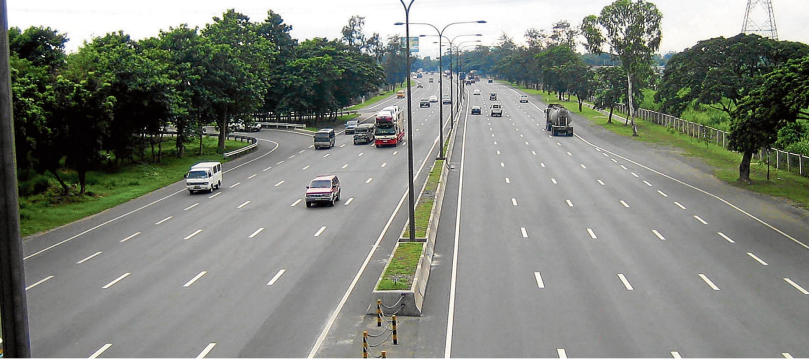
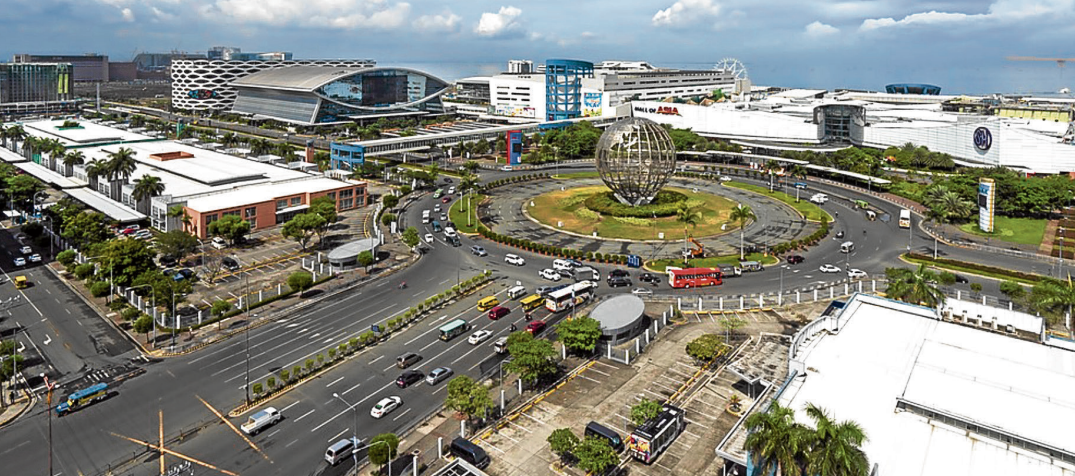
Expressways and megastructures emerged under centralized planning. Reclamation expanded the edges of Manila Bay.
After the 1986 revolution, development was decentralized. Private enclaves and new townships grew across the archipelago. Shopping centers became social condensers, places where climate control, retail, and leisure converged.
At the same time, informal communities spread near jobs and waterways. They improvised with the materials at hand, echoing the adaptability of early dwellings. The challenge for planners became how to integrate these organic settlements into the formal city without erasing their vitality.
The contemporary condition
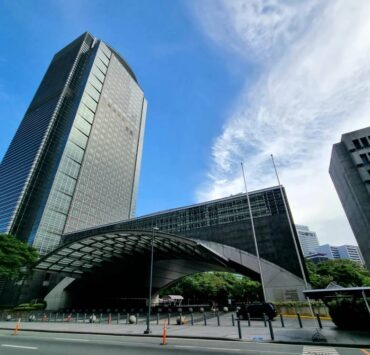
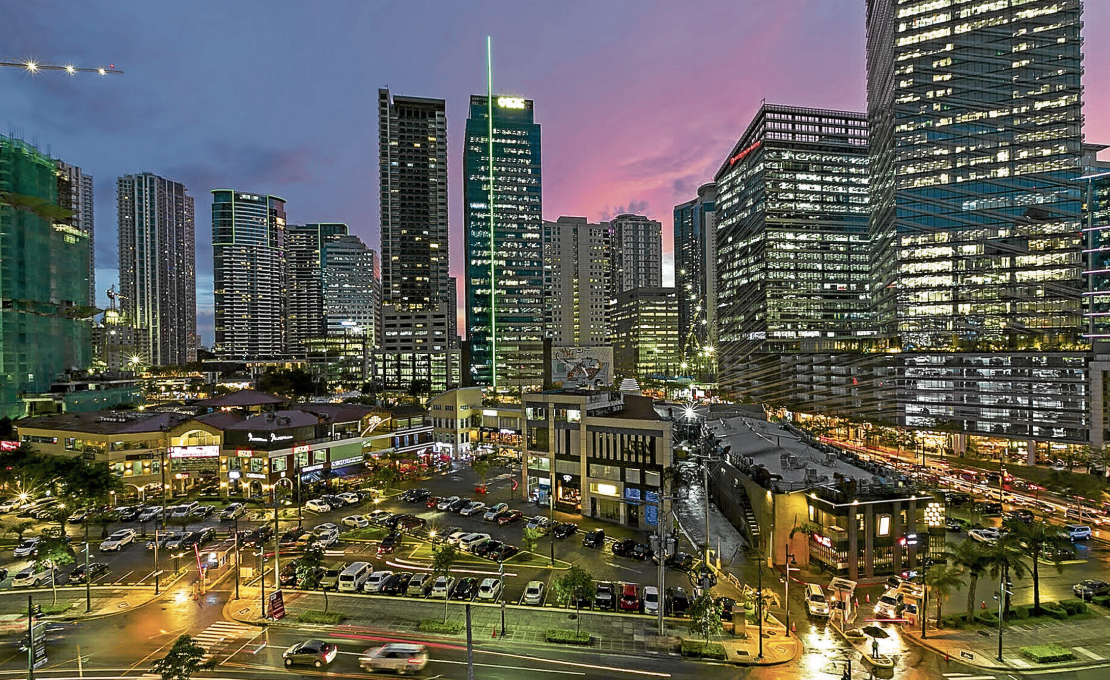
Business districts rise in glass and steel, their floor plates shaped by global finance and the business process outsourcing (BPO) industry.
Transit-oriented developments promise new urban habits. Condominiums multiply across regions, offering proximity, security, and community within vertical boundaries. Airports anchor regional growth corridors. Resorts and tourism estates bring new income but challenge ecosystems.
Diversity has become the defining condition, yet quality and resilience vary. The everyday building material remains the concrete hollow block, an economical yet thermally inefficient unit.
Efforts to introduce engineered bamboo, laminated coconut lumber, and modular construction hint at a more sustainable future. Architects experiment with passive cooling, shaded courtyards, and solar integration. Buildings slowly become machines for collecting energy and water rather than consuming them.
Beyond the present horizon
The next century of Filipino architecture will unfold under the imperatives of post-carbon design.
Buildings will generate their own energy, clean their own water, and offer shade as a civic right. Floating and amphibious dwellings will populate delta cities. Urban design will shift toward archipelagic networks of small, connected towns rather than single, overburdened capitals.
Digital twins will manage maintenance and disaster response. Artificial intelligence will learn from vernacular wisdom to refine new prototypes. Pattern libraries, based on community data, will guide design, allowing local variation while maintaining coherence. Heritage will evolve into a platform for invention rather than nostalgia.
The building profession itself will transform. Architects, engineers, and craftspeople will form circular economies of material reuse. Construction will depend on local supply chains that value dignity and skill. Procurement will favor performance and life cycle value over lowest cost.