









Storied structures reimagined


Athens, Giza and the Vatican—what do these places have in common?
If you’re thinking of heritage sites, you’re right on track. These cities around the world are known more for their old structures than their newer buildings.
Every year, they attract millions of tourists who are curious about the stories behind these sites. These places prosper by preserving the old. How can we Filipinos do the same to highlight our culture and history to the world?
The answer might be right in our midst. Many heritage sites across the country are now recognized for their historical importance. Several have been turned into museums, but you may be surprised to learn that others have been repurposed to serve unique functions.
Let us explore how adaptive reuse is applied to Philippine historical sites. This planning strategy may just be the key to unlocking our country’s potential for a successful heritage tourism industry.
BPI Museum Cebu
Cebu City
Originally named “El Banco Español Filipino de Isabel II,” the Bank of the Philippine Islands (BPI) is one of the largest banking institutions in the country. Its main Cebu branch is not only a must-visit for BPI clients but also for history buffs who want to see one of the oldest banks in the Philippines still in operation.
Built in 1941, the BPI building in Cebu City was declared an Important Cultural Property (ICP) by the National Commission for Culture and the Arts (NCCA) in 2024. The building now houses the BPI Cebu main branch and the BPI Museum Cebu. It stands at the intersection of Magallanes and P. Burgos Streets in Cebu City.
If you’re in the area, make sure to drop by, as the museum is open to the public free of charge.
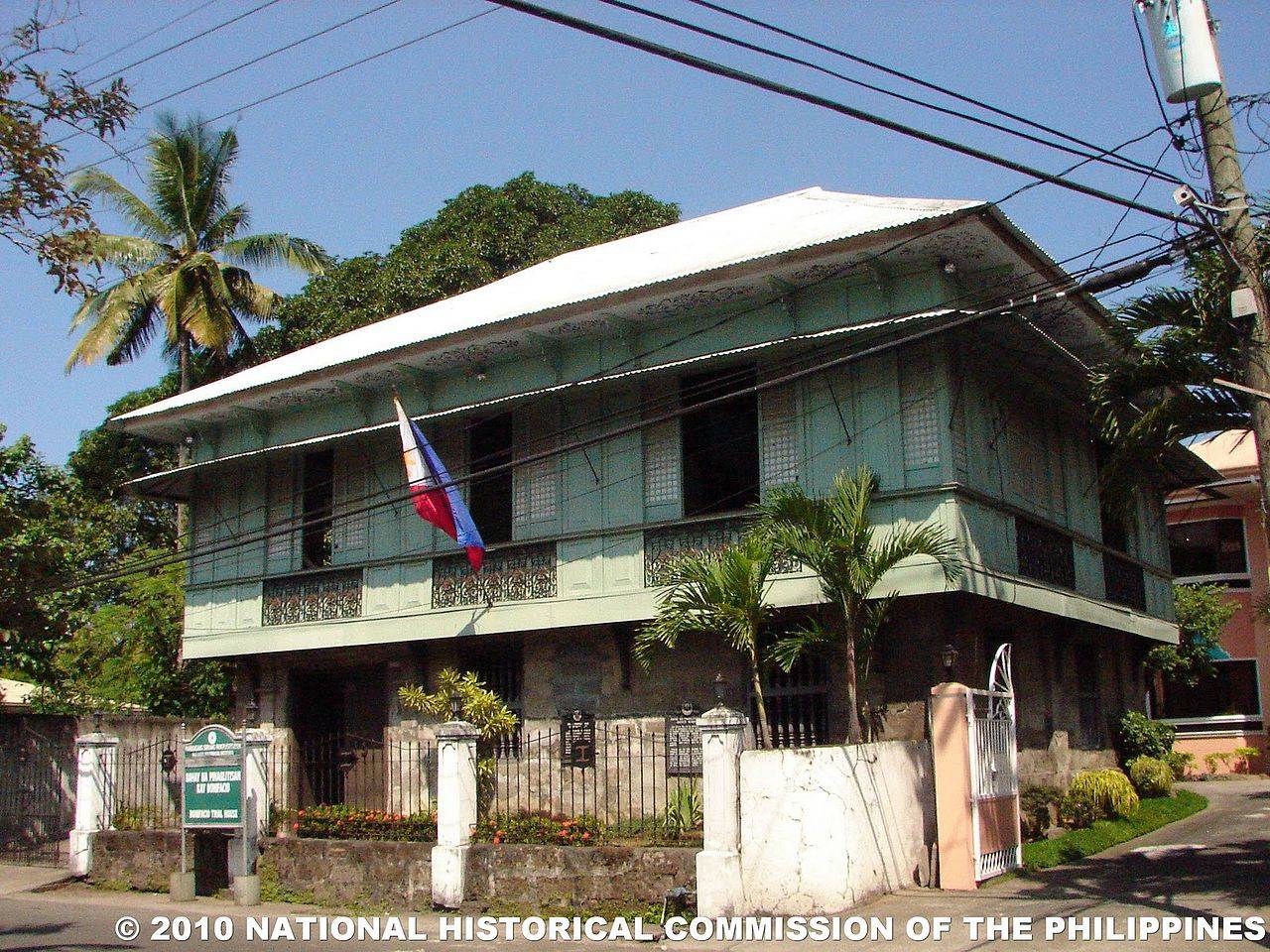
Bonifacio Trial House
Cebu City
At first glance, the ancestral house of Teodorico Reyes in Maragondon, Cavite looks like any typical bahay na bato. With its large capiz windows, solid wood floors, and classic stone base, this unassuming home is actually the site of one of the most heartbreaking moments in our nation’s history.
The house served as the trial venue of brothers Andres and Procopio Bonifacio in 1897, when they were charged with treason and sedition by the revolutionary government. The brothers were sentenced to death in this house, though the punishment was carried out in the mountains.
Today, the house is officially called Ang Museo ng Paglilitis ni Andres Bonifacio, having received an official marker in 2014 from the National Historical Commission of the Philippines (NHCP).
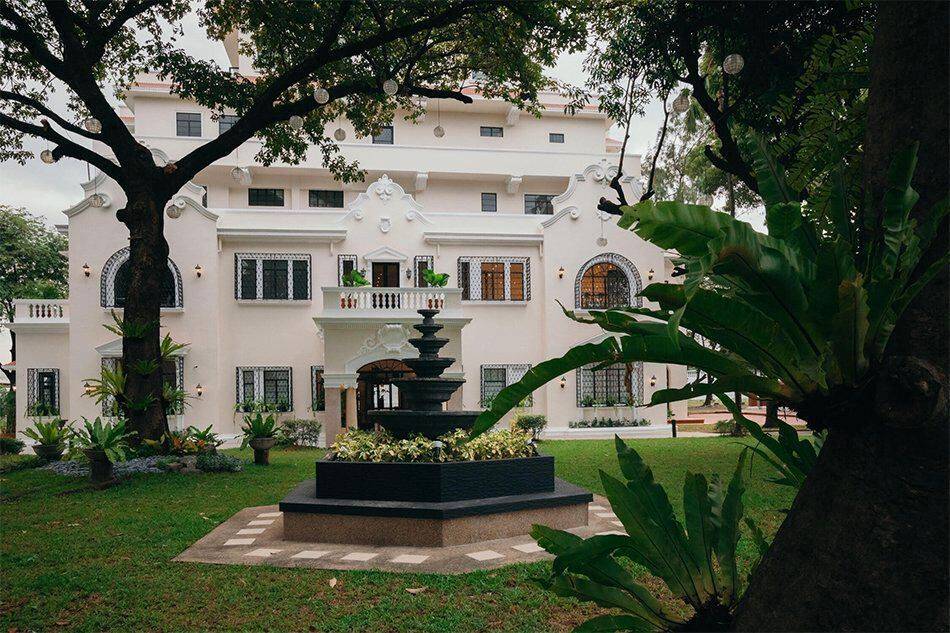
Palacio de Memoria
Parañaque City
The Palacio de Memoria in Parañaque City was originally a residential mansion built in the 1930s.
According to accounts passed down through the years, Antonio Melian y Pavia, the third Count of Peracamps, built the house for his bride, Margarita Zóbel de Ayala. It survived the war and later became the ancestral home of Dr. Francisco Villaroman, a physician. Over time, five more floors were added to the original two-story structure, which included a clinic, a morgue, and a therapeutic pool.
Today, the Lhuillier family owns the Palacio de Memoria, an arts and events center, featuring an auction area, venues for rent, a bar, restaurant, café, and retail shops. An ecclesiastical museum is also planned for the site.
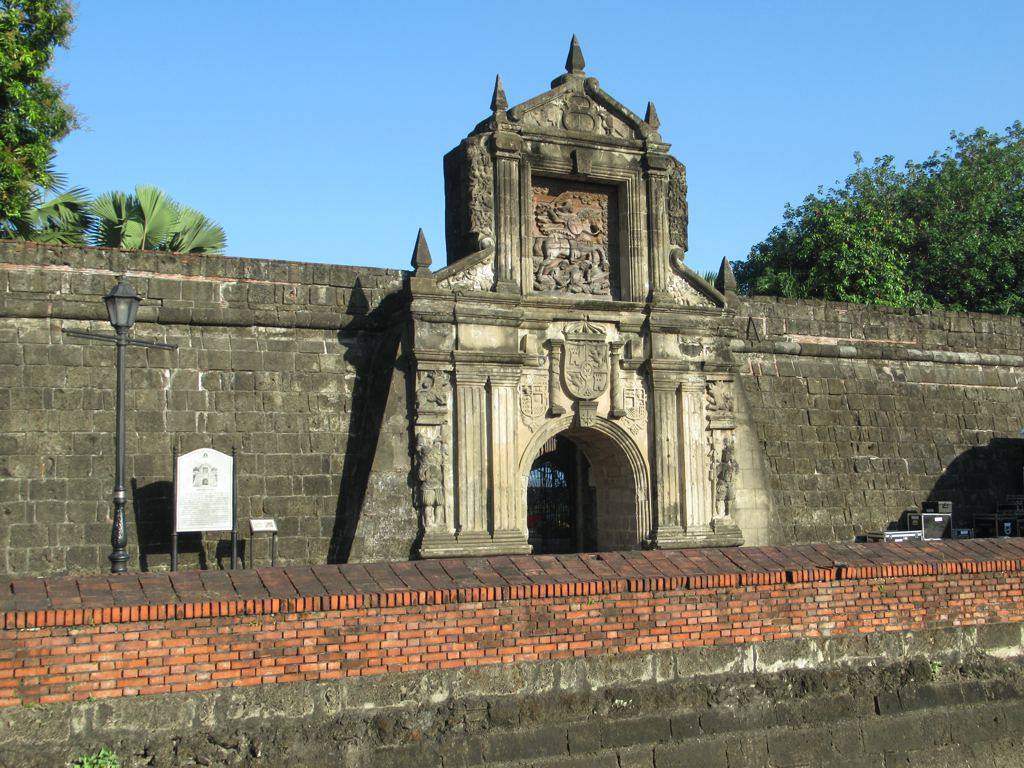
Fort Santiago
Manila
One of the oldest structures on this list, Fort Santiago was built in 1571 by Spanish conquistadors. It was originally conceived as a fortification to protect the colonizers, but over time, it was also used as a prison and military depot. After World War II (WWII), Fort Santiago was declared a Shrine of Freedom and was gradually restored.
Today, the historical fort primarily caters to visitors, with refreshment areas, souvenir shops, an audio-visual chamber, and an information center. The American Barracks, which were retrofitted in recent years, now serve as an open-air exhibition space.
A museum aptly named Museo ni Rizal houses the prison cell where our national hero was held for 56 days. Other notable attractions here include a LEGO Education Center, an open air theater, and a mass grave memorial site.
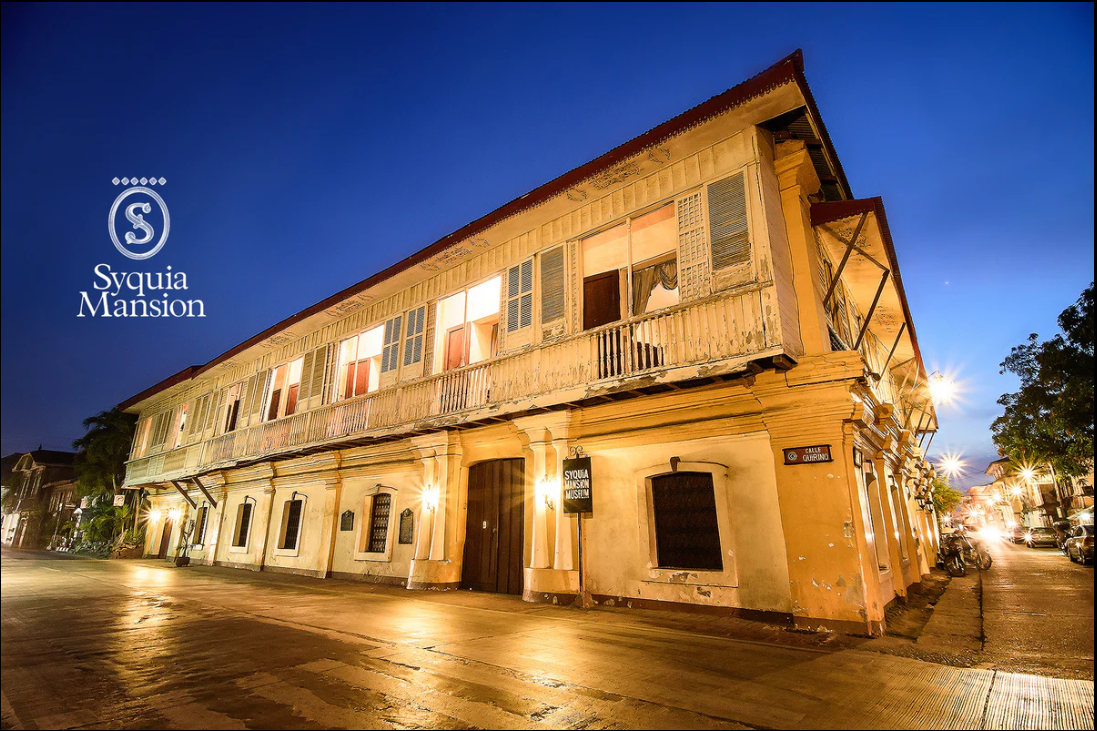
Syquia Mansion
Vigan, Ilocos Sur
Declared a heritage house in 2002 by the National Historical Institute (NHI), the Syquia Mansion stands on the corner of Quirino Boulevard and Salcedo Street. It is the ancestral house of a Filipino-Chinese family but is famous for once serving as the home of former President Elpidio Quirino.
The mansion now serves as a museum of personal artifacts and Filipino architectural pieces.
The home exemplifies 19th century luxury featuring a maid’s hallway, presidential carriage, and carved wooden furniture. It also serves as a shop for famous Vigan products such as bagnet, longanisa, and trambia blankets. It is a definite must-see whenever you’re in town.
Museo de Intramuros
Manila
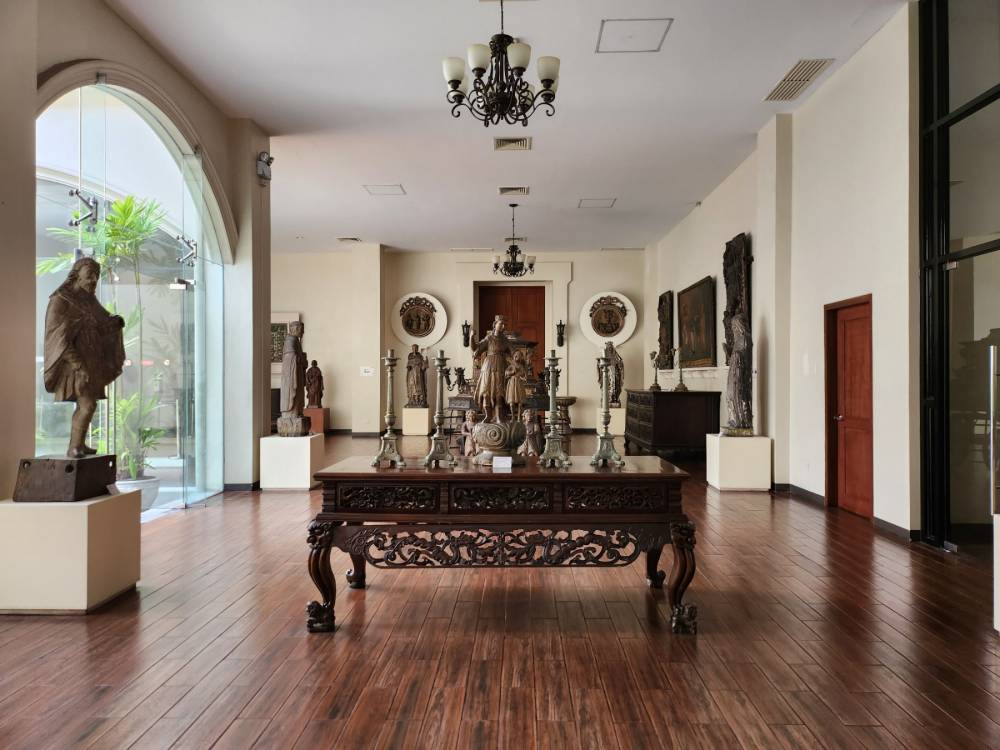
Just a stone’s throw away from Fort Santiago is the Museo de Intramuros, which features ecclesiastical artifacts. It was reconstructed from two religious structures: the San Ignacio Church and the Mission House of the Society of Jesus.
The San Ignacio Church, in particular, was known as the “Jewel of Intramuros” in its heyday in the late 19th century. This church was completed in 1889 through the collaboration of some of the greatest artists of the period–Don Felix Roxas, Isabelo Tampinco, Agustin Saez, Manuel Flores, Francisco Rodoreda, and Hilario Sunico.
Unfortunately, the original structure was destroyed during WWII. Its remains were later converted into a commercial office building. Gradually, the building was restored through the efforts of the government and the Intramuros Administration.
Today, the structure, along with the mission house, serves as a public museum where visitors can view some of the most intricate wood carvings and statues created for the glory of God.
UP Manila Museum of A History of Ideas
Manila
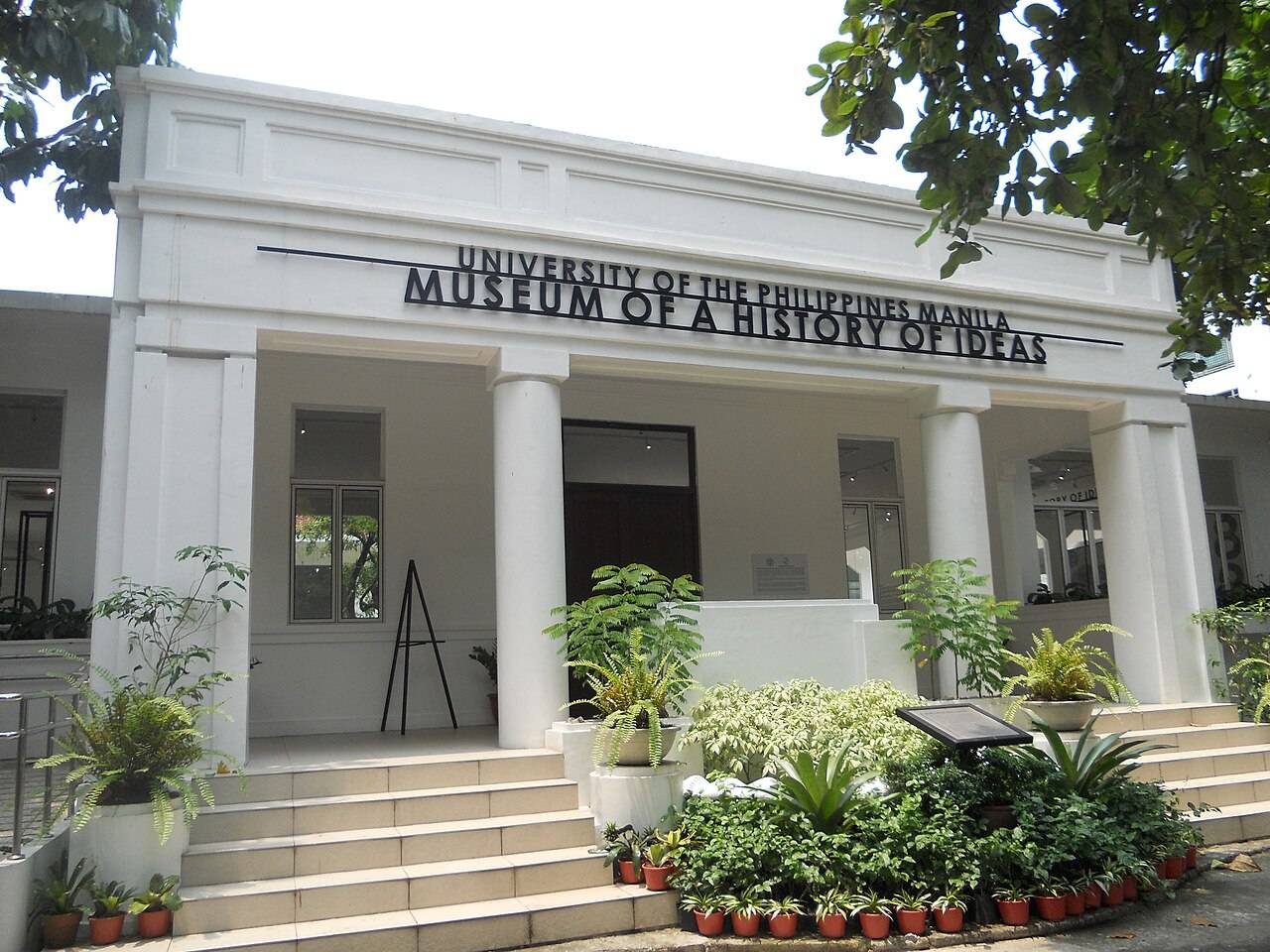
Originally the University of the Philippines (UP) Manila University Infirmary, the Museum of A History of Ideas (UP-MHI) was built on a key part of the UP campus. Its neoclassical building was constructed in 1931 and served as the UP College of Dentistry until 2022.
The building is considered a heritage piece of architecture nearing its centennial, and has been carefully restored to house the museum, which showcases ideas and concepts that the University has contributed to the nation. It reflects UP’s legacy as a bastion of intellectual thought through artifacts and stories displayed inthe facility.
1919 Grand Cafe
Binondo, Manila
Binondo Chinatown offers a unique cultural experience, especially in Manila’s gastronomy scene. If you want to explore the area’s culture and history in one destination, be sure to drop by1919 Grand Cafe.
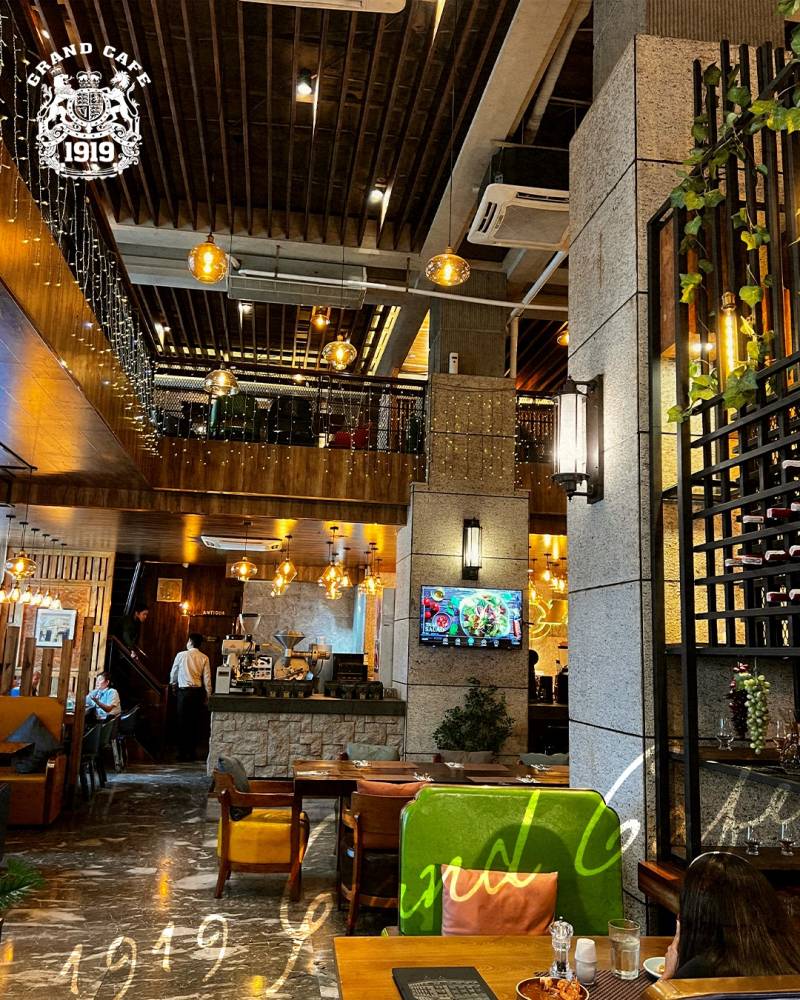
Located along Juan Luna Street in Binondo, the restaurant occupies the former home of banking giant HSBC. It is a great example of successful adaptive reuse, transforming a once-abandoned building into a historical gem in 2018.
Featuring restored elements of the Neoclassical Revival Style, the restaurant evokes scenes from The Great Gatsby, the 1925 novel by F. Scott Fitzgerald. It also features photos of Old Manila and furniture by local artisans. This place deserves a spot on your must-visit list in Binondo as it lets you indulge in international cuisine and historical architecture in one enjoyable experience.
Casa Gorordo Museum
Cebu
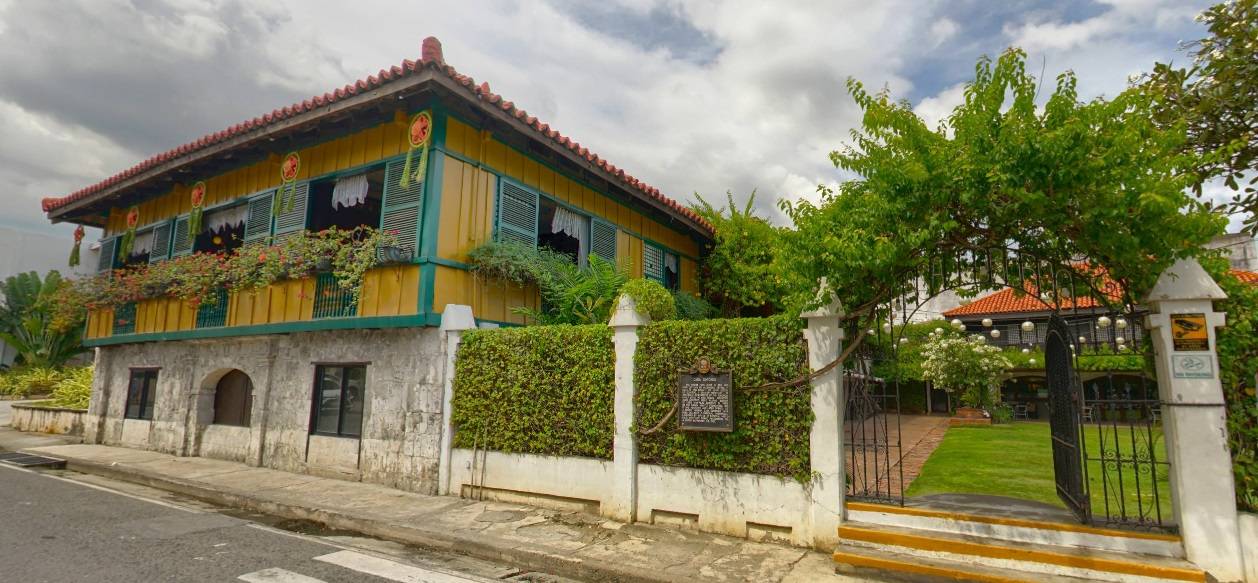
Successfully combining digital interactivity and classic artifacts, Casa Gorordo Museum in Cebu exemplifies a structure that marries the old with the new.
The building was originally a residence occupied by the Gorordo family since the 1850s. The house is a prime example of a balay nga tisa or a tiled-roof home, reflecting Colonial-style architecture. It is situated in the Parian area of Cebu, a neighborhood first settled by Chinese immigrants. The Gorordo family later sold the house to the Ramon Aboitiz Foundation Inc., which restored the structure and opened it as a public museum in 1983.
Recognized by the NHCP in 1991 as a National Historical Landmark, the museum hosts craft lessons, cultural activities, and school-based tours. It also showcases Cebuano culture through live reenactments, detailed displays, and digital presentations.
Blackbird at the Nielson Tower
Makati City
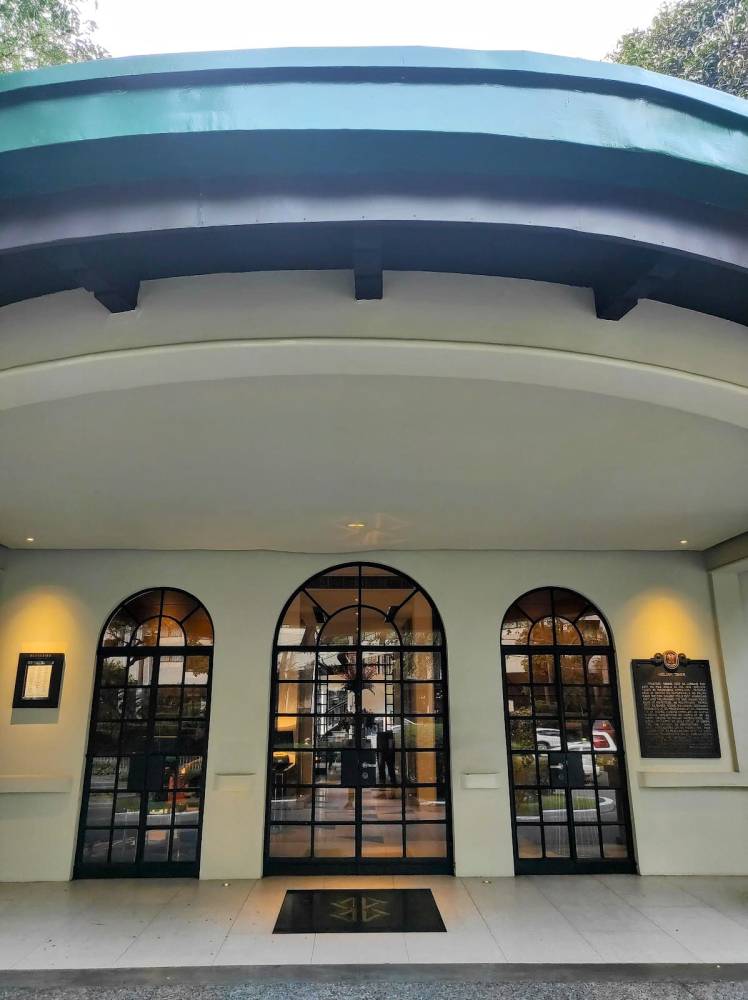
One of the more unique buildings on this list is the Nielson Tower, the Philippines’ first commercial airport. Built in 1937 by aviation enthusiast and businessman Laurie Reuben Nielson, the airport was then considered the best equipped in Asia.
During WWII, the Japanese bombed the airport. It was restored by Philippine Airlines after the war and continued operations until 1948. While much of the airport was demolished and replaced by Makati’s commercial buildings, the passenger terminal and control tower were preserved.
The tower eventually became home to Blackbird Restaurant, an upscale dining destination that incorporates existing airport elements. The check-in area became a bar and lounge; the passenger terminal became a grill room; and an outdoor bar and dining area replaced the tarmac. Despite the changes, the original Art Deco features remain, showcasing one of the most innovative transformations of a defunct airport.
Mansion de Bacolod
Bacolod City
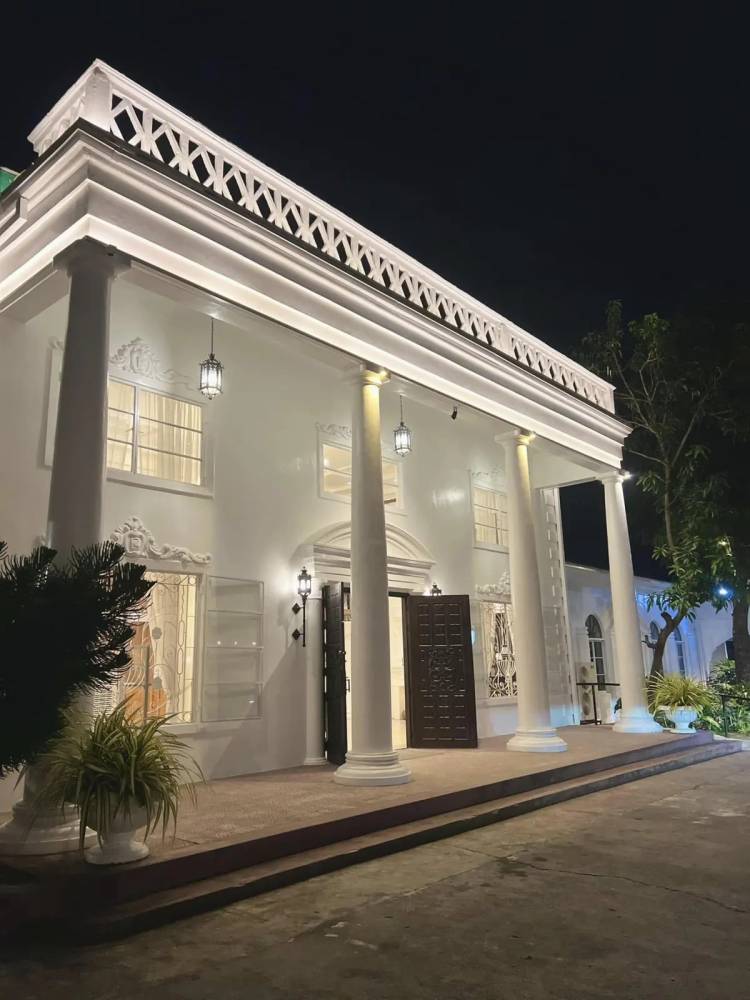
Conveniently located next to Lupit Church, Mansion de Bacolod is a great venue for memorable occasions like weddings and baptisms. It occupies a 2,080-sqm property and was built in 1950 by Don Antonio Montilla Esteban, a sugar baron. Then known as the Esteban Mansion, the property includes a guesthouse once occupied by former President Diosdado Macapagal during his 1961 bid for national office.
After the original owners passed away, the house was placed under the care of the Diocese of Bacolod and served as the center of the St. Pope John Paul II Pontifical Theological Institute for Marriage and Family Sciences. It was restored in 2024 to its original glory by the Esteban heirs and has since been renamed Mansion de Bacolod.
With its rich history and exceptional architecture, this venue offers an unforgettable Negrense experience.
Balai Oboza
Davao
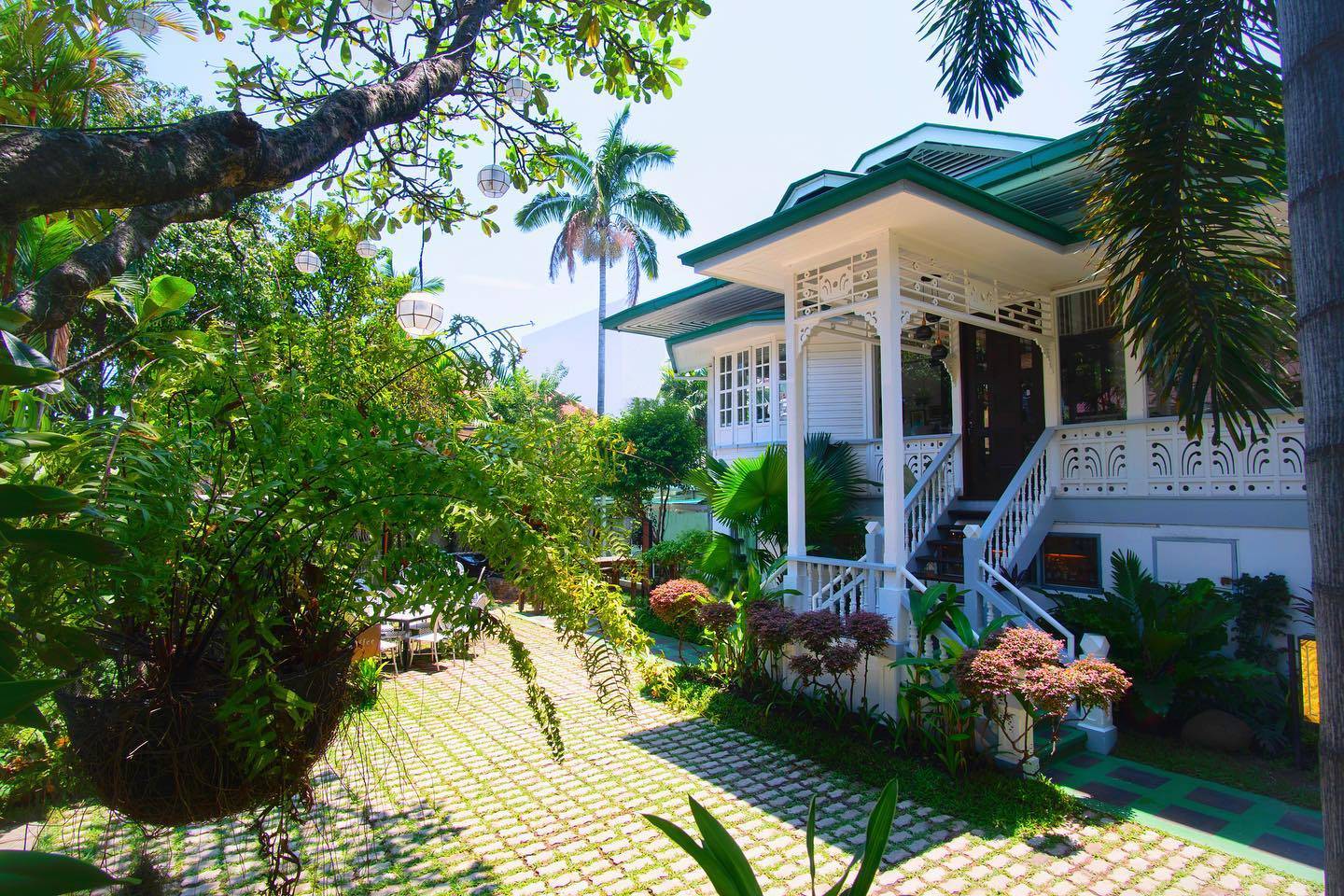
Built in 1929, the Oboza House in Davao City was conceptualized by the city’s first mayor, Alfonso Gallardo Oboza, together with Ar. Ulpiano Bonifacio and contractor Oye Tokumatsu.
Various kinds of Philippine hardwood were used in its construction: Ipil for the posts, Yakal and Guijo for the floor joists, Apitong for the trusses, and Yakal for the stairs. The house features elements of the Swiss chalet and the Japanese irimoya roof. Combined with Art Deco and Art Nouveau details, it became a unique landmark in the South.
The heirs were encouraged to lease it to restaurateurs. Today, it is home to Tola–a Filipino restaurant using locally sourced ingredients. Retaining most of its original features, Balai Oboza has managed to adapt to the times while still exuding its original character for all to appreciate.
The National Museum of Natural History
Manila
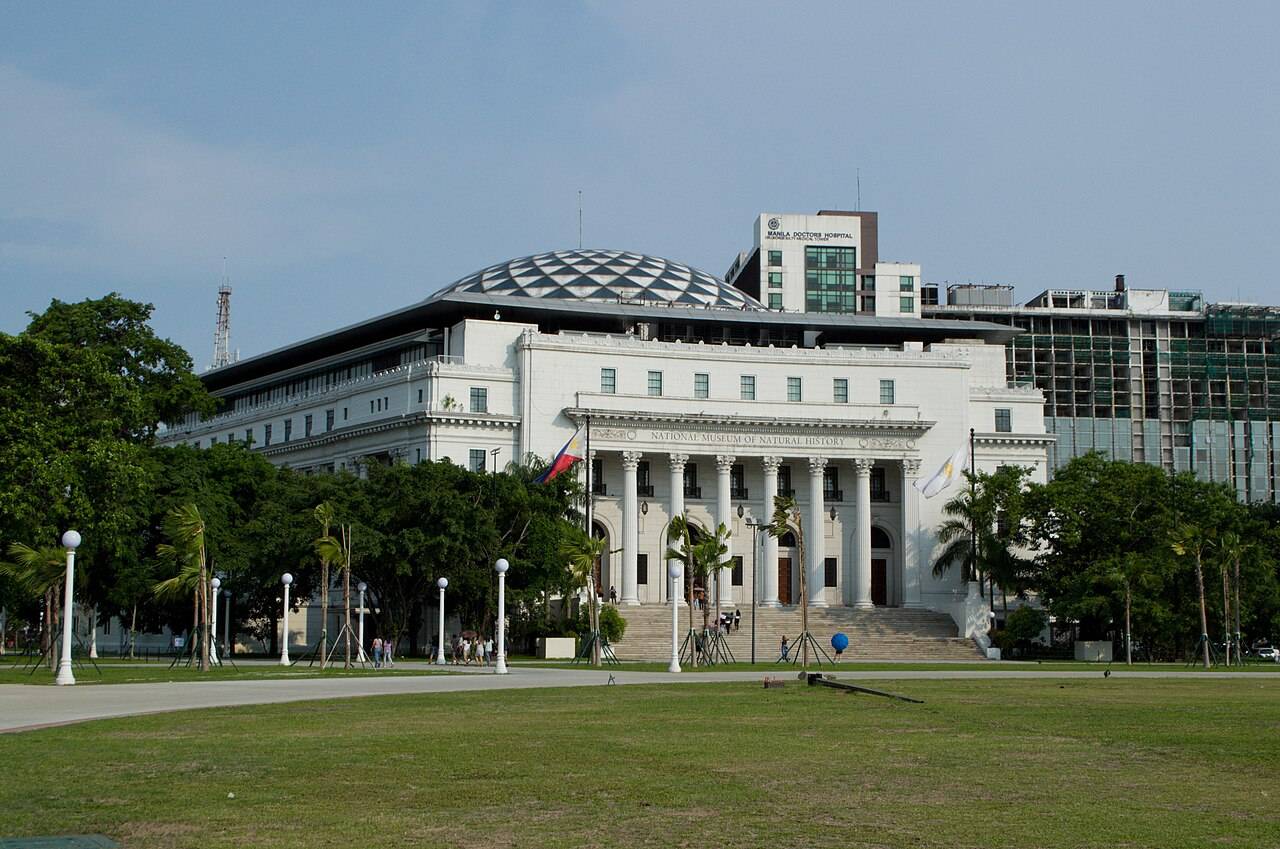
One of the most recognizable and more recent examples of adaptive reuse in the country is the National Museum of Natural History, built from the former Department of Tourism building.
As part of an invitation-only competition, Ar. Dominic Galicia and IDr. Tina Periquet conceived its design. Drawing inspiration from the neoclassical landmark, the designers studied the museum’s collection and came up with “DNA” as the winning concept.
They then developed “The Tree of Life” as the museum’s centerpiece—a glass and metal “umbrella” that covers the courtyard and creates a dynamic play of light and shadow. Sculptural yet functional, the Tree of Life unites the original building with its modern additions. It honors the intentions of the original architect, Antonio Toledo, while allowing new interpretations to integrate seamlessly into the building fabric.
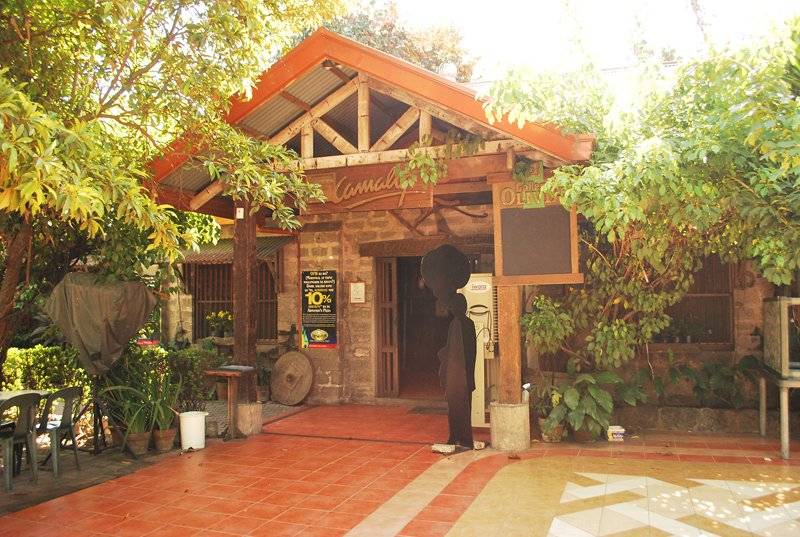
Camalig Restaurant
Angeles, Pampanga
A restaurant famous for its unique dishes and setting, the Camalig Restaurant is exactly what its name suggests: a rice granary. Don Ciriaco de Miranda, the town’s first mayor, built the original structure in 1840. While a few improvements were made, it still reflects the stone walls, solid wood posts, and old photos reminiscent of the 19th century.

The structure also incorporates modern touches like Wi-Fi, unique wood sculptures, and steel chairs. Despite these additions, the restaurant still functions like a museum, featuring artifacts that would fascinate any history buff or antiques enthusiast. Drop by to try their famous “Armando’s Pizza” or to discover the stories this humble granary shares through its walls.
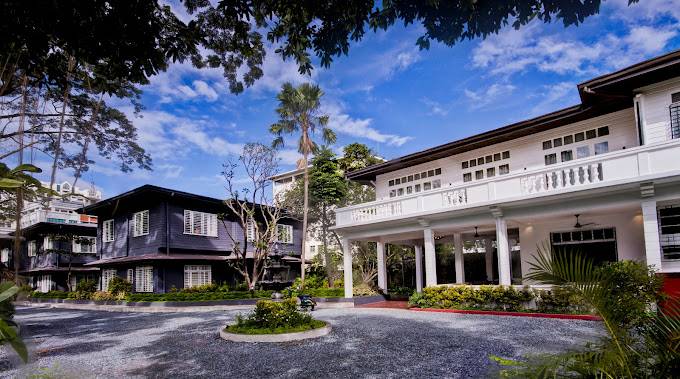
Henry Hotel Manila
Pasay
Henry Hotel Manila is an oasis in the bustling city of Pasay. The property is a lush, four-star hotel offering premium amenities with a cozy, domestic vibe.
Built in 1948, the structure was originally conceived as a residential mansion in the wake of WWII. Beyond the main house, the estate includes several family homes. Most rooms feature high ceilings and large windows to promote natural daylight and ventilation. The garden, designed by National Artist for Landscape Architecture Ildefonso P. Santos, creates a peaceful, secluded environment unexpected in the middle of Pasay.
Developed as a boutique hotel by Hanky Lee, co-founder of Yellow Cab Pizza, the goal was to create an experience that blends old school charm with modern comforts.
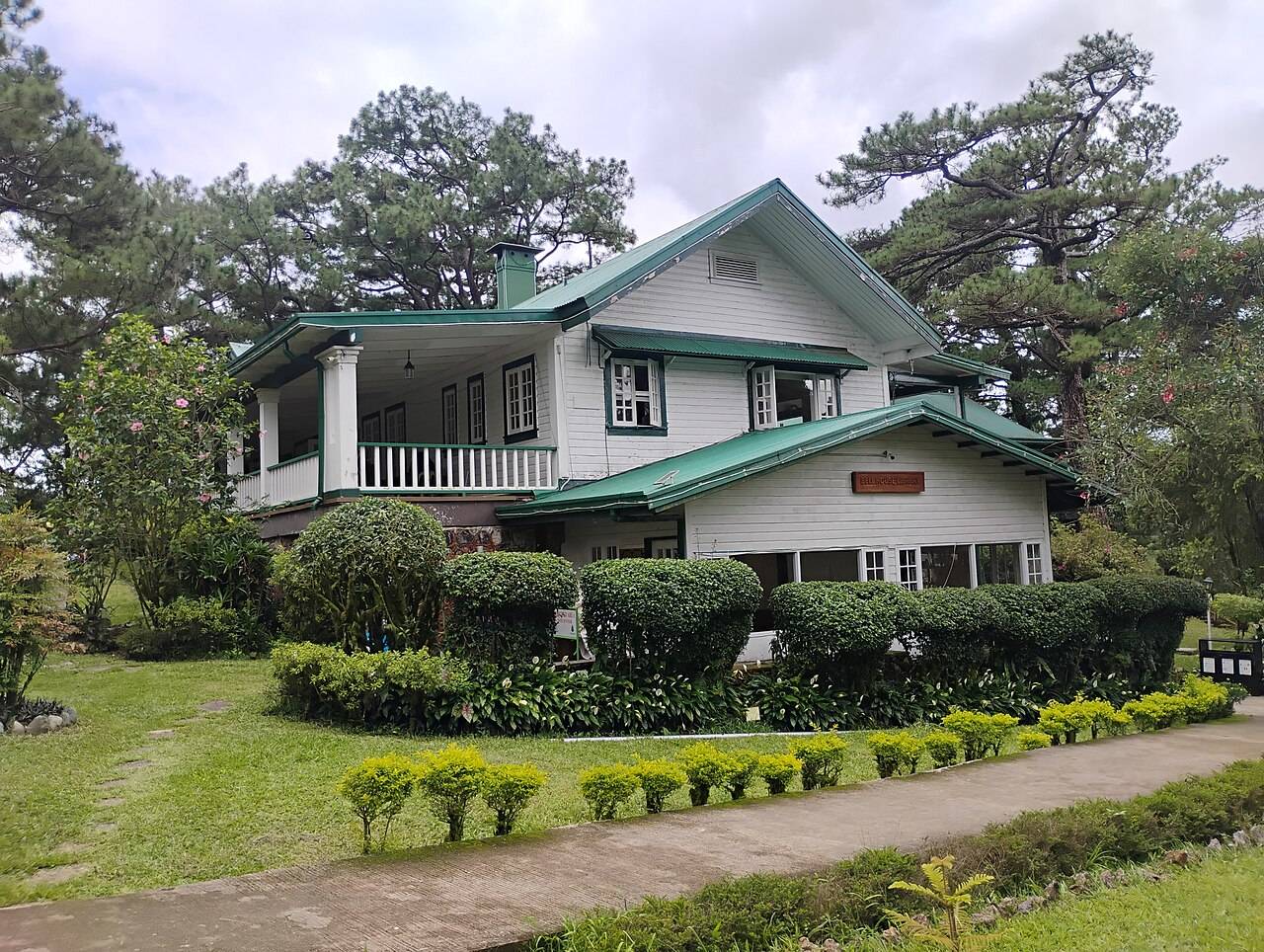
Bell House
Baguio City
Located inside Camp John Hay, the Bell House once served as the vacation home of the Commanding General of the Philippines during the American colonial period. It is named after Gen. J. Franklin Bell, a pivotal figure in transforming Camp John Hay into a resort for military personnel.
Today, the Bell House functions as a museum featuring lush gardens, American Colonial architecture, and military artifacts. The house brings visitors back to the 1930s with its original furniture, stately walls, and solid wood flooring. Outside, guests can spend time at the Bell Amphitheater, Secret Garden, or the Butterfly Sanctuary, all located within the camp.
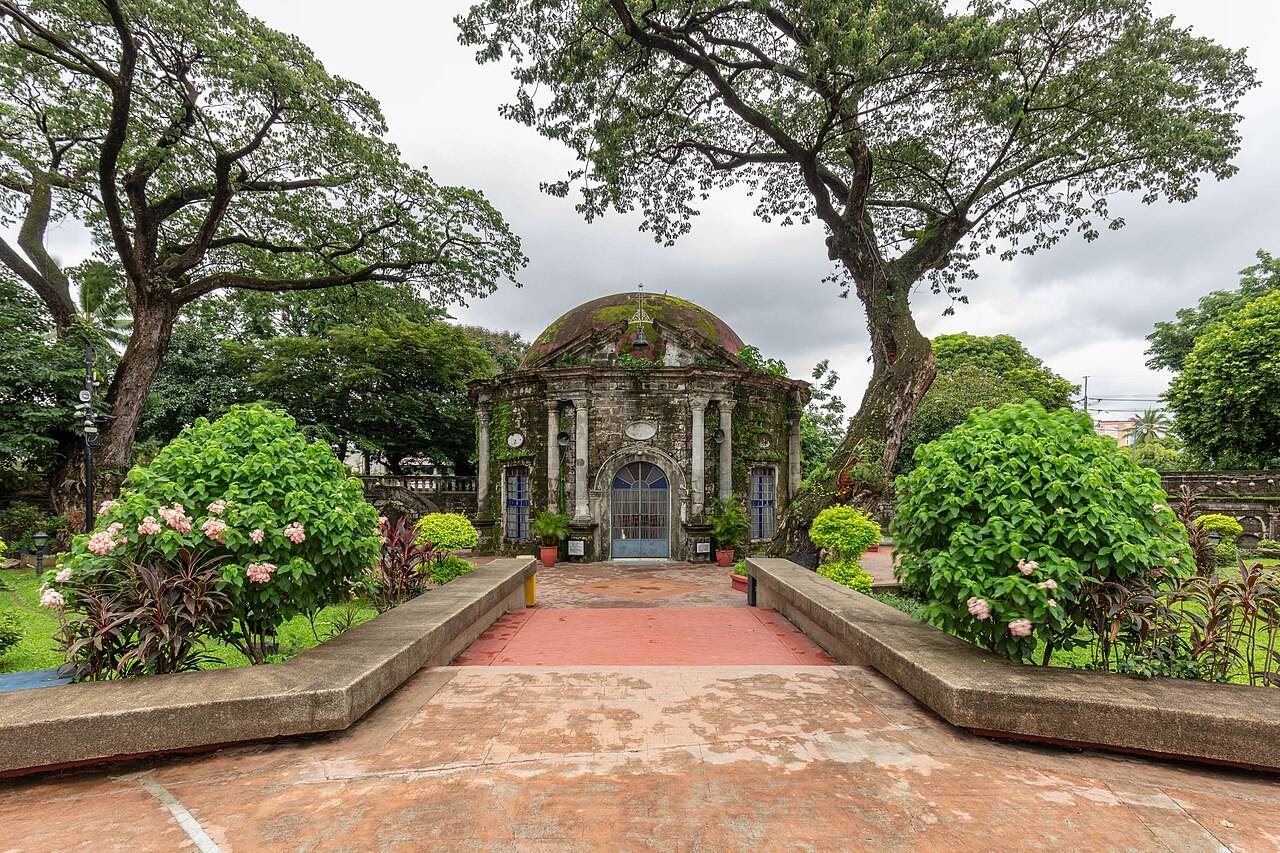
Paco Park
Manila
While this outdoor venue features minimal built structures, it’s still worth mentioning when discussing adaptive reuse projects in the Philippines.
Built in 1807, Paco Park was originally designed as a cemetery for the wealthy. Marble crypt markers bearing prestigious family names of long ago can still be seen today.
The park’s most famous names, however, lie not in its proud walls but in humble common graves. Three Roman Catholic priests—Mariano Gomez, Jose Burgos, and Jacinto Zamora—martyred during the Cavite Mutiny of 1872, rest here. Dr. Jose Rizal, the country’s national hero, was also interred here until his remains were transferred to Luneta Park in 1912.
Several high-ranking officials from the Spanish and U.S. governments are likewise buried here, their names forever part of our country’s colorful history. Today, the cemetery is recognized as a recreational park where weddings, concerts, and other cultural activities are held beside the immortalized tombs of long ago.
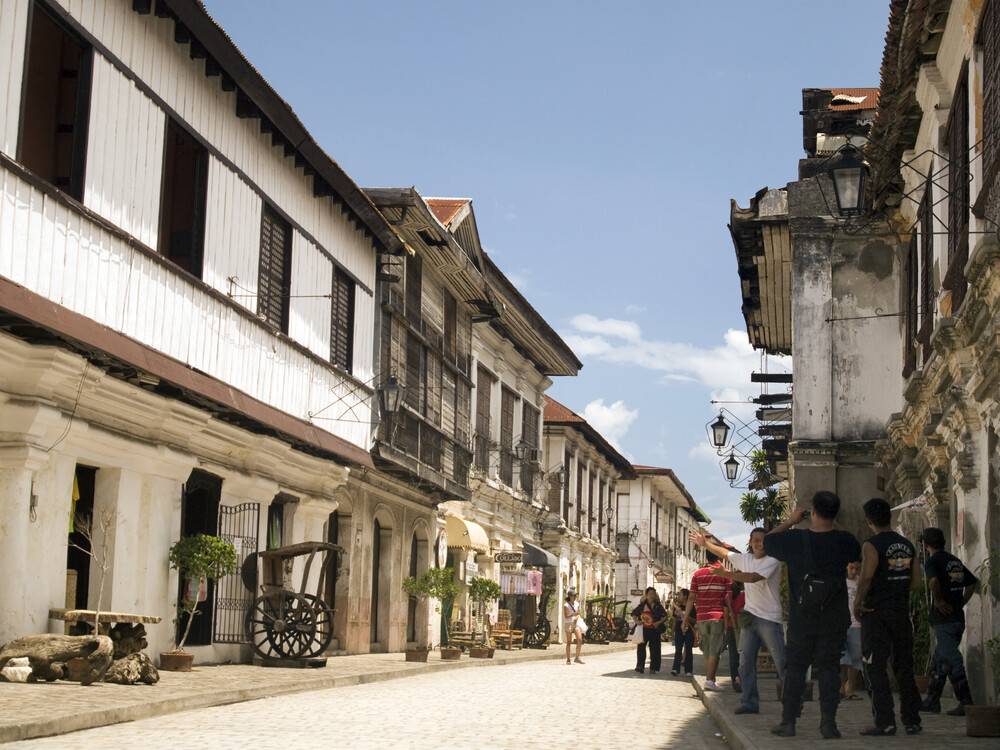
The City of Vigan
Ilocos Sur
Perhaps the largest space on this list is the City of Vigan, called by Unesco as the “best preserved example of a planned Spanish colonial town in Asia.” The city is a favorite study subject of architecture and urban planning students, as it features the grid street pattern common in 19th-century Spanish-ruled towns.
Houses in Vigan are primarily built of brick and wood, reflecting Chinese influences adapted to the Filipino climate through capiz windows and ventanillas. The town consists of 233 historic buildings scattered over 25 streets. A visit instantly transports you to the Spanish colonial period with its cobblestone streets, antique furniture, and commercial shops.
While modern materials have been introduced to repair aging houses, conservation practices are gradually developing in the area. More traditional building methods are being implemented to ensure Vigan’s authenticity as a heritage site is preserved well into the future.
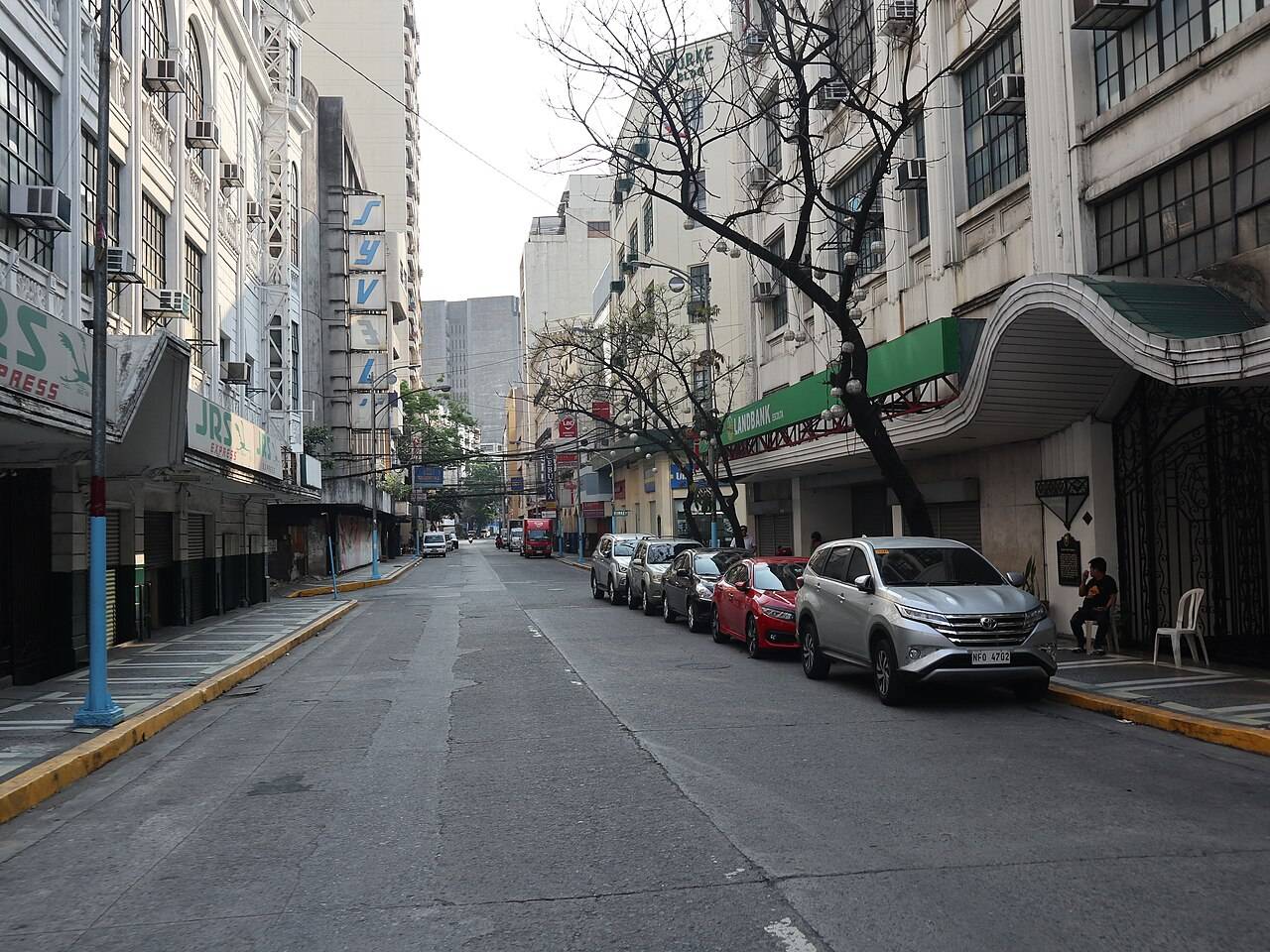
Escolta Street
Manila
Another heritage area spanning a couple of blocks is the street of Escolta in Manila—once called the “Queen of Manila’s Streets” during the American period. It was considered a hub of business, fashion, and entertainment.
Located near Binondo, the Pasig River banks, and Intramuros, this street showcases some of the most iconic architectural structures of the Art Deco and Beaux Arts movements. It is also home to the country’s first elevator, first cinema, and first ice cream parlor. Some heritage buildings that remain in the area are the Calvo Building, Natividad Building, and Regina (formerly Roxas) Building.
Nowadays, pop-up shops, live performances, and art displays are held in the area. The younger generation is gradually enlivening the heritage district as they introduce grassroots initiatives and modern culture into a place full of old soul.
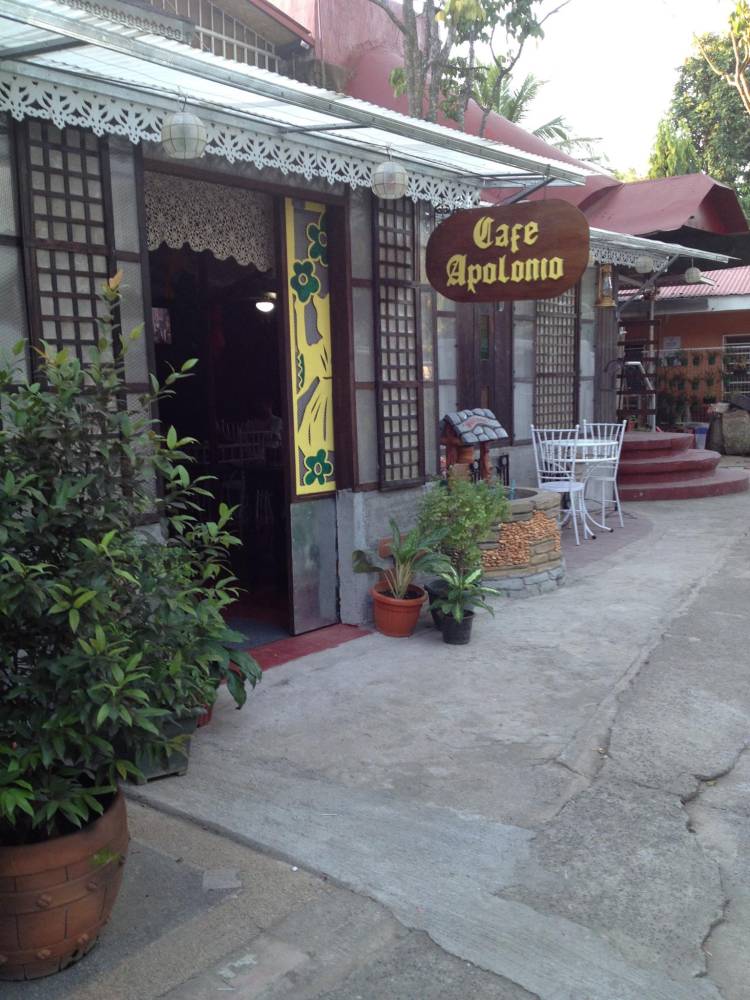
Cafe Apolonio and Restaurant
Bustos, Bulacan
A gastronomic destination beloved by both tourists and locals, Cafe Apolonio and Restaurant is praised for its service and rich history.
Built in 1858, the structure is a bahay na bato with much of its antique furniture and vintage pieces still intact. It was named after Apolonio Perez, the grandfather of the fourth generation of the Perez clan who owns the home. Its arco, in particular, is said to be inspired by the tunnel of Fort Santiago in Manila.
A must-visit in Bustos, Bulacan, it serves local fare in a warm, heritage setting that recalls the Spanish colonial period in the Philippines.
When the old regenerates into something new
To ensure more of our heritage structures survive for future generations, we must share the stories behind them. Museums convey these stories through visual displays, but word of mouth is also a powerful way to spread sentiments and historical facts.
Beyond money and practicality, heritage preservation should be more widely embraced, as buildings serve as tangible testaments to history. Our nation’s culture, ideology, and belief systems are shaped by the experiences of our people.
These experiences live on in the enduring remnants of history—buildings, homes, and structures that remind us how far we have come and how far we still have to go.
Sources: https://www.bpi.com.ph; https://citysearchphilippines.com; https://www.palaciodememoria.com; https://intramuros.gov.ph/fs/; https://syquiamansion.com; Museo de Intramuros; https://www.upm.edu.ph; https://primer.com.ph; https://www.casagorordomuseum.org; https://www.blackbird.com.ph; https://mansiondebacolod.info/about-us; https://bluprint-onemega.com; https://bluprint-onemega.com; https://www.escapemanila.com; https://manila.thehenryhotel.com; https://baguio.ph; https://mirror.pia.gov.ph; https://whc.unesco.org/en/list/502; https://wandermanila.com; https://www.facebook.com/CafeApolonioRestaurant/


