

Filipino stories in stone and wood

From haunted halls to heroic monuments, the Philippines is filled with places where stories cling to walls and whispers echo through old wood.
These are revelations in steel, stone, and spirit, each revealing a secret of how the Filipino mind creates beauty from faith, love, and loss.
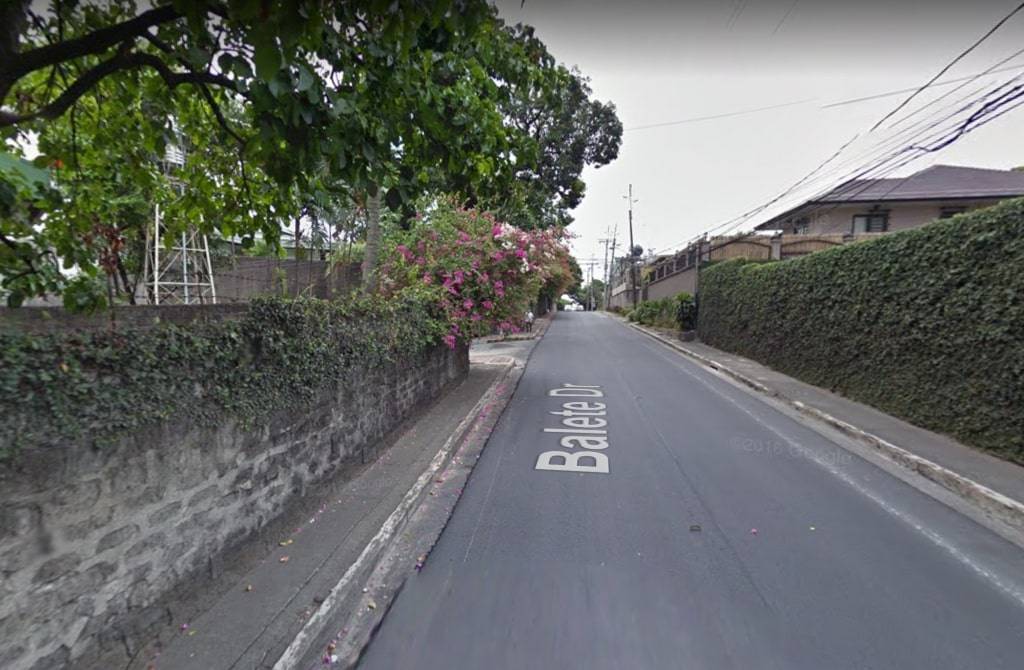
The white lady of Balete Drive
Quezon City
The country’s most famous ghost roams a quiet road near New Manila. Locals say she appears to lone drivers at night, a restless spirit in white searching for justice or peace.
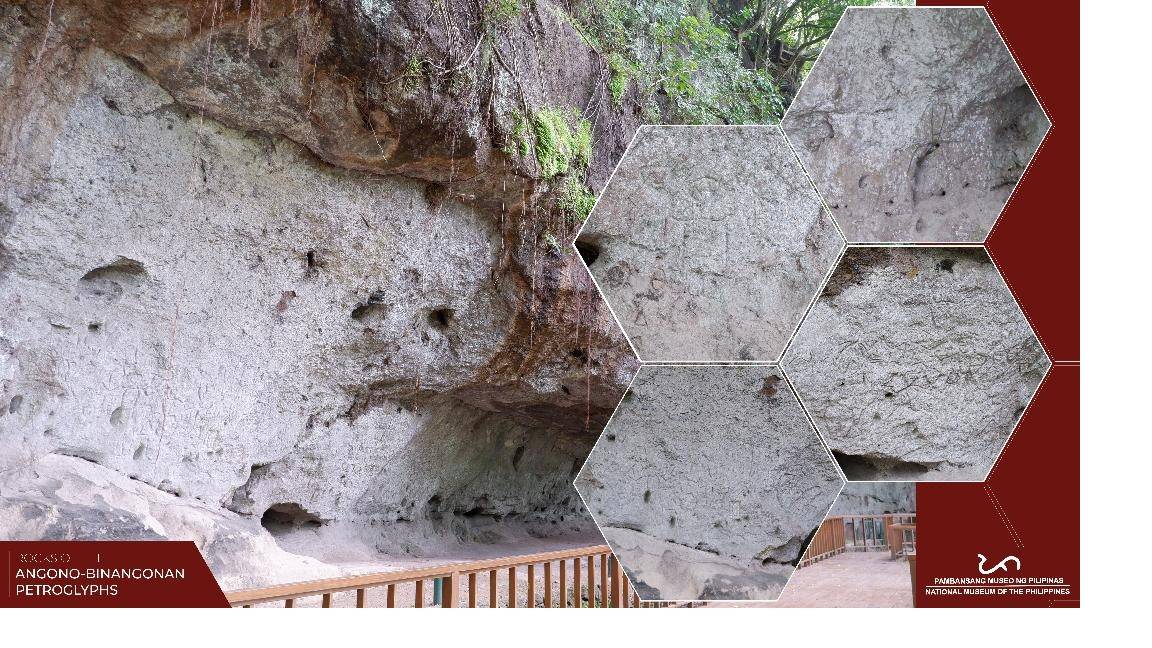
The Angono Petroglyphs
Rizal
These 127 stone carvings are the oldest artworks in the Philippines. Some villagers once believed they had healing powers for the sick. The etchings are thought to mark humanity’s earliest attempt to leave a permanent dream on rock.
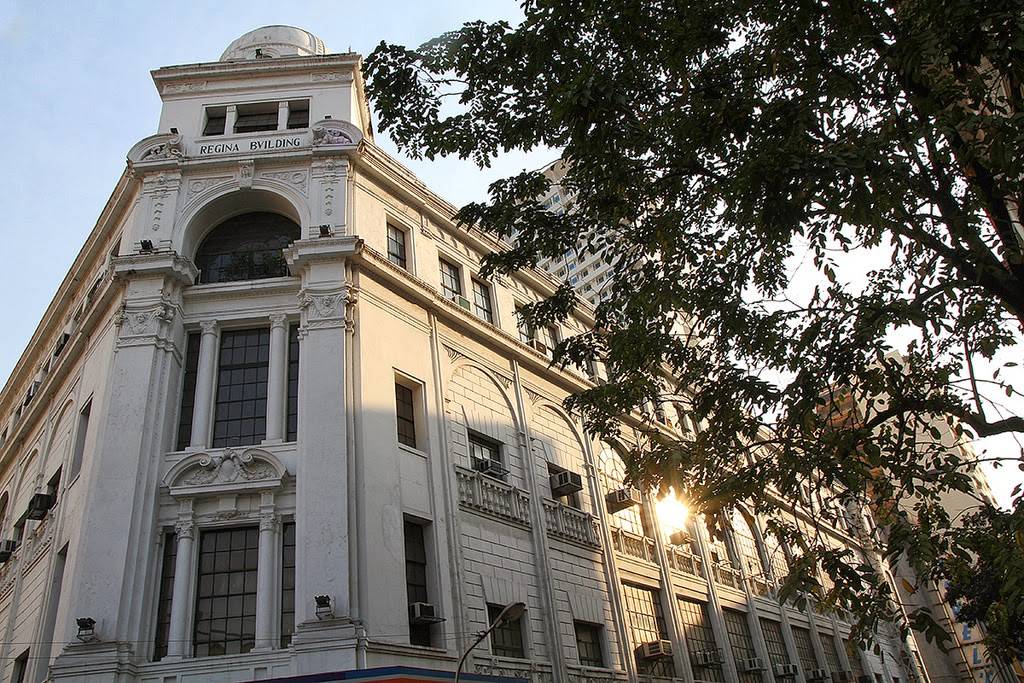
Regina Building
Escolta, Manila
Designed by Andrés Luna de San Pedro in 1915, the building once defined Manila’s financial elite. Look closely at its graceful façade–this was where the city first learned to speak concrete and light.
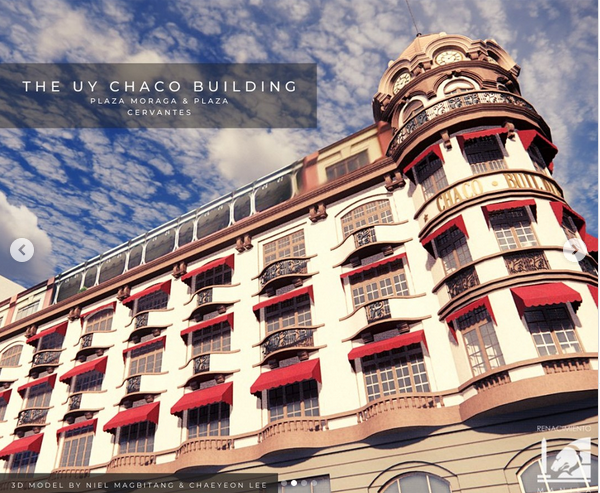
Uy-Chaco Building
Binondo, Manila
Manila’s first skyscraper, built in 1914, carries Art Nouveau flourishes shaped like vines and wings. Some architects whisper it was the city’s flirtation with Paris, a tropical reimagining of European romance.
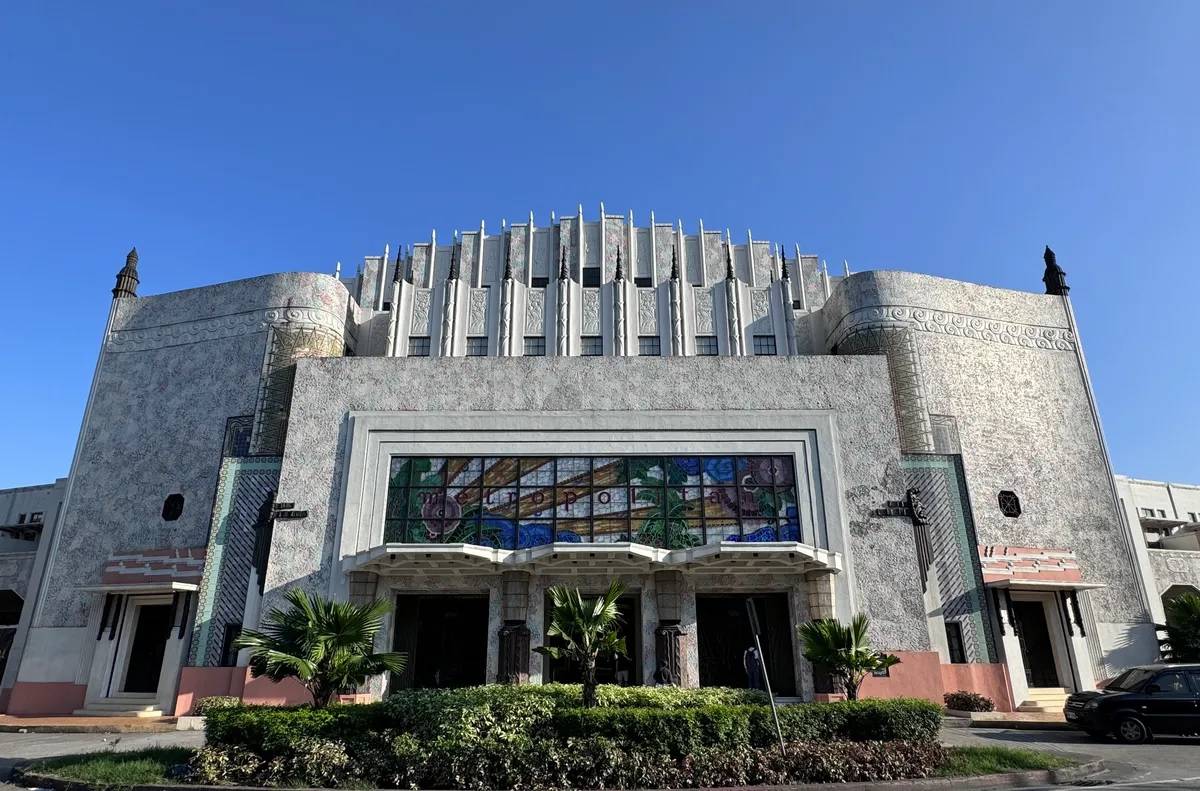
Metropolitan Theater
Ermita, Manila
Juan Arellano’s Art Deco masterpiece gleams with stained glass, tropical fruits, and Philippine flora. Restorers say every tile has been replaced more than once, as if the building were determined to keep its own youth.
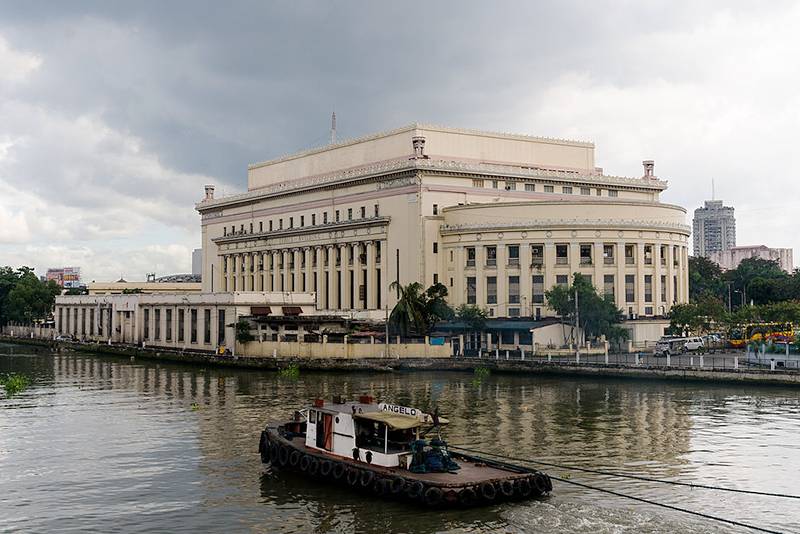
6 Manila Central Post Office
Intramuros, Manila
Love letters and telegrams once flowed through its neoclassical halls. After the 2023 fire, its steel bones stood intact, proof that authentic architecture endures even when its skin burns away.
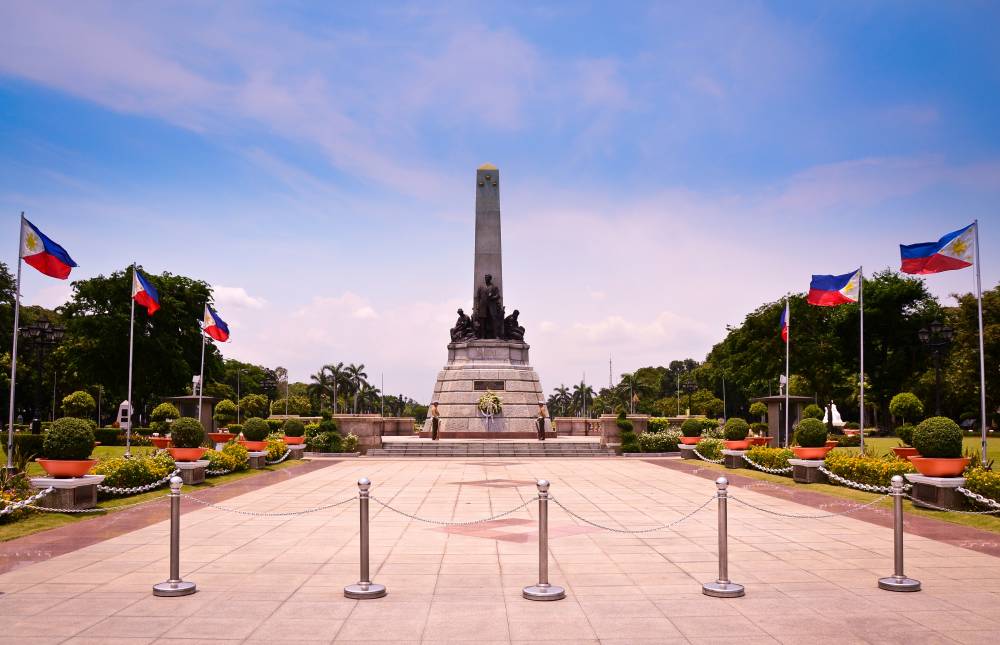
7 The Rizal Monument
Luneta
Chosen from an international contest in 1907, the hero’s bronze figure stands over his tomb. The soldiers guarding it day and night are part of the monument’s living design.
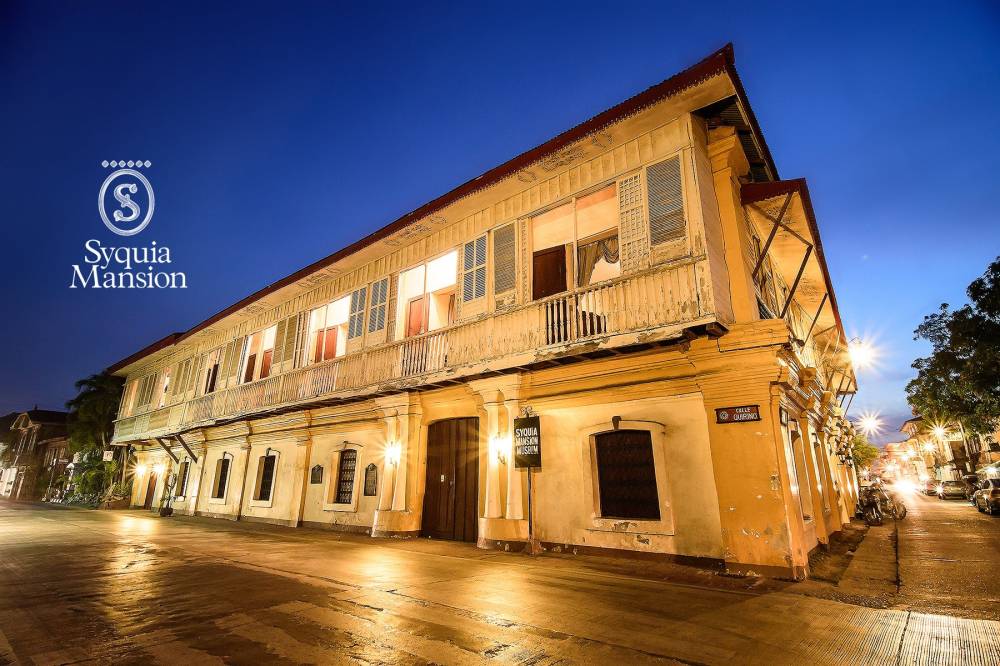
8 Syquia Mansion
Vigan, Ilocos Sur
A house haunted by love: President Elpidio Quirino and his wife Alicia were said to have lived in the mansion in the early years of their marriage. Her letters to him remain in the rooms, where even the silence feels written.
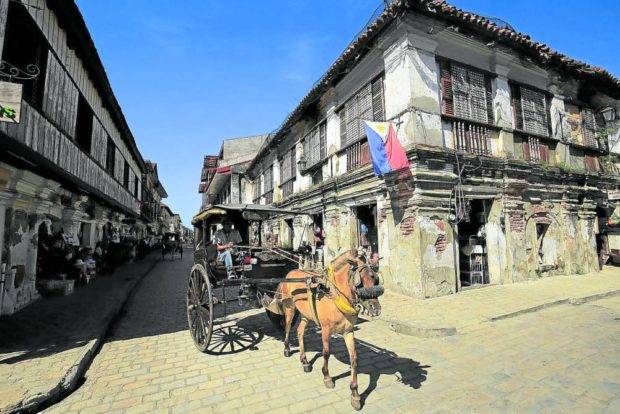
9 Calle Crisologo
Vigan, Ilocos Sur
Gas lamps, cobblestones, and a faint perfume of tobacco and wax: Locals swear that at midnight, the air hums with the footsteps of merchants who never left.
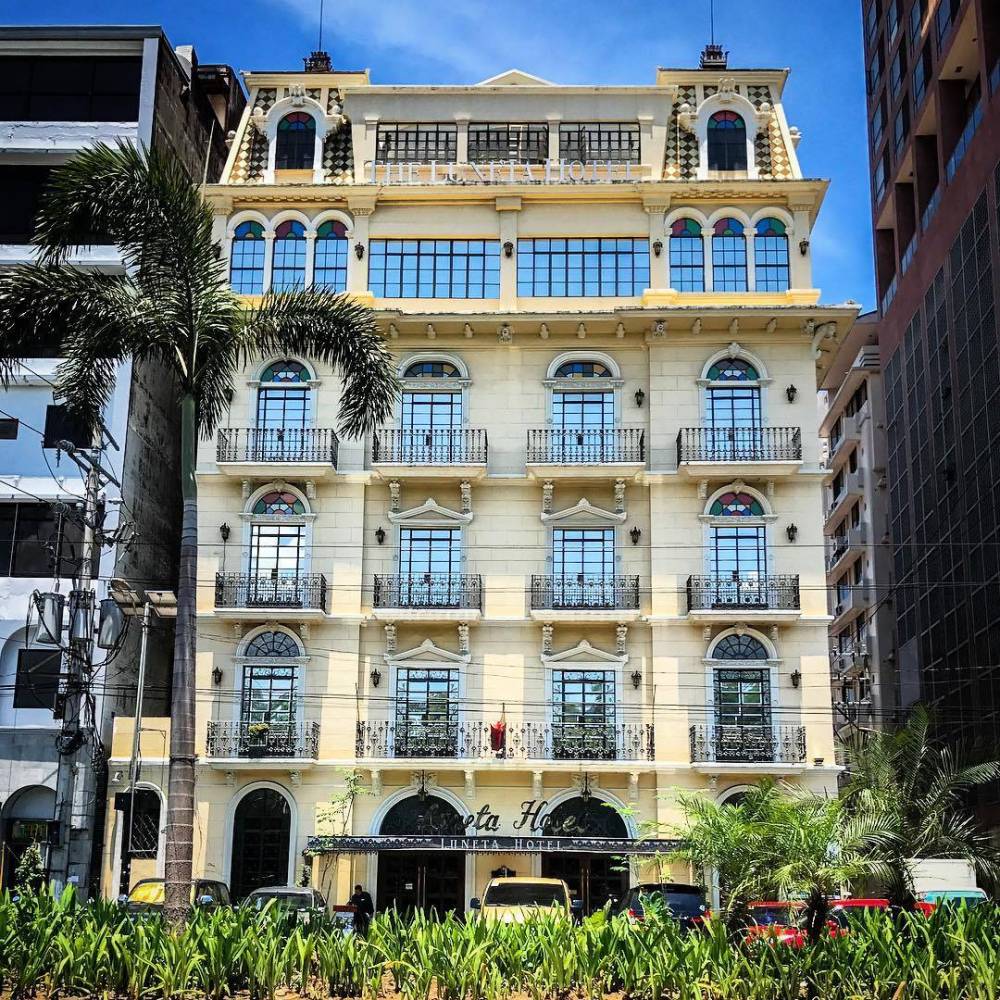
10 Luneta Hotel
Manila
French Renaissance balconies in a tropical city: It survived the war almost untouched, a rare survivor among ruins.
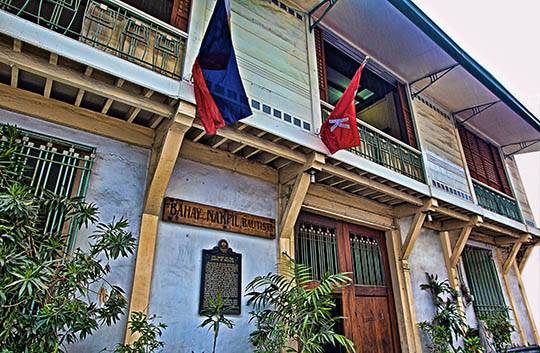
11 Bahay Nakpil-Bautista
Quiapo, Manila
Home to revolutionaries and artists, it once hid the Black Nazarene statue during bombings. Its calado panels still cast revolutionary shadows on the floor.
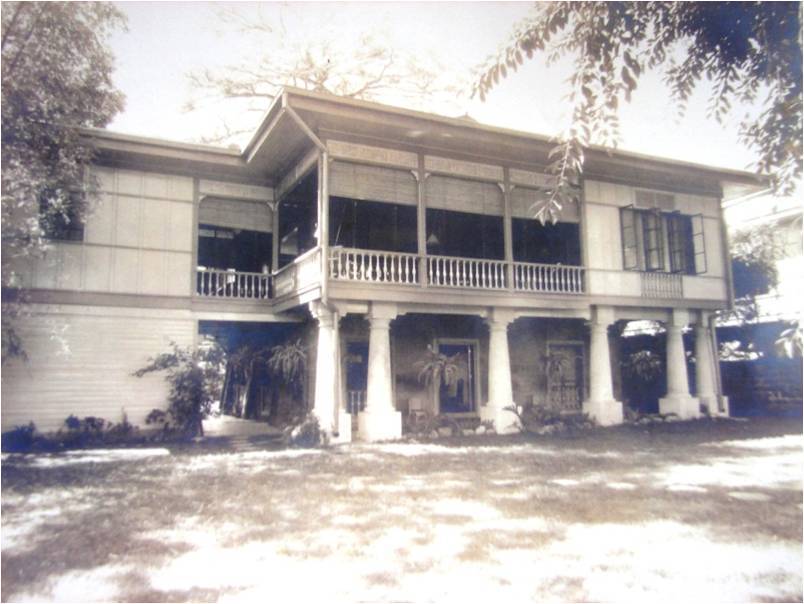
12 Lichauco Heritage House
Santa Ana, Manila
It’s an 1859 gem guarded by a centuries-old balete tree. The owners say the tree hums during typhoons, a duet between wood and wind.
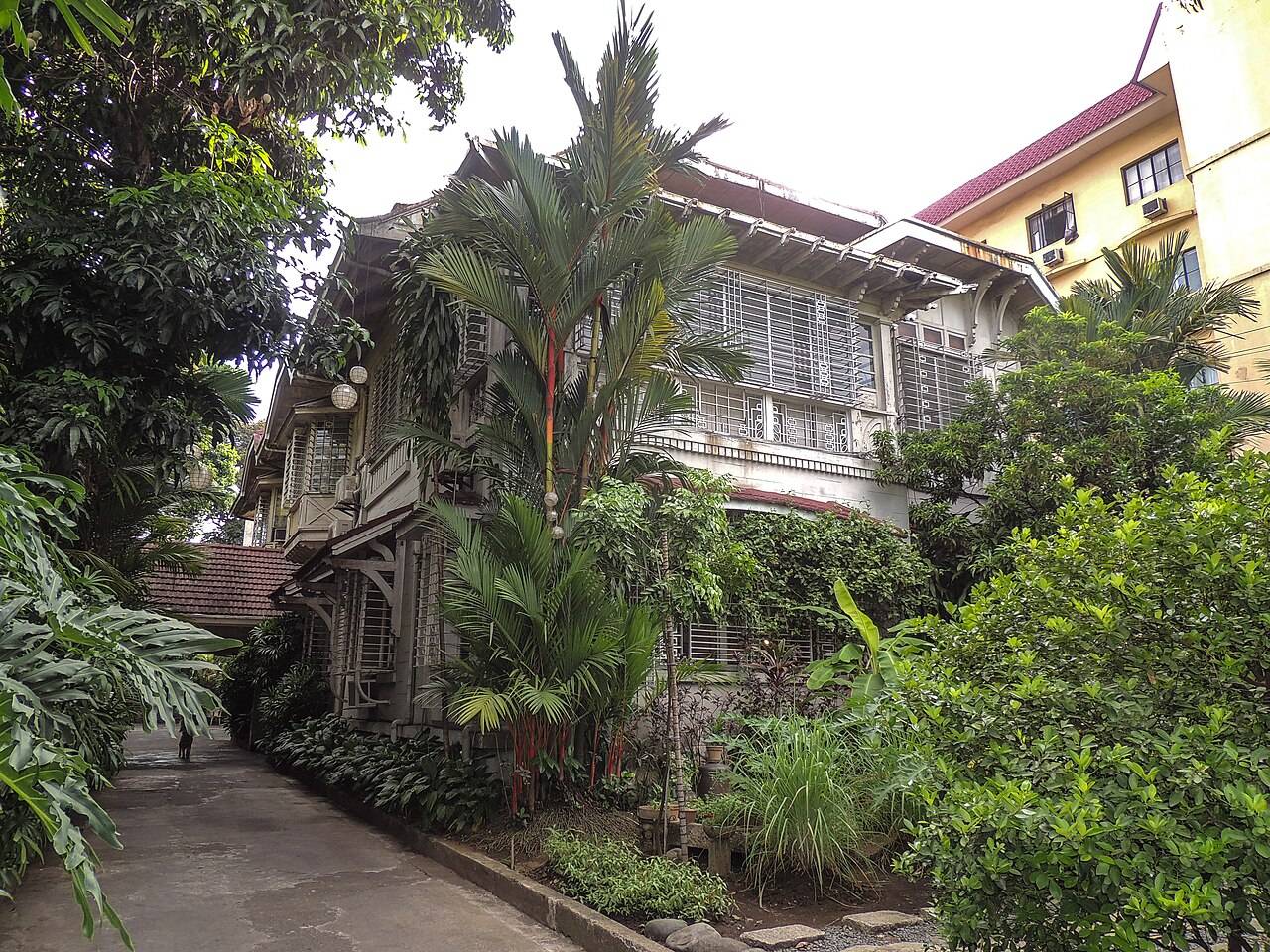
13 Legarda House
San Miguel, Manila
Built in 1937, this Art Deco beauty once hosted senators fresh from war. Its curving staircase was said to be designed for elegant debate, where every descent looked like an entrance.
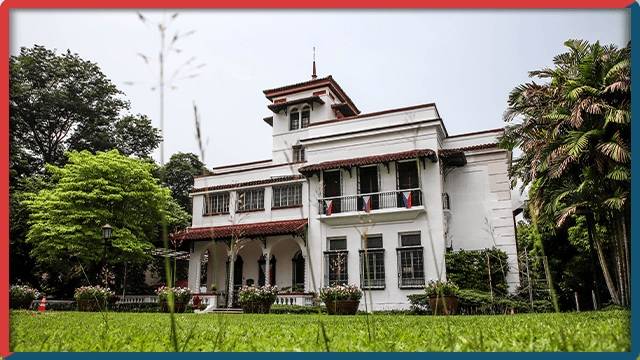
14 Mira-Nila House
Quezon City
Built in 1929 when Cubao was still farmland, the Mira-Nila House’s library holds first-edition books in Spanish and Tagalog, each page scented with humidity and history.
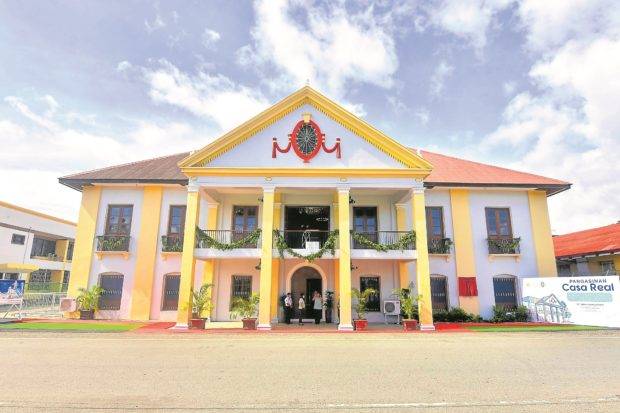
15 Casa Real
Lingayen, Pangasinan
The 1840s provincial seat now houses a museum. Its stone floors still bear the grooves of carriage wheels–time’s quiet engraving on limestone.
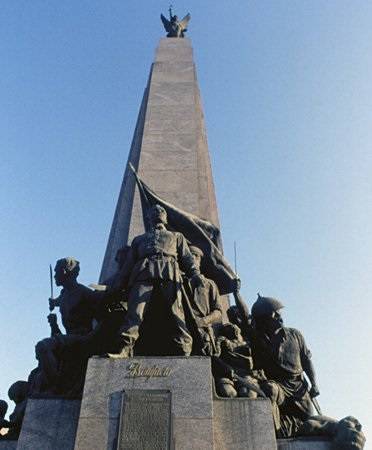
16 The Bonifacio Monument
Caloocan City
Guillermo Tolentino designed the monument so that Bonifacio’s bolo points toward Spain to symbolize defiance. At the same time, the arrangement of figures represents the Filipino people encircling their leader, each facing outward, embodying revolt from all sides.
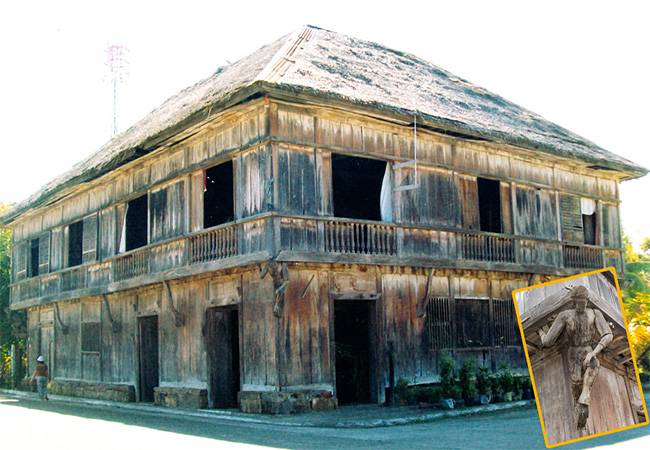
17 Vega Ancestral House
Misamis Oriental
Supported by carved wooden figures called otí-ot, the Vega Ancetral House is literally carried by giants. Builders say the supports creak when storms approach, as if warning the family to pray.
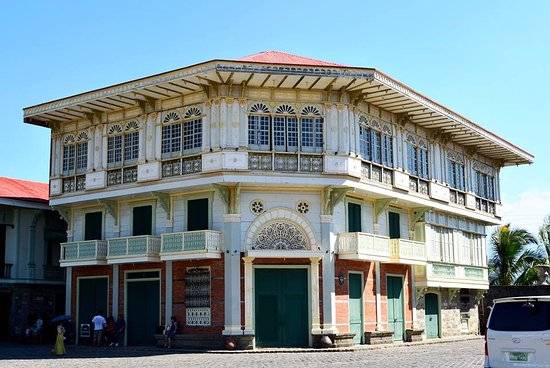
18 Casa Bizantina
Bagac, Bataan
Once in Binondo and now reborn in Bataan is the Casa Bizantina. Its Byzantine arches and filigree were reconstructed plank by plank, each nail an act of resurrection.
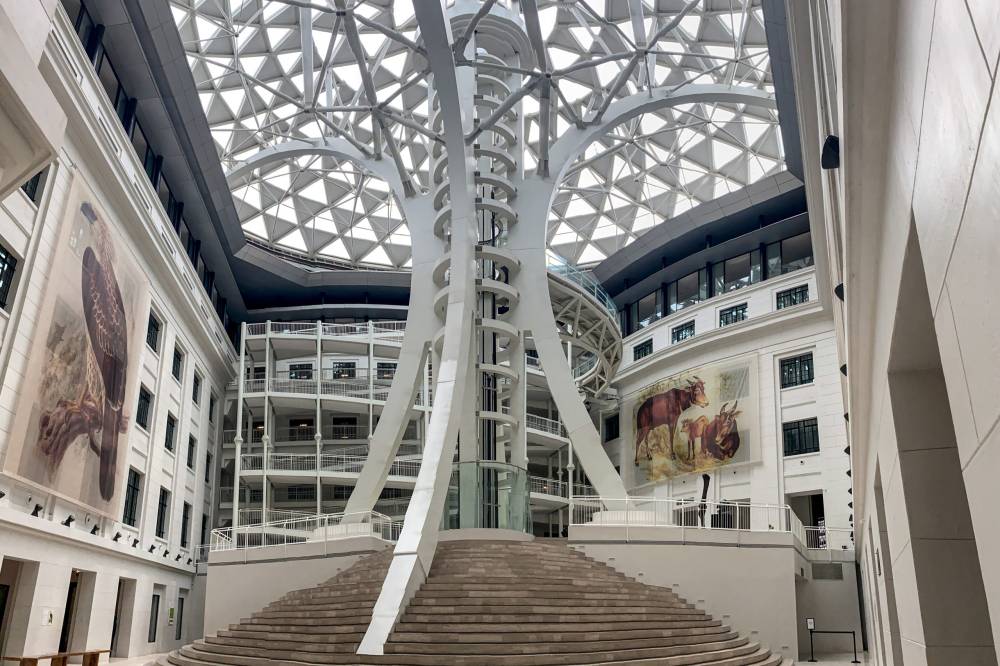
19 The Tree of Life
National Museum of Natural History
This 32-meter stainless steel helix rises through the museum’s glass dome. Designed by Dominic Galicia and Tina Periquet, it serves as both a structure and a symbol–a piece of architecture that breathes like a living organism.
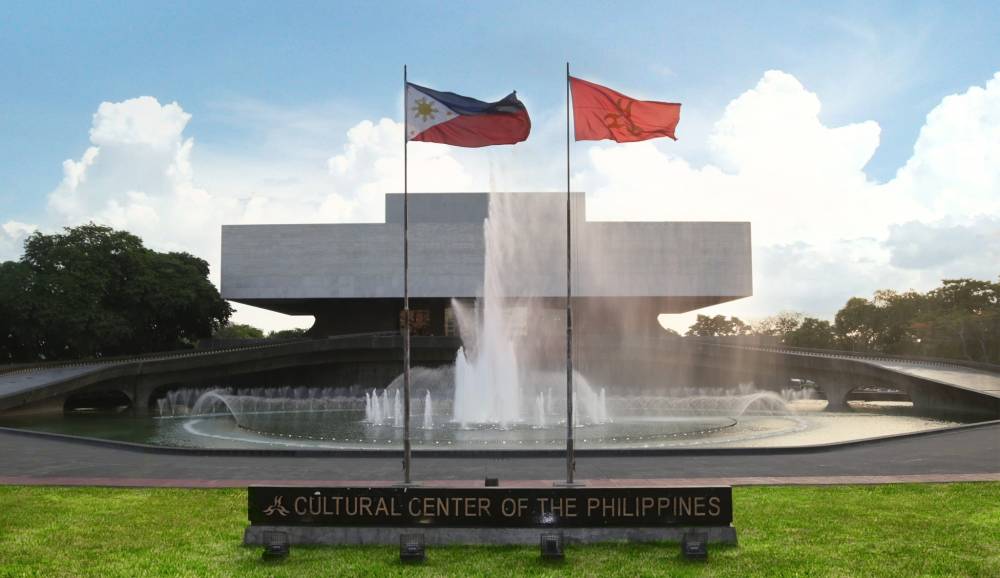
20 The CCP Complex
Pasay City

National Artist for Architecture Leandro Locsin’s brutalist theater floats in the air, anchored by silence and proportion. Workers recall how Locsin paced the site barefoot, feeling the earth before drawing his final plan.
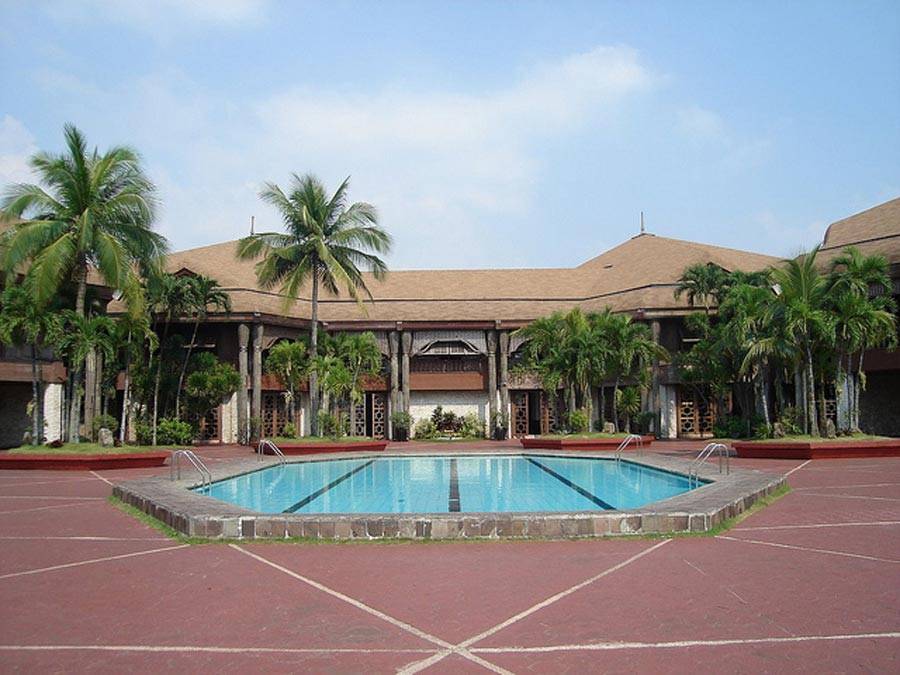
21 The Coconut Palace
Pasay City
It’s a showcase of Filipino materials: coconut shells, hardwoods, and capiz. Built for a pope who refused to stay in luxury, The Coconut Palace stands as a parable about abundance and restraint.
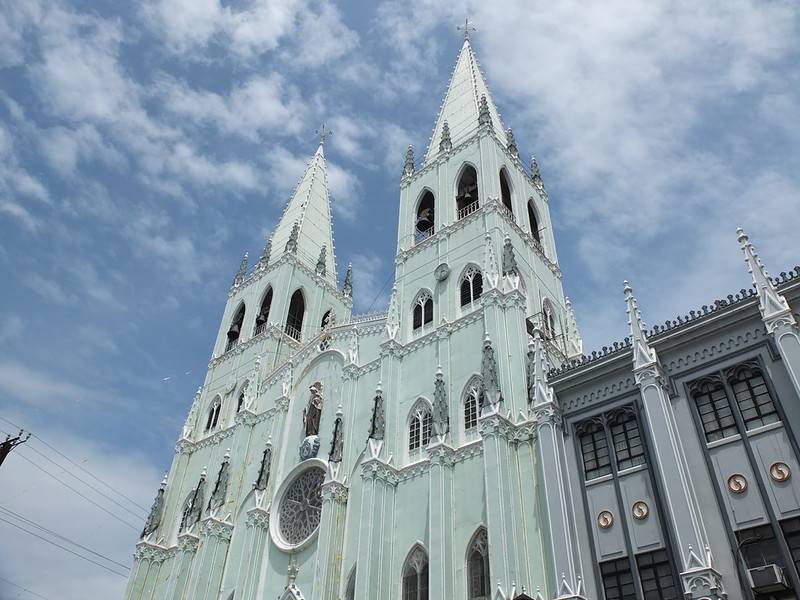
22 San Sebastian Church
Quiapo, Manila
This is the only all-steel church in Asia. Its prefabricated parts arrived from Belgium in 1890 and fit together like an iron rosary.
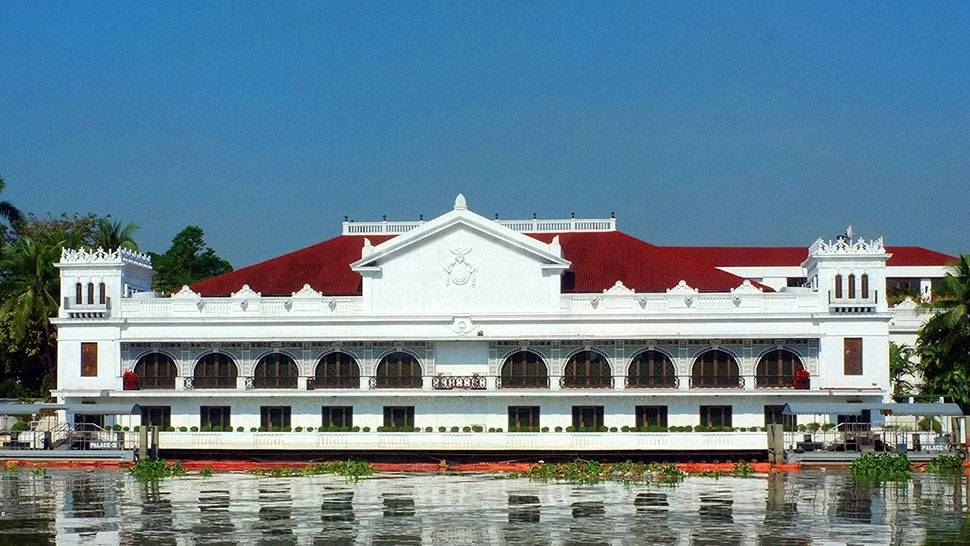
23 Malacañang Palace
Manila
From summer villa to power seat, each president left traces: chandeliers, tapestries, and even hidden doors. Some say the corridors remember every argument ever spoken.
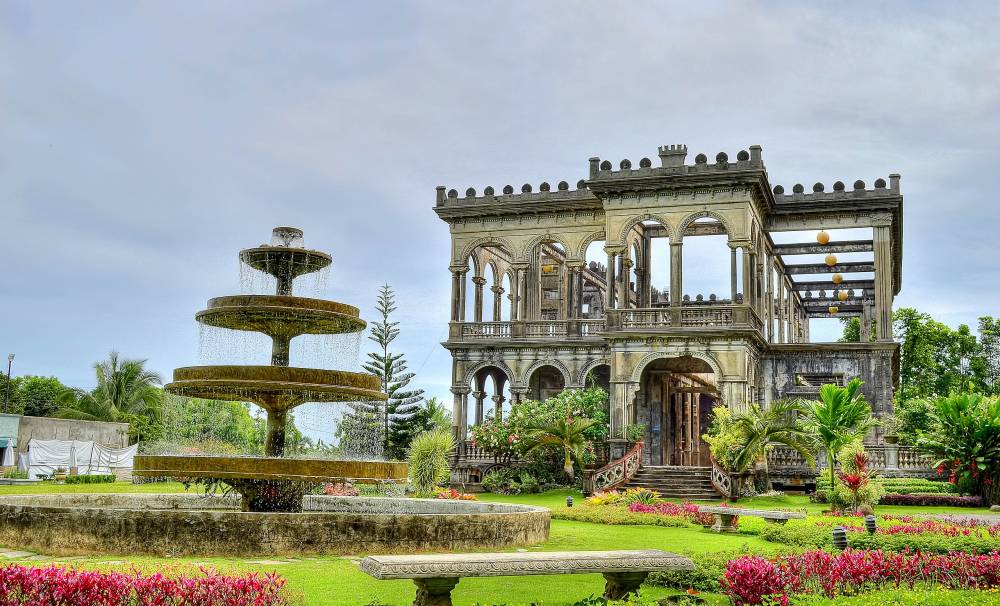
24 The Ruins
Talisay, Negros Occidental
It was a mansion built for love and torched for war. At sunset, its skeletal walls glow like a candle for a vanished bride.
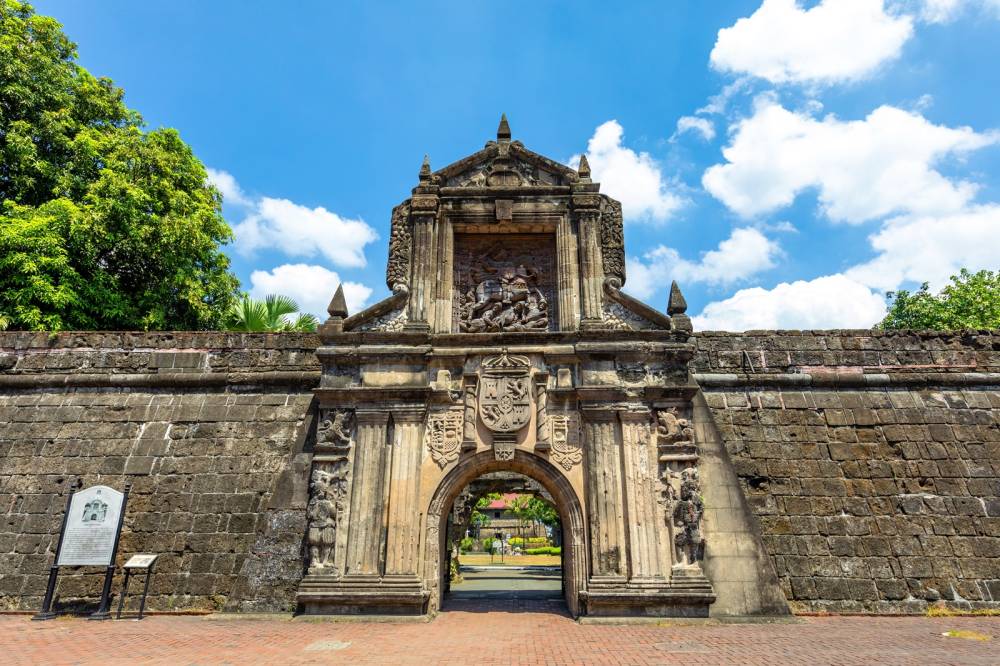
25 Fort Santiago
Intramuros, Manila
A citadel of memory, Fort Santiago’s dungeons were once filled with prisoners’ shadows. In one cell, Dr. José Rizal’s footsteps are immortalized in bronze, tracing his final walk to dawn.
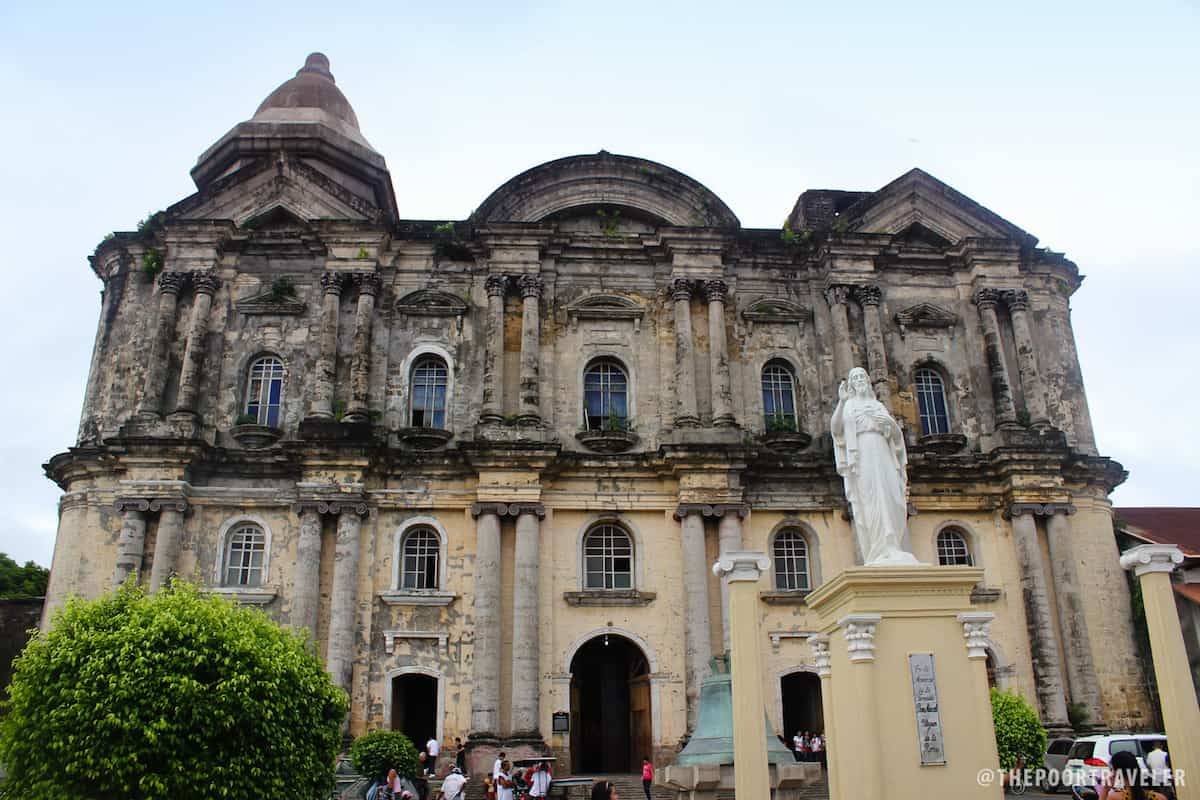
26 Taal Basilica
Batangas
It’s the largest church in Asia. Its foundation stones are said to be older than the volcano that watches over it.
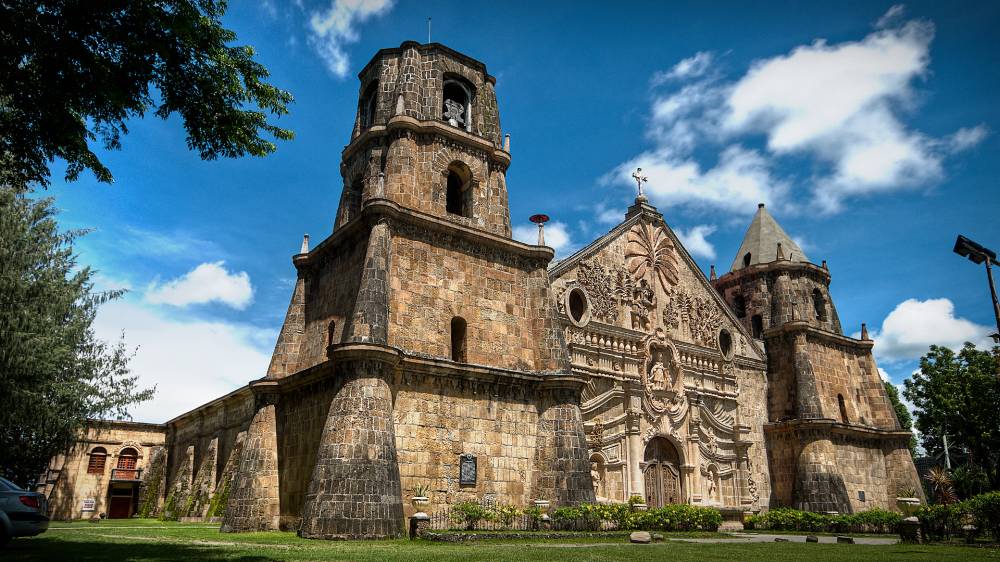
27 Miag-ao Church
Iloilo
Built in 1797 by local craftsmen, its stone façade shows Saint Christopher carrying the Child Jesus through tropical trees, a gospel carved in limestone.
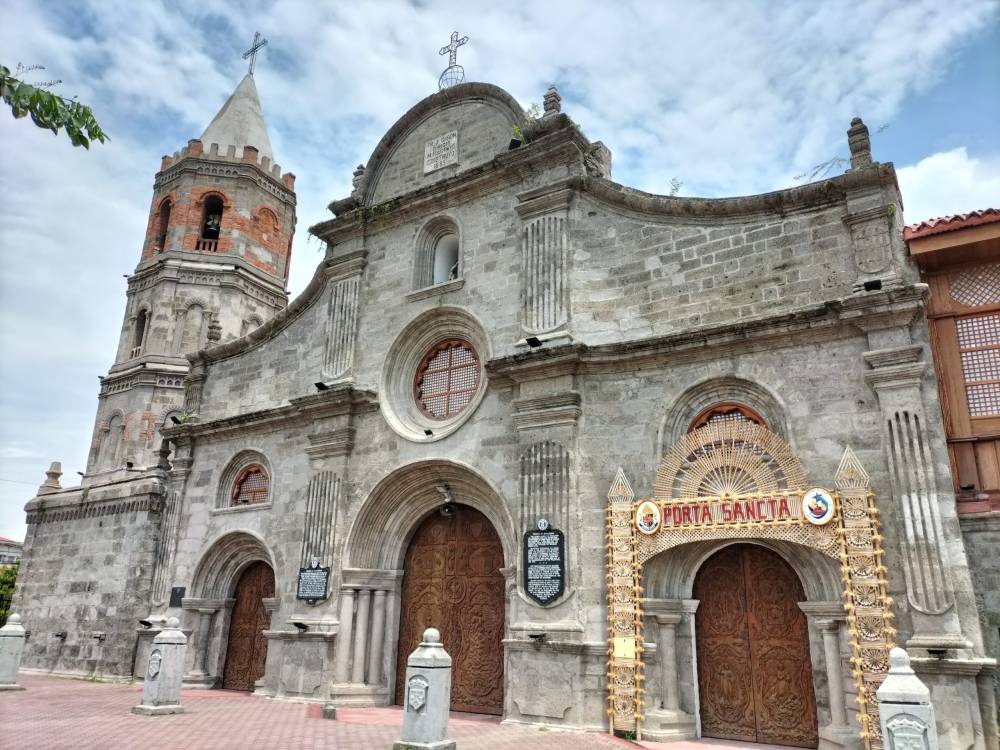
28 Barasoain Church
Malolos, Bulacan
The cradle of the First Philippine Republic: Revolutionaries once whispered constitutions here, the air thick with ink and danger.
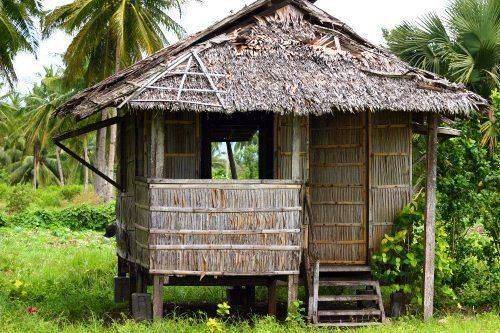
29 Bahay kubo and the skyscraper myth
A story passed between architects says that American builders found inspiration for skyscraper framing in the light, flexible bahay kubo.
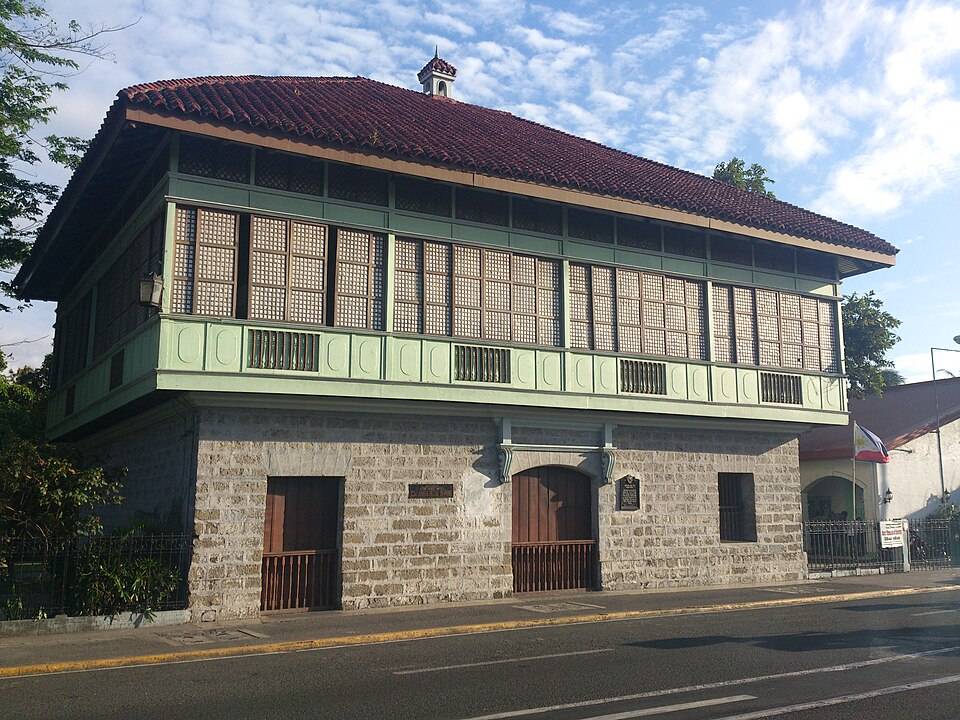
30 Rizal Shrine
Calamba, Laguna
The birthplace of José Rizal was rebuilt with faithful care. Children still touch the wooden banister as though greeting the ghost of a boy who dreamed of freedom.
From prehistory to postwar, from bamboo huts to gleaming towers, every structure here is a chapter in the national imagination. These are our stories in stone and wood, where architecture becomes emotion, and every wall remembers who we are.