

Is hojicha set to replace matcha?

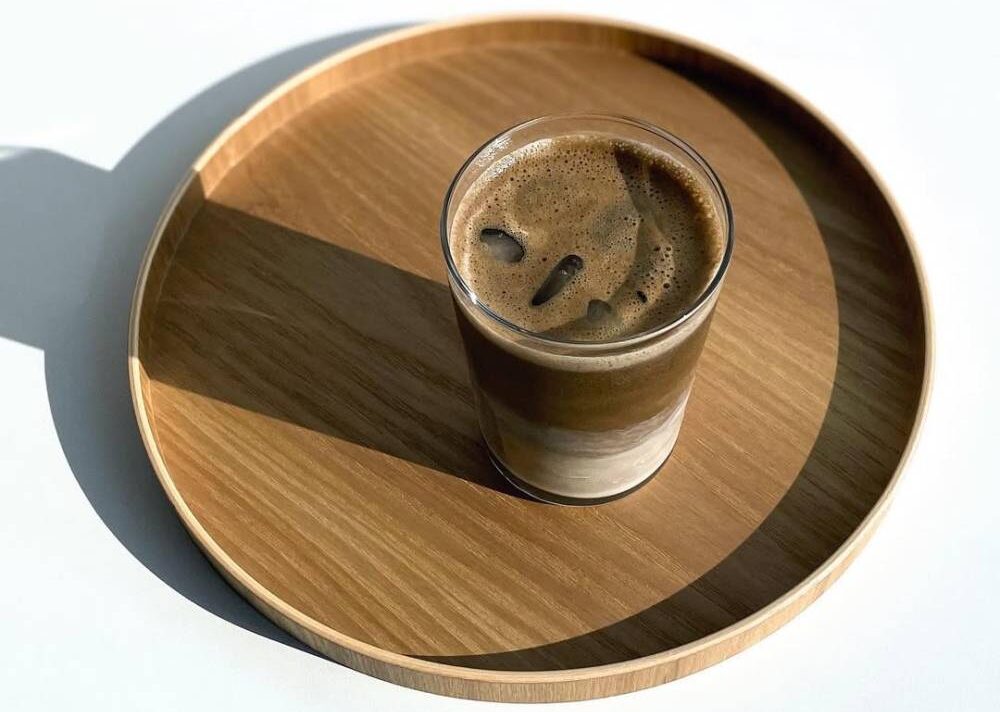
Here’s a hot food take: I prefer hojicha to matcha.
While I love both nearly equally, with my preferences depending on particular moods, there is something about the boldness of hojicha that piques the palate. Whereas matcha is prized for the delicacy of its harvest and grassy notes, hojicha is humble yet robust on the tongue—its roasted nature developing rich, darker flavors and a boost in umami. It asserts its presence without overwhelming. In lattes, it cuts through the richness of milk but goes down smoothly.
Though initially poised to serve as an alternative to keep the matcha shortage and skyrocketing prices at bay, hojicha—made from roasting mature leaves, as well as stems, and twigs from later harvests of the Camella sinensis plant (where matcha also comes from)—has the potential to stand on its own and grow into the next food craze.
“Hojicha is actually a product born out of the Japanese saying, ‘mottainai,’ meaning nothing comes to waste,” shares James Cabanban, the founder of matcha importing company No Bad Matcha and the owner of Kurbada, a specialty shop specializing in Japan-sourced matcha based in Bataan.
He also adds that the roasting process burns the caffeine and reduces the bitterness and astringency, making it smoother and easier to drink.
Clearly, the sustainable nature of hojicha, derived from the tea plant’s by-products, makes its case as a viable alternative that can withstand supply chains amid widespread matcha shortages. But will it truly step into the shoes of matcha, whose market dominance and longevity have surpassed fad status?
The worldwide demand for matcha
Matcha is so widely coveted, not just because of the TikTok videos that have propelled its popularity in recent years (or what I’d like to call matcha’s second coming), but because of its sheer rarity. Though China produces its own green powdered tea, authentic matcha as we know it today originates from Japan, where its farms are struggling to keep up with the demand.
About a decade ago, matcha glided its way into local consciousness, just as it came into the global scene as the “next big thing.” The bright green drink began making its foray into café menus, its powder stocked on supermarket shelves, and for some, came in the form of highly coveted pasalubong from Japan in a compact KitKat bar.
Years later, trends have come and gone, yet the reign of matcha has not only endured but expanded its footprint everywhere. It has shown up not only on lattes and frappes, but on cakes, bread, ice cream, puff pastries, and even cocktails. Coffee shops first experimented with one drink, later dedicating entire selections to matcha creations—eventually leading to the niche matcha shops we see today, primarily focusing on the Japanese green tea.
We’ve seen this unfold in the Philippines’ dining scene. Yet this craze isn’t just taking place on our shores; matcha has fully captured the taste buds of diners worldwide, all eager to get their fix on the earthy, rich, and complex tea.
The vibrant, jade-hued powder has made its way from home bakeries and independently owned shops to giant food corporations like Starbucks and Dunkin’ Donuts. In the US alone, retail sales for matcha have gone up by 86 per cent from three years ago; in Japan, matcha exports have grown to 36.4 billion yen, or US$252 billion, and matcha farms in Japan are simply struggling to keep up with the exponential demand across the globe.
Hojicha’s rise as a “matcha alternative”
Enter hojicha—a roasted and nutty tea with umami notes that has been creeping into the menus of cafés, patisseries, and bakeries worldwide. Whereas matcha is floral and vegetal, hojicha is smoky and deep in flavor, leading to a variety of culinary possibilities. In fact, Cabanban shares that one of hojicha’s more defining qualities is its versatility, and projects longevity in the roasted tea’s appeal.
Already, Manila’s restaurants and coffee and tea shops have adapted to hojicha. El Born has infused hojicha into its signature Basque cheesecakes, with the Japanese tea adding an earthier edge to full-bodied Earl Grey in the dessert.
Another fascinating execution is Matcha Later’s Hojichamisu, which it describes as a Kyoto-style tiramisu that soaks ladyfingers in hojicha instead of coffee and layers with mascarpone custard cream.
“Hojicha being able to work with cream, chocolate, pastries, and desserts makes it an exact alternative for those who are curious enough to try Japanese tea but are not a fan of the usual ‘green’ profile that matcha has,” he explains.
Like matcha, hojicha is also compatible with milk, which he also shares is reminiscent of the flavors that have risen in popularity during the milk tea craze a decade ago. “If it goes well with milk and sweetener, the Pinoy palate will welcome it as a part of life,” he shares.
Yet with hojicha’s smoky and toasty overtones, it’s not difficult to see its potential to go beyond drinks and desserts.
In Japan, hojicha soba, or soba noodles dipped in hojicha broth, already exists. Japanese green tea maker Sugimoto Team Company has published a recipe for hojicha risotto, enhancing the dish’s earthiness from the mushrooms and complementing its rich, creamy flavors. It even published a “three teas umami” seasoning, featuring hojicha, sencha, and genmaicha, that can be used as a rub for salmon or roasted cauliflower.

A serious business case for hojicha
As the matcha shortage is unlikely to let up anytime soon, it’s high time to seriously look at hojicha as a serious contender.
Cabanban shares that the matcha shortage will likely be the norm for the next three years, until Japanese farms gradually grow their production capacities. “The majority of Japanese farmers are already converting their non-tencha plots to tencha for them to produce more matcha in the years to come,” he says.
As a result, this means that fewer green tea variants will be available in the Japanese tea market, he says—but this move will not really affect hojicha production. “With hojicha being just a product of tea processing wastage, it is more sustainable since you can make hojicha from matcha processing wastage and also from other types of tea. This makes hojicha cheaper and widely available compared to matcha,” Cabanban says.
Of endless possibilities and pairings
Hojicha also has something for everyone—it has lower caffeine than matcha, so it can be consumed at different times of the day. Its darker flavors also work well with many of the ingredients used for blended coffee drinks.
At Cabanban’s shop in Kurbada, for example, a drink rising in popularity is the shoyu caramel hojicha.
“There are a lot of ways to play with its profile or how it will end up tasting. For matcha, dead-end na yung cultivar, farming and processing methods, and grind size to determine the outcome, pero with hojicha, you have the roast level as well… light-roasted hojicha will have more caffeine and will retain some of the greener tasting notes, while dark-roasted hojicha will end up with nearly zero caffeine and will taste more like coffee—chocolatey, toasty, earthy,” he explains.
Hojicha also tends to be more durable and have a longer shelf life than matcha and coffee, Cabanban shares. Yet the struggle is with innovation, as a lot remains unexplored with hojicha as an ingredient, as even producers in Japan still stick to their old ways of producing hojicha.
Yet with a larger buy-in of hojicha and a rising demand, Cabanban is certain that the roasted tea will come into its own.
“Even with [hojicha and matcha’s] colors and taste profiles on the opposite sides of the spectrum, with enough innovation, social media hype and presence—there is a good chance that hojicha might just be the next big thing… just give it a year or two. We just need more people to explore with pairings and recipes,” he ends.