






How regional players can navigate shifting tides, uncertainties


Bangkok—At a time when uncertainty defines global markets, Southeast Asia’s real estate leaders are aligning around a clearer priority: Trust, experience, and community value.
These were some of the central messages at Property-Guru’s Asia Real Estate Summit, themed “Trusted Marketplaces, Thriving Communities,” which was held on Thursday in Thailand.
Bringing together economists, architects, property developers, finance leaders, and technology experts, the summit offered a holistic view of the forces reshaping the region’s property markets—from shifting economic conditions and evolving consumer expectations to design innovations, climate risks, digital adoption, and stronger governance. All the sessions pointed out to the fact that real estate in Southeast Asia is moving beyond transactions and toward building places that are more sustainable, resilient, human-centered, and future-ready.
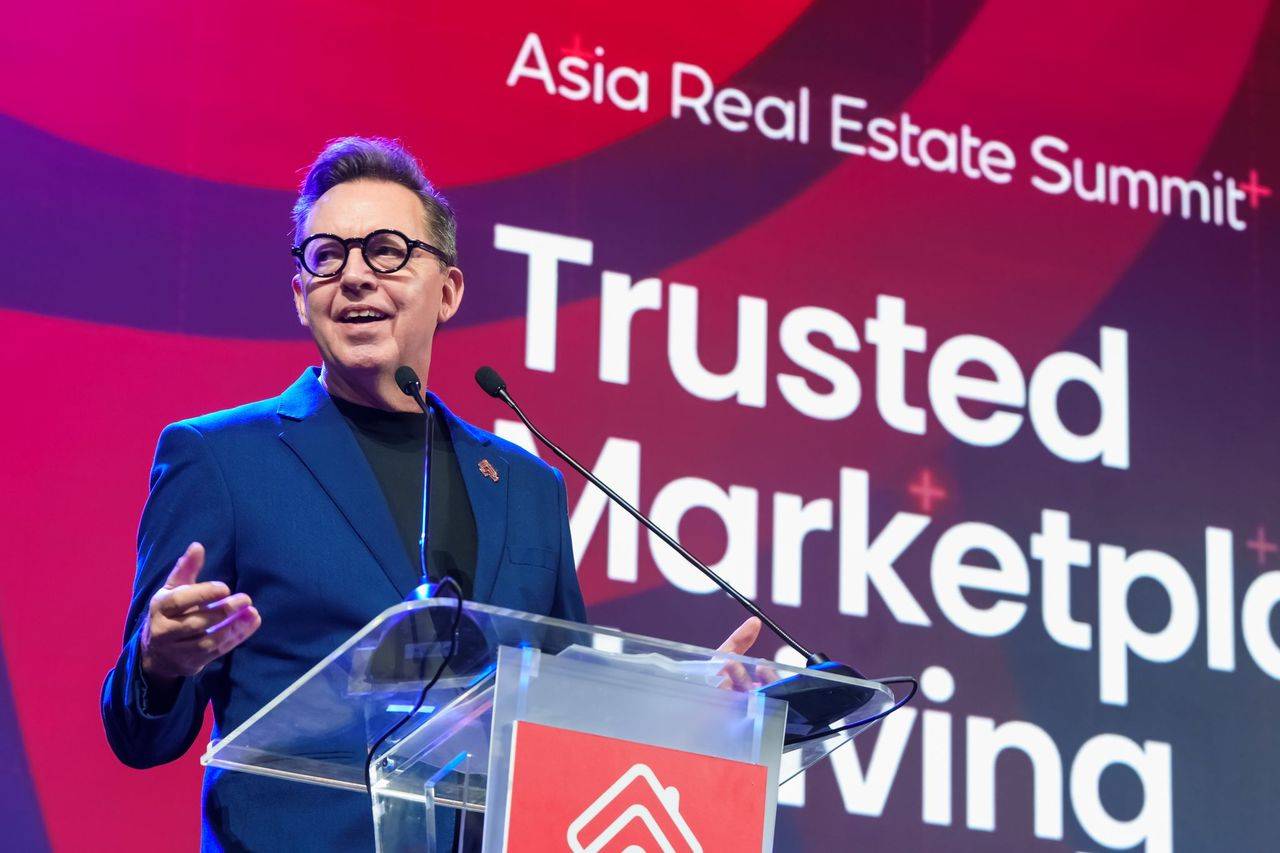
Jules Kay, managing director of the PropertyGuru Asia Property Awards, formally opened the summit by underscoring the need to integrate technology with design, finance with sustainability, and data with human experience.
“We actually want to reduce the noise, reduce the uncertainty, and create trust among the people (who) want to find property… So on behalf of the PropertyGuru Group, thank you for your continued trust in us as we continue to build trust in marketplaces and through them, thriving communities,” Kay said.
Global outlook
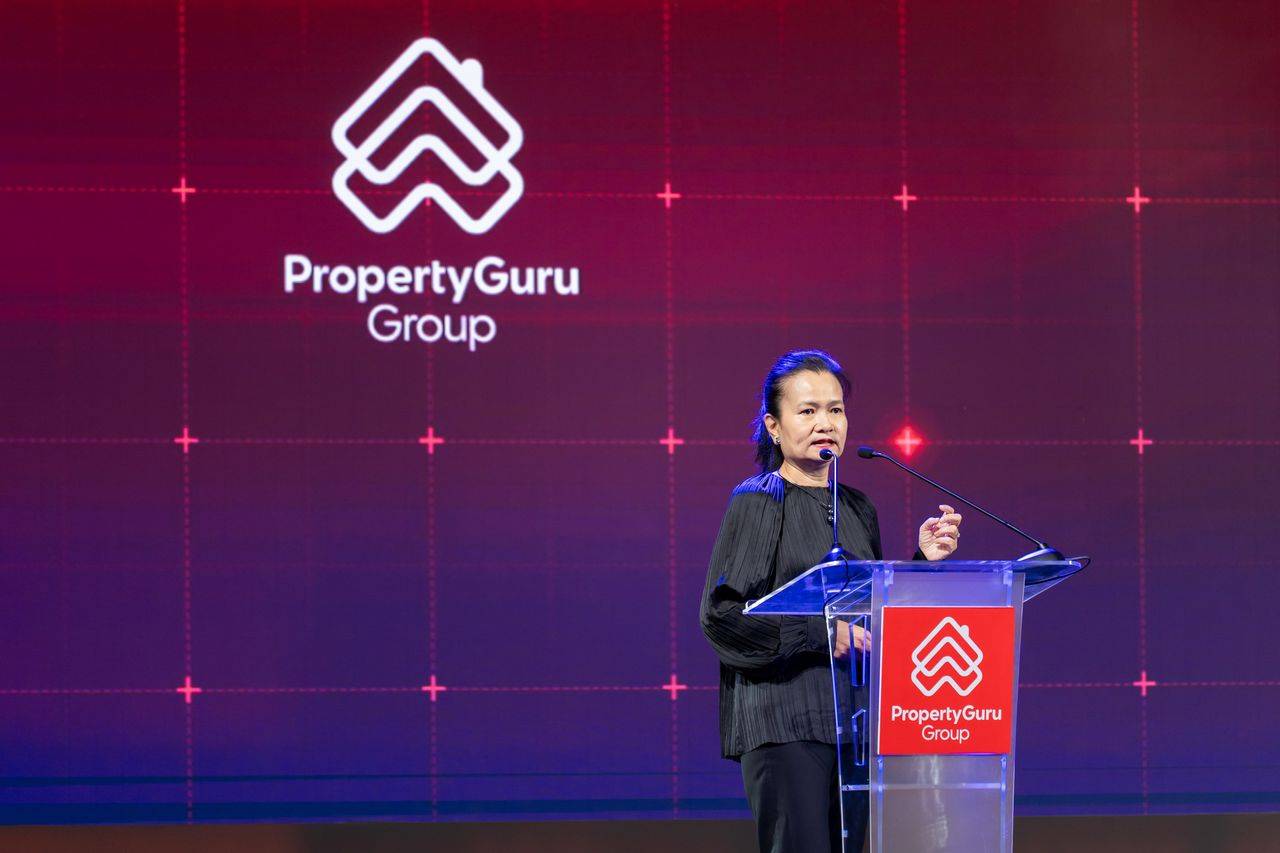
The summit’s keynote by Syetarn Hansakul, senior analyst for Southeast Asia at The Economist, provided an outlook for a global economy that is increasingly shaped by AI, geopolitical tensions, and trade policy—factors seen to drive volatility and cost pressures for businesses globally.
She noted that Asia remains relatively resilient, but faces pressure from US sectoral tariffs and a likely export slowdown in 2026.
“(The) good news is Asia will be fairly resilient. This year, we expect GDP growth of Asia Pacific to be about 4.1 percent and next year, or in 2026 we expect it to slow slightly to about 3.7 percent,” she said.
Hansakul also pointed out the region’s low inflation rates, which give central banks room to ease monetary policy.
“So in an environment where low interest rates are expected, I think that will support investor sentiment for all sectors, including the property sector,” Hansakul said.
Experience as currency
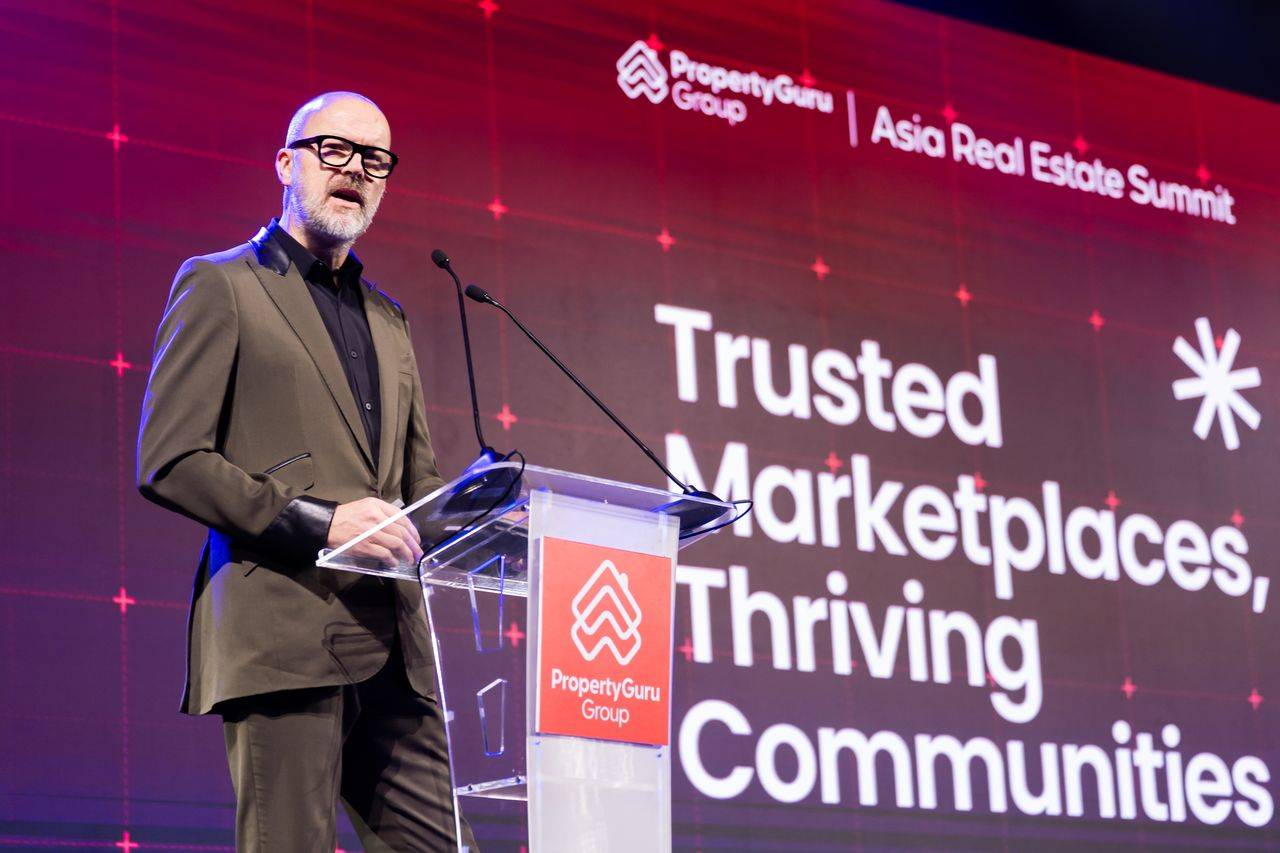
Simon Mitchell, co-founder of architecture and design studio Sybarite, took on the evolving nature of retail, emphasizing the significance of experience, which “has become the currency of modern real estate.”
He explained that people remember how places make them feel, not the buildings themselves.
“Experience is not an accessory. Experience is a product,” Mitchell said. “Experience cannot be retrofitted. Experience must be designed in from day one, from the masterplan to the programming and to the service model. It’s not a layer—it’s the operating system of the entire destination.”
Citing their “Future of
Experience” report, Mitchell underscored the need for destinations today to cultivate a strong sense of place, design for human connection, boldly merge categories, make service anticipatory, and create moments of wonder.
More valuable insights
More themes and emerging trends were explored at the succeeding talks and panel discussions.

A panel on branded residences—featuring leaders from C9 Hotelworks, Six Senses, Nobu Hospitality, Marriott International, and The Ascott—discussed the growing pipeline in Asia Pacific as well as emerging trends like wellness features and spiritual concierge services.
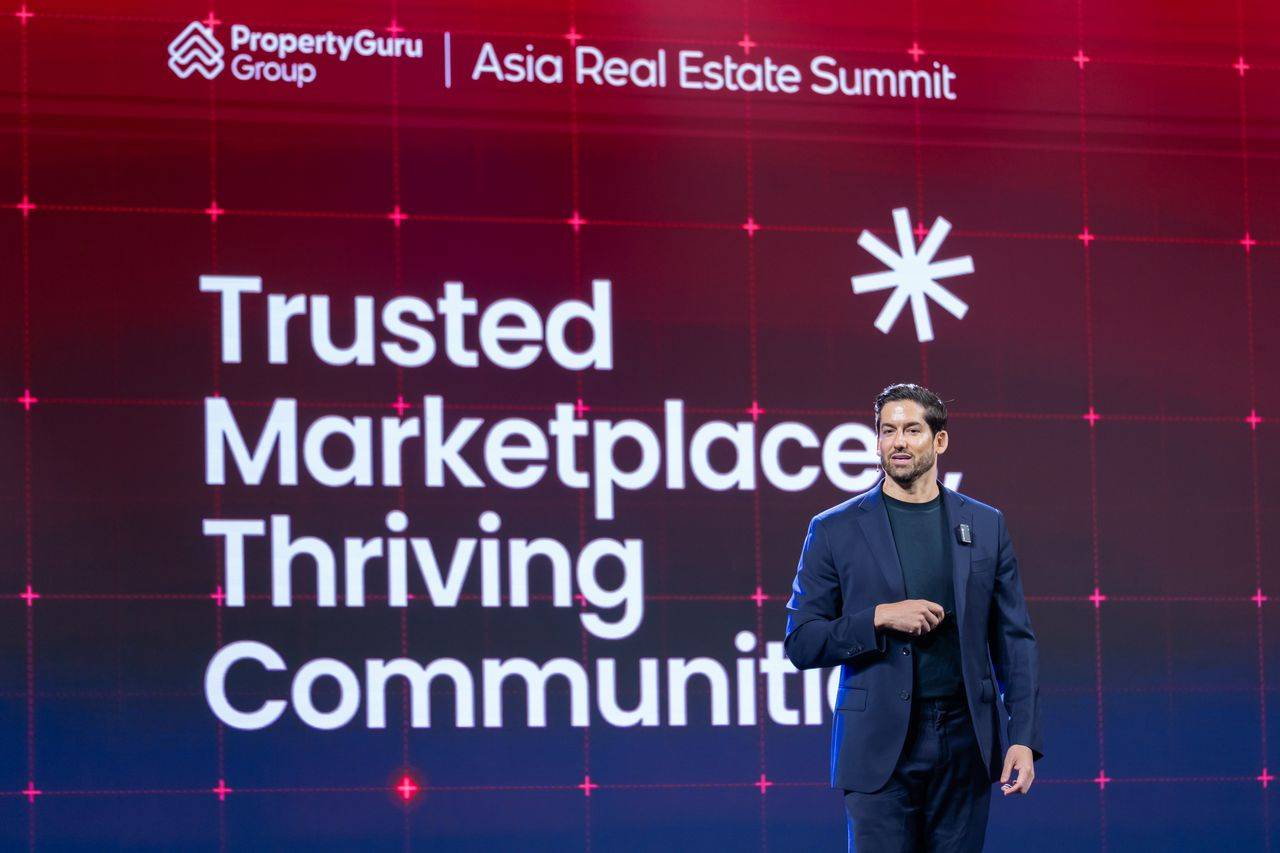
Technology and trust also took the spotlight as cybersecurity expert and reality TV personality Duncan James Simpson discussed how digital security and responsible data use are becoming essential in an AI-driven marketplace. He cited the need to build a security culture, conduct user awareness training, and develop appropriate business processes to enhance cybersecurity.
The afternoon sessions, meanwhile, focused on equity, wellness, and resilient cities.
Speakers from UN-Habitat, Knight Frank, Sukosol Hotels, Phuket Hotels Association, Asian Development Bank, Tajara Leisure and Hospitality Group, the International Finance Corp., and Cryptomind, among others, lent their expertise and insights on topics such as resiliency, inclusive growth, healthier living environments, long-term planning in urban development, transparency, and financial inclusion.

A clear message
Based on the resounding themes that emerged in the talks, this year’s Asia Real Estate Summit delivered a clear message to all stakeholders.
Success in Asia Pacific no longer depends on scale alone. The winners are those who are able to manage rising risks, from digital security to climate exposure; respond to evolving consumer expectations; and create environments that remain relevant and resilient across market cycles.
Asia Pacific real estate must evolve in step with economic uncertainty, digital adoption, and climate pressures. Projects that build trust, elevate experience, and embed resilience into their core are best positioned to outperform as the market matures.