



Weavers unite to keep handloom legacy alive

Before handloom weaving took root in her barangay, Iloilo weaver Marylyn Muyana remembers the difficulties that families had faced. Their community was among the poorest in the municipality and many struggled to keep their children in school.
Weaving eased those hardships and offered a way forward. For Muyana and many others, the craft provided a steady source of income that was enough to turn their lives around.
“The weaving center became our turning point,” Muyana says. “Today, we are proud to say that we have no out-of-school youth in our community. Almost all our students now have the chance to pursue higher education in colleges and universities.”
Stories like hers echo across weaving communities worldwide, where weavers work to preserve an age-old tradition while confronting modern pressures, including unfair market access and the rise of machine-replicated designs.
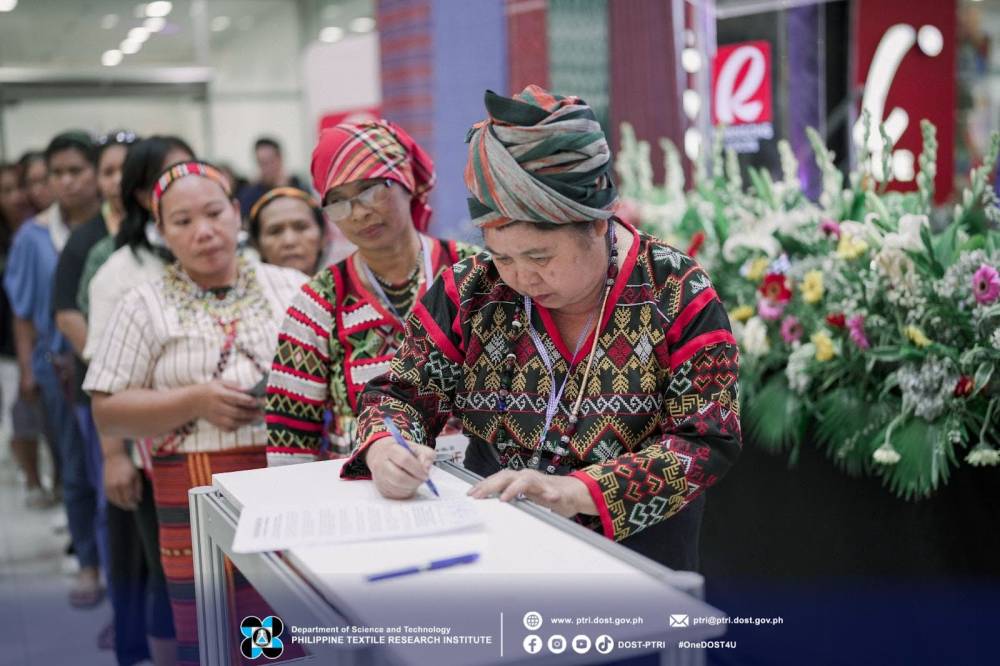
These shared concerns form the core of the newly released Weaver’s Manifesto, a document compiled by the Philippine Textile Research Institute under the Department of Science and Technology (DOST-PTRI), based on discussions with weavers themselves.
In November, more than 120 weavers from 40 communities nationwide gathered in Ilocos Norte for the first Philippine Handloom Weaving Festival, where the government unveiled the manifesto.
Concerns
Chief among their concerns is the surge of counterfeit and machine-made replicas of traditional designs. They also raised concerns over printed fabrics being misrepresented as authentic handloom products.
These practices, they say, affect both their livelihoods and cultural heritage.
“You are not just depriving them of their livelihood. You are depriving them of their culture. You are depriving them of their identity. And most importantly, you are depriving them of their future,” says Julius Leaño Jr., director of DOST-PTRI.
Weavers also call for the use of handwoven textiles for government and school uniforms, as this will firm up domestic demand.

Other priorities outlined in the manifesto include improved access to cotton and natural textile fiber-based yarns, stronger training programs to prepare new weavers and broader education to preserve weaving knowledge.
Weavers likewise pushed for stronger intellectual property protection, recognition of their rights, especially for women and the creation of a unified national weavers’ organization.
Millions to communities
During the weaving festival, the DOST-PTRI reported more than P2 million in gross sales generated from the handloom woven products of participating communities.
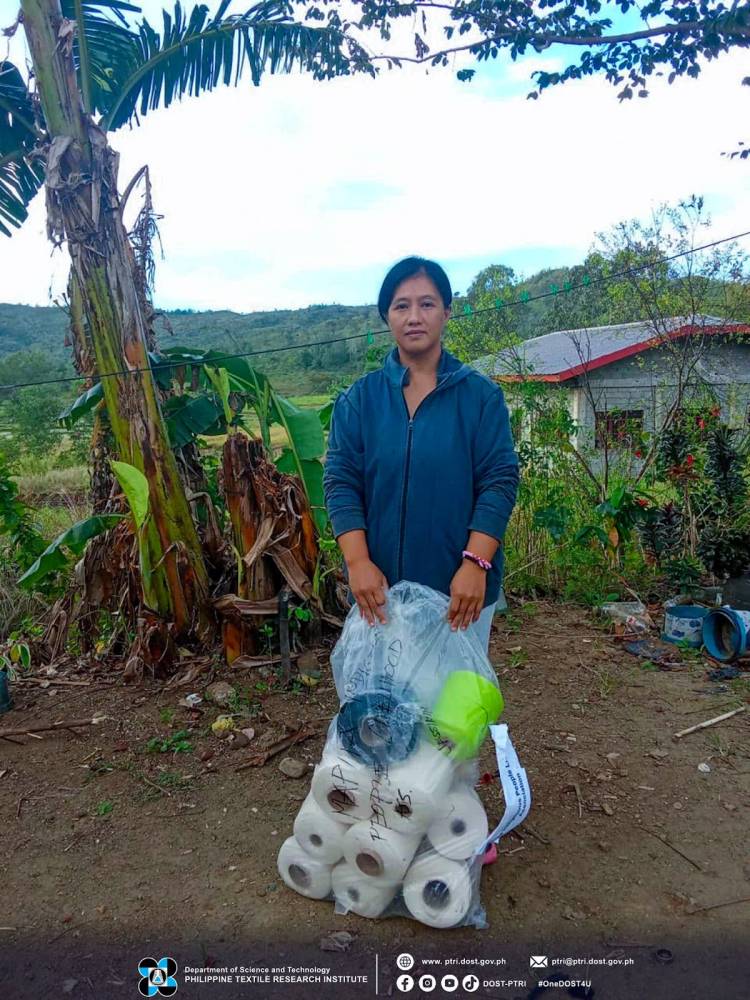
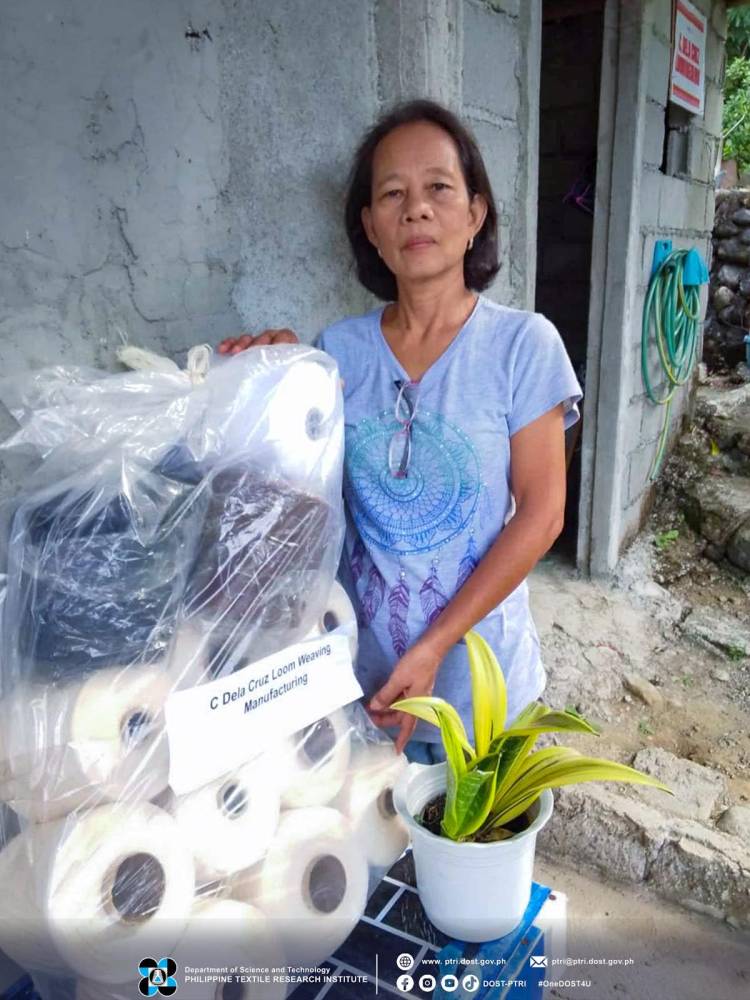
The agency also distributed about 600 kilograms of locally spun cotton yarn to boost local production and lessen dependence on imported yarns.
DOST-PTRI has launched several weaving centers across the country this year. It is also rolling out the DigiTELAzation Program, a national database of weavers that will support pattern drafting and apply covert yarn technology.