









Disney’s AI deal and the clanker’s true intentions

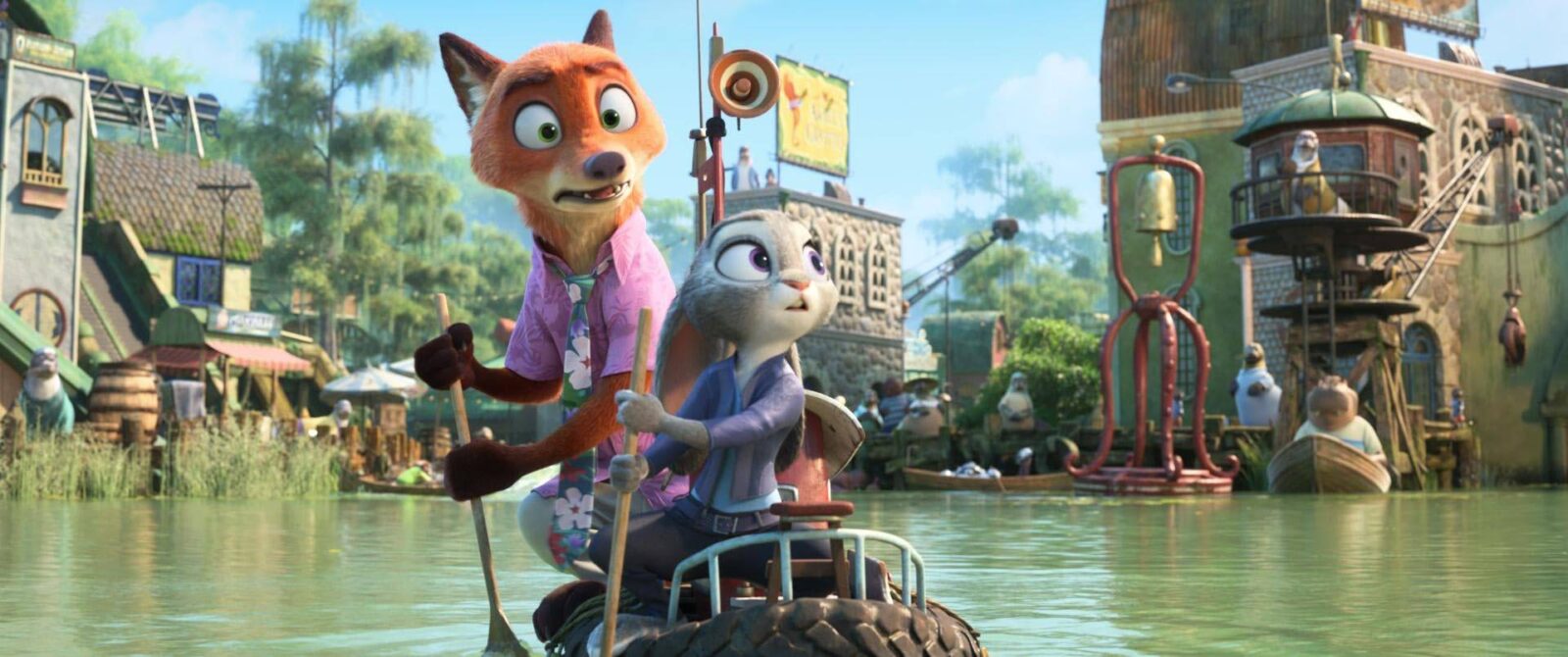
Artificial intelligence (AI), no matter what you think of it, has found acceptance from social media moguls to entertainment industry giants alike. On Dec. 11, 2025, Disney inked a $1 billion equity investment deal with OpenAI, allowing Sora users to generate videos using Disney’s copyrighted characters. The three-year licensing agreement includes characters such as Mickey Mouse, Baymax, and Judy Hopps, as well as characters across the Marvel, Pixar, and Star Wars universes.
So yes, theoretically, you can generate an AI video of Iron Man squaring off with Goofy.
The agreement also states that Disney will begin using OpenAI products in their operations, which include but are not limited to the use of ChatGPT. However, Disney did not allow OpenAI to train its models using its IP. Not to mention, photo and video generations will not mimic the voice and likeness of existing Disney talents, since the standing SAG-AFTRA AI agreement grants actors and actresses protection over their name, voice, and likeness.
“Disney is the global gold standard for storytelling, and we’re excited to partner to allow Sora and ChatGPT Images to expand the way people create and experience great content,” says Sam Altman, co-founder and CEO of OpenAI.
Apparent industry-wide acceptance
“Bringing together Disney’s iconic stories and characters with OpenAI’s groundbreaking technology puts imagination and creativity directly into the hands of Disney fans in ways we’ve never seen before, giving them richer and more personal ways to connect with the Disney characters and stories they love,” says Disney CEO Bob Iger.
This deal follows an existing sentiment previously shared by Iger in Disney’s recent earnings results webcast. “AI is going to give us the ability to provide users of Disney+ with a much more engaged experience… It’s obviously imperative for us to protect our IP with this new technology.”
AI is here to stay. And rather than sit by and watch these AI platforms generate unbranded knock-offs—the next best plan was to get ahead of the curve and have the Disney brand hang over anyone using the AI service.
“OpenAI is putting guardrails around how these are used so that there’s nothing for us to be concerned about from the consumer’s perspective. Meaning, this will be a safe environment and a safe way for consumers to engage with our characters in a new way,” says Iger in a CNBC interview.
This follows how entertainment giants spanning several industries have begun to approach AI—rather than fully embracing or separating themselves from AI, they engage with it, all while safeguarding their IPs.
The only difference so far seems to be on the music side of things: Warner Music Group recently inked a similar licensing deal with AI music company Suno, allowing them to train their models using their licensed material, while also authorizing their users to create ‘original’ music based on those models.

Creativity and labor in the age of AI
So again comes the age-old question: Will workers be replaced by AI?
Iger has repeatedly asserted that this licensing deal will in no way threaten the creativity behind Disney’s products. After all, while AI slop has found its home in harmless, albeit brainless, short-form content—put in film, news, and anything truly worthwhile—people will know if something is done by humans or by AI.
So the answer is no. Even as Disney incorporates OpenAI and ChatGPT into their operations, these will mostly include administrative tasks, from scheduling meetings to synthesizing reports.
Creatives will undoubtedly be protected in this new age of AI. After all, the ability to create and imagine is something intrinsic to humanity and must be protected at all costs. As for administrative and manual labor… now may not be a good time to be in those lines of work.