








Asean 2026 a ‘reset’ opportunity for PH amid corruption mess

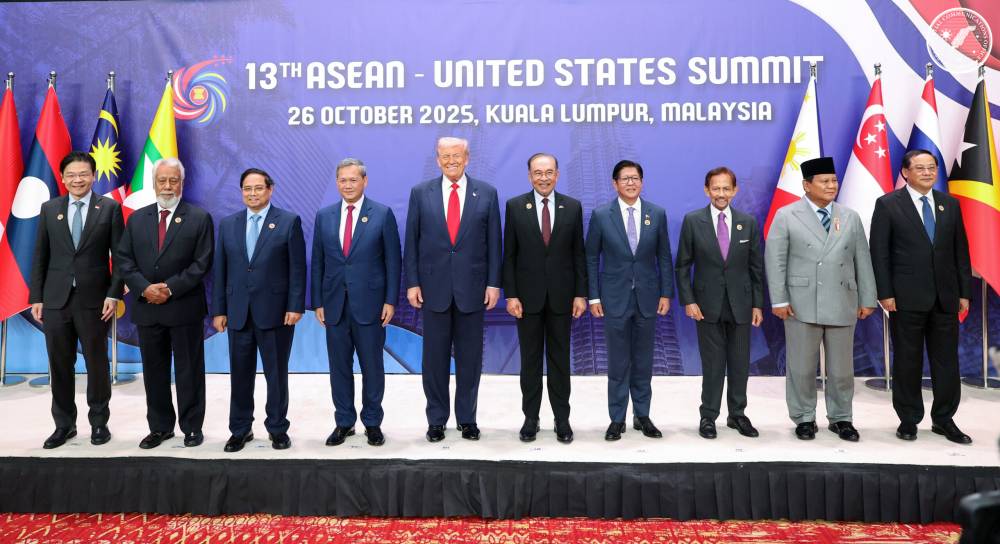
The Philippines is heading into an unexpected yet closely watched year as it prepares to lead the Association of Southeast Asian Nations (Asean) in 2026, a role business leaders say could help the country shed the shadow of corruption scandals that unraveled over the past months.
Hosting duties fell to Manila after Myanmar had skipped its turn. President Marcos agreed to step in, even though the Philippines wasn’t originally scheduled to chair the regional bloc until 2027.
Even with the altered timeline, the government is rolling out an extensive economic agenda. In November, the Department of Trade and Industry unveiled a five-point economic plan centered on expanding regional trade, accelerating digitalization and promoting sustainable growth.
For business leaders, the stakes in 2026 are high, but so are the potential gains.
“I think the Philippines being chair of Asean is a very good move here, if it’s done properly and supported well,” says Chris Nelson, executive vice chair of the British Chamber of Commerce of the Philippines. “The Philippines very much needs to leverage being chair of Asean. I think it’s a very opportune time.”

Image reboot
Jose Ma. Concepcion III, chair of the Asean Business Advisory Council, echoes Nelson’s view. He describes the chairmanship as a rare opportunity for a reputational reset after the bruising corruption controversies.
“We can rebuild our reputation as we host Asean in 2026,” Concepcion says. “We cannot lose the chance to build that. We have to bring back our reputation. And I’m very confident that with the support of the private sector and government working as a team, we will definitely succeed.”
Concepcion acknowledges that doing so will require accountability, including the possibility that some officials may face jail. Still, he argues that the broader economy, particularly the private sector, must move forward.
“So in 2026, when the game begins, let us change what people think about this country,” he says.
Nelson says the Philippines cannot afford to sideline antigraft measures even with the Asean chairmanship. Tackling corruption, he says, is crucial if the country hopes to translate its hosting into investment gains.
“Clearly, everybody’s concerned about the flood control. It’s been a major factor in terms of business sentiment,” he says. “The key will be what reforms will be there and we’ll see what investments will happen.”

Business backing
Even ahead of 2026, business groups are already aligning their plans with the Philippines’ Asean chairmanship.
The Federation of Filipino Chinese Chambers of Commerce & Industry, Inc. (FFCCCII) has pledged to support stronger trade ties between Manila and Beijing, including plans to host the Asean Chinese Business Leaders Summit in October 2026.
In the run-up to the hosting year, the group also plans to promote Philippine exports, support micro, small and medium enterprises and boost tourism by tapping China’s position as the world’s largest tourism market.

Through this agenda, the FFCCCII says it aims to create “more balanced and mutually beneficial exchanges” and help address the trade deficit with China through Filipino exporters and service providers.
“This drive for stronger regional economic integration carries greater urgency than ever, as global protectionist trends underscore the critical need for robust trade and business ties within Asean and with China,” the chamber says.
Concepcion says such coordination underscores why the private sector must be closely involved in hosting Asean.
“The government depends heavily on the information we have, because we’re the businessmen,” he says. “The people in government are not business people nor entrepreneurs.”
All eyes are on the Philippines in 2026 and Concepcion says there is little room for error.
“I hope that there will be no more of what happened recently,” he says. “Because when you host an international event, you have to show your best.”