










‘Omotenashi,’ and the impeccable taste for cars and culinary arts


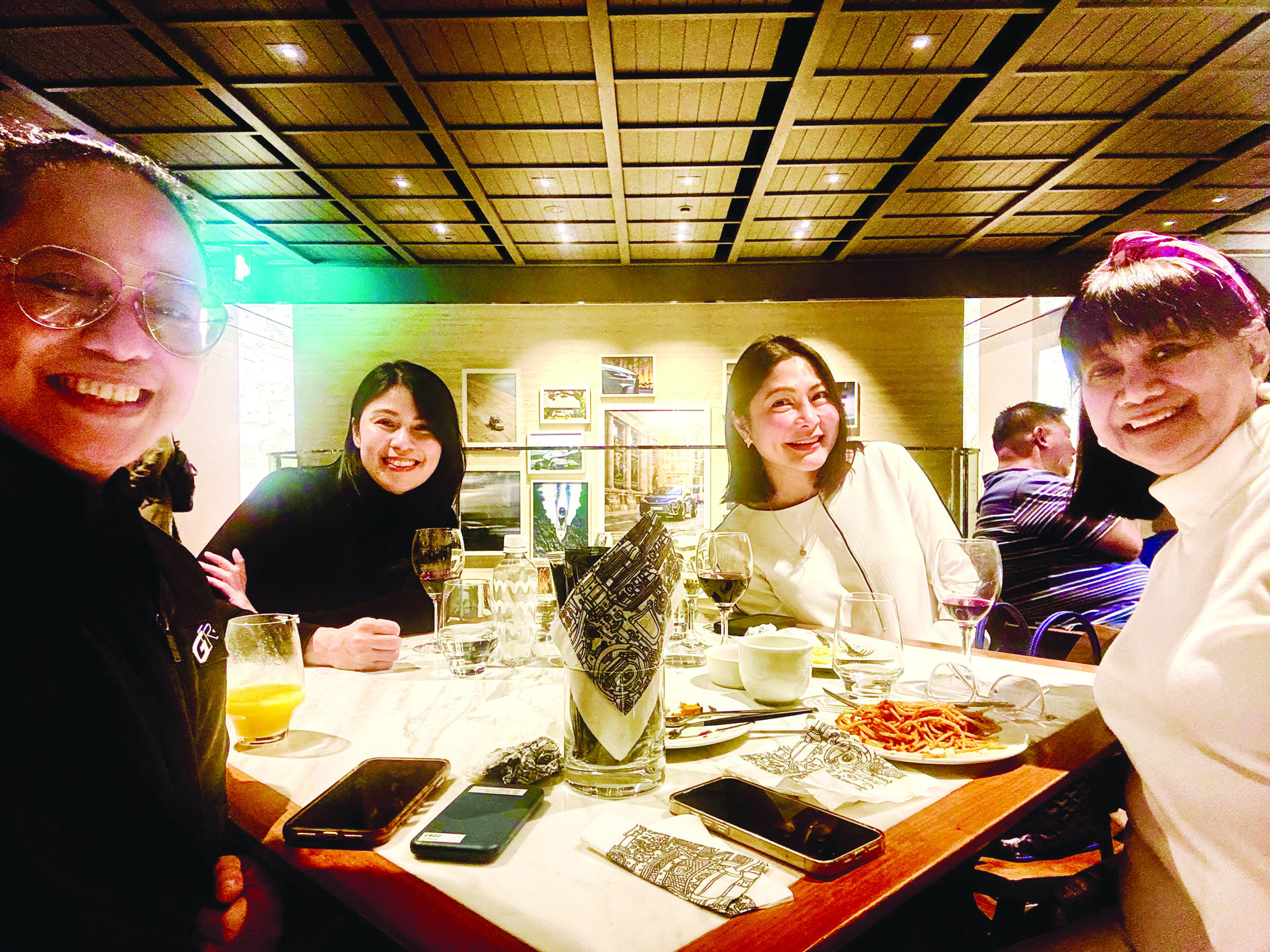
Trying to act like I belonged to the place, I delicately put into my half-opened mouth a forkful of the Beet and Barley Risotto dish, and hoped that the crowd I was with didn’t notice me drooling as the dish was laid out before me on the table. Holding the cutlery as classily as possible (trying to remember what my Mom taught me about the finer points of fine dining), I chewed silently, deliberately, mouth closed like a sophisticated woman of the world who would soon conclude her meal with a check for a Lexus RZ 450e.
Even if I couldn’t afford to buy just a single tire from the showroom, the bright, modern, chic space with Lexus design elements (spindle grille motifs in the entire building) made me feel an aspirational vibe. As my palate felt like a million bucks, so did my eyes, as they took in all the stunning interior design elements of the upscale Intersect by Lexus in the trendy Aoyama district.
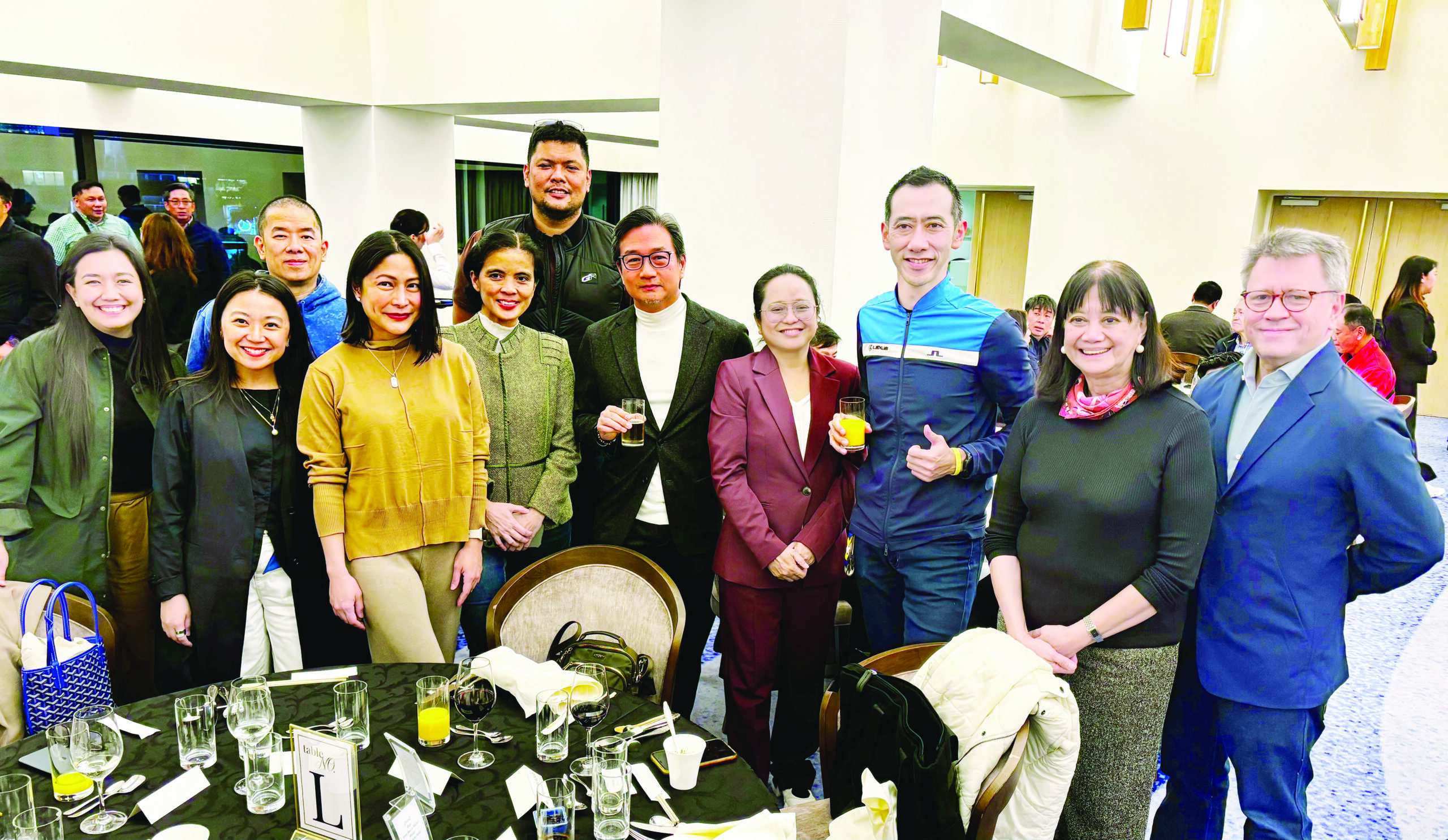
Lexus showcases several dining spaces around the world. This one in Japan, however, is the “mothership,” a “third space” where the luxury brand of Toyota extends its concept of “omotenashi” beyond cars, and into the lifestyle realm.
Like I said, while my pockets reveal the painful truth, my job as an automotive writer gives me the temporary opportunity to escape reality and the hoi polloi, suspend disbelief, and mingle with the hoity-toity.
And on this occasion, I was exactly in that place, just enjoying the moment, and that dish in front of me was so meticulously prepared I could taste its every nutritious texture. I was famished, yet I dare not reveal that I could swallow the entire dish whole. Prior to this dish, I also enjoyed an appetizer of an all-plant salad, the leaves of which tasted like they were plucked from an organic garden mere seconds ago. Even the soil in Japan is so nutrient-rich and disciplined.
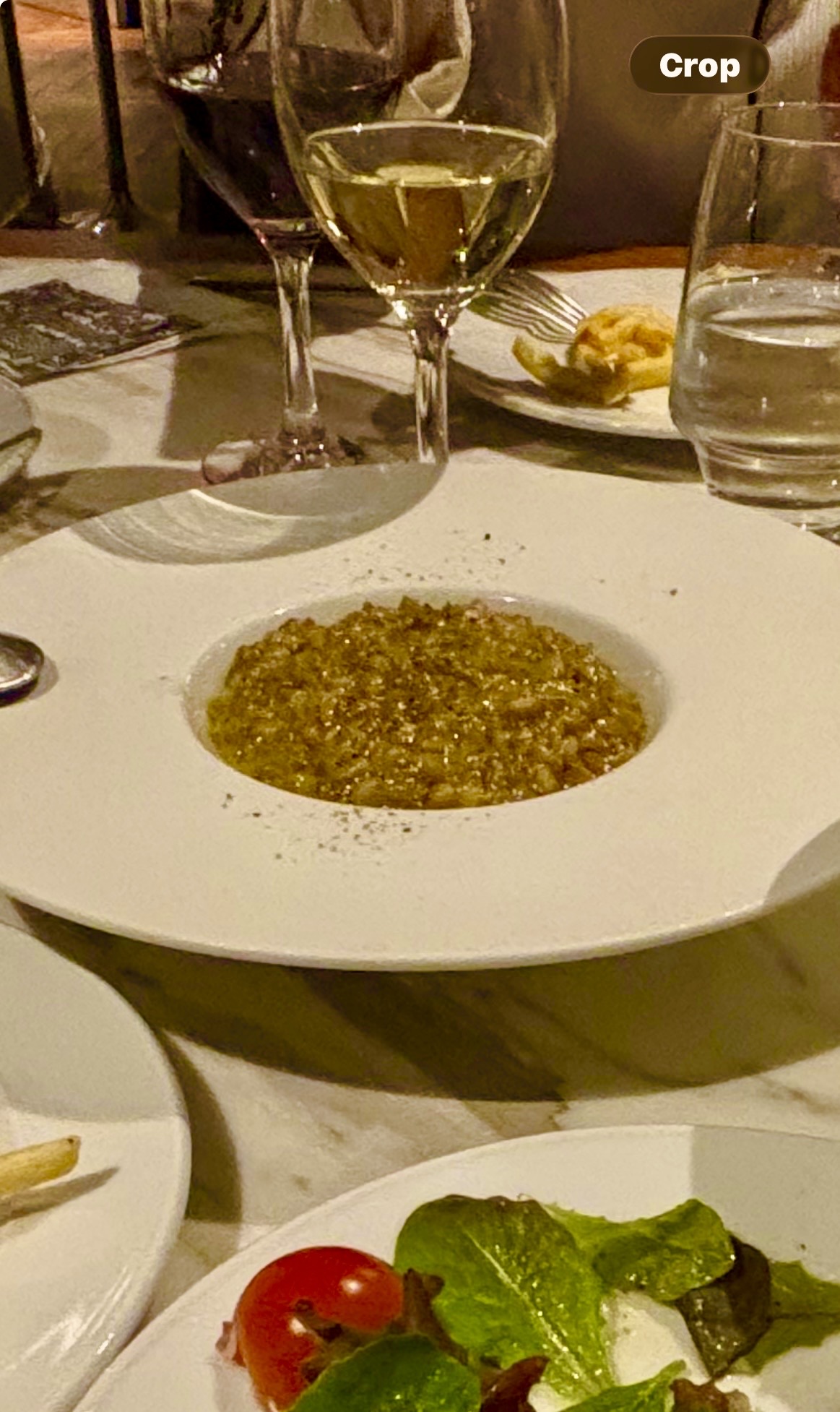
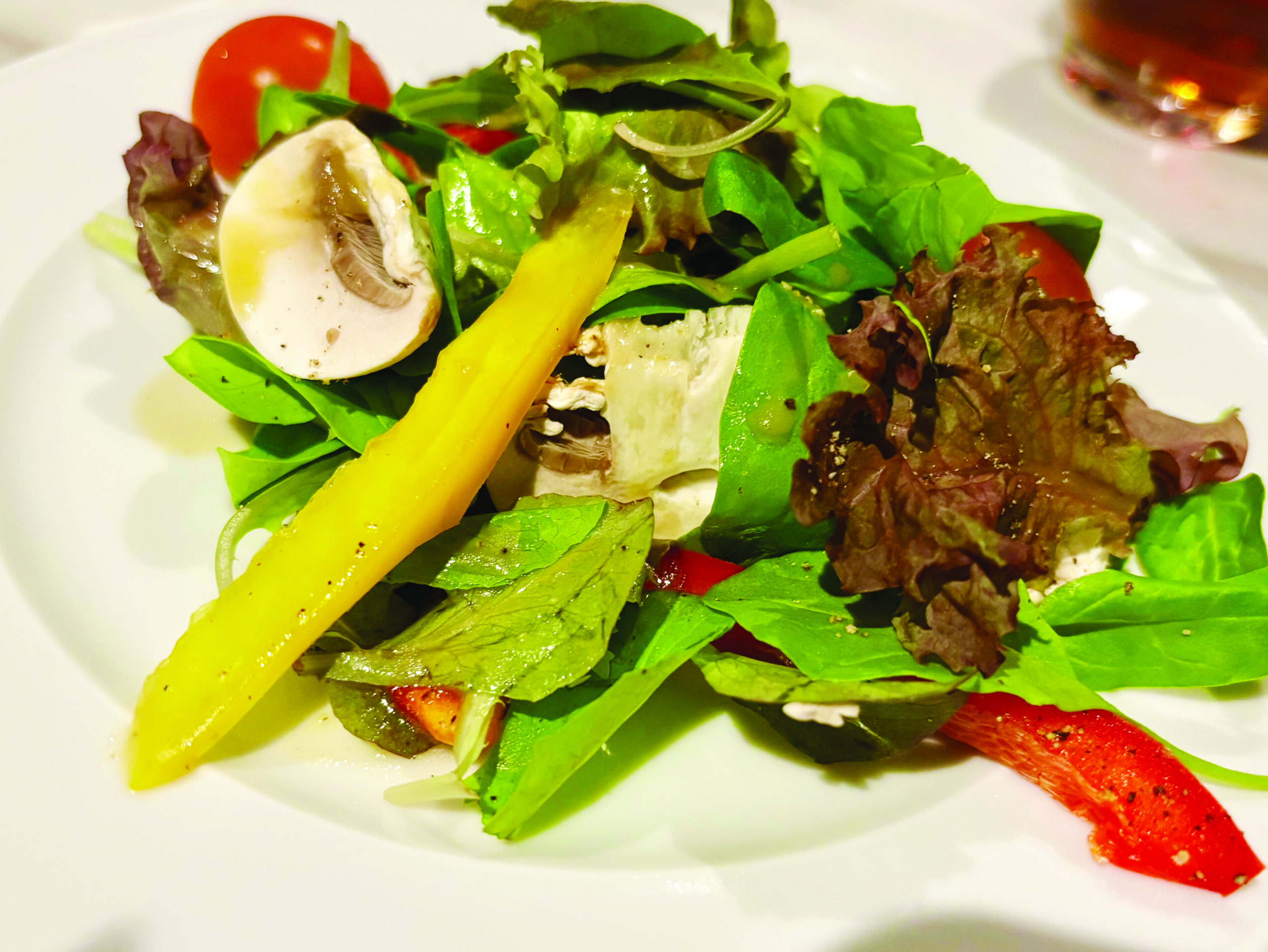
I was dining in a place well above earth. Well, quite literally, as this dining area called the Bistro, which at the time I shared with 30 other motoring media, Lexus and Toyota executives and curated by food director Daichi Tajima, is on the second floor. The ground floor is occupied by a café that serves world-class coffee, and premium craft tea called Morizo Tea that gets its inspiration from Mount Fuji.
The menu at the Bistro focuses on high-end Tokyo “comfort food” that mirrors the refinement of a Lexus vehicle interior. Although it isn’t a vegan nor vegetarian dining place, this flagship location has a strong commitment to plant-based dining. The regular dinner menu includes specific items such as a plant-based salad and a Vegan Bagna Cauda. The menu specifically lists “vegetarian options” and a “health and wellness menu” as standard features.
The pressure to make culinary art as high standard as possible may have rubbed off on Lexus—the world’s most recognized, trusted and reliable luxury brand—the right way. After all, cars and culinary arts are linked in many ways in history.
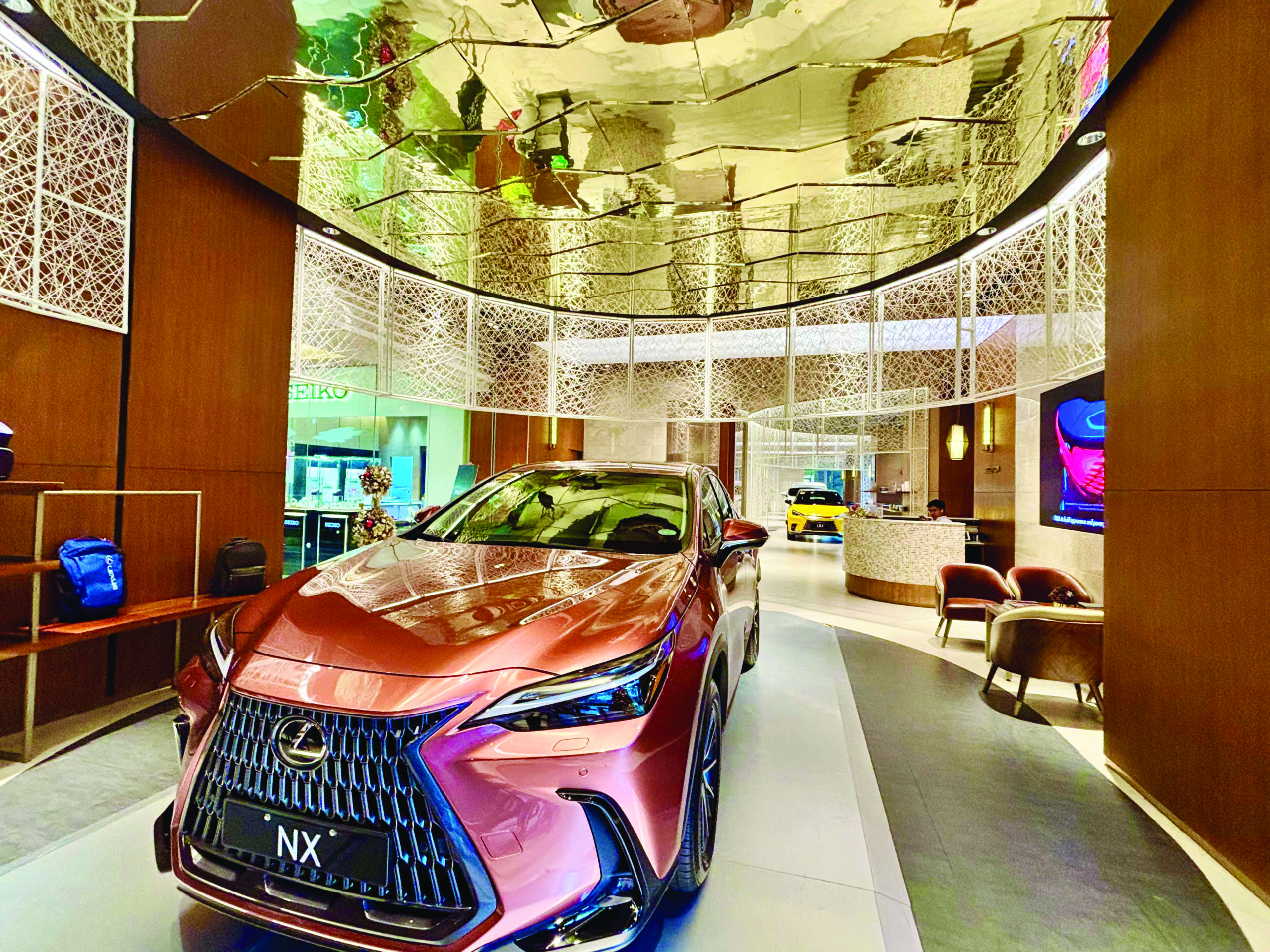
Lexus’ reputation for consistent quality engineering, cost effectiveness, and owner satisfaction wasn’t earned overnight. Before this brand became one of the world’s most impressive success stories, Toyota’s luxury division had to free itself from being the butt of jokes in the late ‘80s to being the preeminent benchmark for quality among the world’s top vehicles by the turn of the millennium, catching the traditional European luxury brands by surprise.
Lexus was already an affluent household name by the time I dined three times at Intersect by Lexus, for the same number of times I was hosted by Toyota for the Japan Mobility Show (JMS).
High standards in engineering, yoga, culinary space Lexus maintains high standards not just for engineering its vehicles, but also for the lifestyles of its executives. Lexus International president Takashi Watanabe, whom I met during the 2023 JMS, practices yoga.
Yoga has helped the executive achieve mental clarity and the keen focus to become a better corporate leader and auto engineer. Watanabe-san’s knack for auto engineering and adherence to yoga seem like an unlikely combo, but I think unusual “intersects” like this constitute the relentless pursuit of perfection.
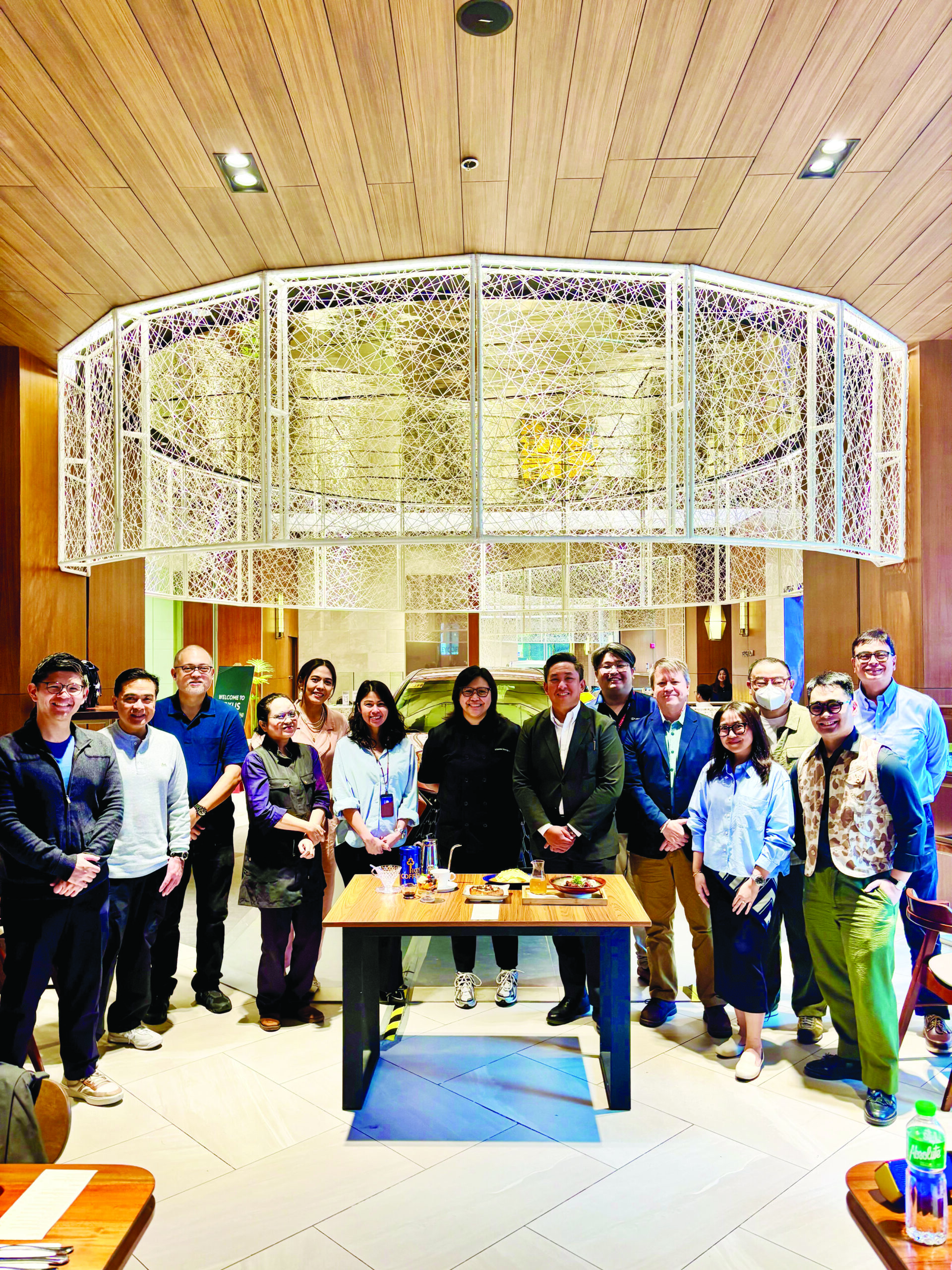
Lexus’ culinary spaces translate this into craftsmanship (“takumi”). Not only is the high standard of engineering replicated in Lexus workshops all over the world, but exceptional culinary standards as well. I had the same sensory and gustatory experience last Dec. 15 at Lexus Mitsukoshi in Bonifacio Global City, where Key Coffee Kissaten is situated.
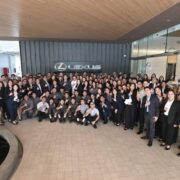
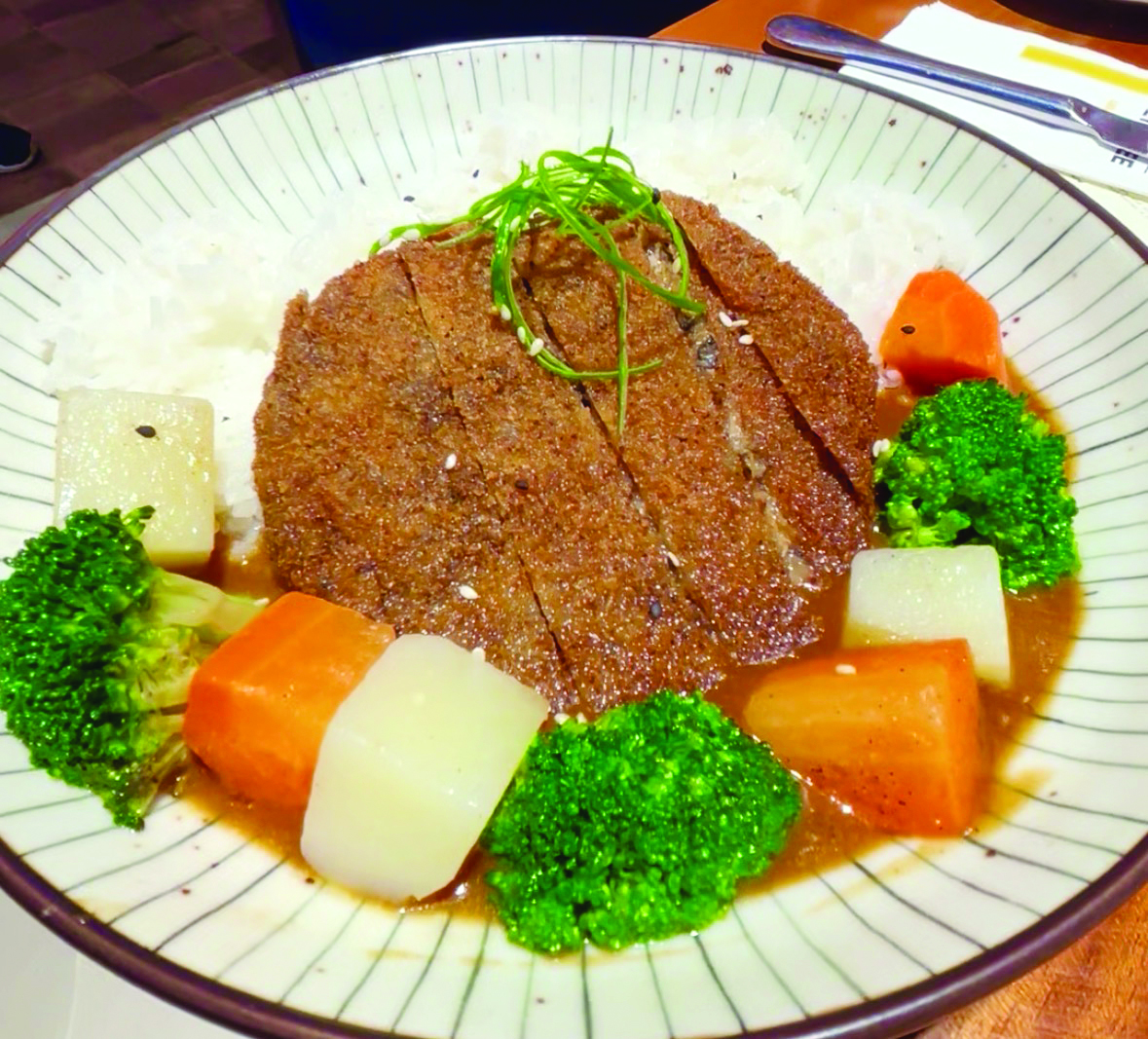
This time, it was executive chef Mianne Manguiat preparing Vegan Mushroom Katsu Curry for me, as well as other new Japanese-inspired dishes for the rest of the motoring media group.
It was a full house at lunchtime that day—proof that it’s doing something perfectly right for the BGC crowd.
As for me, I know Lexus’ dining spaces are doing something right for the vegan community, as their culinary team is making willful efforts to make Japanese vegan dishes part of the regular menu. I know one Lexus owner, a foreigner based in the Philippines, who is vegan. I might just recommend Key Coffee Kissaten to him. And when he visits Japan, I’ll recommend Intersect by Lexus.
There’s also Intersect by Lexus in Dubai in the United Arab Emirates. This one’s notable for its creative plant-based and “raw” options. There’s Lexus Meets, also in Tokyo, in Hibiya Midtown. It’s a more casual atmosphere, and its café called The Spindle is known for its incredibly precise “Picnic Delis” and bento-style meals that are visually stunning. I do hope it offers vegan or plant-based options, too.
Whether it’s the way chef Mianne slices the mushrooms for that Katsu Curry, or the way a master craftsman stitches a NuLuxe premium leather seat (that does not use animal skin, so it’s cruelty-free), the philosophy is the same: No detail is too small to be polished. Dining, and driving, to “perfection” is seamlessly interwoven—the food is as precision-engineered as the cars.
In Lexus’ world, it’s all about Omotenashi—the Japanese spirit of incredible hospitality where one anticipates a guest’s needs before the guest even realizes them.