








The luxury brand that actually won 2025 (and it’s not who you think)

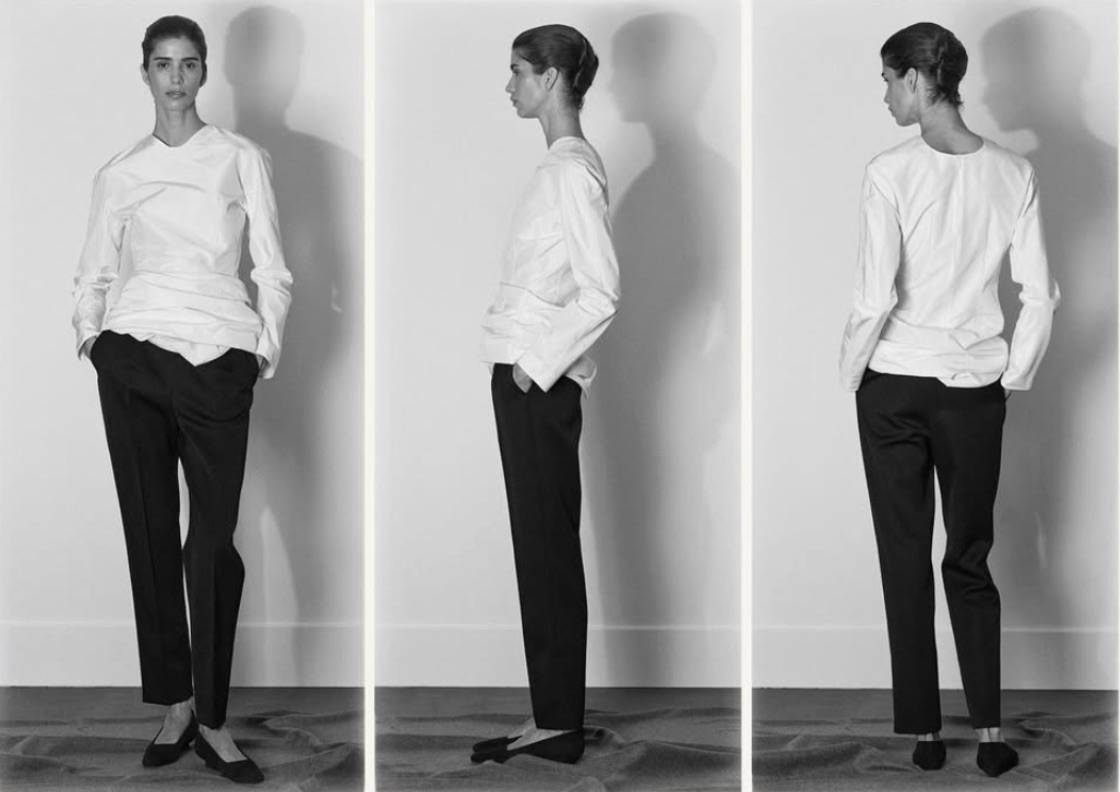
For a year that felt defined by excess—too many collections, too many creative director headlines, too many trends arriving and disappearing within weeks—2025 ended with an unexpected clarity.
Fashion did have a winner this year. Not the loudest brand. Not the most memeable. Not the one that dominated every red carpet or sparked the most discourse online. The luxury brand that truly won 2025 did something far more difficult: it shaped how people dressed, how they shopped, and how they understood “good taste,” without demanding constant attention.
Subtle influences, intentional styling
This was not a victory measured by virality or shock value. It was not about spectacle. It was about influence in its quietest, most durable form—the kind that embeds itself into wardrobes slowly, until it becomes the baseline.
If you look closely at the year in fashion, the signs are everywhere. The silhouettes people gravitated toward. The way styling softened instead of sharpened. The return to clothes that felt intentional without feeling performative. None of this happened by accident.
In a year where fashion fatigue reached new heights, the brands that chased attention often burned out the fastest. Viral drops aged poorly. Statement pieces turned into punchlines. What was once “directional” quickly felt dated. Meanwhile, the brand that defined 2025 never appeared to be chasing relevance at all. It did not reinvent itself every season. It did not rely on provocation. Instead, it did something unfashionable in an industry obsessed with novelty: it stayed consistent.
That consistency became its greatest asset. Season after season, the clothes arrived with a familiar calm—refined proportions, thoughtful construction, a palette that resisted trend theatrics. There were no drastic pivots, no desperate attempts to dominate the conversation. And yet, by midyear, its influence was undeniable. You saw it in street style images across cities. In editors’ off-duty uniforms. In the way influencers began dressing less “influenced.” The clothes did not demand attention; they rewarded close looking.
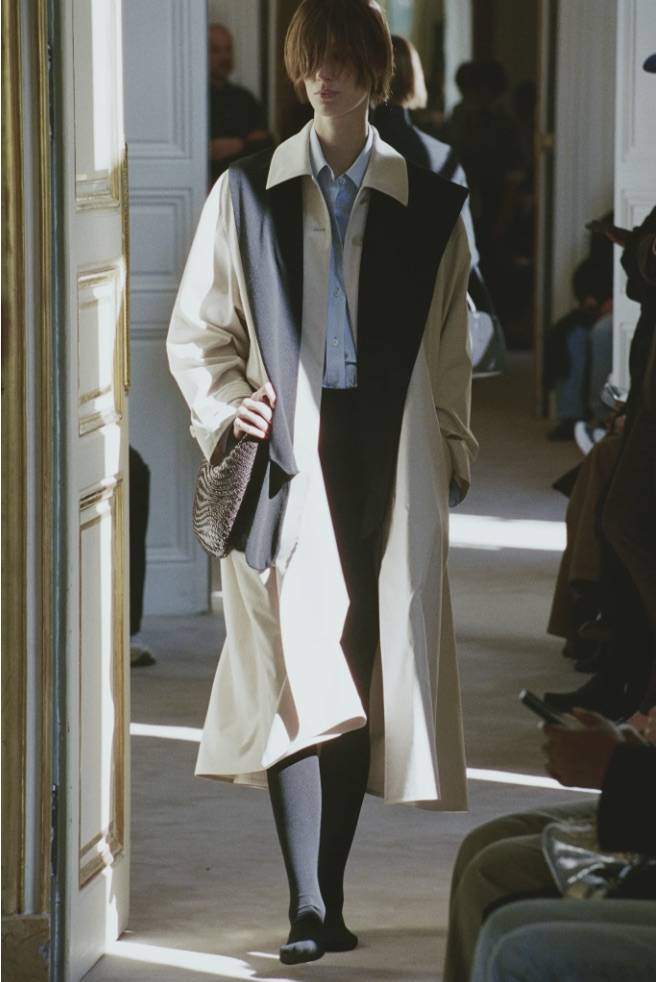
Grounded, steady, and lived in
On paper, the data support this quiet dominance. Search interest did not spike and crash—it stayed steady. Resale demand did not explode in a hype-driven frenzy, but it never disappeared either. Pieces circulated slowly, intentionally, held onto rather than flipped. These were not clothes bought for the algorithm. They were clothes bought to live in.
Culturally, the timing could not have been better. 2025 was not a year that asked for fantasy. Between economic pressure, creative turnover, and a general sense of instability, fashion began craving reliability again. People wanted clothes that felt grounding. Pieces that could move between contexts—work, travel, daily life—without needing to announce themselves. In that climate, the brand’s refusal to shout felt almost radical.
This was not “quiet luxury” as a trend, but as philosophy. Any guesses?
Another clue: not the aesthetic shorthand of wealth, but the confidence of restraint. The idea that luxury does not need logos, novelty, or explanation. That it can exist comfortably without trying to convince anyone. In a year when minimalism was no longer aspirational but expected, the brand understood how to evolve without losing itself.
Perhaps the most telling sign of its win came not from consumers, but from competitors. As the year progressed, other brands began orbiting its visual language—subtle shifts toward similar tailoring, softened silhouettes, familiar proportions. Even labels publicly rejecting minimalism started borrowing its calm. When a brand becomes the unspoken reference point for “good taste,” it has already won.

Trusting what’s to come
What makes this victory especially significant is what it signals about the future. Fashion success is no longer guaranteed by noise alone. Virality remains powerful, but it is increasingly fragile. Endurance, on the other hand, is proving more valuable than ever.
The brand that won 2025 did not dominate headlines. It stabilized the conversation. It offered something rare in a restless industry: trust.
Trust that the clothes would still feel relevant next season. Trust that they would age well. Trust that they represented a version of luxury—not dependent on trends, personalities, or constant reinvention. By the end of the year, the brand was no longer something people were talking about. It was something they were quietly wearing—again and again.
In an industry addicted to reinvention, winning by staying grounded might be the boldest move of all.
Strip away the noise, the hype cycles, the viral moments, and one brand remains as the year’s quiet constant: The Row. Not because it demanded relevance, but because it never needed to.