

Recto, ex-PhilHealth exec sued over fund transfer


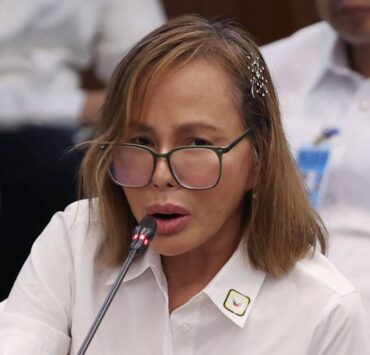
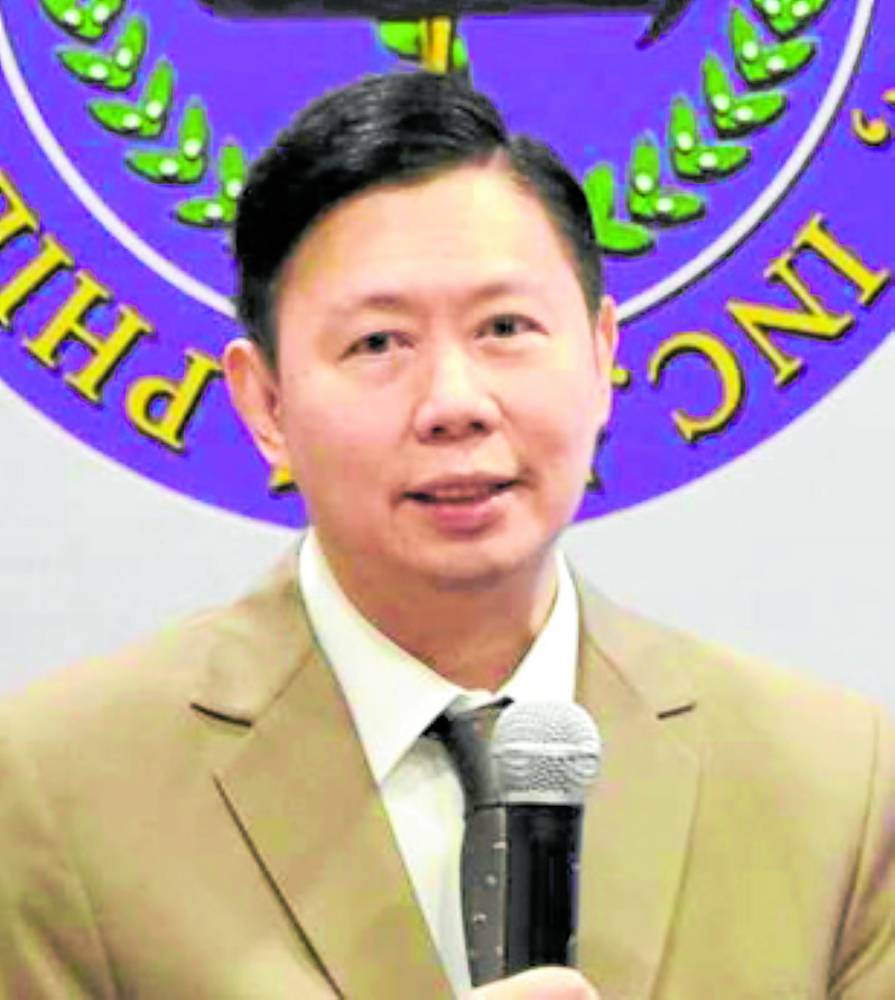
A Duterte-allied coalition has filed a plunder and technical malversation complaint against Executive Secretary Ralph Recto and former Philippine Health Insurance Corp. (PhilHealth) president Emmanuel Ledesma Jr. over the transfer of P60 billion in excess reserve funds to the national treasury.
The 15-page complaint-affidavit, filed before the Office of the Ombudsman on Monday by Save the Philippines Coalition, seeks the dismissal of Recto and Ledesma from government service for allegedly committing technical malversation under Article 220 of the Revised Penal Code, and violating Republic Act (RA) No. 3019 (Anti-Graft and Corrupt Practices Act) and RA 7080 (Anti-Plunder Act), as well as grave misconduct under RA 6713.
The complainants included Irene Caballes, Elmer Jugalbot, Gerlyn Ogong, Emerita Pecson, Susan Villar, Mussolini Lidasan, Jose Olivar, and Jaime Miralles.
In their pleading, they also asked the Ombudsman to file criminal information against the respondents before the Sandiganbayan for the plunder and graft accusations.
They accused Recto and Ledesma of “knowingly, willfully, maliciously, with evident bad faith, dishonesty and grave misconduct, unlawfully, illegally and intentionally transferred” the P60 billion in PhilHealth reserve funds to the national treasury.
This, they claimed, resulted in “great damage and prejudice to the government.”
Legal prohibitions
The complaint cited a provision of RA 7875, or the National Health Insurance Act of 1995, which states that whenever PhilHealth’s actual reserves exceed the required ceiling at the end of the corporation’s fiscal year, the “program’s benefits shall be increased or member contributions decreased prospectively in order to adjust expenditures or revenues to meet the required ceiling for reserve funds.”
They also pointed to Section 11 of RA 11223, or the Philippine Universal Health Care Act enacted in 2019, indicating that “no portion of the reserve fund or income thereof shall accrue to the general fund of the national government or to any of its agencies or instrumentalities, including government-owned or -controlled corporations (GOCCs).”
Both Recto and Ledesma, the complainants asserted, “intentionally transgressed said provisions of statutes for political patronage.”
The group specifically cited Recto, then the finance secretary, for including the PhilHealth reserve funds in the GOCCs’ excess funds despite several prohibitions in the law.
Ledesma, on the other hand, was allegedly accountable when he “acquiesced to the unlawful directive of respondent Recto, making them both guilty of technical malversation.”
Abuse of discretion
The case stemmed from the controversial transfer of P60 billion out of the P89.9 billion in PhilHealth’s unused subsidies to the national treasury to finance unprogrammed appropriations under the 2024 General Appropriations Act.
Recto instructed PhilHealth on April 24, 2024, to remit the amount to the government coffers—a directive later complied with by the PhilHealth board.
Several groups challenged the move, with the Supreme Court, in a Dec. 3 decision this year, ultimately ordering the return of the P60 billion to PhilHealth and prohibiting the transfer of the remaining P29.9 billion.
The latest filing before the Ombudsman is not the first to accuse Recto of technical malversation and/or plunder.
The 1Sambayan Coalition, which filed the third case questioning the transfer of the PhilHealth funds before the high tribunal, earlier claimed Recto committed the acts when he ordered the transfer of the funds.

Based on a 2006 Supreme Court ruling, technical malversation happens when a public officer who has custody or control of public funds applies those funds or property to a public use different from that for which they were originally appropriated by law.
The Supreme Court, however, declined to rule on Recto’s alleged criminal liability for technical malversation or plunder, as the consolidated petitions challenging the PhilHealth fund transfer were special civil actions limited to determining grave abuse of discretion.
No criminal liability
Recto welcomed the filing of the complaint as an opportunity to air his side, stressing his innocence by citing the opinion of four magistrates exonerating him from any criminal liability for the transfer of the PhilHealth funds.
Recto said he respected every citizen’s right to seek redress before the courts and would fully cooperate with the Office of the Ombudsman during the conduct of preliminary investigation.
“But let me reiterate my innocence, as opined by Supreme Court Justices, that no criminal liability may attach to me, as former Secretary of Finance, for acting in good faith and in accordance with a direct mandate from Congress in ordering the remittance of PhilHealth’s unused funds,” Recto noted in a statement sent to reporters.
“With the able representation by the Solicitor General, I welcome the opportunity to clarify the issues, prove my innocence, and debunk the allegations put forth,” he added.
Four justices of the high court asserted that Recto had no criminal liability for ordering the remittance of PhilHealth’s unused government subsidies to the national treasury in 2024.
In their separate opinions, Associate Justices Raul Villanueva, Ricardo Rosario, Rodil Zalameda and Samuel Gaerlan said that Recto, as then finance secretary “acted in good faith” in implementing the special provision in the 2024 budget law ordering the transfer of excess PhilHealth funds to fund unprogrammed appropriations. —WITH A REPORT FROM DEXTER CABALZA