




Biz group: Extend year-end deadline for tax, permits

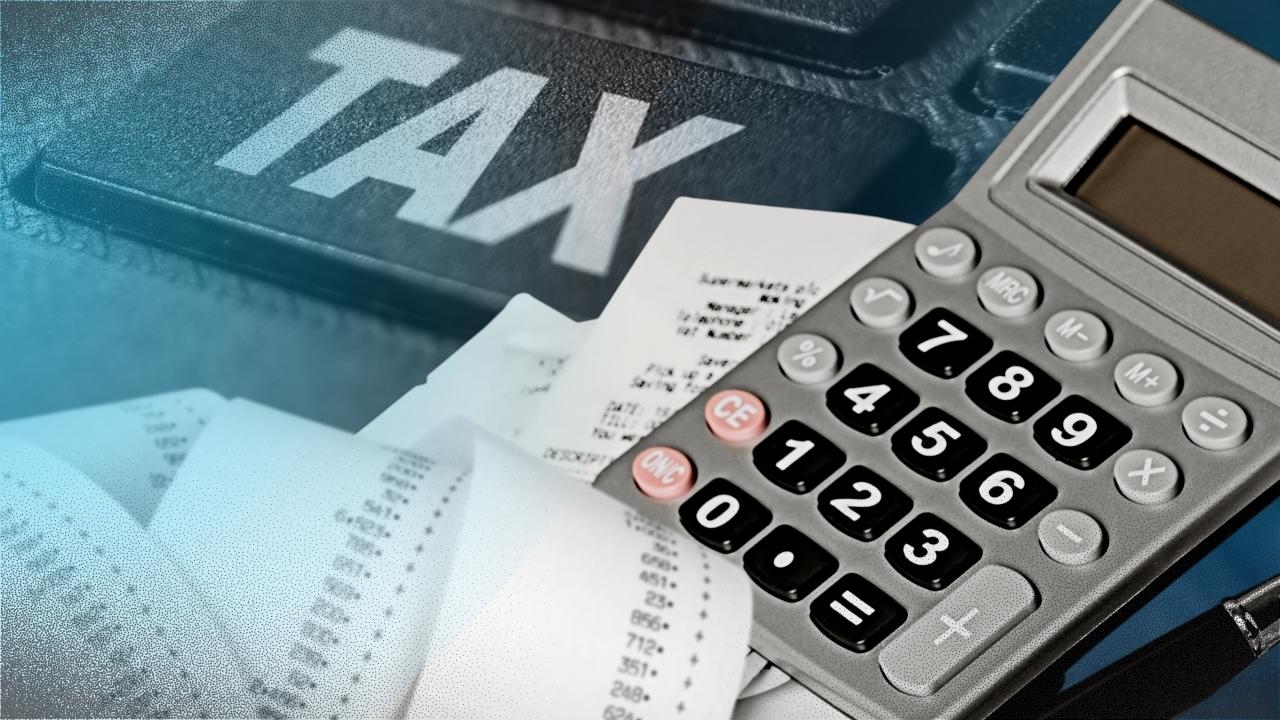
Businesses are urging the government to extend year-end deadlines for regulatory and tax filings after Malacañang suspended work in government offices on Dec. 29 and Jan. 2.
The suspension, announced on Dec. 18, was intended to give government employees more time and flexibility to celebrate New Year’s Day and also to promote tourism.
But the Philippine Chamber of Commerce and Industry (PCCI), the country’s largest business group, warned that halting work during the critical year-end period could disrupt transactions for firms rushing to meet compliance requirements.
Extend tax filing
“We at the business sector, specifically at the PCCI, understand the government’s intention to give public sector employees additional time with their families during the holidays,” PCCI president Enunina Mangio told the Inquirer.
“But the suspension of work on Dec. 29 and Jan. 2 may also delay important transactions for consumers and businesses, particularly year-end permits, clearances, and tax-related filings,” she added.
Several tax-related deadlines fall around the holidays, according to the Bureau of Internal Revenue’s online calendar. For instance, VAT-registered taxpayers are required to submit their quarterly summary of sales, purchases and importations for the fiscal quarter ending Nov. 30 by Dec. 25.
Deadlines set on Dec. 30 include the submission of audited financial statements for the fiscal year ending Aug. 31, as well as soft copies of inventory lists and schedules for the fiscal year ending Nov. 30.
Manufacturers, assemblers and importers are also required to submit sworn statements for each brand or model of automobile, alcohol products, tobacco products and sweetened beverages for the second semester on Dec. 31.
At the start of the year, stockbrokers must submit their consolidated returns covering transactions from Dec. 16 to Dec. 31. Given the timing of these requirements, the PCCI said the work suspension warrants flexibility from the government.
“To ensure fairness and avoid unnecessary penalties, PCCI believes it would be reasonable for the government to consider extending tax filing and payment deadlines that fall within or immediately after the work suspension, while continuing to maximize digital platforms to minimize disruption to economic activity,” the chamber said.
Management discretion
Work suspension in private companies remains at the discretion of management, Malacañang said.
Sought for comment, Executive Secretary Ralph Recto did not give a direct answer on whether the government would extend the deadline for the filing of taxes, among others.
Recto, who issued the memo on the work suspension, reassured that essential government offices would operate on Dec. 29 and Jan. 2.
“All front-line [government] offices will be open. Government service continues,” he curtly told the Inquirer in a Viber message.
No instructions for LGUs
The national government also did not provide instructions to local government units (LGUs) on how to deal with the consequences of the work suspension.
Most LGUs provide discounts on real property tax payments for 2026 to individuals paying in advance, like in the last week of December.
The deadline for settling real property taxes for the fourth quarter of 2025 is also on Dec. 31.
In Metro Manila, the Parañaque City’s Land Tax Office will remain open from Dec. 29 to Dec. 31 despite the work suspension to accept realty tax payments. However, it will be open only from 8 a.m. to 12 noon.

‘Lost productivity vs rest’
According to economics professor Justin Ranier Chan of the University of the Philippines, suspending or shortening work hours in both the public and private sectors for holidays “can be disruptive especially if the decision to suspend was not done voluntarily.”
“Many businesses require continuous operations regardless of holidays or not. Staff often go on leave simultaneously during this period which makes it hard for businesses to operate even if they wanted to,” he said in an email to the Inquirer.
Moreover, Chan said, “it is difficult to determine whether businesses are earning more” during the holidays, noting that revenues are affected by “several counteracting factors.”
For labor groups, however, holiday breaks are important to enable employees to rest and recharge.
“[S]ome businesses worry about lost productivity. But an exhausted worker is more costly than a day off. Rest rejuvenates the body and improves mental health, morale, and productivity when work resumes,” said Nagkaisa labor coalition chair Sonny Matula.
“Our trade union perspective tells us that holidays are not ‘lost days’ for the economy; they’re investments in people,” he said. “Like a machine, an economy that never rests eventually breaks down.”
Labor group Sentro ng mga Nagkakaisa at Progresibong Manggagawa also stressed that workers have the right to adequate rest and holidays “are part of recognizing this right.”
Basis for rules
In a statement to the Inquirer, Labor Secretary Bienvenido Laguesma acknowledged that long holidays may impact businesses because it also means additional pay for employees who still need to report.
“But we must also remember that most of the declared holidays are ‘regular’ holidays that were established by laws or policies. When it comes to special or nonworking days, there is a basis for the rules released for the private sector,” he said. —WITH A REPORT FORM DEXTER CABALZA