

MMFF 2025 aims beyond escapism

With the nation still reeling from a spate of natural disasters and grappling with political and corruption crises, organizers of the Metro Manila Film Festival (MMFF) hope the annual showbiz tradition could, at the very least, provide a “welcome respite” this holiday season.
While Christmas is typically associated with lighthearted fun, the roster of the MMFF’s 51st edition may have unwittingly captured the complex realities Filipinos face today. Yes, the staples are still there—the comedy, horror, and family dramas revelers have historically gravitated to—but this year’s eight entries don’t stop there.
The movies explore issues such as professional burnout, institutional corruption, and state violence. They reflect on digital isolation, modern dating, and the physical and emotional tedium of the annulment process. Inclusivity is treated genuinely, and not as mere lip service, with films that tackle queer parenting, non-traditional families, as well as the agency of people with intellectual and developmental disabilities.
“These stories about real-life issues and struggles are a testament to the resilience and humanity of Filipinos, making the festival more than just an escape, but a reflection of the times,” MMFF spokesperson Noel Ferrer tells Lifestyle Inquirer.
Revitalized storytelling
This diversity in genres and topics, Ferrer adds, aligns with this edition’s theme, “A New Era for Philippine Cinema.” “It suggests a revitalization of local storytelling and showcases the best of Filipino cinema,” he says. “The MMFF is a platform for Filipino voices to be heard.”
And to give each entry a better fighting chance at the box office—at a time when the local industry needs all the support it can get to bring audiences back to cinemas—the festival has reverted to its more common eight-film roster after two years of offering 10.
“With this more focused approach, producers can hopefully recoup their investments, and viewers get to enjoy the films in more theaters,” Ferrer points out. “By doing so, the festival—as it moves beyond its Golden Year—can maintain its standards and continue celebrating Philippine cinema.”
Here are the eight films competing in this year’s festival, which will run in theaters nationwide starting Dec. 25, 2025, to Jan. 14, 2026:
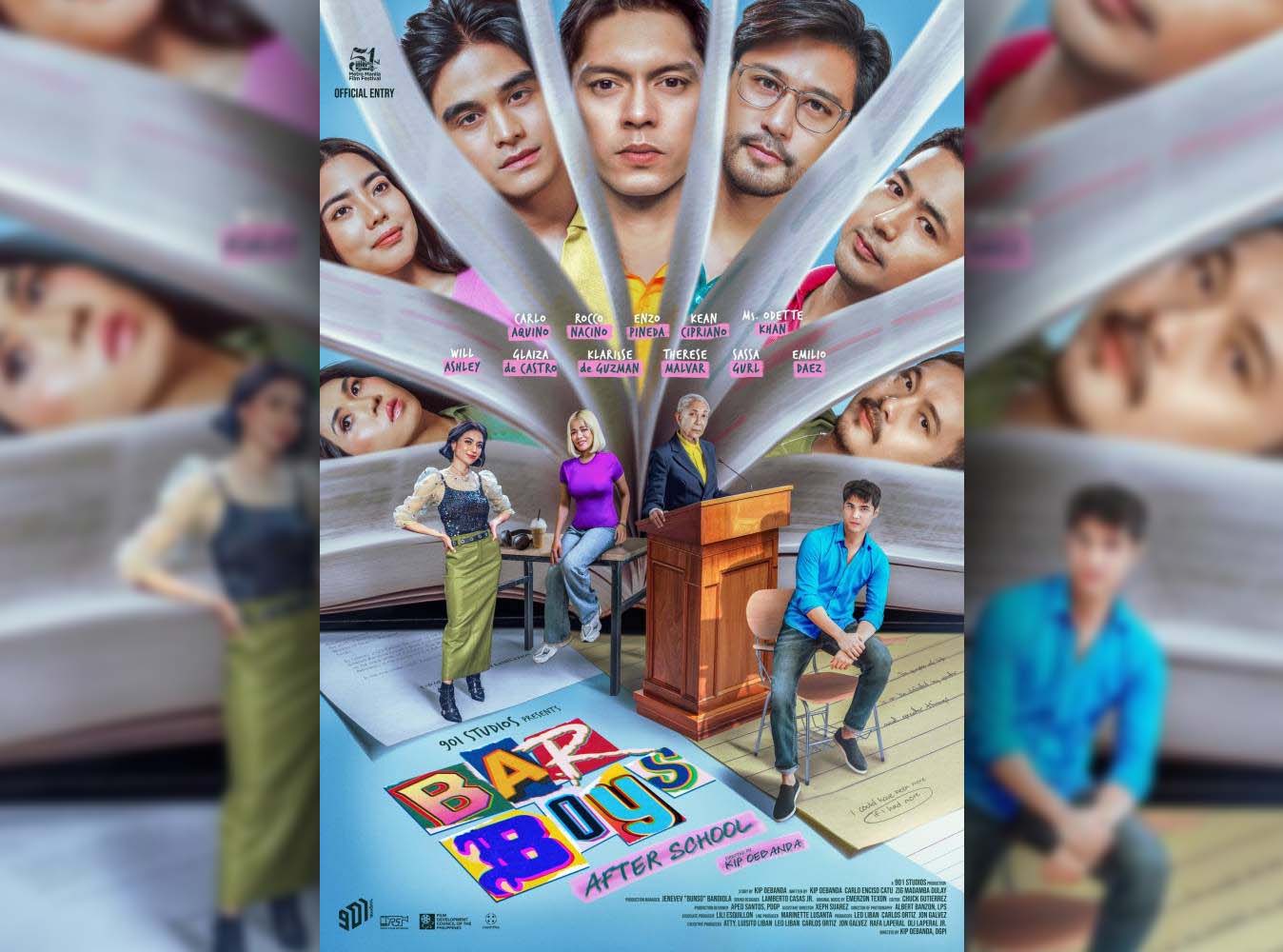
“Bar Boys: After School”
Kip Oebanda | 901 Studios
The original Bar Boys—Carlo Aquino, Rocco Nacino, Enzo Pineda, and Kean Cipriano—return onscreen not as the wide-eyed law students they once were but as weary professionals jaded by the realities of the Philippine legal system.
The movie tackles professional burnout, the cost of ambition, and the hurdles young Filipinos face in upholding justice in a systematically flawed world.

“Call Me Mother”
Jun Robles Lana | Star Cinema, The IdeaFirst Company, Viva Entertainment
In this fabulous “mother-off,” Vice Ganda stars as a queer single parent whose life turns upside down when her adoptive son’s biological mother, played by Nadine Lustre, returns out of nowhere after prioritizing her modeling career. Although filled with laughs and high on glam, the film also highlights the legal vulnerabilities of LGBTQIA+ parents and the complexities of adoption, more so for non-traditional families.
In the end, it asks the question: Is motherhood a matter of biology or a commitment to showing up?
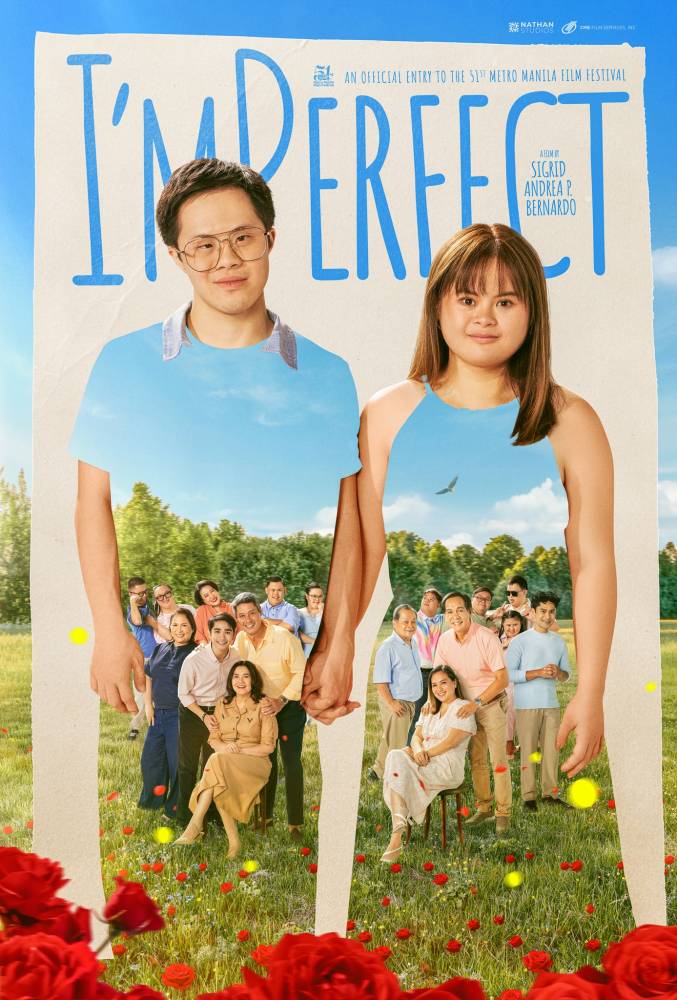
“I’mPerfect”
Sigrid Andrea Bernardo | Nathan Studios
This landmark film for disability rights and inclusion shines the spotlight on first-time actors with Down syndrome. Led by Earl Amaba and Krystel Go, this offering isn’t a medical case study—as persons with intellectual and developmental disabilities are typically portrayed in media—but a dignified, tender love story.
It challenges common stigmas and misconceptions about people with Down syndrome, showing that they, too, can lead independent and romantically rich lives.

“Love You So Bad”
Mae Cruz-Alviar | Star Cinema, GMA Pictures, Regal Entertainment
Former “Pinoy Big Brother” housemates Bianca de Vera, Will Ashley, and Dustin Yu form an irresistible love triangle that explores the challenges of Gen Z dating and romance. While it promises a big dose of kilig, the film also toys with the idea that questionable partner choices may be passed on by parents.
It also presents that classic rom-com dilemma: Do you choose the exciting but volatile kind of love, or the steady, if uneventful, calm one?
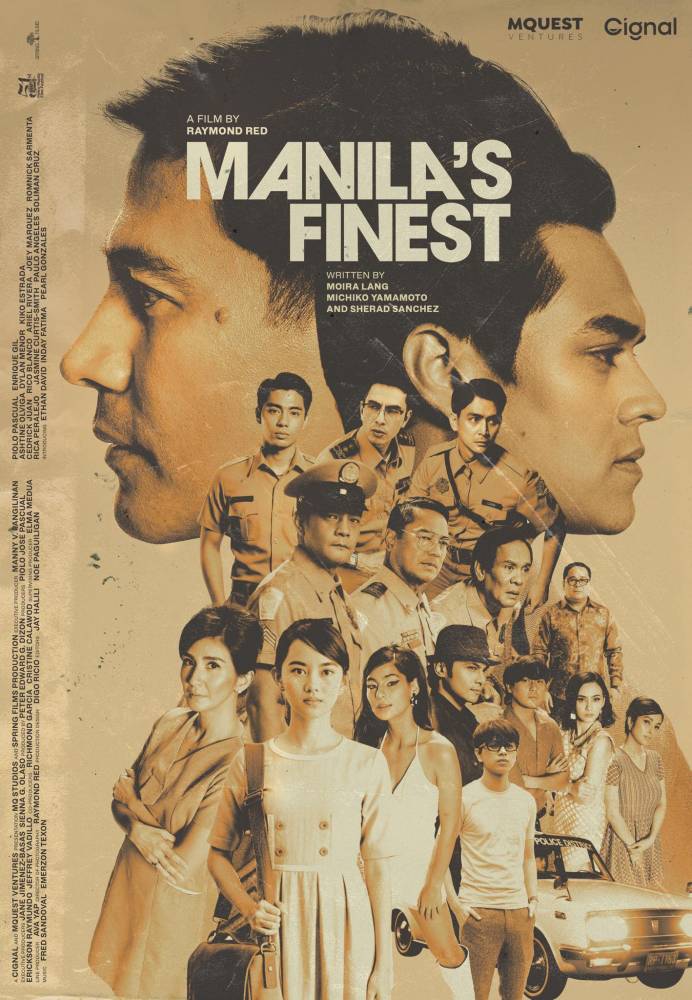
“Manila’s Finest”
Raymond Red | MQuest Ventures, Cignal TV
Set during the First Quarter Storm of 1969, this gritty thriller stars Piolo Pascual and Enrique Gil as police officers looking into a brutal murder in the slums.

By revisiting this turbulent period in history, the movie exposes societal and institutional ills that persist today, like issues of corruption, police integrity, and unlawful practices. It stresses the value of brotherhood and duty, but also reminds us that the search for justice often comes at a cost and moral compromise.

“Rekonek”
Jade Castro | Reality MM Studios
The internet goes kaput 10 days before Christmas—what do you do? Led by Gerald Anderson, Bela Padilla, Andrea Brillantes, and Carmina Villarroel, the ensemble cast brings to life a story exploring the world’s digital dependency.
In this intertwining of multiple narratives, the characters are forced to return to the analog way of life and eventually realize that while social media has made us more connected than ever, it has also disconnected us from the people—even as we sit at the same dinner table.
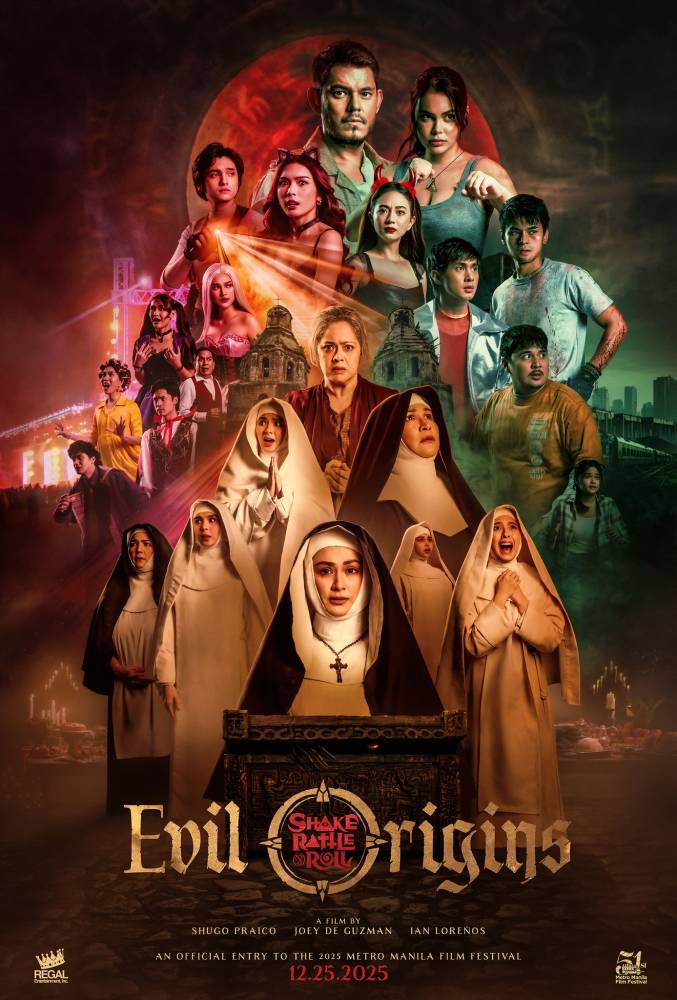
“Shake Rattle and Roll Evil Origins”
Shugo Praico, Joey de Guzman, Ian Loreños | Regal Entertainment
The beloved horror franchise returns with a three-part feature set across three centuries. In “1775” (Carla Abellana, Janice de Belen), a convent wards off ancient demons; in “2025” (Francine Diaz, Seth Fedelin, Fyang Smith, JM Ibarra), a Halloween masquerade turns bloody; and in “2050” (Richard Gutierrez, Ivana Alawi), a post-apocalyptic world sees aswangs reign.
The 17th installment uses folklore as a lens on social history, with themes ranging from colonial and religious oppression to environmental justice and environmental collapse.
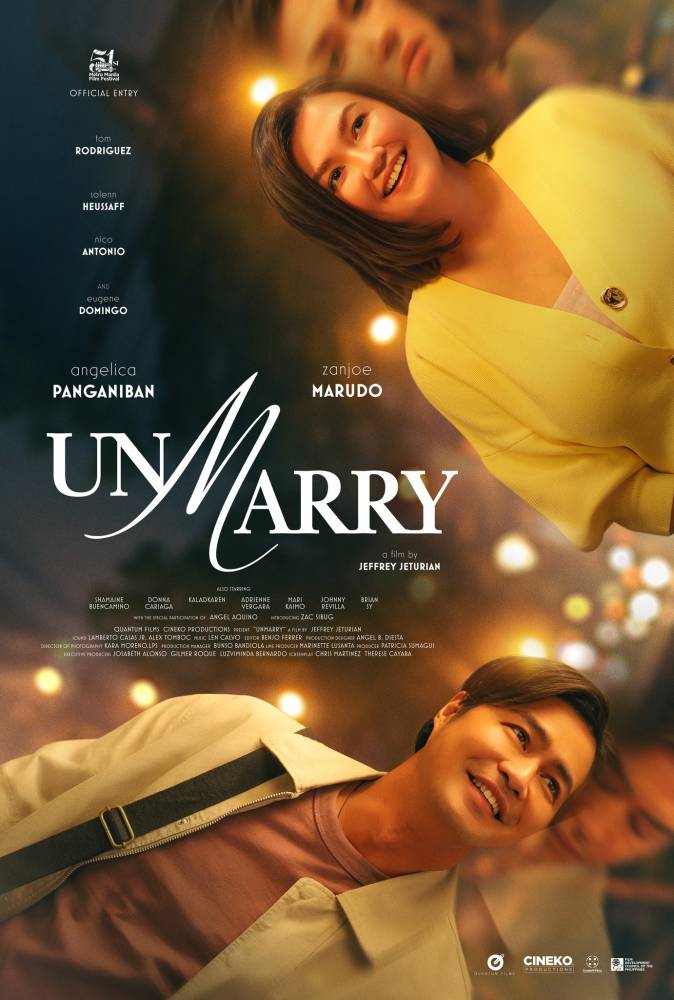
“Unmarry”
Jeffrey Jeturian | Quantum Films
Angelica Panganiban and Zanjoe Marudo give an unsentimental portrayal of a marriage that ends, not with a single dramatic moment, but with the gradual fading of love.
As the Philippines—the only country outside Vatican City without a divorce law—debates its necessity, the film depicts the legal limbo and the family wreckage couples find themselves in amid the long, financially draining process of annulment.