









Harnessing the young for biodiversity action

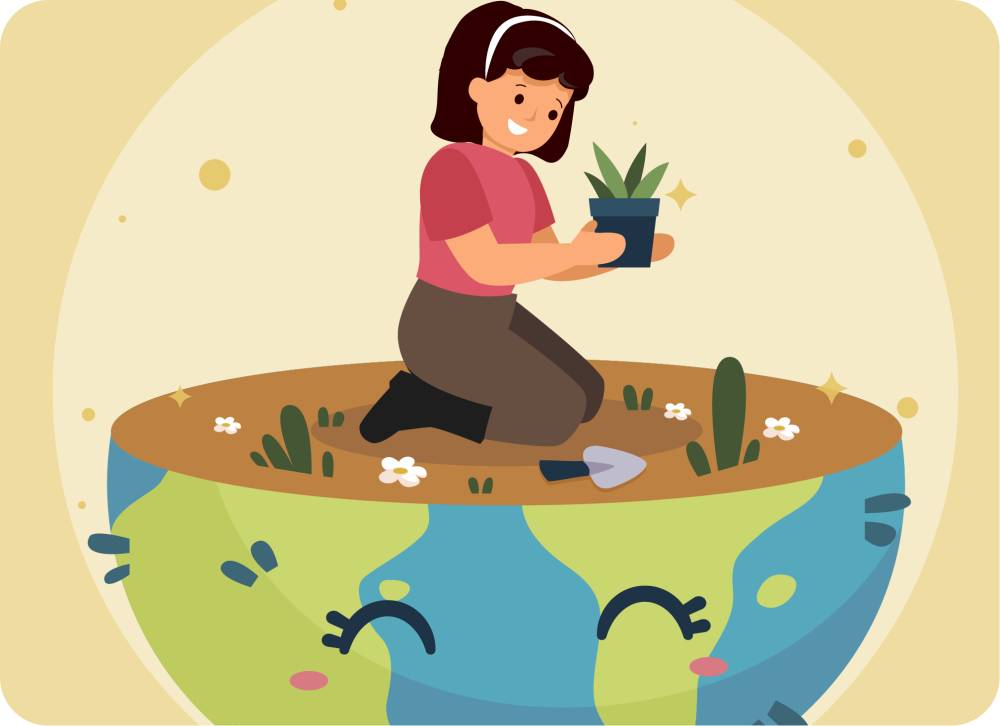
The #Youth4Biodiversity (Y4B) 2.0 Project, funded by the Foundation for the Philippine Environment (FPE) and co-implemented by YGOAL Inc., is a youth-led grants program that empowers young people to become active agents of change in combating climate impacts and advancing biodiversity conservation.
The program aligns with global environmental frameworks such as the UN Sustainable Development Goals (SDG 13 Climate Action, 14 Life Below Water, and 15 Life on Land) and the Kunming-Montreal Global Biodiversity Framework, while strengthening its Environmental, Social, Governance (ESG) approach—environmental protection through local conservation efforts, the social empowerment of youth leaders, and governance through participatory, transparent monitoring and evaluation.
Across both cohorts, #Y4B 2.0 has supported over a hundred youth organizations nationwide, demonstrating the ability of young conservation leaders to implement work at ground level and influence long-term environmental stewardship. The portfolio of funded projects cuts across leadership and volunteerism development, scientific and ecological research, module development, endemic tree planting, biodiversity-focused training, and creative productions like original songs and youth camps that have already mobilized 240 young advocates, including through youth-led environmental camps and peer-learning engagements.
Vital response
FPE’s investment reflects a proactive strategy to safeguard biodiversity as a vital response to climate change. Meanwhile, YGOAL’s role as a youth engagement partner strengthens governance support for grantees, ensuring mentorship, accountability mechanisms, reporting compliance, and monitoring continuity across implementation cycles.
Outcomes Harvesting, one of the program’s key evaluation strategies, further supports youth organizations to assess behavioral shifts and community impact during or after implementation, enriching conventional monitoring and evaluation through participatory, results-based reflection by offering a clearer picture of how youth-led projects are creating real impact in their communities.
Among the youth organizations that have shown remarkable project journeys are the Biology Integrated Organization’s Project KAGWANG, focused on protecting the Philippine colugo in Anda, Bohol; Yey Initiative Inc.’s creative climate and biodiversity education program for young artists; the Youth Advocates Through Theater Arts Inc., which accelerated conservation communication in Dumaguete City through youth-led theater, storytelling, workshops, and plays that bridged science and community advocacy; and I Am A Legacy’s Save Negros Forests 2.0 initiative, which helps restore forest ecosystems and shaping youth environmental leadership through reforestation, eco-camps, and technical learning partnerships within the Northern Negros Natural Park.
There’s also UP ECOSYSTEMSS’s Sarikulay Project, which promotes early appreciation for Philippine endemic marine species of the Verde Island Passage through a locally contextualized coloring and biodiversity activity book.
These youth organizations are not only partners supported by the initiative, they also represent shared patterns of learning, adaptation, creativity, and scaled local action, offering a glimpse into how youth leadership evolves across implementation contexts.

Accessible learning
Youth partners driving impact through education, policy influence, enterprise, and direct conservation action remain at the core of the program’s implementation model, extending its knowledge products into accessible learning and creative engagement formats across communities nationwide.
Despite varied implementation contexts, #Youth4Biodiversity shows that when young Filipinos are entrusted with resources, mentorship, and creative space, they expand conservation participation while sustaining scientific integrity and community ownership.
Even amid challenges such as time constraints, coordination delays, limited budgets, and unpredictable weather, youth partners and their communities remain deeply committed to local biodiversity action. Their continued efforts fuel a growing nationwide movement for environmental stewardship, climate resilience, and community-led conservation.

Making every peso count