
Tips on how to shop your own closet

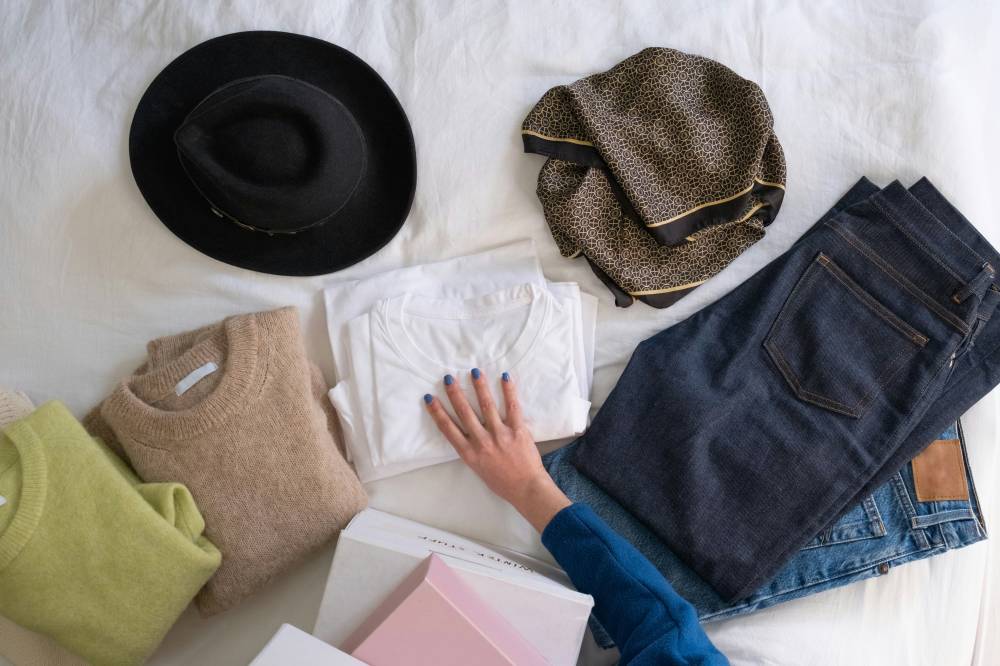
I have a confession. I may be a bit of a shopaholic. An event? I run to the mall. A booked trip? Best believe I’m already adding things to my cart. Shopping has always felt like preparation, like armor, like a way to feel ready for whatever life throws my way.
But let’s be honest: the phrase “I have nothing to wear” is rarely factual. It’s emotional. It usually means I’m bored, I’m uninspired, or my closet is quietly judging me. And maybe it’s also a sign that we don’t actually need to shop anymore, or at least not right now.
Think of this as permission to press pause. A buying freeze, but not the restrictive, no-fun kind. More like a reset. One where you stop chasing the next new thing and start paying attention to what you already own. Most of us aren’t lacking clothes. We’re lacking perspective.
Before you default to another late-night online cart, try this instead: shop your own closet with intention, imagination, and just enough main-character energy to make getting dressed feel exciting again.
1. Think of your closet as a mood board, not a storage unit
A closet should inspire, not overwhelm. When it functions purely as storage, it becomes easy to forget what you own and default to buying more. Treating it like a mood board shifts the focus from quantity to cohesion.
Look at your clothes together and notice the story they tell. Are there recurring colors, silhouettes, or textures? Those patterns reveal your true style far more than trends ever could. When your closet reflects a clear visual identity, getting dressed becomes instinctive instead of stressful.
2. Take everything out and only put back the real you
Removing everything from your closet forces you to confront what you actually own, not what you think you own. As you put items back, evaluate them honestly and in the context of your current life.
Keep what fits your body now, suits your daily routine, and makes you feel confident without negotiation. Clothes tied to past versions of yourself or hypothetical futures tend to create guilt rather than excitement. A functional closet supports who you are today.
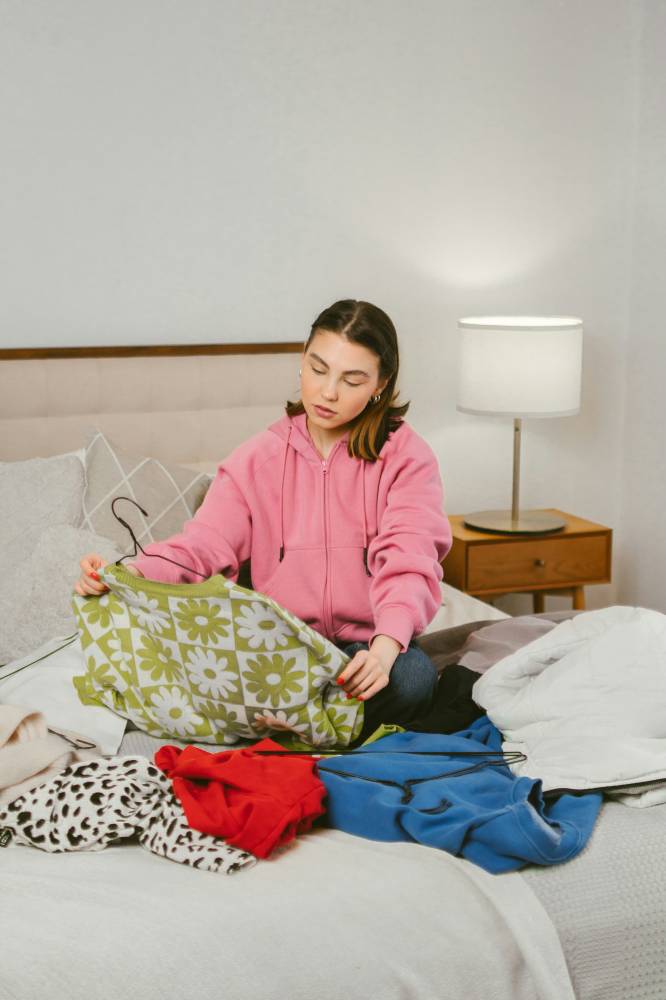
3. Rearrange with intention
How your closet is arranged directly affects how you use it. Grouping items by category or color creates visibility and makes styling easier. Starting with neutrals and moving into accent colors gives your eye a natural flow and highlights your most versatile pieces.
An intentional layout turns your closet into a resource rather than a guessing game. When everything is easy to see, you’re far more likely to experiment and build outfits you might have otherwise overlooked.
4. Give your closet VIPs the attention they deserve
Your closet staples are the pieces that do the heavy lifting. They anchor your outfits, travel well between occasions, and make everything else work harder.
Identify these VIPs and position them where you can see them immediately. When your best pieces are accessible, they naturally become the starting point for your outfits. Strong foundations simplify decision-making and elevate even the most basic combinations.
5. Shrink your options to strengthen your style
Limiting your choices forces intention. By selecting a small group of pieces to wear over a set period, you begin to understand how they interact with each other and where gaps or opportunities exist.
This practice sharpens your styling instincts. You learn to rely less on novelty and more on creativity. The result is a clearer sense of what you actually need, and what you don’t.
6. Play stylist for your future self
Planning outfits in advance removes daily friction. It also allows you to see your wardrobe as a system rather than individual items.
Taking photos also creates a visual archive you can return to when time or energy is low. These images become proof that your closet works, and that you already have reliable options waiting for you.

7. Dress for the life you’re actually living

One of the biggest reasons we feel disconnected from our closets is that they’re often built for lives we don’t consistently live. We save our “best” pieces for hypothetical moments while rotating the same safe outfits, day after day.
Shopping your own closet means taking an honest look at how you spend your time: workdays, errands, dinners, weekends. If most of your days are casual but your closet skews overly formal, frustration is inevitable. The goal isn’t to eliminate aspirational pieces, but to ensure the majority of your wardrobe supports your real, everyday rhythm.
8. Create outfit formulas and repeat them
Style doesn’t require constant reinvention. In fact, the most stylish people tend to repeat silhouettes and combinations that they know work for them.
Pay attention to patterns. The proportions you gravitate toward. The necklines you prefer. The shoes you wear on repeat. These are clues. Once you identify your outfit formulas, getting dressed becomes faster and more intuitive. Repetition isn’t boring. It’s a signature.
9. Accessorize with intention
When an outfit feels flat, the issue is rarely the clothing itself. It’s the finishing touches.
Before dismissing a look, experiment with what you already have. Add a belt to change proportions. Swap shoes to shift the tone. Layer jewelry or remove it entirely. Accessories are the quickest way to restyle an outfit without introducing something new, and they often reveal how versatile your wardrobe already is.
10. Retire the “almost” pieces
Almost-fitting, almost-flattering clothes create unnecessary stress. They sit in your closet as reminders of compromise, waiting for the right mood, the right event, or the right version of you.
Shopping your closet means editing with clarity. If a piece requires too many conditions to work, it’s not serving you. Letting go creates space, both physically and mentally, for the clothes that actually support your confidence.