Files by Cabral shown to Ombudsman ‘partial’

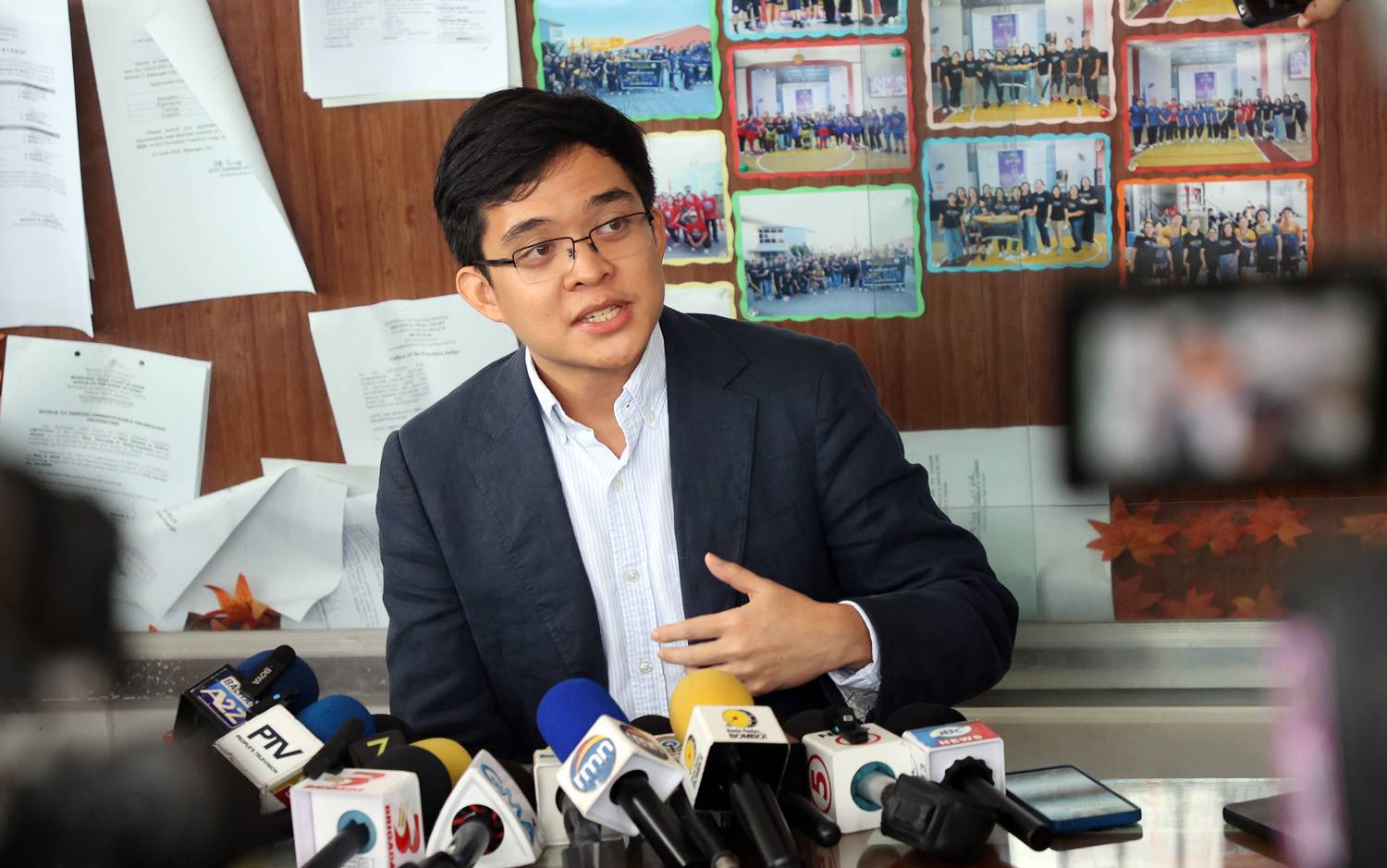
Investigators from the Office of the Ombudsman approached Batangas Rep. Leandro Leviste to examine the so-called “Cabral files” in his possession, but the lawmaker agreed to show only portions and not the full set of documents, Assistant Ombudsman Mico Clavano said on Monday.
Leviste had claimed to possess documents from the late Public Works Undersecretary Maria Catalina Cabral that could shed light on insertions in the 2025 national budget, which critics said was bloated with “allocable” and discretionary funds.
Following the lawmaker’s public pronouncement, investigators met with Leviste on Nov. 26 as a matter of prudence and diligence while Cabral was still alive and was represented by a counsel, Clavano said in a video statement released on Monday.
“During this engagement, Congressman Leviste presented only limited portions of the list responsive, in fairness, to specific inquiries, but he did not present the entire set of files he claimed to possess, even when asked to do so,” he said.
Case on Gardiola
But contrary to Clavano’s claim, Leviste said he presented to the Ombudsman both the “DPWH summary and Excel spreadsheet” of the 2025 National Expenditure Program (NEP), the President’s budget that was submitted to Congress for its approval.
He said Clavano wasn’t part of the meeting so it would be best for those present “to speak for themselves.”
“I invited the Ombudsman’s team to go through the file further, but they did not seem too interested. Their questions during our meeting were more about projects linked to Congressman Edwin Gardiola, and I was the one showing them the file, which I said would be helpful for all their investigations. The team, however, was more focused on their assignment to build a case on Congressman Gardiola,” he added, referring to the representative of the CWS party list.
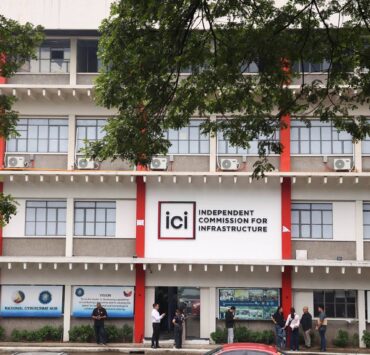
Also present at the meeting were members of the Independent Commission for Infrastructure, according to Leviste, who said he invited the team of investigators to a follow-up meeting but has so far not gotten a response.
On Dec. 24, Leviste posted on his Facebook page the 2025 Department of Public Works and Highways (DPWH) budgets of the district engineering office for each of the more than 250 legislative districts across the country.
He said he obtained the documents on Sept. 4 from Cabral, a key figure in the preparation of the DPWH budget and in the inquiries into anomalous public works projects, who died after falling to the bottom of a ravine beside Kennon Road in Tuba, Benguet, on Dec. 18.
Compare all copies
The documents show the amounts, from millions to billions of pesos, in alleged “allocable” funds per district in the NEP and in the final General Appropriations Act, or national budget, signed by the President.
Leviste referred to “allocable” funds as the yearly allocation that a district congressman can allocate. He clarified that lawmakers on the “allocables” list were not proponents of the projects, but mentioned only as representatives of specific districts.
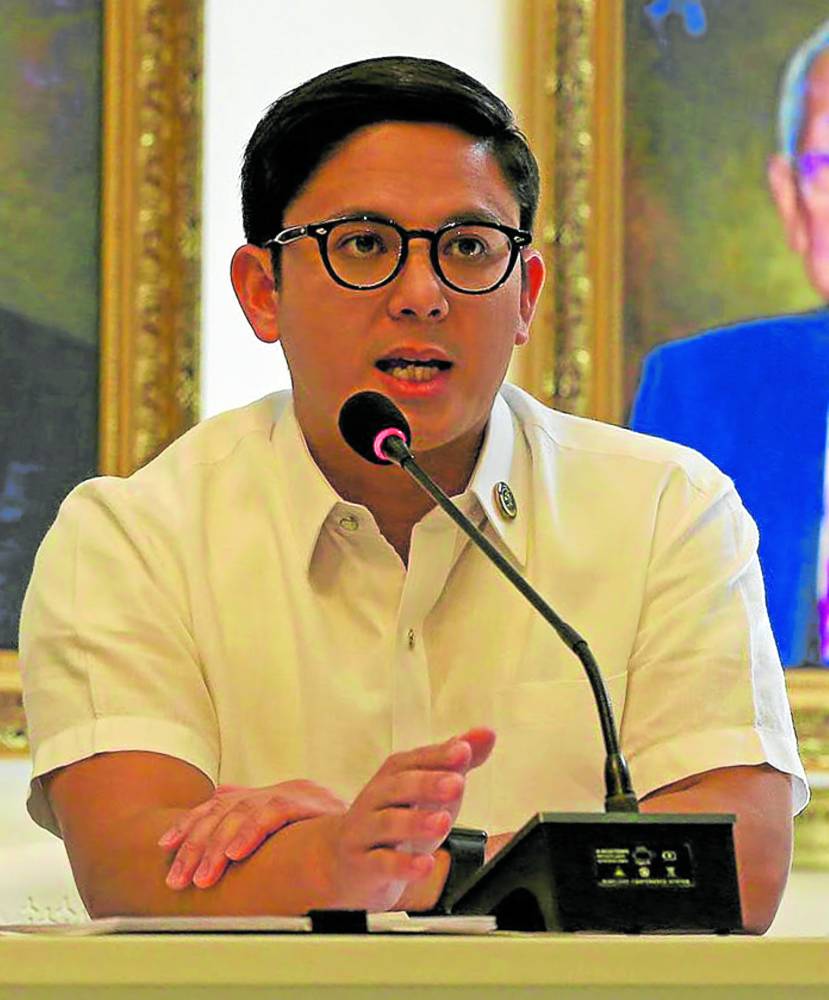
Commenting on Clavano’s claim that the files in his possession were potentially altered, Leviste said that the documents he has are similar to those reportedly in the possession of Senate President Pro Tempore Panfilo Lacson and a media outlet.
“Instead of focusing solely on my files, I agree that it would be better if we compare your copy, my copy, and the copies separately obtained by others like Senator Lacson at the soonest possible time,” he said.
On Monday, Clavano also noted that “soft copies of documents held by third parties, especially those in Word or Excel format, inherently lose evidentiary credibility as they are susceptible to alteration, incomplete context, or manipulation. As such, these materials cannot, by themselves, be treated as conclusive evidence.”

Multiple sources
Clavano also said the Ombudsman had been approached by multiple sources claiming to possess copies of the supposed Cabral files.
But he stressed that the most reliable evidence comes from the original documents held by the agencies and individuals who had custody or “authorship of the computers, storage devices, and the files themselves.”
“Evidence derived directly from these sources will naturally carry far greater evidentiary value than copies circulating outside official custody,” he added.
‘Not automatically illegal’
According to Clavano, the antigraft body is now preparing to conduct a digital forensic examination of the CPU of Cabral, a process which he said would be done “transparently” and in coordination with the Commission on Audit, DPWH, and Philippine National Police Anti-Cybercrime Group.
He added that the Cabral files were just a portion of the Ombudsman investigation into the flood control anomalies.
“Alleged insertions that are supposedly in these files still need to be carefully examined to determine whether these projects were actually implemented or if they turned out to be ghost projects,” the assistant Ombudsman said.
“An insertion by itself is not automatically illegal. It will only become criminal if it is proven to involve fraud, misuse of public funds, or nonexistent projects,” Clavano noted.