





6 hair care myths that do more harm than help

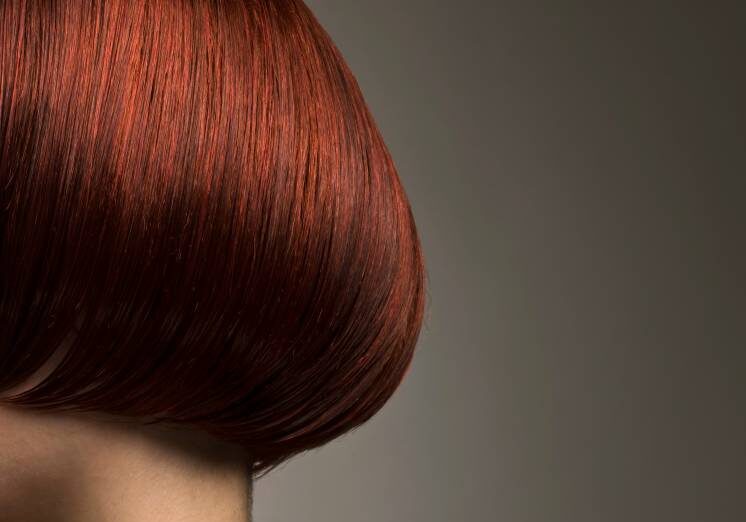
Hair is one of our most visible features, and taking care of it can feel like a never-ending puzzle. Every day, new tips, tricks, and routines promise stronger, shinier, and healthier hair. But with so much advice out there, it’s easy to get overwhelmed or follow practices that aren’t actually beneficial for your hair.
To help cut through the noise, we’ve rounded up six common hair care beliefs and examined the science behind them. Let’s untangle the truth and separate fact from fiction so you can care for your hair in ways that truly make a difference.
Myth 1: Hair products can “repair” damaged hair
Conditioners, masks, and oils can make hair feel softer and appear shinier, but they cannot repair structural damage, such as split ends or breakage. The biology of hair fibers is clear: Once hair exits the follicle, it is a dead keratin structure with no living cells to regenerate itself.
According to the study Biology of Hair Care by Dr. Draelos, hair care products cannot enhance repair because true repair does not occur; products can only temporarily improve the cosmetic appearance and functioning of the hair shaft until the product is removed with washing.
Myth 2: Frequently skipping shampoo preserves natural oils
While it’s true that hair produces sebum and the body regulates oil production, a buildup of sebum, sweat, dead skin cells, and environmental pollutants can actually damage hair and irritate the scalp. Studies show that gentle, regular shampooing removes excess sebum without harming hair structure.
Hair isn’t weakened by washing itself—damage usually comes from harsh detergents or aggressive scrubbing.
A 2021 review in Clinical, Cosmetic and Investigational Dermatology found that washing hair appropriately according to scalp type improves scalp health and reduces microbial buildup while maintaining hair fiber integrity.
That said, hair thrives with a washing routine tailored to your scalp type, not by avoiding shampoo altogether.

Myth 3: Avoiding hats because they cause hair loss
It’s a persistent idea, but normal hat-wearing isn’t a direct cause of hair loss. Large research into environmental factors around hair thinning hasn’t found a link between simply wearing a hat and developing baldness.
In one study of identical twins, daily hat use was associated with less hair thinning at the temples in men. In women, the absence of hat use correlated with more hair loss. If anything, hair loss is primarily determined by genetics, hormones, and biology, not by what you put on your head.
Myth 4: Rinsing with cold water makes hair healthier
Many beauty tips tout cold water at the end of a shower as a way to “seal cuticles” and lock in shine. But the outer cuticle layer is not a valve that opens and closes with temperature, the way folklore suggests.
Cold water can also constrict blood vessels in the scalp, reducing nutrient delivery at a time when follicles benefit from warmth and circulation.

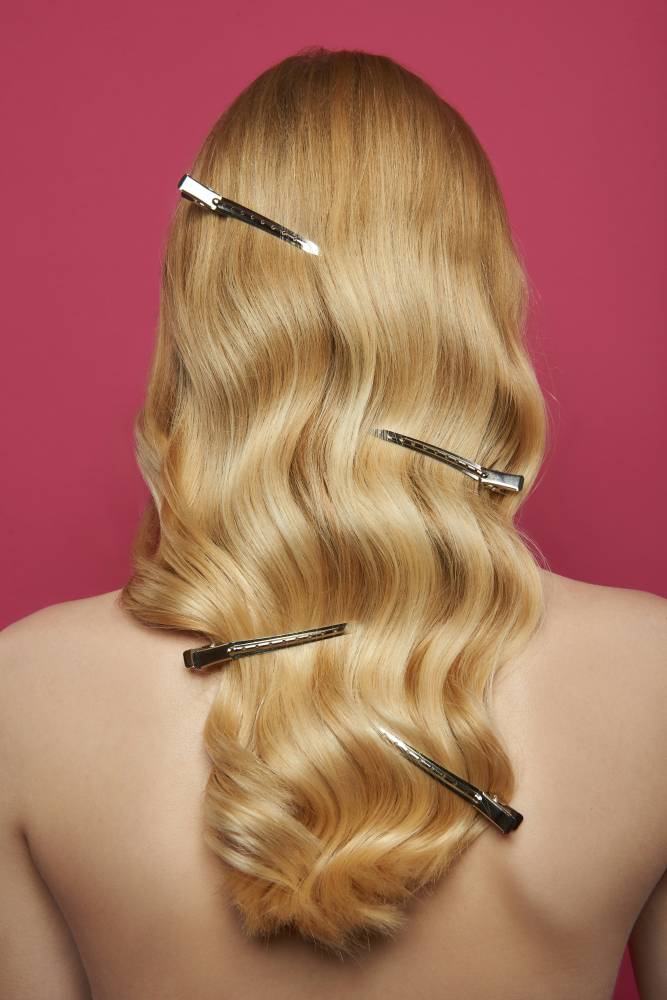
Myth 5: Dry shampoo can replace regular washing
Dry shampoo’s oil-absorbing powders and sprays can make hair look refreshed between washes, but they do not clean the scalp or remove buildup like water and shampoo.
Overuse can even lead to residue accumulation, potentially contributing to irritation, dandruff, or dryness if used as a long-term replacement for actual washing.
Myth 6: Heat protectants can stop all heat damage
Heat protectant sprays and serums reduce protein denaturation but cannot completely prevent damage from high-temperature styling. Limiting the temperature and duration of heat exposure is still essential.
Hair fiber thermal studies show that protectants offer partial protection, but they do not make hair immune to damage.
Caring for hair the right way
Caring for your hair is less about following every trendy tip and more about understanding what your strands actually need. Hacks can be tempting shortcuts, but they rarely deliver lasting results.
By focusing on evidence-based practices and paying attention to your hair and scalp, you can make smarter choices that truly support healthy, strong, and vibrant hair—without the guesswork.