








Cyber risks threaten digital payments growth

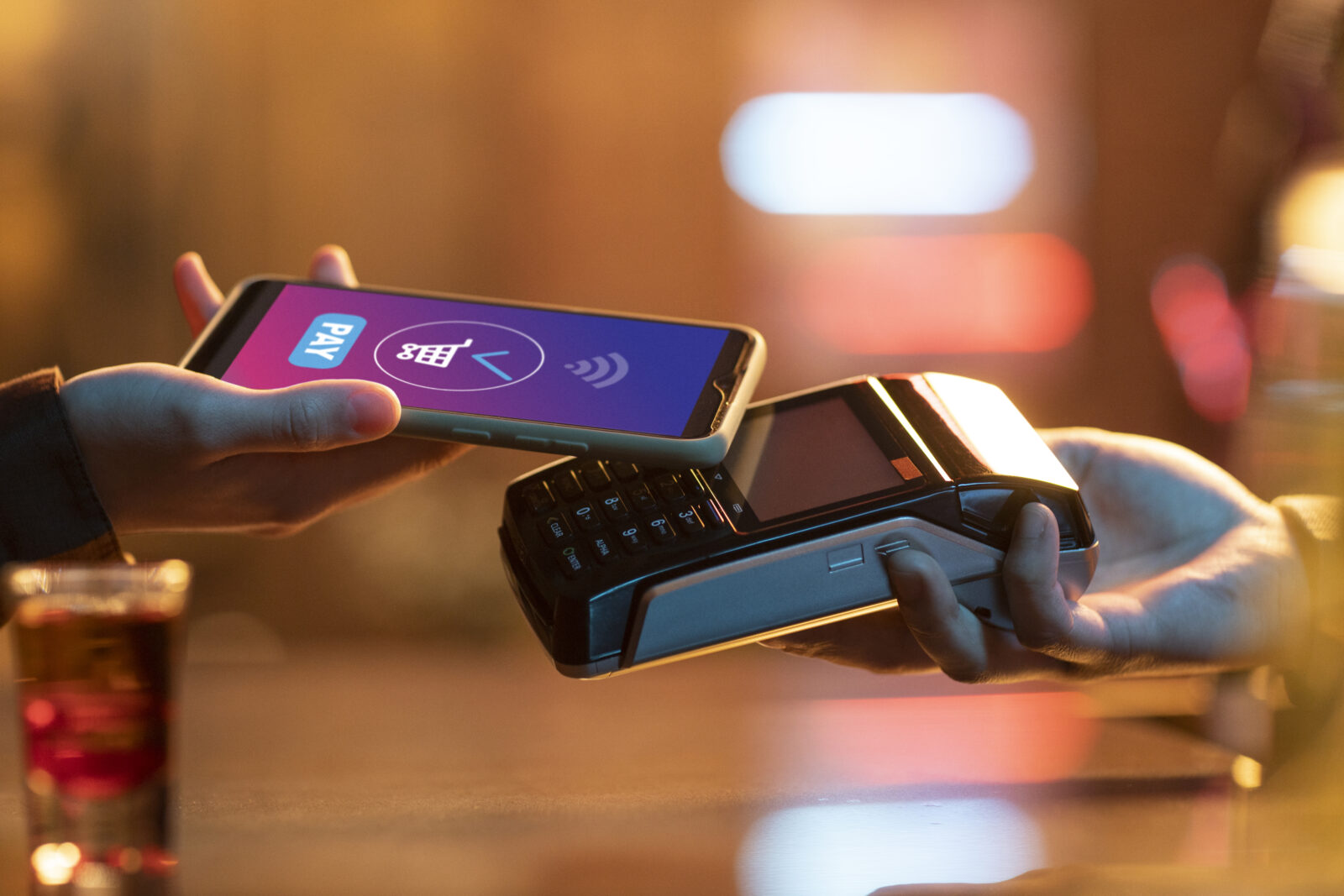
The Bangko Sentral ng Pilipinas (BSP) said cybersecurity risks remain a major obstacle to the wider use of digital payments in the Philippines, with the central bank pinning its hopes on a more coordinated strategy to contain threats and further lower the remaining barriers to adoption.
“Looking ahead, the BSP anticipates challenges such as managing cybersecurity risks, ensuring interoperability amid rapid technological change, and protecting consumers while innovation accelerates,” the BSP said in a statement.
A coordinated strategy “emphasizes responsible innovation, close collaboration with stakeholders and alignment with global best practices, building a payments ecosystem that is secure, inclusive and efficient,” it added.
By 2024, data showed digital payments accounted for 57.4 percent of all retail transactions, up from 52.8 percent a year earlier—a result that exceeded the government’s target of 52 to 54 percent.
According to the BSP, 97.2 percent of transactions made by the government were done via digital channels in 2024, the most cash-lite among the three primary payment use cases that the central bank tracks.
InstaPay
Meanwhile, the share of digital payments made by individuals rose to 72.2 percent.
At the same time, fund transfers done via InstaPay—a real-time digital payment scheme that caters to small-value transactions not exceeding P50,000—have taken over ATM withdrawals in terms of both volume and value since 2020.
The central bank’s next goal is far steeper: digitalizing 60 to 70 percent of retail payments by 2028, a target officials acknowledge will be harder to meet.
BSP Deputy Governor Mamerto Tangonan earlier said the regulator must expand the digital-payments user base by cutting transaction costs and strengthening antifraud safeguards—steps deemed essential to building public trust in the system.

The central bank cited initiatives meant to boost Filipinos’ trust in the digital payments system, including the enactment of Republic Act No. 12010 or the Anti-Financial Account Scamming Act. It is a landmark law that curbs financial scams, protects consumers and strengthens trust in the financial system.
To increase adoption, the central bank added that it will “soon” launch a direct debit facility, which will allow automatic recurring payments such as monthly rentals, amortizations and insurance, among others.
The BSP also said it is working with Bank Negara Malaysia to connect lnstaPay and DuitNow for QR payments. The central bank also has ongoing discussions with India on interoperability between UPI and QR Ph––part of efforts to build cross-border payment linkages.
“The BSP’s current goal is to expand the digital payments user base and ensure all major use cases are covered,” the central bank said.