








Lawmakers doubt credibility of budget oversight panel

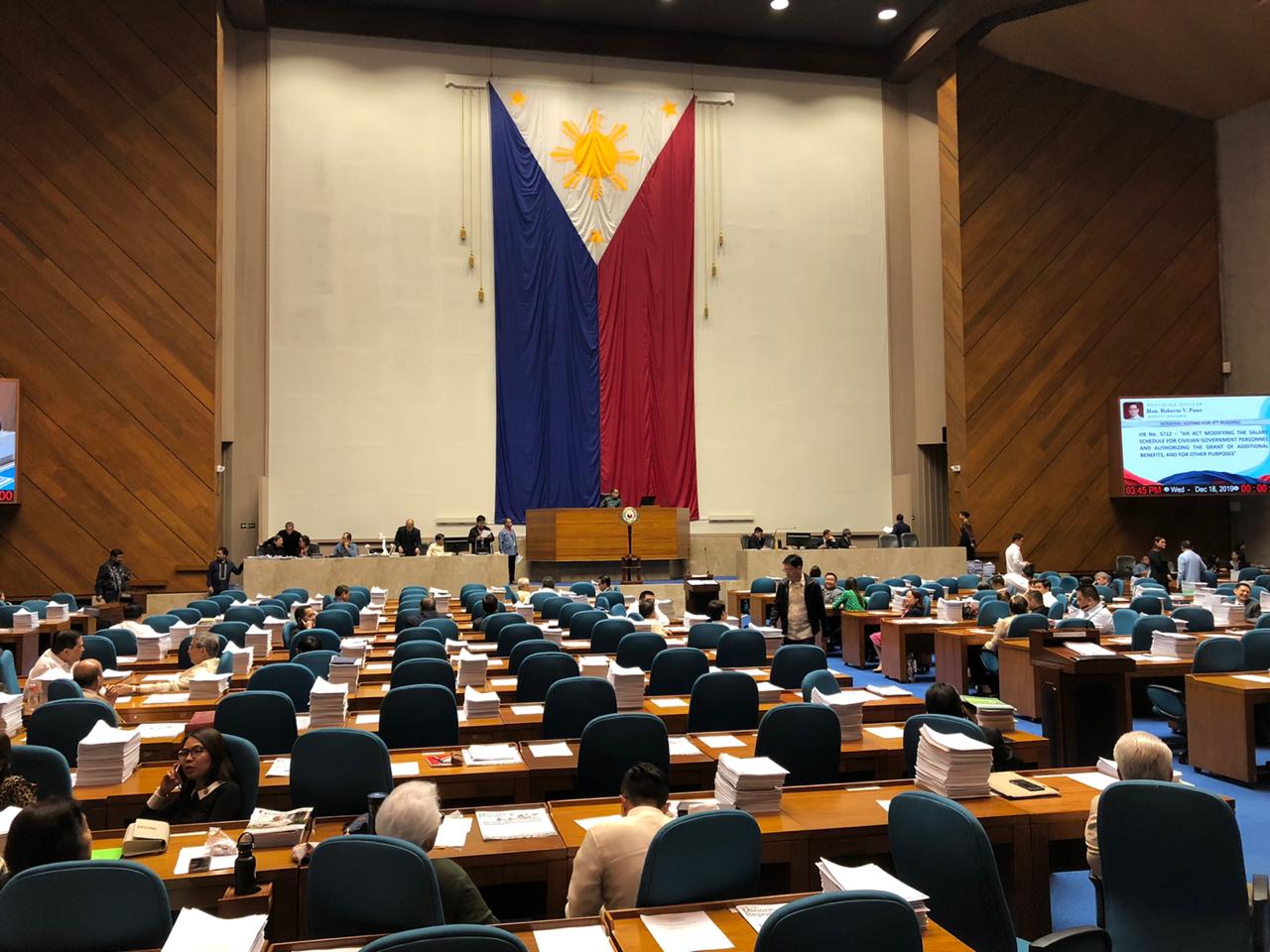
Minority House lawmakers have called out the elephant in the room when they pointedly asked other legislators how they can credibly “oversee” spending that they themselves proposed for their own benefit.
The Makabayan bloc in the House of Representatives—composed of ACT Teachers Rep. Antonio Tinio, Gabriela Rep. Sarah Elago and Kabataan Rep. Renee Co—warned against putting “too much credence” in congressional oversight mechanisms, particularly those linked to lawmakers’ own allocations.
“How will Congress exercise oversight over the system of ‘allocables,’ or congressional allocations for infrastructure that benefit its members?” the bloc asked in a joint statement.
“Will the lawmaker proponents investigate themselves? How will Congress exercise oversight over the various ‘pork’ items that lawmakers themselves have a hand in implementing?” it said.
‘Cleanest ever’
The bloc’s statement came after Sen. Sherwin Gatchalian, chair of the Senate committee on finance and cochair of the bicameral conference committee on the budget, said that the House and the Senate would create an oversight committee to better track spending.
On Jan. 5, President Marcos signed into law Republic Act No. 12314, or the 2026 General Appropriations Act with a total national budget of P6.793 trillion. Congress approved the proposed budget in mid-December.
But after the President reviewed how Congress handled the spending plan, Mr. Marcos still found P92.5 billion in “unprogrammed appropriations (UA)” to veto.
Speaker Faustino Dy III said the 2026 budget would be “one of the cleanest-ever” due to reforms, like the creation of the budget amendments review subcommittee, and the livestreaming of the bicameral conference hearings.
But while Mamamayang Liberal Rep. Leila de Lima lauded the presidential veto, she argued that it was not enough because the 2026 budget still retained a lot of UAs.
De Lima said that UAs should have no place in the budget, citing the Supreme Court decision on the Philippine Health Insurance Corp. fund transfer issue in which Associate Justice Ramon Paul Hernando said that all forms of UA were unconstitutional.

Ridon’s argument
But Bicol Saro Rep. Terry Ridon, chair of the House committee on public accounts, insisted that congressional oversight powers by a congressional panel would check excesses in spending.
Among others, Ridon said the panel would ensure that blacklisted contractors would not be able to participate in procurement activities in addition to stricter qualification standards for bidders.
The panel would also press the Department of Public Works and Highways to deliver on its promise to livestream all procurement activities at the national, regional and district levels.
The committee also plans to coordinate with the Department of Budget and Management, Department of Information and Communications Technology and the Government Procurement Policy Board to expand online procurement systems.
“I understand what they are trying to say,” Ridon said on Wednesday. “We’re not only talking about the infrastructure projects … but the entirety of public expenditures. I think it’s very important that we proceed with that in mind.”