






NKTI resumes radiation therapy services

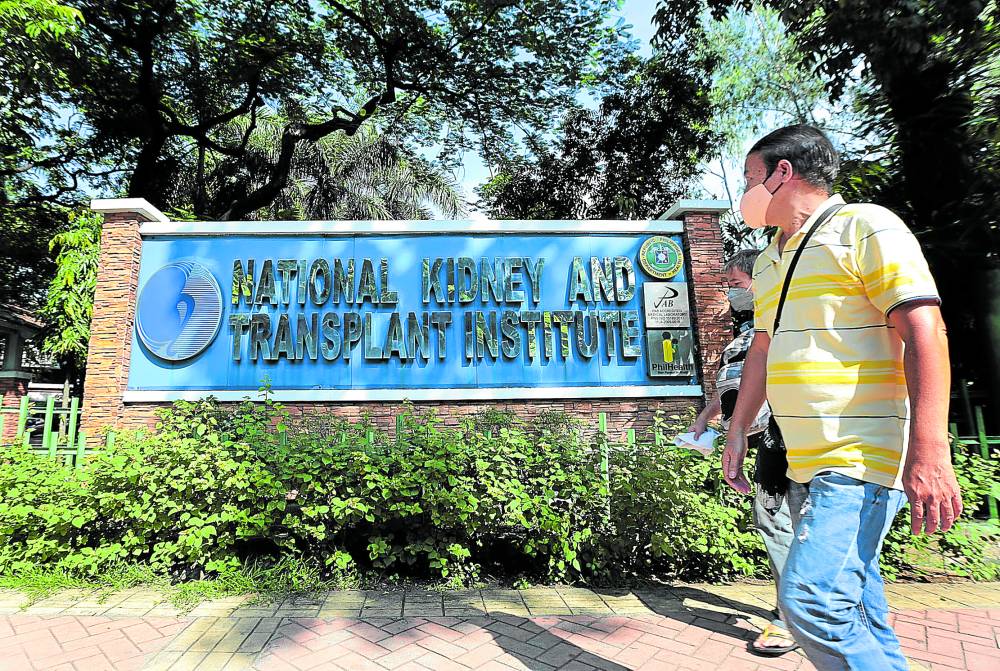
Cancer patients can once again avail themselves of radiation therapy at the National Kidney and Transplant Institute (NKTI) in Quezon City with the reopening of its Radiation Oncology Service, which shut down in 2022.
In a recent statement, the NKTI said it will resume radiation oncology services after the Development Bank of the Philippines donated a Linear Accelerator (Linac) device which it turned over to the specialty hospital on Jan. 9.
The Linac device is most commonly used to provide external beam radiation treatments for cancer patients. It is used to treat specific tumor volumes in the body through high energy x-rays or electrons that target the cancer cells while minimizing the impact on surrounding tissue.
“The NKTI’s radiation oncology service, unfortunately, ceased operation during the COVID-19 pandemic. Reviving this valuable asset—which has not been in use since 2022—would be of great help to patients in increasing access to this lifesaving medical treatment,” the NKTI said.
During the turnover ceremony for the Linac device, NKTI Executive Director Dr. Jose Dante Dator recalled that the hospital began its Radiation Oncology Project in 2015 through a public-private partnership and under a revenue-sharing scheme.
The Radiation Oncology Service, however, ceased operations in 2022 due to “technical and financial issues.”
“At the time that it was closed in 2022, there were 30 to 35 patients that were orphaned. When I say orphaned—when you do radiation oncology, you come here every day. Then, all of a sudden, it closed, and they had to make arrangements for them to be accepted at the nearby radiation oncology facilities,” Dator said.
‘Targeted treatments’
For Health Secretary Teodoro Herbosa, the turnover of the Linac device “marks a meaningful milestone” for the treatment of cancer, which is the second leading cause of death in the country.

“Reviving this service is therefore both timely and necessary. Its opening will significantly increase access to lifesaving radiation oncology treatment, particularly for patients who rely on public health institutions like the NKTI,” he said.
“At the heart of the effort [is] this linear accelerator, which provides these targeted treatments that are very effective, very efficient and very safe,” Herbosa added.
The health chief said the resumption of the NKTI’s radiation oncology services “directly advances universal health care (UHC)… [by] bringing modern cancer treatment closer to communities and to people.”
“This linear accelerator may stand as a symbol of renewed hope, restored service and our unwavering resolve to deliver UHC, where quality cancer treatment is not a privilege of the few, but the right of every Filipino,” Herbosa said.