











Coachtopia and the mirage of circular fashion

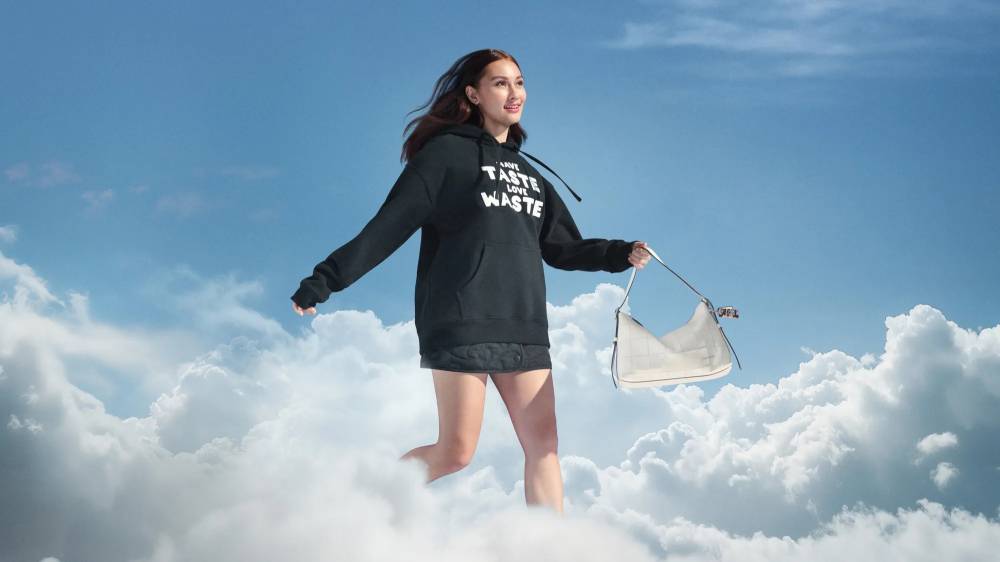
Circularity in sustainability is a concept many fashion brands are “trying” to do—a model that rethinks the straight path from product to landfill by designing garments with their “end of life” in mind. The aim is to give each piece multiple “lives” through materials that can be broken down, recycled, and remade in a continuous loop.
Coachtopia: Circular fashion or greenwashed luxury?
Coach is one brand embracing this approach through Coachtopia, its circular fashion sub-brand. Launched in April 2023 under Joon Silverstein, Coachtopia was conceived in response to the environmental pressures facing the fashion industry. The sub-brand reimagines how bags, accessories, and apparel are designed and produced, leaning into recycled materials and experimentation.
And according to Coach, its bags contain at least 50 percent recycled leather fibers sourced from scraps.
The sub-brand’s launch coincides with a broader resurgence for Coach. Parent company Tapestry reported full-year fiscal 2025 revenue of roughly $7 billion, up five percent year over year, with Coach driving much of that growth. In North America alone, the brand added 1.2 million new customers, two-thirds of whom were Gen Z—an eco-conscious demographic that increasingly expects brands to deliver both style and credible environmental narratives.

Visually and conceptually, Coachtopia departs from Coach’s core line. Its designs are more experimental, colorful, and deliberately imperfect, signaling a move away from traditional luxury seriousness toward fashion as a space for creativity. The brand’s latest campaign features Lola Tung, star of “The Summer I Turned Pretty,” further underscoring its appeal to younger audiences.
Yet Coachtopia is not without controversy. Critics warn that circular-focused sub-brands risk veering into greenwashing, particularly if the materials and processes fail to meaningfully outperform conventional alternatives.
This tension came into sharper focus through content creator @tanner.leatherstein, known for his detailed leather dissections and educational breakdowns of luxury handbags. In one widely circulated video, he examined a $250 Coachtopia Ergo bag. According to his analysis, the exterior layer consisted of plastic-based faux leather, backed with tannery waste—specifically wet glue shavings—bonded to the underside.
Technically, because leather fibers are present, the material can legally be labeled as leather. However, as Leatherstein points out, the bonded construction—essentially tannery waste glued to plastic faux leather—adds little value and durability. It is prone to wear, harder to recycle, and ultimately undermines the longevity that circular fashion depends on, while the use of plastic leather, which is discarded more quickly, contributes further to waste and environmental pollution.
Circularity as the new sexy marketing
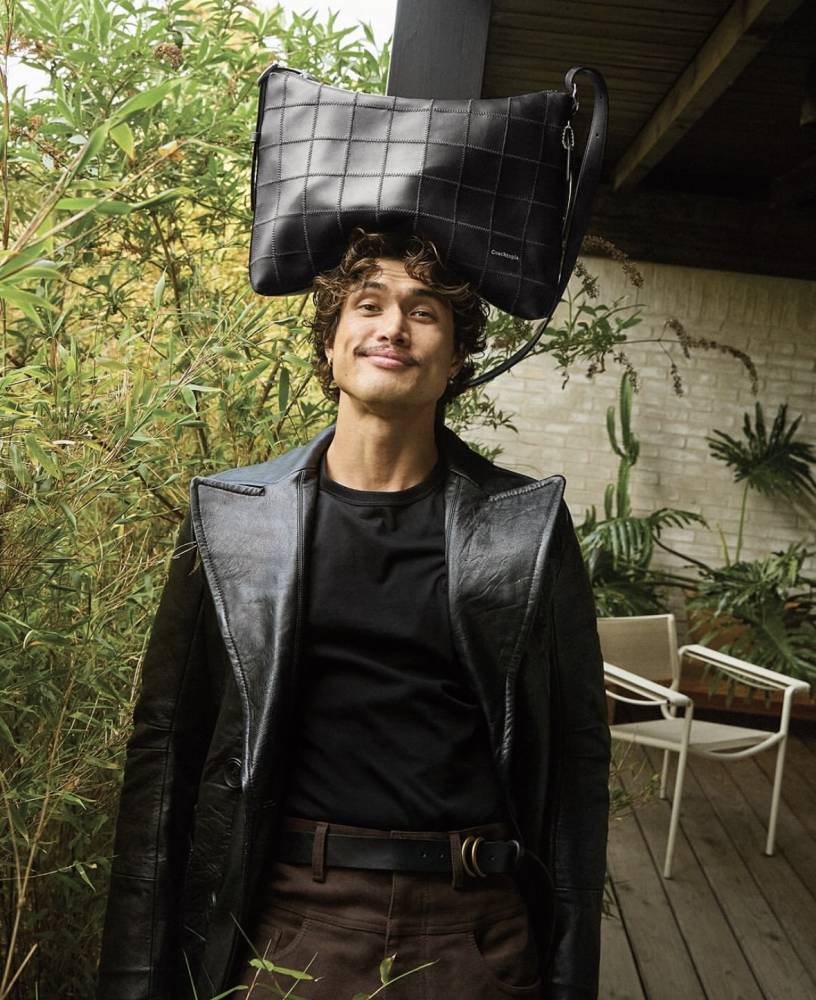
Coachtopia illustrates a growing trend in fashion: Sustainability as a form of sexy marketing. Brands increasingly package recycled materials, circular design, and eco-conscious storytelling in visually compelling, high-status ways, making environmental responsibility feel trendy and desirable.
And you can really tell it’s working, as Coach’s fiscal report shows strong growth since the launch of Coachtopia.
This strategy is evident across many major fashion houses. Gucci’s Off The Grid collection, for instance, emphasizes recycled and bio-based materials alongside high-profile campaigns, while Prada’s Re-Nylon line converts ocean plastics into luxury bags, framing sustainability as both innovative and desirable.

Yes, these initiatives can surely drive positive visibility, but the appeal prioritizes image over impact. Without transparency and clear metrics, “green” campaigns can end up being more marketing stunts than real environmental action.

Key questions remain: Do these programs balance carbon offsetting with actual emissions reductions? Do they ensure ethical practices across the main supply chains? Coachtopia sits squarely within this dynamic, balancing playful experimentation and sexy marketing while raising questions about the environmental benefits behind the buzz.
The broader recycling context further complicates the promise of circularity. A recent Greenpeace report highlights that only a tiny fraction of plastic is actually recycled. The study found that no type of plastic—including ubiquitous soda bottles—meets the 30 percent recycling threshold established by the Ellen MacArthur Foundation’s New Plastics Economy Initiative. In practice, plastic is rarely reused at scale, exposing the gap between consumer perception and the realities of waste management.
Circularity as a solution is far from simple. Most garments today are made from synthetic fibers or complex blends that are nearly impossible to recycle, making true circularity more aspirational than practical—especially when brands use it primarily as a marketing strategy.
The most sustainable approach is to make durable goods, use them longer, and consume less. In a hyper-capitalist economy that demands ever-increasing quarterly sales, it’s difficult to take claims of sustainability seriously.