



Haters gonna hate… but why?

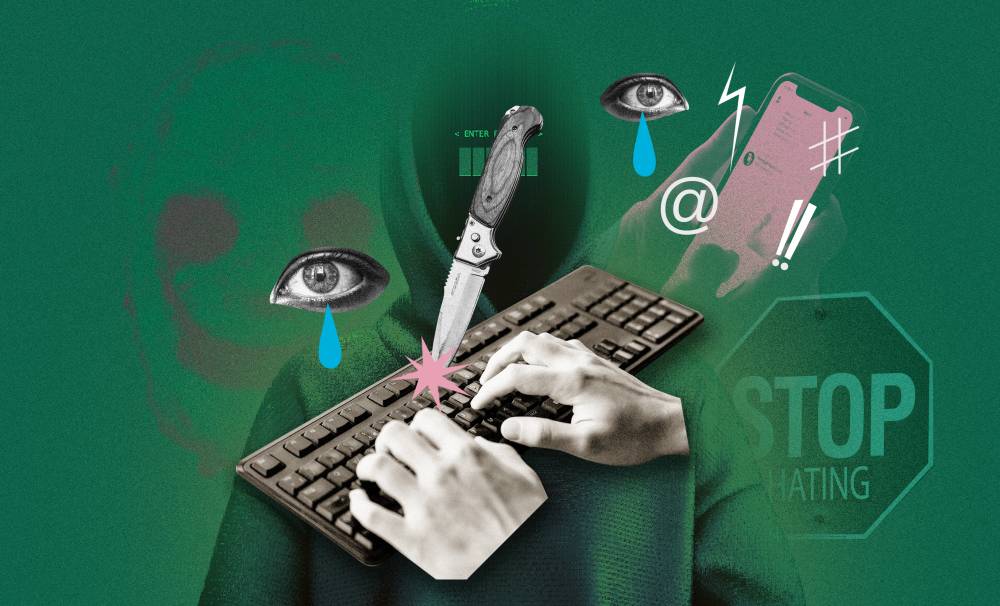
In the year of our Lord 2026, there’s nothing cringey about having (and being passionate about) a hobby, or being unapologetic about your love for something—be it a celebrity, a book, a film, a musical, a game, or even a sports team. We all have our favorites, something (or someone) we’ll support and even fight for.
To an extent, it’s quite healthy to be in a fandom. Decades of research and articles have already stated how fandoms foster community and camaraderie—and how this sense of belongingness through shared interests boosts feelings of happiness, self-esteem, and social validation. The passion that grows within these fan communities is also often channeled into positive output: artistic and creative expression, and even volunteerism.
But for all the good things a fandom can bring, it wouldn’t be fair to say it’s all rainbows and butterflies. The truth is, it’s also like opening a can of worms. Or better yet, going through a jellybean trick box, where you’re never quite sure if you’re getting blueberry or toothpaste, coconut or baby wipes. You just have to bite through it.
Don’t get me wrong. The feeling of community, belongingness, and all the warm, fuzzy feelings of love in the unique (and sometimes parasocial) way only a fandom and their idols could share is amazing. But stay a bit longer, and the rose-tinted glasses start fading, showing a clearer picture of what becoming a fan truly entails.
It’s not all fun and laughter. Inevitably, there will also be a lot of hate. Specifically, online.
Collective hate?
Public figures will always get scrutinized and criticized—we all know this. And yet, when it comes to someone you truly believe in, it can be infuriating to keep seeing people dismiss their talent and hard work. Especially when you know they’re from “rival camps”—bashers, haters, trolls. (We’ve all been through this. Outside entertainment, we call it politics.)
As a multistan (aka a fan of multiple artists), I didn’t think I’d get so invested to the point of actually getting riled up by haters on the internet. Not that I’d pick a fight; I’m no keyboard warrior. But I will discuss (and rant) with fellow fans in a group chat. And so, after once venting our frustrations at how stubbornly misinformed and obviously rage-bait-y some haters’ comments are—I asked, “Bakit ba sila ganiyan? Ano sakit nila?”
For all intents and purposes, it was a joke. But that got me thinking: Is it possible for irrational hate to be a collective disease?
Us vs. them
As much as fandom fosters a sense of community in the positive sense, sometimes the “community” turns toxic—becoming an echo chamber against people or ideas deemed unaligned with the main object of affection or their ideas. In psychology, this is referred to as the in-group, out-group theory, supported by what is found to be a “fear” of “the other.”
In an article in Psychology Today, Beacon College assistant professor AJ Marsden shares that the reason people hate is “because we fear things that are different from us.” Social identity theory states that people derive a sense of identity from the group they belong to. So it follows that everything else outside the group—especially those deemed contradictory to what the group stands for—is seen as a threat.
Things get more complicated on social media, where anonymity and manufactured personas thrive.
Online, people can detach from who they are in real life. They can use aliases, hide behind faceless profiles, and keep details of their personal affiliations hidden, which, in turn, also takes away the sense of accountability or responsibility. This is why it’s always the anonymous accounts that have the biggest audacity to spew the most hateful comments.
Psychologist Bernard Golden, author of “Overcoming Destructive Anger: Strategies that Work,” adds that hateful acts, which can include bashing others online, “are attempts to distract oneself from feelings such as helplessness, powerlessness, injustice, inadequacy, and shame.”

Threatened by such feelings, which arise because of the presence (or success) of the “out-group,” haters are pushed to lash out. That’s why the more success someone has, the noisier the haters are.
The cure for haters
An ongoing K-drama touches on the behavior of toxic fandoms. Mild spoiler for episode 5 of “Idol I”: idol Do La-ik is asked by his lawyer Maeng Se-na (played by SNSD’s Sooyoung!) why he doesn’t take legal action on toxic fans who keep overstepping boundaries, to the point of even dangerously encroaching on his privacy. “They act out because they want attention. And when they get it, they escalate. They’ll make up stories, dump them online, and enjoy the mess they create. Ruining people is nothing to them.”
Knowing this, does that mean the haters are untouchable?
You might be familiar with the technique of disengaging—not giving the antagonizer the satisfaction of a response. Just as we ought not to reply to trolls (because it is our engagement that gets them paid), the same approach can be applied to bashers. Most haters simply comment to get a rise out of fans. They thrive on creating chaos.
Instead of fighting fire with fire, psychology recommends empathy. Next time you see a hater comment on something you love, try to understand them. They’re just scared of something foreign to them. Choose to be kind.
(And choose your peace, too.)