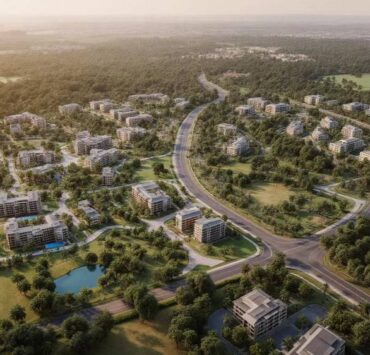





Primed for tomorrow

A primed asset begins as a question. Who will live, work, or invest here in five or 10 years, once new transit, campuses, or business parks have settled into place?
The answer shapes strategy, features, accents, and governance so the address can age with confidence rather than chase each new trend.
The primed address
Priming a property involves understanding its context beyond current land values.
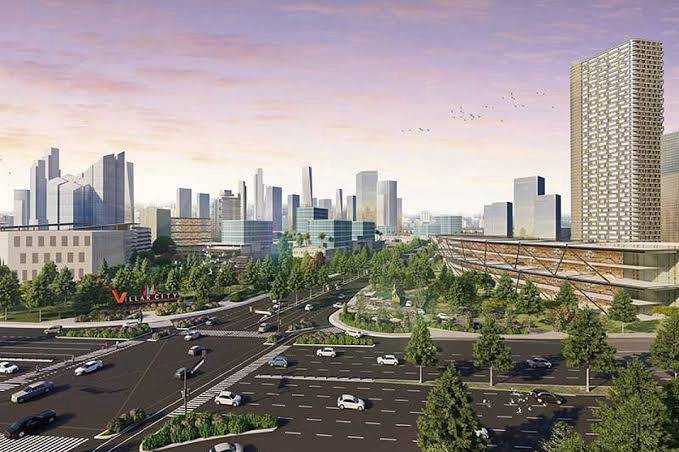
In the Philippines, corridors for new rail lines, expressways, and airports reveal opportunities where land feels speculative now but inevitable later. Owners who grasp daily flow patterns identify sites that can shift from edges to centers.
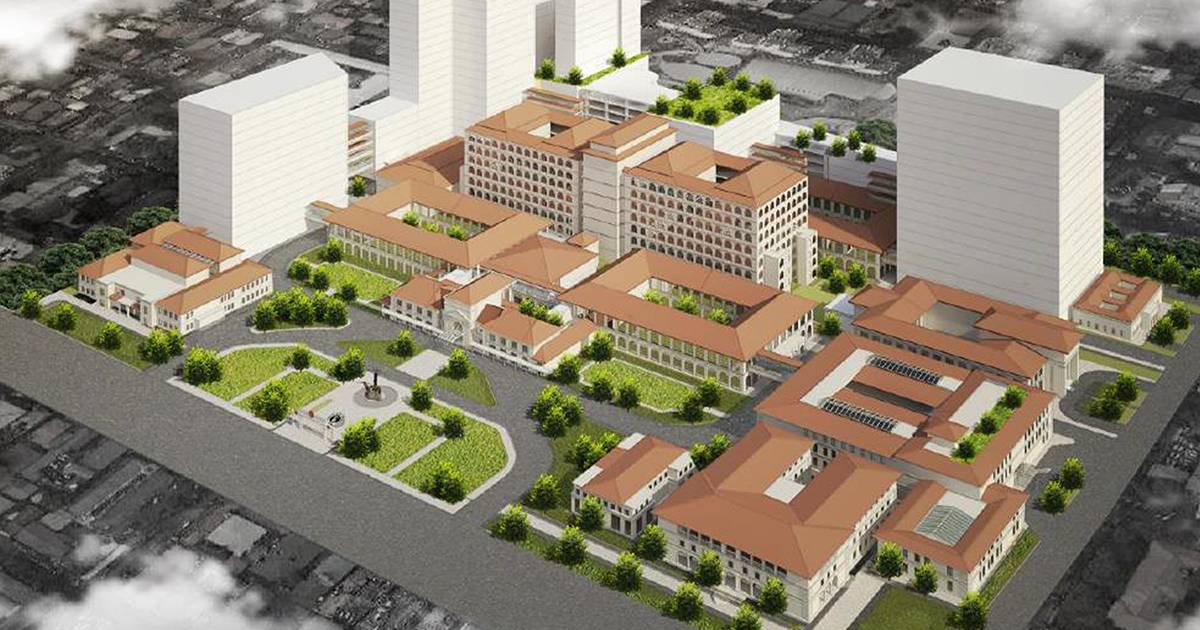
Projects near universities or medical hubs should act as good neighbors, with proper setbacks, curate retail at grade, and clear entrances, building familiarity before full development. Investors view the building as street-facing, which boosts sales and occupancy.
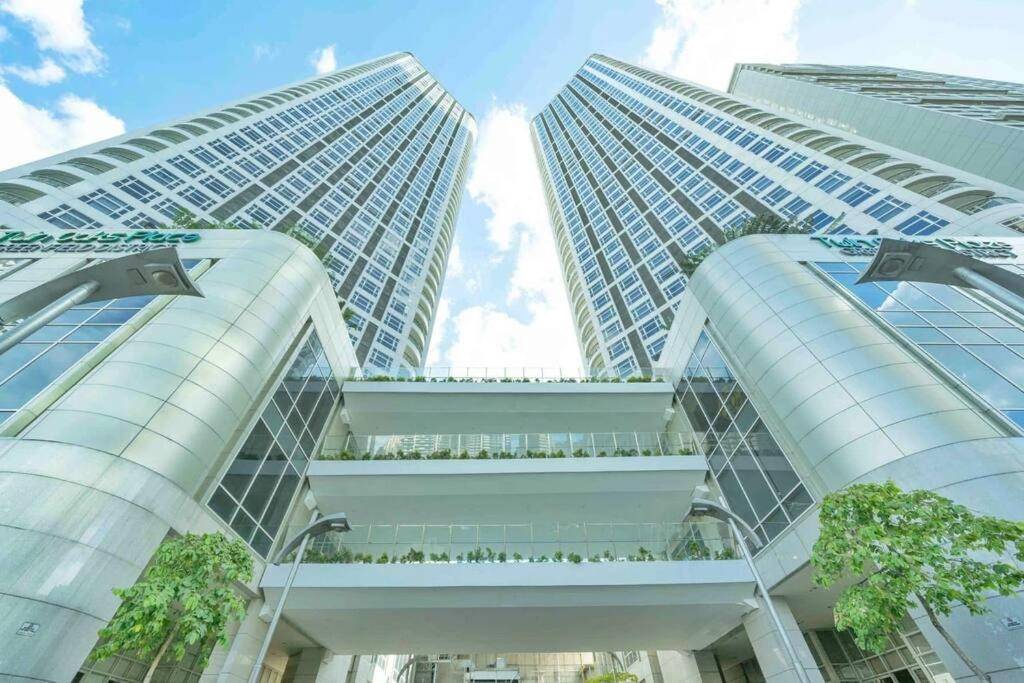
Strategy before structure
Some land warrants a phased approach, starting with a low-rise component like a retail podium with offices or suites, to activate the site while infrastructure and demand develop. Structural grids, parking, and utilities are designed for future expansion or adjoining wings without major demolition.
Studying demographic flow matters as well. Transit workers, medical professionals, digital nomads, and downsizing families each have distinct expectations around privacy, convenience, and pricing.
The strategy integrates these profiles, so the final structure is not merely attractive but also fits a clear user mix.
Features that sell the future
Thoughtful back-of-house planning quietly protects long-term value.
Service corridors, loading bays, and dedicated storage for emergencies, housekeeping, or deliveries enable a development to pivot into co-living, hospitality, or medical support functions if demand shifts.
Infrastructure priming now includes technology and energy. Provisioned risers, oversized electrical rooms, and future trays for data, security, and electric vehicle charging position a project to respond gracefully as digital expectations rise.
Accents that create desire
Desire emerges in the accents that shape daily rituals.
Arrival sequences that move residents from the public sidewalk to a shaded, well-proportioned lobby create a sense of calm after the city’s heat and noise. Landscaping that frames views and screens service areas communicates care without resorting to lavish gestures.
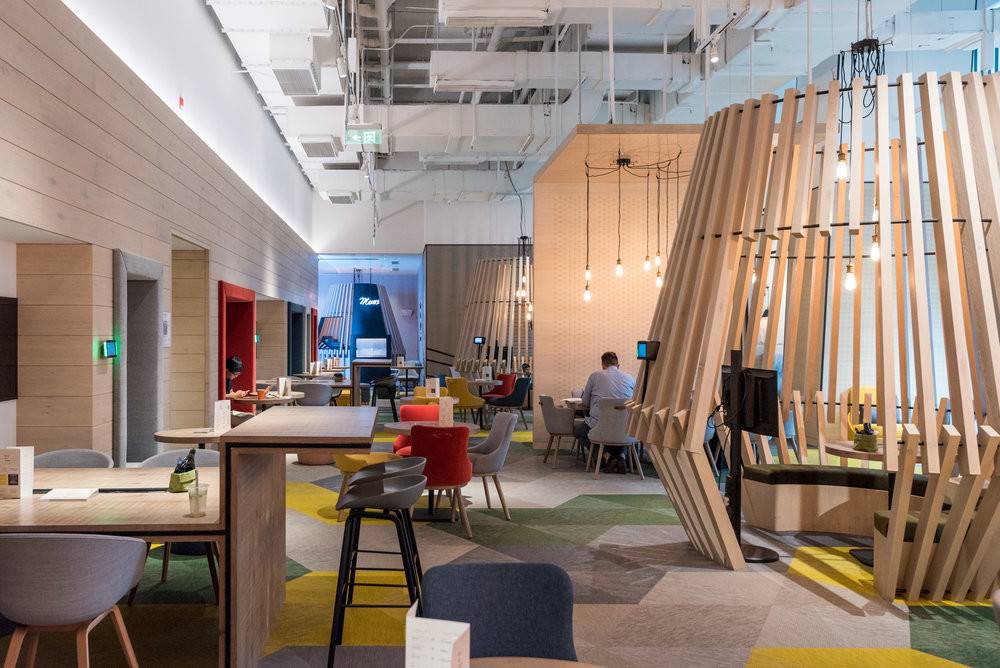
Amenities reflect real habits, such as coworking corners near the lobby, shaded outdoor rooms instead of large pools, and practical storage for bikes or sports gear, fitting today’s lifestyles while remaining easy to maintain.
Resilience, regulation, and reputation
Philippine real estate plays out on one of the world’s most climate-exposed stages.

Elevated critical equipment, flood-aware site planning, and structural detailing that respects seismic risk protect both lives and long-term returns.
The Philippine Green Building Code and updated guidelines on energy-conserving design for buildings, alongside the Energy Efficiency and Conservation law and its implementing rules, encourage higher performance in envelope design, lighting, and mechanical systems.
Projects that align early treatment compliance as a design opportunity.
The quiet test of time
Primed real estate does not promise to predict every shift in lifestyle or technology. It offers something more grounded: a composed framework that welcomes change, absorbs regulation, and keeps daily life graceful for the people who inhabit it.
In a volatile market, that quiet confidence becomes the rarest amenity.
******
Get real-time news updates: inqnews.net/inqviber