











Can Filipinos afford a healthy diet?

The release of the Trump administration’s 2025 to 2030 Dietary Guidelines for Americans has caused a stir for several reasons. For the first time, whole foods in their purest forms are prioritized, literally turning the food pyramid upside down.
Real food rightly takes center stage, with animal proteins, red meat, butter—things that were considered evil for a long time—finding a place in the new guidelines. It emphasizes whole, nutrient-dense foods and less processed food, a key element in the new guidelines. But what does this mean for Filipinos and their diets?

Working in the field of nutrition has shown me one thing for many years—it’s not red meat, butter, and lechon that is the enemy—it is, and always has been, processed food. While the new US guidelines feature a big fat steak, Filipinos don’t traditionally consume a lot of beef. It’s pork, in many shapes and forms. Canned and processed meat takes over for the “protein” section of many people’s diets because of the lack of refrigeration, lack of storage space, and lack of time to cook.

Healthy diets are expensive in the Philippines
Whenever I meet expats who are new to the Philippines, I often hear them complain about the cost of food and the tiny sizes of produce they find in the supermarkets. A big reason that I started Mesa ni Misis was to make use of locally available produce and reduce the reliance on Western vegetables. Still, the taste of Filipinos is largely heavy on meat, with vegetables taking a back seat.
Vegetables and fruits are also incredibly expensive in the supermarkets, with huge price fluctuations depending on the weather. Multiple studies and reports show that consuming a nutritious and balanced diet in the Philippines is often more expensive than energy-dense but nutrient-poor diets—and for many households, it’s beyond reach.

According to a UN report, the daily cost of a healthy diet in the Philippines was about $4.39 (around P240) per person in 2024. Many Filipinos cannot afford this level of spending on nutritious food every day.
Findings by the Access to Nutrition Initiative (ATNi) even show that healthier food baskets have a cost difference of 48 percent at one leading retailer ($19.22 vs. $13.03) and up to 60 percent higher at another leading food retailer. ($26 vs. $16.19 per person, per day)—the largest gap observed in the six-country study.
Eating healthy is now so much harder
Healthy food is indeed more expensive in the Philippines. National research indicates that a significant portion of Filipino households struggle to access a diet that meets nutritional adequacy because of food prices, logistical challenges, and limited income, especially among poorer and rural populations. The lack of proper roads, storage facilities, and built-in middleman corruption in the food chain are all related to high food prices.

It is in realizing that the immense corruption in our country is directly affecting the health and nutrition of Filipinos that angers me, as it should anyone who realizes this.
With the new dietary guidelines in the United States that prioritize whole foods, this way of eating has become even more unattainable for Filipinos. ATNi notes that processed food in leading supermarkets is far cheaper than whole foods. Add to that how a larger proportion of in-house promotions point to processed food—just think about the commercials you see on YouTube, online, and on television.
Why is healthy food more expensive here?
Logistics and infrastructure gaps mean that fresh produce can be more costly due to transportation and storage inefficiencies. For one thing, supermarket pricing and promotions frequently favor processed foods, while affordable fresh options are less visible or less promoted, as found by ATNi.
Then there are uneven prices and uneven incomes. The amount of money a family is able to spend on food depends largely on the breadwinner’s income. Prices of food also vary greatly depending on the supplier. The Walang Gutom program of the Department of Social Welfare and Development has shown me that this is true. In the same city, with the same food basket items, some areas receive less volume of food because of how suppliers price the food.
If you are lucky to be in an area where the food supplier is committed to actually helping the cause and not making money, you are lucky. Some areas I have seen have an abundance of vegetables for P3,000, while others get very little for the same amount.

The ideal plate starts with creating an ideal palate
For many families, especially low-income ones, minimum wage often does not stretch far enough to consistently cover the cost of balanced meals with fruits, vegetables, lean proteins, and dairy. Moreover, the abundance and affordability of processed food make choosing unhealthy food a much simpler choice. The presence of MSG (monosodium glutamate) and additives in processed food also makes it more enjoyable to eat instead of a bland plate of vegetables.
This is why the change in diet has to start with a change in palate. Food that is lightly seasoned needs to become the dominant flavor that people look for. Blanched vegetables, grilled, and stewed food need to find their way back onto people’s tables. Those with enough disposable income to be able to make a choice in what kind of food they eat need to start making the correct choices.
The Philippines has an abundance of local fruits, vegetables, and lean proteins to feed us—the problem is that we choose not to eat them. But changing our habits little by little is how we can slowly but surely improve our nutrition. A whole food diet may not be entirely affordable to everyone, but making small changes—like adding one whole food item to your diet—is a huge step toward health.

How to get started on a whole food diet
- Lean on local, seasonal foods
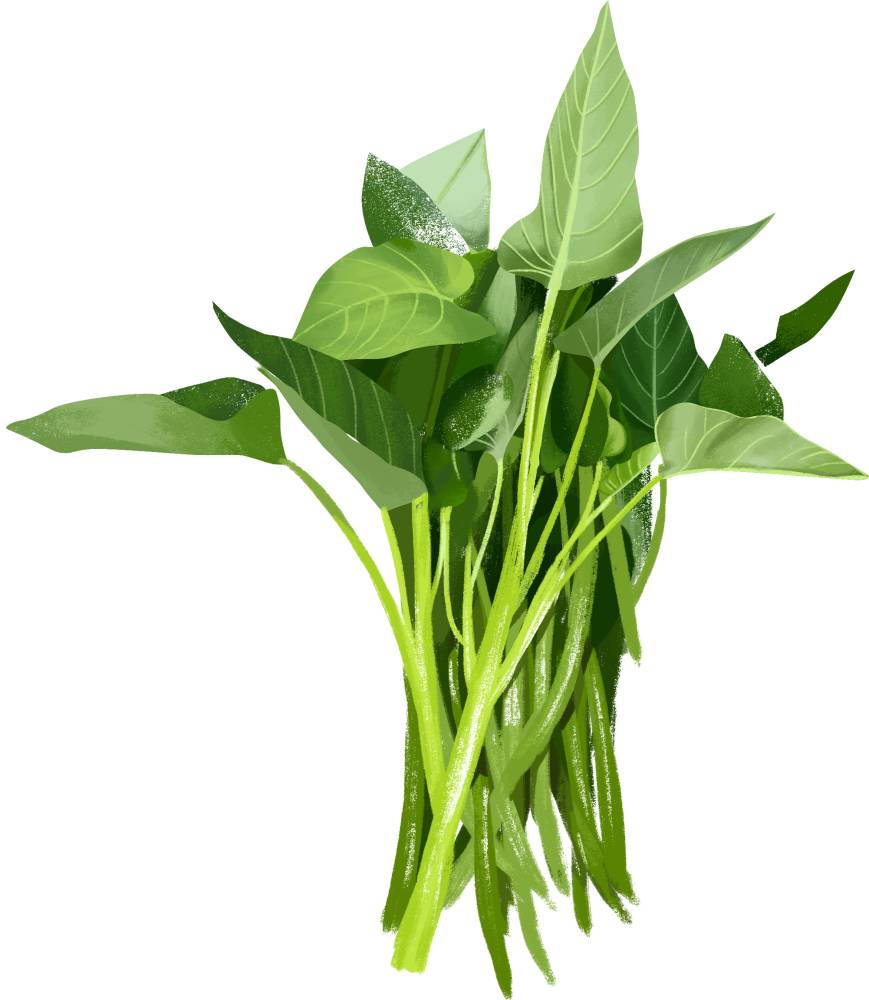
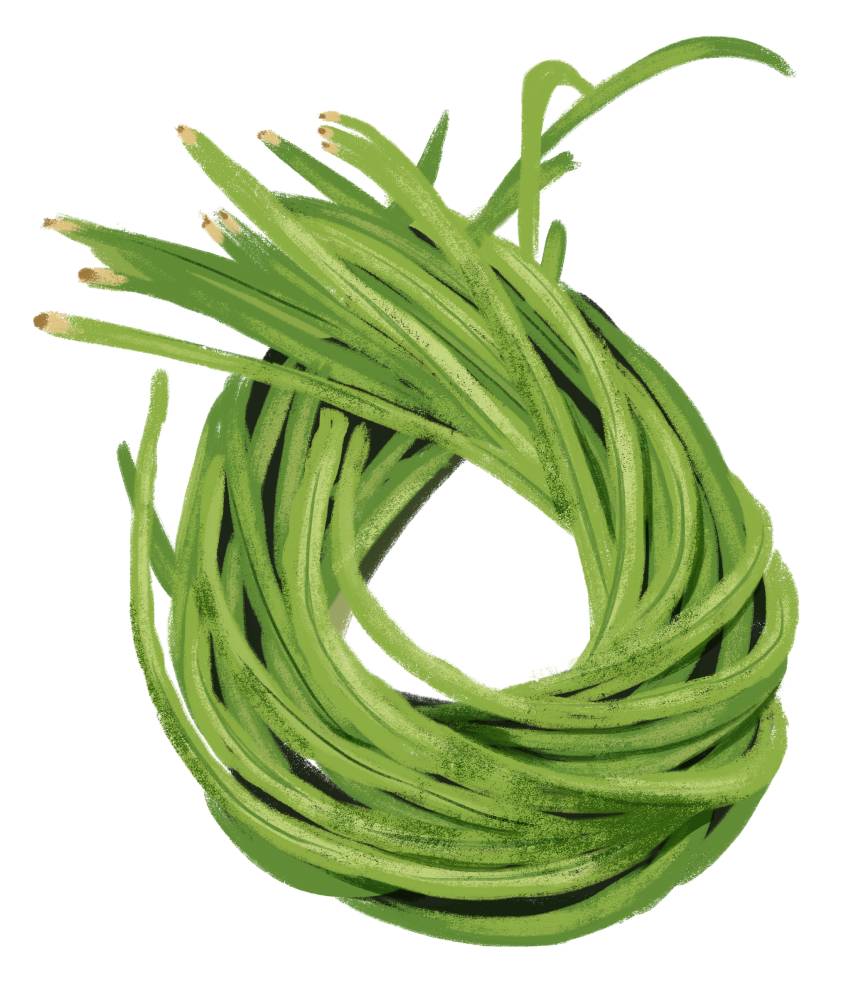
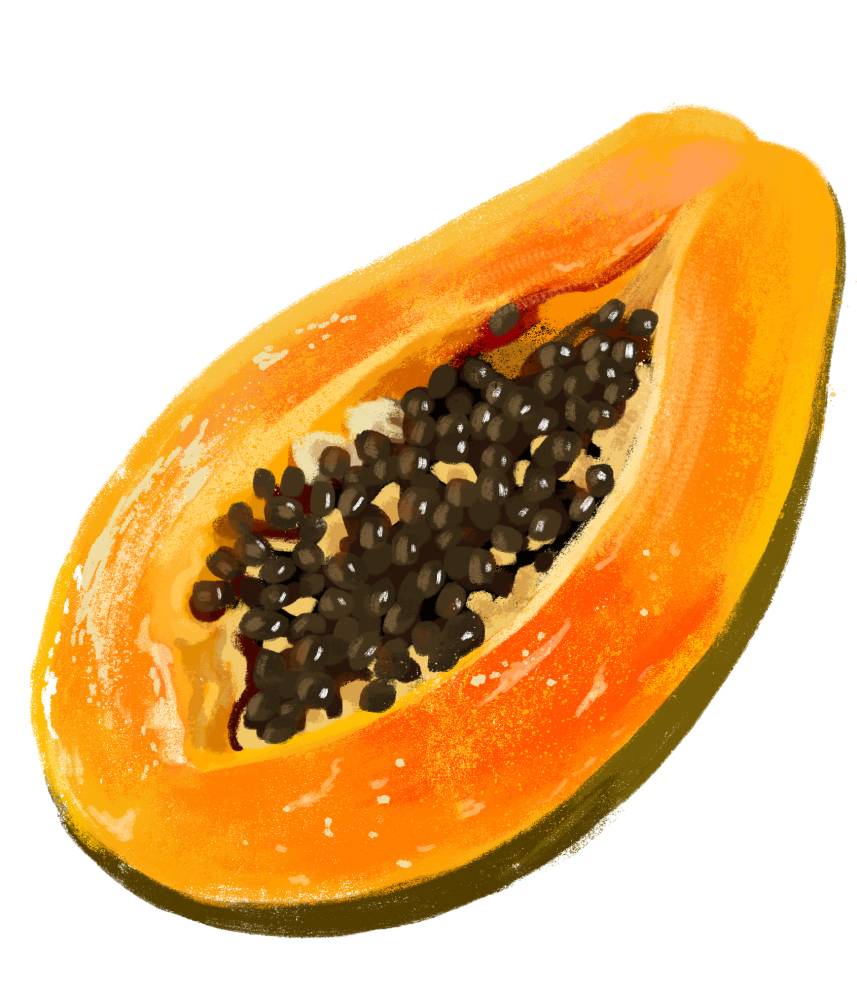
Filipino markets are rich in local produce: malunggay, kangkong, sitaw, eggplant, sweet potatoes, papaya, bananas, and fish. These can be nutritious and affordable, especially when bought in season and prepared at home. Visiting markets is an easy way to eat seasonally and diversely; like right now, for example—strawberries from Baguio, Swiss chard, and radishes are abundant.
- Cook at home and use wet market ingredients
Home-cooked meals using wet market ingredients tend to cost less than eating out or buying pre-packaged, processed foods. This aligns with the emphasis on minimally processed, nutrient-dense foods from the dietary guidelines.
- Plan and stretch meals
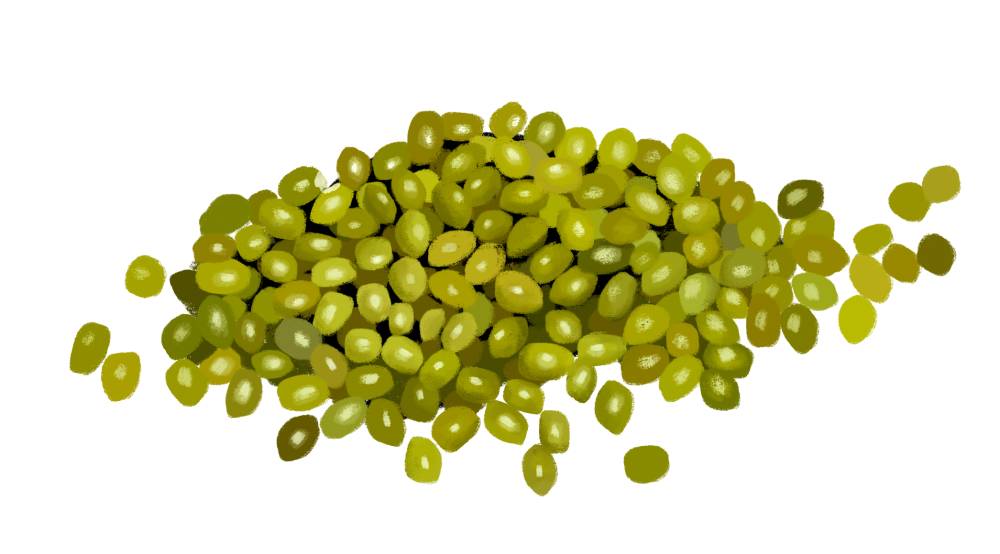
Meal planning, buying in bulk when possible, and using cheaper but nutrient-dense staples like mung beans (monggo), tofu or tokwa, and sardines can help widen the range of foods within budget.