

Peso slips near new record low

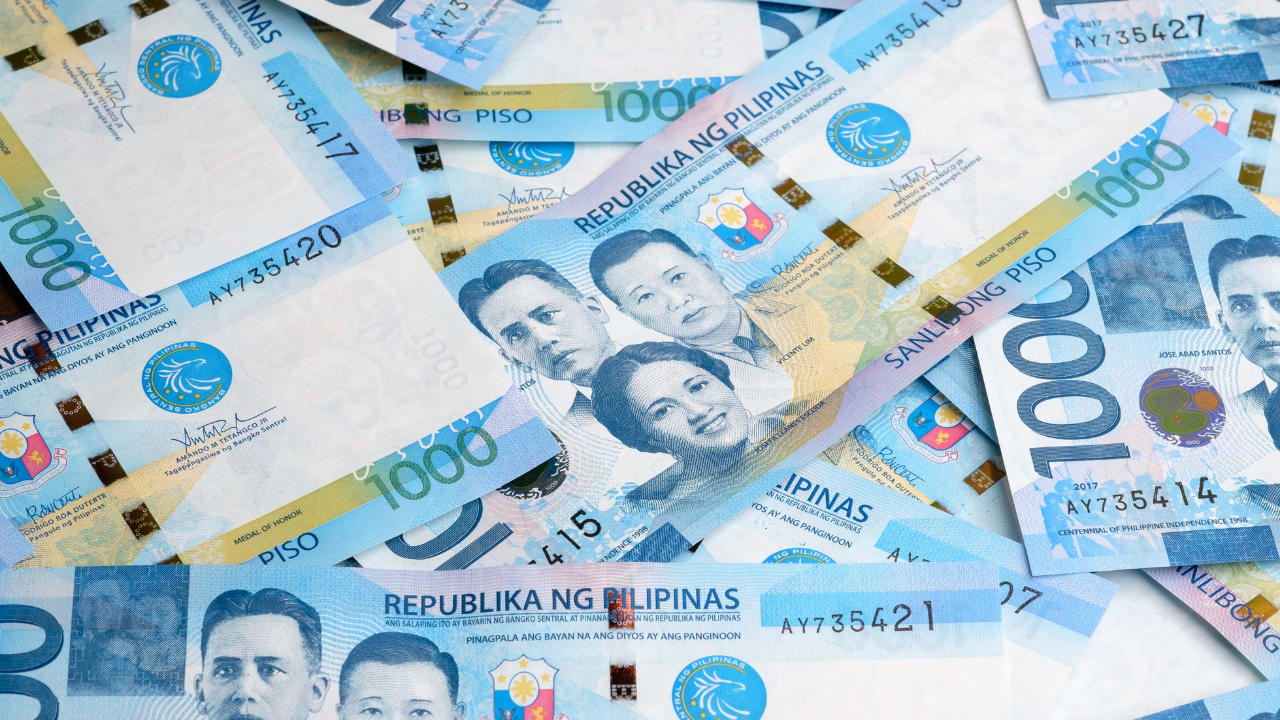
The Philippine peso tested a new record low on Tuesday after US President Donald Trump reignited tensions with Europe, threatening additional tariffs as part of his push to assert control over Greenland, a move that unsettled global markets, including across Asia.
The local currency closed yesterday’s trading at 59.455 to the dollar, down 1.5 centavos from the previous session. It hit an intraday low of 59.50 before cutting some losses, narrowly avoiding a close below the record low of 59.46 set on Jan. 15.
Trading volume reached $1.2 billion, slightly higher than Monday’s $1.1 billion.
A trader said the peso’s moves in the spot foreign exchange market “seem to be largely sentiment-driven rather than flow-driven,” citing political headlines, such as Trump’s feud with Europe, which added a risk premium just as the market was already leaning long on the dollar.
“That said, this doesn’t look like a one-way move as corporate demand and fixing continue to provide support, while local supply caps rallies,” the trader said. “For the rest of the week, I expect choppy, range-bound trading rather than a clean breakdown, unless offshore risk sentiment materially worsens.”
A weaker peso has mixed implications for the Philippines. It lifts the domestic value of remittances from millions of overseas workers and could make Filipino exports more competitive. At the same time, it risks pushing up import costs and reigniting inflation.
Sustained depreciation could also raise the peso value of foreign debt held by the government and private firms.
The Bangko Sentral ng Pilipinas (BSP) had said it would let market forces largely determine the exchange rate. It would step in only if a prolonged slide threatens imported inflation as opposed to smoothening daily swings.

The central bank appears willing to tolerate some currency weakness as it nears the end of its pro-growth easing cycle. BSP Governor Eli Remolona Jr. indicated that the cycle could conclude with a single additional rate cut—possibly in February—unless “bad surprises” warrant further reductions.
Another trader said mounting bets on another BSP easing—combined with lingering uncertainty over the next moves of the US Federal Reserve—could continue to weigh on the peso.
“The peso depreciation continued to be grounded on prospects of a February rate cut,” the trader said.
“This weakness of the local currency might persist in view of potentially upbeat readings on US gross domestic product and PCE (Personal Consumption Expenditures) inflation later this week, which might solidify views of a prolonged policy hold from the US central bank,” the trader added.