

PPP on Baguio traffic scheme back to drawing board

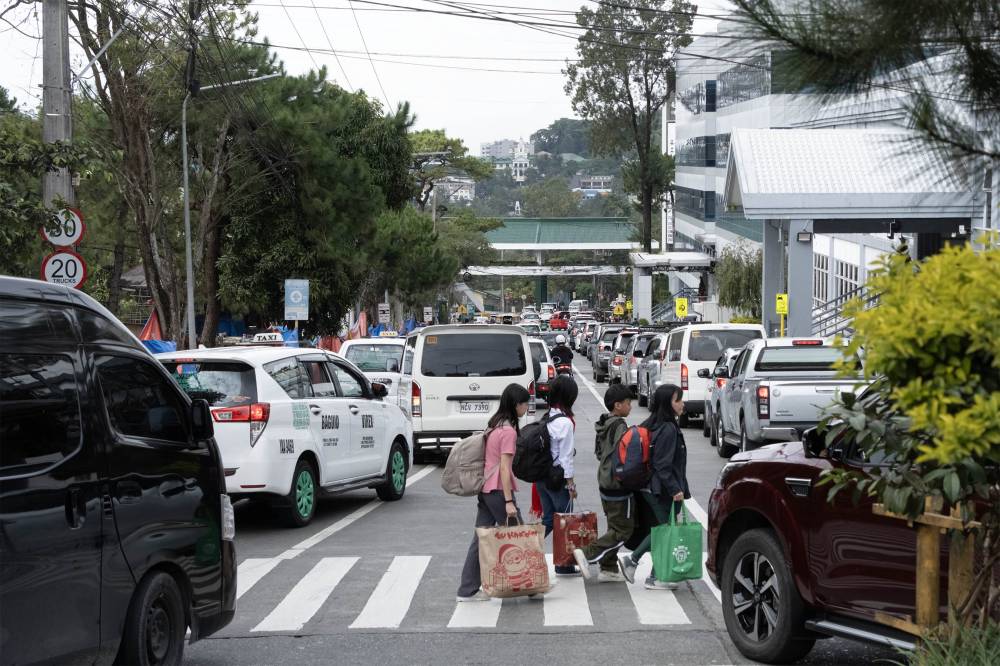
BAGUIO CITY—Metro Pacific Tollways Corp. (MPTC) is back to the drawing board in its proposed partnership with the city government to regulate traffic and mass transportation here through a smart mobility system.
The city council on Monday returned MPTC’s proposal for public-private partnership (PPP) that originally included a possible P250 congestion fee to divert motorists from gridlocked streets.
This is the second unsolicited PPP that did not push through among offers collectively worth P15 billion and made by major companies wanting to take part in Baguio’s redevelopment.
At the start of January, retail giant SM Prime Holdings withdrew its P4.5-billion pitch to replace the century-old Baguio City Public Market with a modern market building to be run by the city government, and a smaller retail building and a parking building it would operate for 50 years.
On Tuesday, hydroelectric firm Repower Energy Development Corp. presented to the City Development Council (CDC) its offer to rebuild and upgrade the capacity of Baguio’s American-era hydroelectric plants located in the neighboring Benguet town of Tuba. The proposal aims to raise the generation capacity of the city’s Asin power plant from 4.3 megawatts to 9.4 MW. If cleared by the CDC, the offer would be transmitted to the city council.
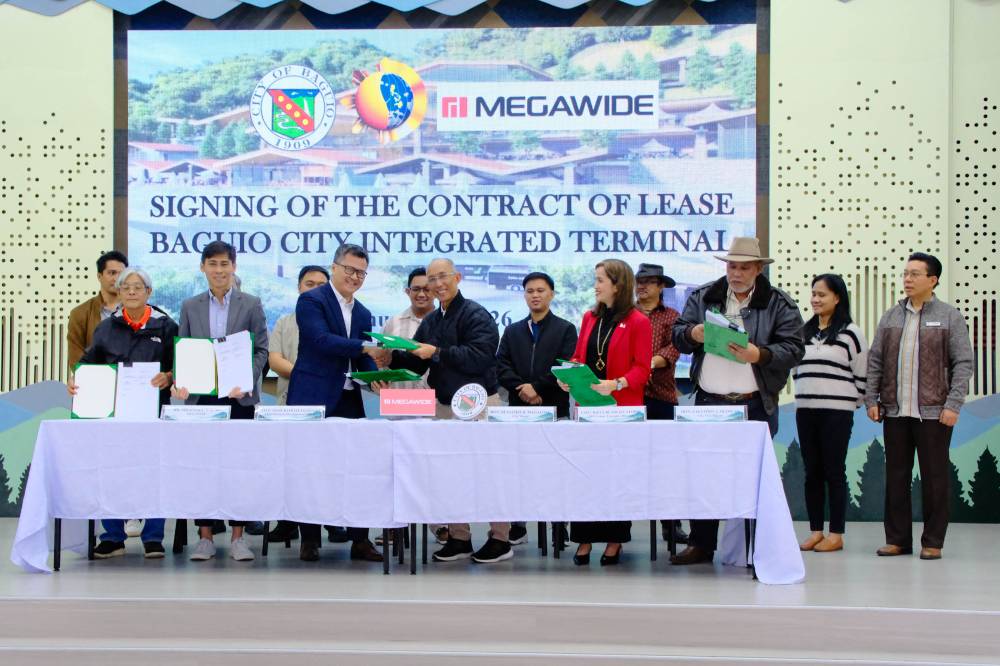
To date, only the PPP proposal for a P1.2-billion unified transport terminal to house all buses and public utility vehicles leaving and entering Baguio has been given the green light to proceed this year. It is being put up by developer Megawide Construction Corp. which signed its lease contract on Wednesday.
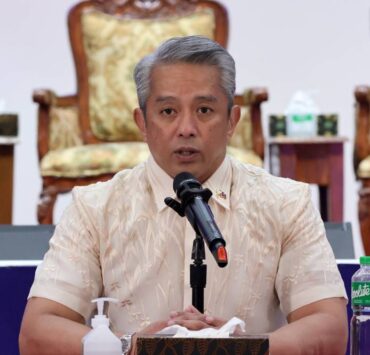
During the council session on Monday, MPTC representatives led by Donald Saurombe said the firm would rework its offer and consider inputs provided by Baguio councilors.
The council was scheduled to accept or deny the smart mobility proposal before a Feb. 4 deadline.
Speaking to reporters before the council made its decision, Mayor Benjamin Magalong said MPTC’s new leadership had decided to restudy its offer.
Solving congestion
Now led by Gilbert Gabriel Sta. Maria as president and chief operations officer, MPTC has not abandoned its proposal to use digital technology to manage traffic flow and the fleets of small buses and traditional jeepneys plying the summer capital, the mayor clarified.

But MPTC may consider piloting the system on selected streets as “proof of concept” before it resubmits its PPP offer, this time as a solicited government proposal, Magalong said, stressing he would meet with Sta. Maria in the coming weeks.
“Let’s look at the data. Currently, Baguio has 59,000 registered vehicles excluding motorists living in adjacent Benguet towns, and the 28,000 vehicles driven by businessmen and tourists who frequent the city,” Magalong told reporters.
Add to this the projected 4-percent growth in the number of vehicles and Baguio would need to handle 20,000 more cars on its streets.
A 2019 study on Baguio’s urban carrying capacity found that its roads were designed for up to 20,000 vehicles only, a threshold already breached in 1988.