








Adaptive reuse: Breathing new life into aging structures

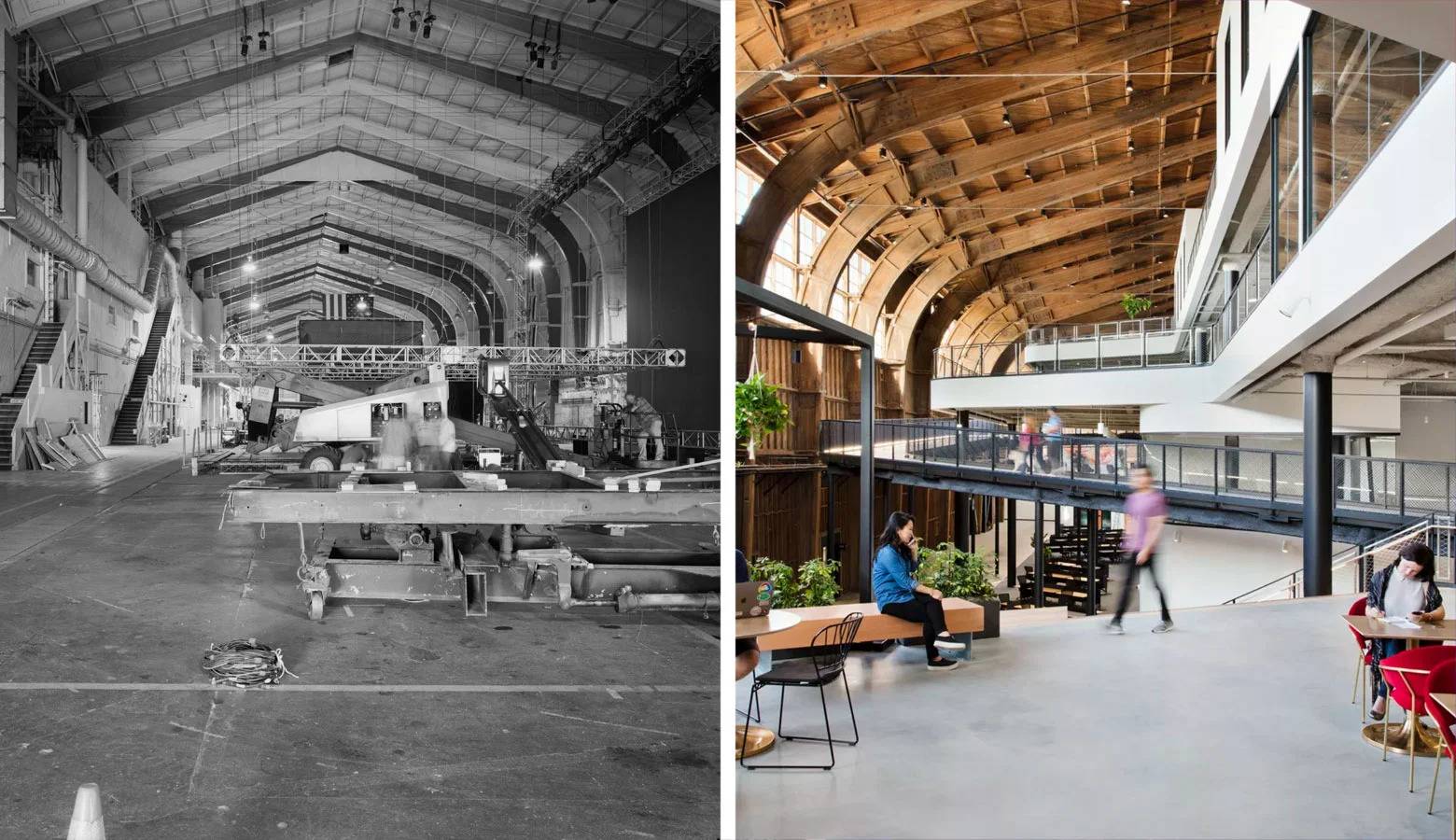
Aging structures can be given new life.
When a building or house has long served its purpose and has succumbed to wear, tear, and eventual neglect, abandonment or demolition is not the next logical step.
A structure can be repurposed while preserving its intrinsic or historic character. This allows it to bounce back with a renewed function, appeal, and ambiance.
This is the essence of adaptive reuse—an urban planning strategy that combines the recovery of materials, energy, and cultural value while meeting modern needs. Adaptive reuse breathes new life into aging spaces, and by making good use of existing resources, it contributes to environmental sustainability.
Push-pull factors
Some communities “lose” their residents or tenants because of changing priorities.
Families leave their residence to go abroad or to upgrade to a house in the suburbs or a condo. Empty nesters, now retirees, seek more convenient accommodations elsewhere. Similarly, some commercial tenants move out due to a shift in business trend.
Homey commercial neighborhoods
Several neighborhoods in Metro Manila have organically embraced adaptive reuse.
For example, Maginhawa Street in UP Teachers’ Village, Quezon City, and the streets adjacent to it—originally built in the 1970s and 1980s as a suburban residential subdivision—now comprise a premier “eat street.”
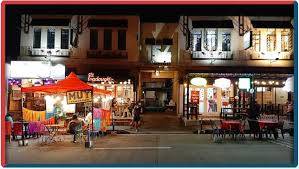
Over time, the bungalows and two-story detached houses have been transformed into small cafés, eateries, and dining establishments serving locals and transients from nearby schools and offices.
Gardens and garages have also been converted into al fresco dining areas.
Former salas, dining rooms, and other interior spaces are now used as main dining areas. Some establishments operate on limited hours and cater only to as many customers as their spaces can accommodate. Customers are drawn mainly to the comfort food, artisanal offerings, and laidback ambiance—the very charm of these establishments.
Amid the proliferation of food courts and restaurants in malls, these house-turned-dining destinations feel homey both spatially and gastronomically, offering relief from busy, impersonal environments. They provide a much needed slowdown, allowing patrons to savor a slice of history amid a fast-paced lifestyle.
Compatibility counts
Some of the houses, meanwhile, are also being reused as studios for rent; creative hubs; shops for plants, books, or artwork; or as board-and-lodging places for students and professionals.
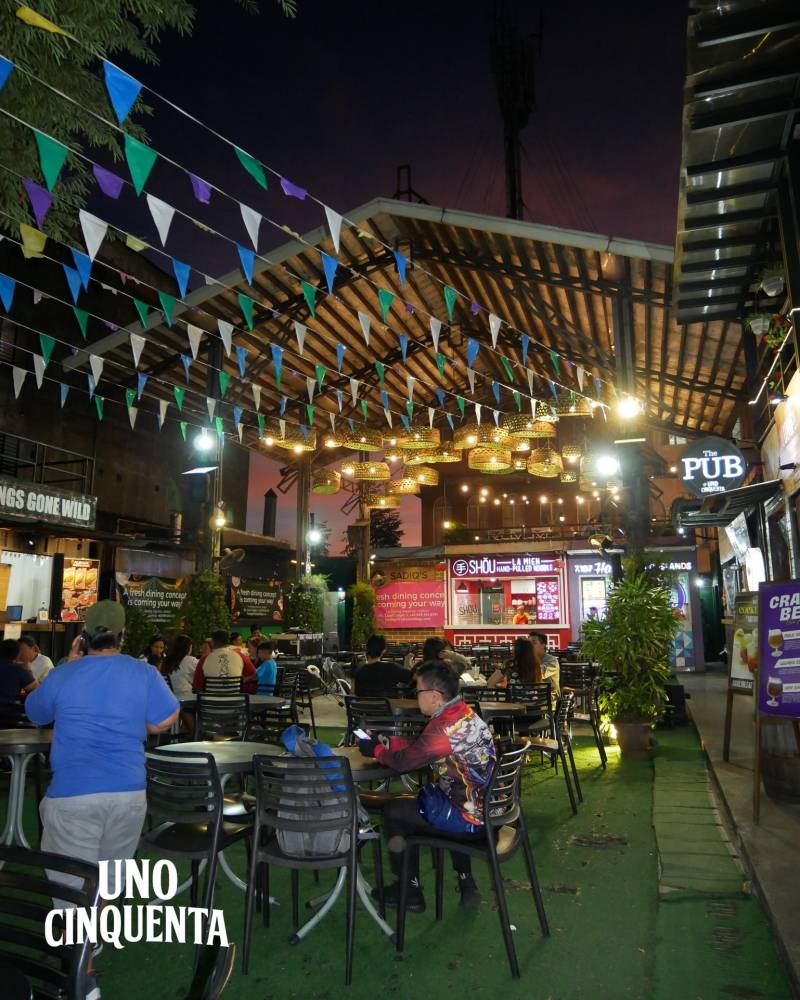
The local government of Quezon City fully supports this emerging role of the area—a residential zone with a special development designation–through an ordinance declaring Maginhawa Street and its adjacent streets a tourism district known as the Maginhawa Art and Food Hub.
Fast food and restaurant chains are also regulated to maintain the area’s “distinct hole-in-the-wall characteristics… and to encourage micro and small business enterprises to invest and/or allow them to thrive therein.” (Ordinance No. SP-2439, S-2015)
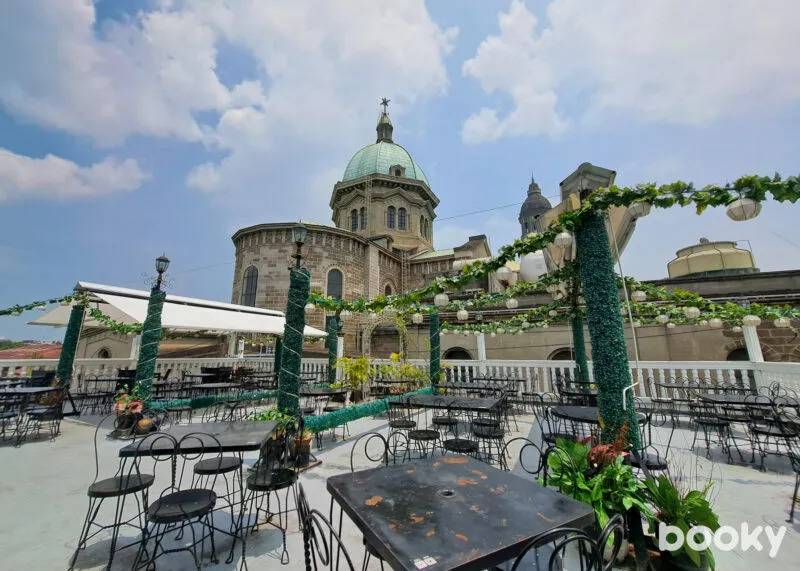
In Intramuros, the architectural styles of its historic buildings have been well preserved, even as these structures now serve new functions–restaurants, museums, socio-cultural venues, school, and offices. Historic tours about Intramuros further reinforce and highlight this preservation.
In adaptive reuse, it is vital that the cultural and historical characteristics of the place are maintained through preservation of architectural style and thoughtful curation of compatible uses allowed for the site. It is also crucial that the structure is structurally sound and safe for all occupants.

Global inspirations
Across the globe, adaptive reuse is adopted for its practical, sustainable benefits and its boost to tourism.
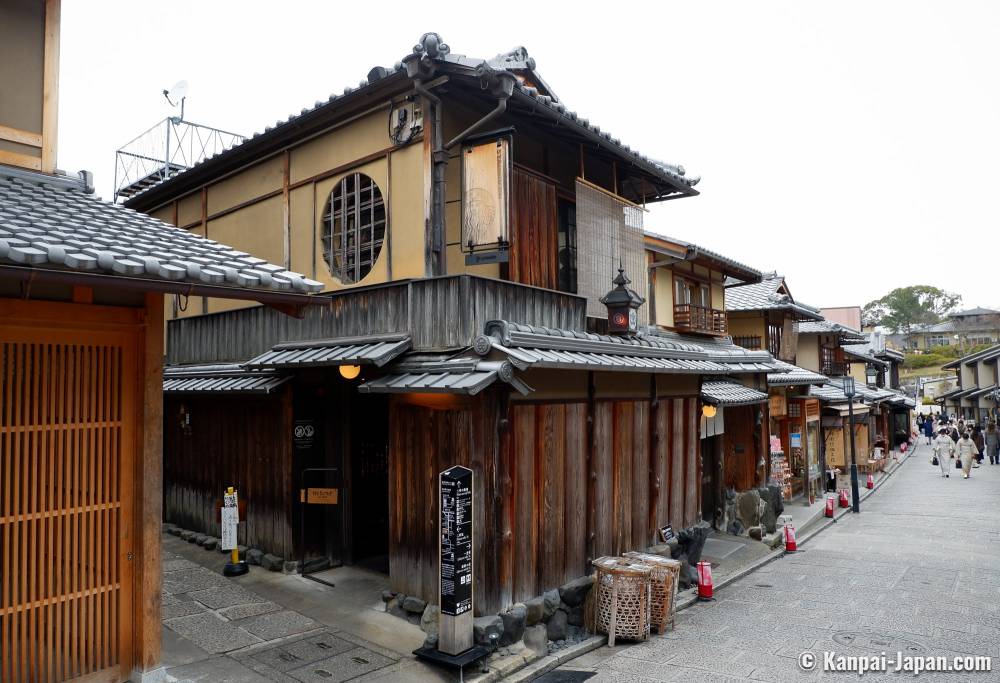
Castles have been transformed into cultural venues, hotels, or museums. Kyoto in Japan continues to be a top tourist destination where traditional townhouses are repurposed into modern cafes, souvenir shops, or boutique hotels while maintaining their architectural integrity.
Another example–a radical one–is the Zhongshan Soccer Stadium in Taipei, Taiwan which has been transformed into a community garden. Renamed the Taipei Expo Park Sky Farm, the bleachers now hold potted plants while locals cultivate them.
Rediscovering authenticity
But why do these old houses and buildings captivate tourists with an allure that feels almost hypnotic?
Visually, their unique details, craftsmanship, and patina of age reflect distinctiveness and authenticity that are awe-inspiring.
Beyond what is visible, these structures also hold precious memories of human stories. When we allow these structures to evolve and remain part of future generations, those memories transform into lessons, inspirations, and a connection to lives whose timelines would never otherwise intersect with ours.
Through adaptive reuse, we rediscover the authentic essence of old structures and by reinventing them responsibly, they remain relevant and present for generations to treasure.
The author is a senior partner at PRSP Architects