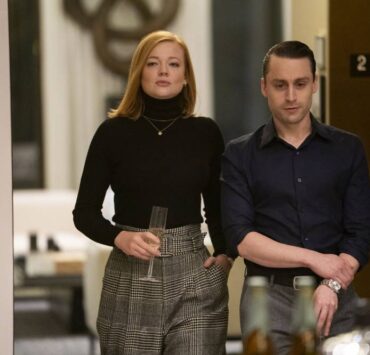





Is surrealism in for 2026?

What is surrealism? It started as a 20th-century art movement that mixed elements of the irrational and imaginative subconscious mind, sprinkled with pops of the real. In art history, we know the tropes: Salvador Dalí’s melting clocks and spindly elephants, René Magritte’s bowler hats and floating felines, or Man Ray’s haunting, distorted photography.
Meanwhile, in film, Luis Buñuel’s silent short “Un Chien Andalou” is still infamous for its eye-slitting scene, as one of the most visceral examples of surrealism’s effect of pushing the viewer out of their comfort zone.
Where did it start again? We’ve been seeing the eye-opening shock factor of surrealism in recent culture. Think a bit back to the 2023 Oscar-winning film “Poor Things,” as Emma Stone’s Bella Baxter wandered through a Victorian London that felt like a fever dream. Just in 2026, we had Guillermo del Toro’s gothic “Frankenstein” and Afro-surrealism in Ryan Coogler’s “Sinners.” There have been glimpses in recent music videos from the cotton candy worlds of Sabrina Carpenter to the gilded audiovisual realms of Chappell Roan.
And definitely, there have been surrealism cameos in both high fashion objects and promotions, like the recent hand-drawn, stop-motion Hermès videos.
A new editorial?
One of the clearest manifestations of surrealism’s recent rise appeared just before Christmas with The Cut’s cover featuring Syrian-American animator, illustrator, ceramicist, and the First Lady of New York City, Rama Duwaji. Shot by Szilveszter Makó, who is known for his theatrical, painterly photographs that often use handmade materials, Duwaji stood on stools in a paper box. The photos resemble a hybrid of photography, papier-mâché, and cardboard set design, made stranger by the contrast with Duwaji’s sleek, contemporary looks.
Elsewhere, the swan-like Elle Fanning’s recent shoot for Who What Wear places her in a subtly surreal universe. While the publication is not traditionally high editorial, the visuals tell a different story. Fanning poses with random objects on plates and holds oversized cardboard forks set on fire. The article itself is straightforward, but the imagery signals a clear shift toward strangeness.
It feels like there is a return to gothic undertones and a paper-doll-like sensibility that recalls the 2010s, but now rendered with more polish and seriousness, as an occasionally darker whimsy creeps in.
An “object”-ive turn to whimsy
In recent years, fashion has leaned toward high futurism, casual streetwear, or pared-back minimalist chic looks. Seasonal aesthetics have been cycling through tropic gothic and the now-overused “quiet luxury.” But now, fashion pieces with subtle surrealist twists are floating in.
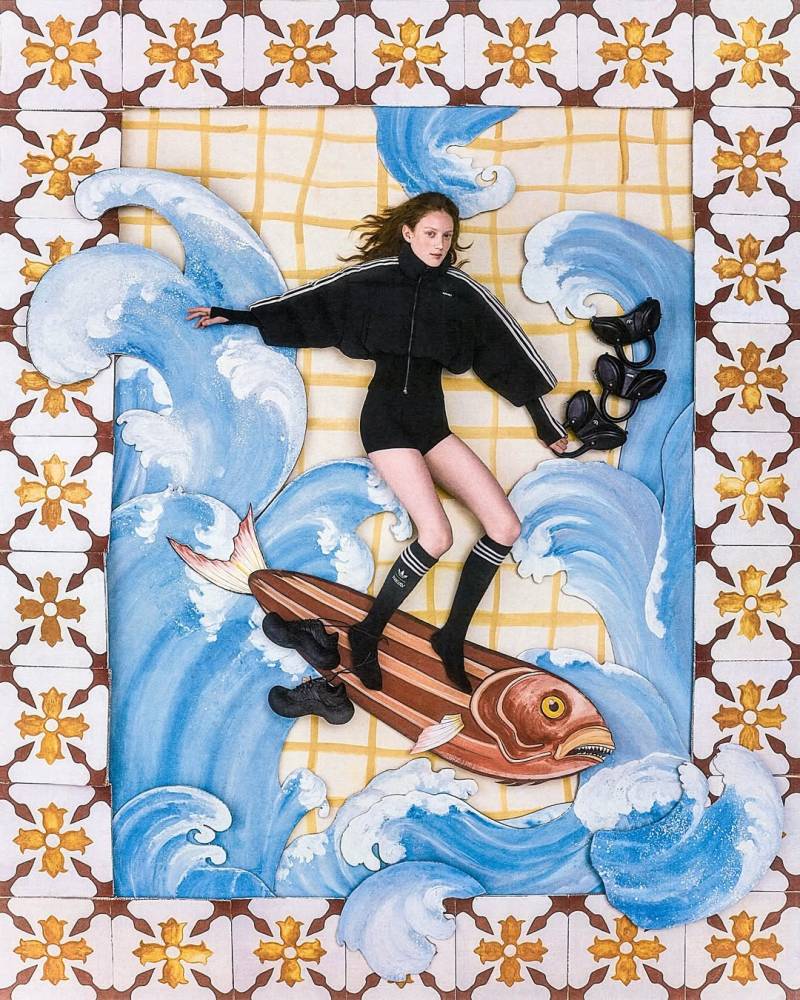
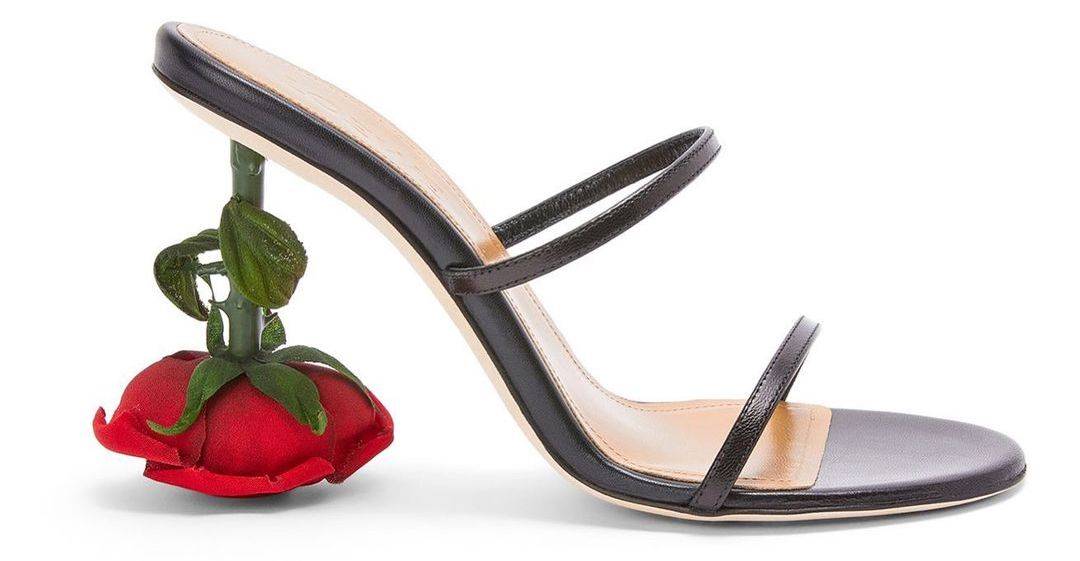
Of course, Schiaparelli remains the queen of all things surrealist. The most obvious reference point for a reason, their strange accessories seem to have lives of their own. Not to mention the designer was closely connected to Dalí himself. But surrealism is no longer confined to couture either, as unusual silhouettes, sculptural accessories, and exaggerated heels are popping up beyond the runway and luxury stores, giving opportunities for people with more normal buying power to add pops of character to their ’fits.
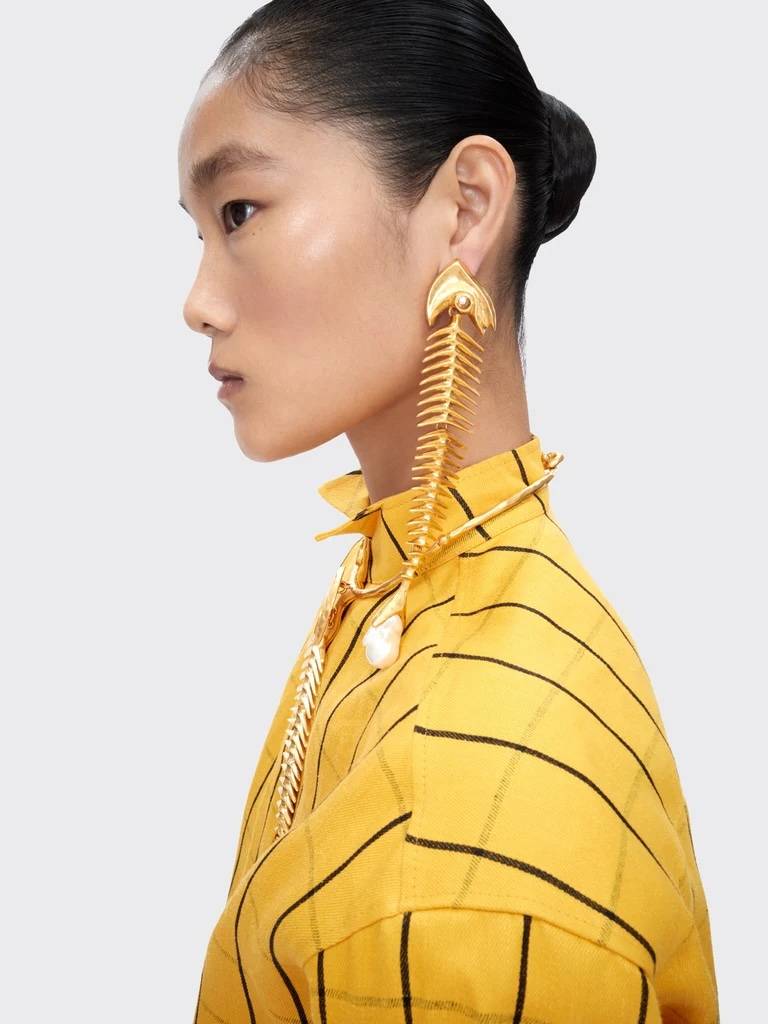
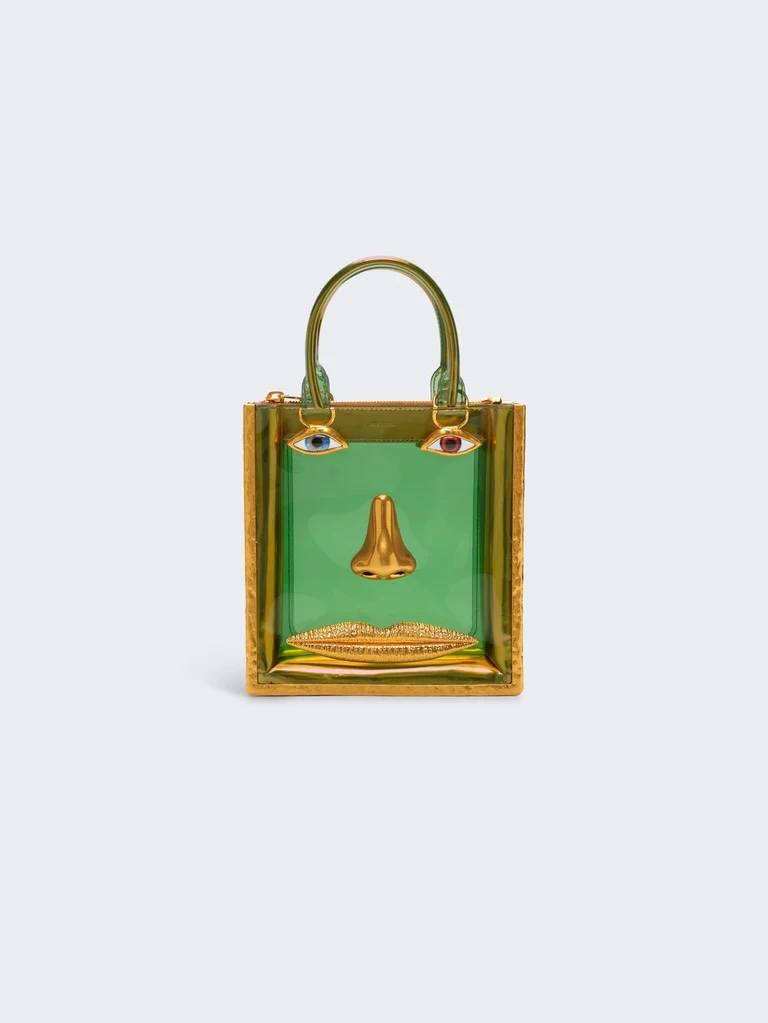
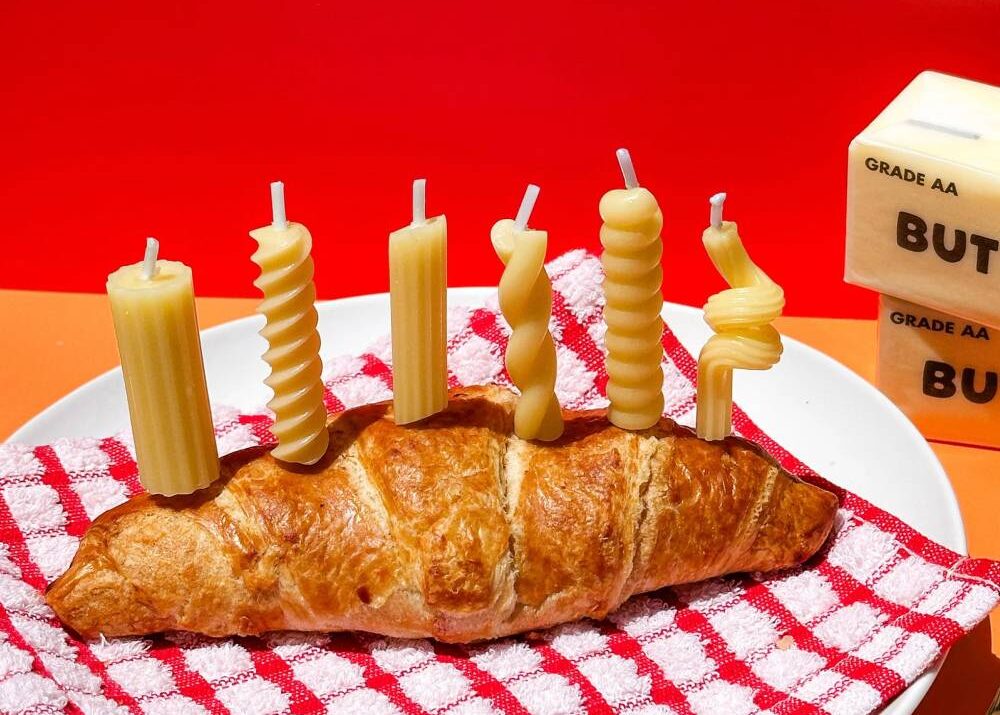
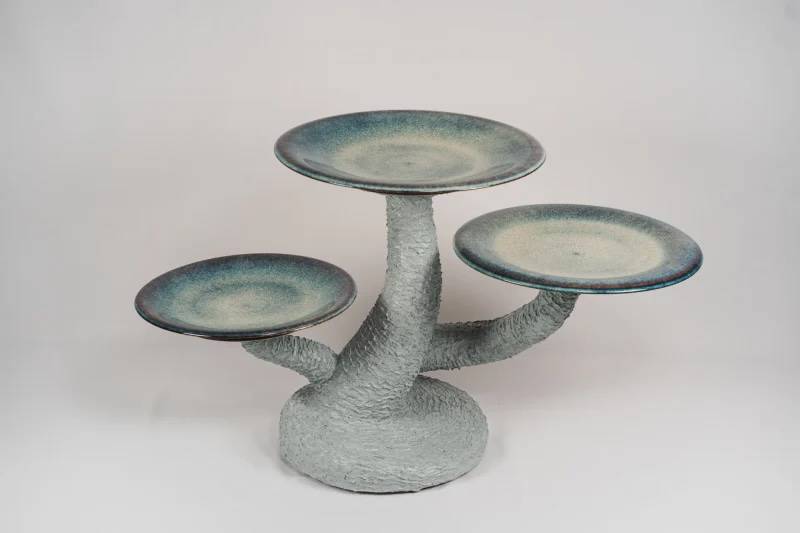
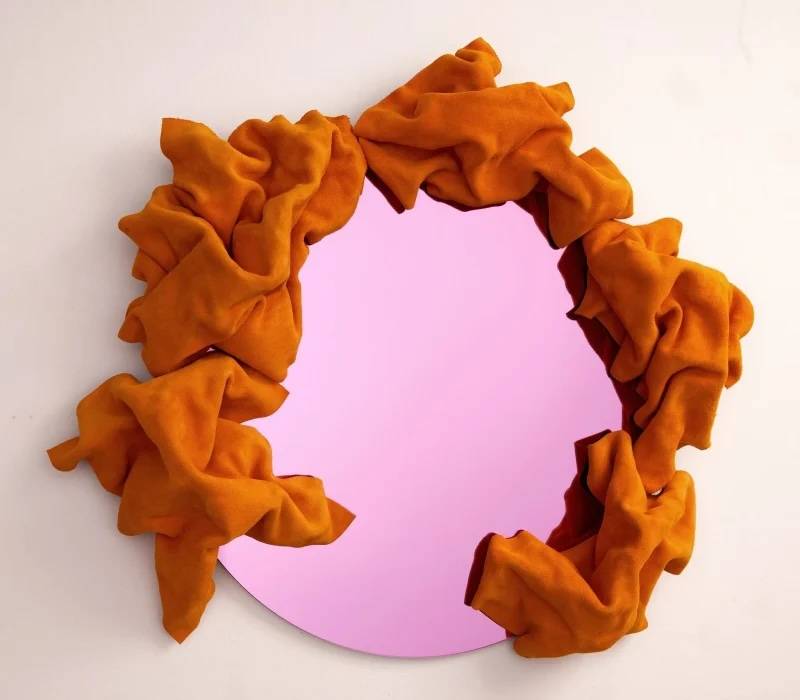
The trend has extended beyond fashion and into interiors. At places like the MoMA Design Store or even Ikea, surrealism is starting in the accessories section. Candleholders, vases, and decorative objects are popping up in unexpected, almost mischievous shapes and vibrant colors.
On a local level, designers such as Rita Nazareno and Gabby Lichauco create furniture that feels slightly otherworldly, while Dex Fernandez’s Garapata bags blur the line between function and fantasy.
All in all, what all these objects have in common is that they don’t disappear into a space, but demand attention.
Why surrealism, and why now?
So why the rise of surrealism again? With the fast-paced, nonstop digital merry-go-round of Instagram reels and endless algorithms, our brains are overwhelmed. Especially for those in design or other creative realms, it’s easy to get one’s eyes jaded by all the colors, shapes, and ideas.

With such visual fatigue, originality is harder to access. Surrealism, on the other hand, is quite far removed from our own world and feels novel again.
There are two dominant responses to overstimulation. One is to declutter completely, to embrace minimalism, flatness, and, I’ll say it again, “quiet luxury.” The other is to lean into imagination and narrative. Increasingly, brands are choosing the latter.
We’ve seen recent research that consumers are now drawn to authentic storytelling in pieces that feel intentional and expressive of the owner’s individuality. This may explain why many brands are stepping away from AI-generated visuals and returning to original content, handcrafted sets, and concept-driven imagery.
In 2021, fashion historian Caroline Elenowitz-Hess told Harper’s Bazaar, “Surrealism is often connected to a sense of cultural upheaval… The Surrealist artistic movement sprang out of the sense of dislocation and distrust of authority following the First World War, which has a lot of parallels to the loss of institutional trust during the Trump era, augmented by the fear and disruption of the COVID-19 pandemic.”
It still checks out, as you can be sure that sense of uncertainty and anxiety is still around today.
With this return to play, surrealism is opening up a new world of emotional resonance, making room for humor, a little discomfort, fantasy, and more thoughtful critique. We’re reminded that design doesn’t have to be aspirational or clean. Your aesthetic sensibilities can forgive the logic of the real world, opening up room to spin through a sense of whimsy, strangeness, poetry, and play.