








In Zambales, guardians of ‘Ina Poon Bato’ keep faith alive as devotees seek healing

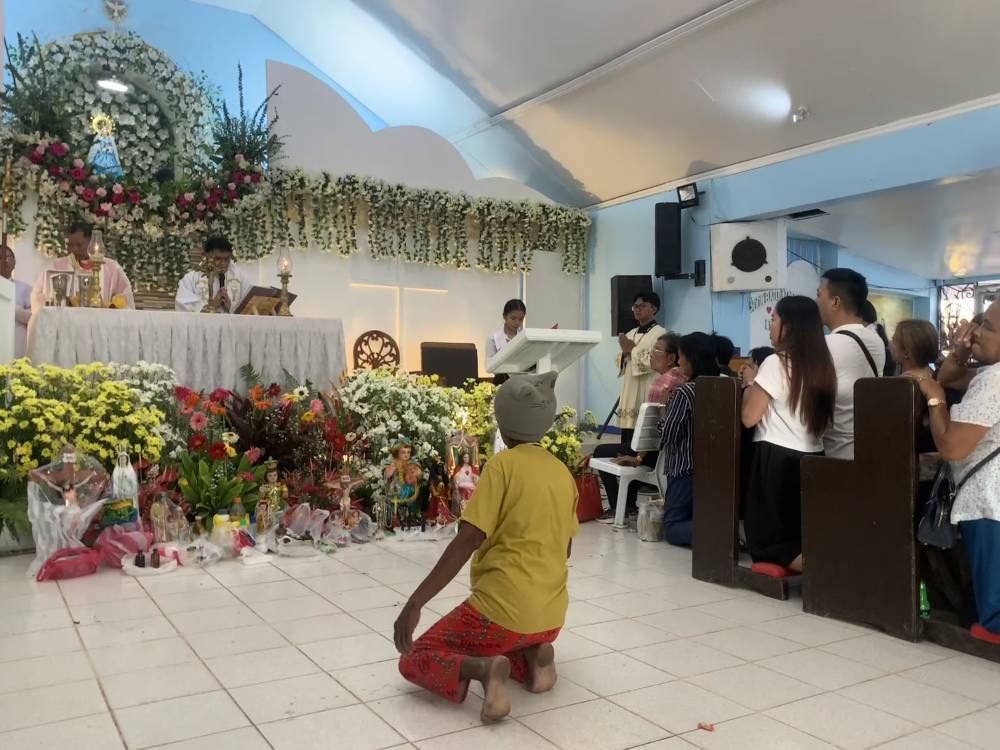
BOTOLAN, ZAMBALES—To many visitors at the “Apo Apang” shrine in Barangay Loob Bunga here, Aries Cariño, 65, appears to be just another vendor selling candles and religious items.
But Cariño is also one of the “camareros,” the traditional guardians of Apo Apang, also known as “Ina Poon Bato”—a role his family has carried for generations.
Just days before the annual religious feast on Jan. 24, Cariño watched as his sisters led novena prayers inside the Iglesia Filipina Independiente (IFI) church that now houses the Marian image.
He said the prayers and hymns were passed down from their mother, tracing back to the image’s rediscovery after the 1991 Mt. Pinatubo eruption.
Long before Spanish colonization, indigenous Aeta communities already venerated the wooden image believed to have appeared to a tribal leader named Pan Daleg.
According to oral tradition, the image survived fire and later healed Pan Daleg’s wife, leading the tribe to regard it as sacred.
The image, later carved and named Apo Apang, remained under the care of Cariño’s family until Pinatubo buried the original community in lahar.
Intact
Cariño shared that the image was later recovered intact and brought to the resettlement site, where it remains enshrined today.

He said many devotees come seeking healing and comfort.
“Some are sick, some cannot walk, others were told they were near death, but they recover—as long as they have faith,” he told the Inquirer.
According to the Botolan Tourism Office, about 18,000 devotees visited the shrine during last year’s feast, with more expected this year.
For Rt. Rev. Conrado de Guzman, bishop of the IFI Diocese of Zambales, Apo Apang’s story carries a message for the marginalized. “God does not abandon the poor and the displaced,” he said, calling the shrine a symbol of hope for those driven from their ancestral lands.