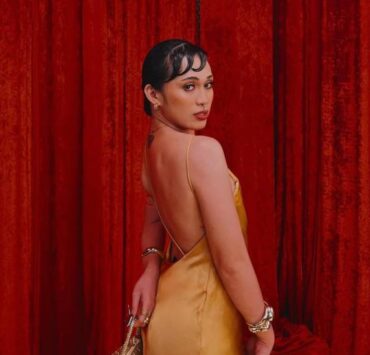











The rise and fall of Pat McGrath Labs

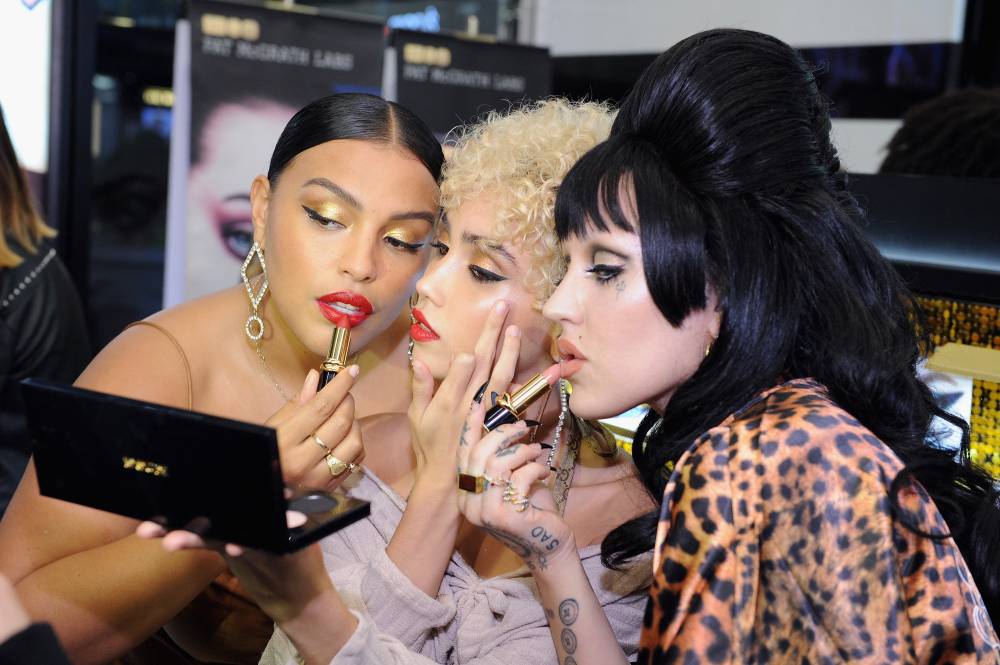
The beauty industry today moves at a pace unlike any other. Trends on social media peak in weeks and vanish almost as quickly, leaving brands scrambling to keep up. In this environment, a famous owner alone is not enough—success demands speed, innovation, and the ability to convert attention into sales before the moment passes.
This is the paradox at the heart of Pat McGrath Labs’ fall: a brand that defined culture, but ultimately failed to capitalize on it fast enough. And in 2026, the fallout speaks volumes about the state of the beauty industry itself.
The icon who redefined beauty
If you follow beauty culture, Pat McGrath needs no introduction. Her runway work—fusing avant-garde experimentation with couture—defined fashion’s visual language for decades. Her creations became the costume itself. She shaped the ’90s through iconic i-D covers, created runway moments that became industry reference points, and in 2021, she was the first makeup artist to be awarded a Damehood by the British Empire.
When her eponymous brand debuted in 2015, the launch felt monumental. Gold 001, a sequin-studded pigment, overwhelmed the website and sold out almost instantly. Within three years, a $60 million investment from Eurazeo Brands elevated the company to a $1 billion valuation.
A decade later, Pat McGrath Labs faces a very different reality. Its assets, including trademarks and other materials owned by Pat McGrath Cosmetics, LLC and Patricia McGrath, were scheduled for a public auction managed by the financial services company Hilco Global.
More recently, Women’s Wear Daily reported that the planned asset sale was put on hold, but filed for Chapter 11 bankruptcy. Industry publications and social media have been buzzing with speculation ever since, underscoring the cultural weight a beauty brand can carry.

From rare to repetitive
For years, Pat McGrath Labs built its reputation on professional-grade formulas and inclusive shade ranges, making it a staple for both makeup artists and everyday consumers. The Mothership palettes and MatteTrance lipsticks emerged as consistent, category-defining bestsellers.
However, social commerce accelerated, beauty cycles compressed into weeks, and the brand’s infrastructure couldn’t keep pace. What had once felt rare, urgent, and collectible began to feel repetitive—and consumers noticed.
Internet personality and founder of Singe Beauty, Angelica Nyqvist, criticized the brand’s approach. “When Pat McGrath Labs launched, it was about bringing runway looks quickly to consumers. But over time, the brand just felt snoozy, re-releasing products with new packaging instead of innovating,” she says.
“There are also other really lazy collaborations like the collaboration with Candy Crush,” she adds.
Examples abound. The Star Wars Mothership palette was largely a re-release of Mothership IV with updated packaging. While it still sold, it failed to spark the same excitement. Collaborations with Supreme followed in rapid succession, again reusing existing shades and palettes. Over the years, repeated collaborations, oversaturated products, and compressed launch cycles gradually eroded the sense of exclusivity and anticipation that had once defined the brand.
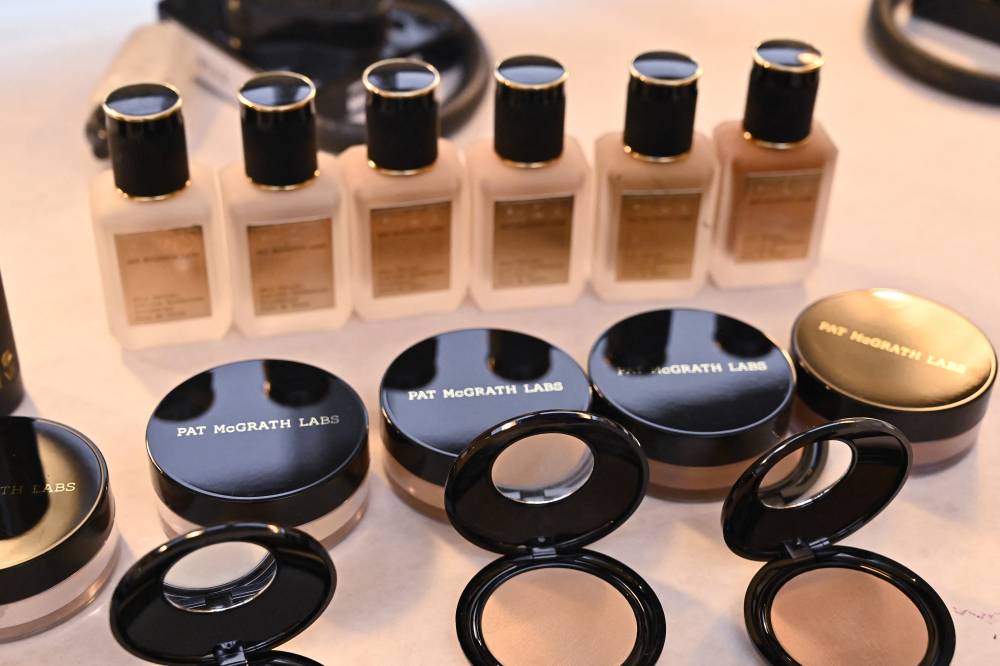
The brand that couldn’t keep up
Marketing campaigns also began to underperform relative to their cost. Naomi Campbell-led shoots intended to cement prestige generated only modest engagement—15,000 views for the first YouTube campaign, 3,500 for the second by 2025. Expensive productions failed to convert cultural attention into real sales, exposing a widening gap between McGrath’s creative authority and the brand’s operational execution.
In effect, Pat McGrath Labs began to resemble the “old-fashioned” beauty model the founder had once aimed to disrupt. The core issue was velocity and innovation. And even when McGrath’s talent captured global attention, the brand failed to capitalize on it.
Take the porcelain “glass skin” look at Maison Margiela’s 2024 couture show. McGrath created a trend, and the market demanded products—but nothing was ready for consumers to buy. By the time the Skin Fetish: Glass 001 Artistry Mask launched a year later, the moment had passed.
Meanwhile, nimble competitors stepped in, capturing attention and converting it into sales while Pat McGrath Labs trailed behind.

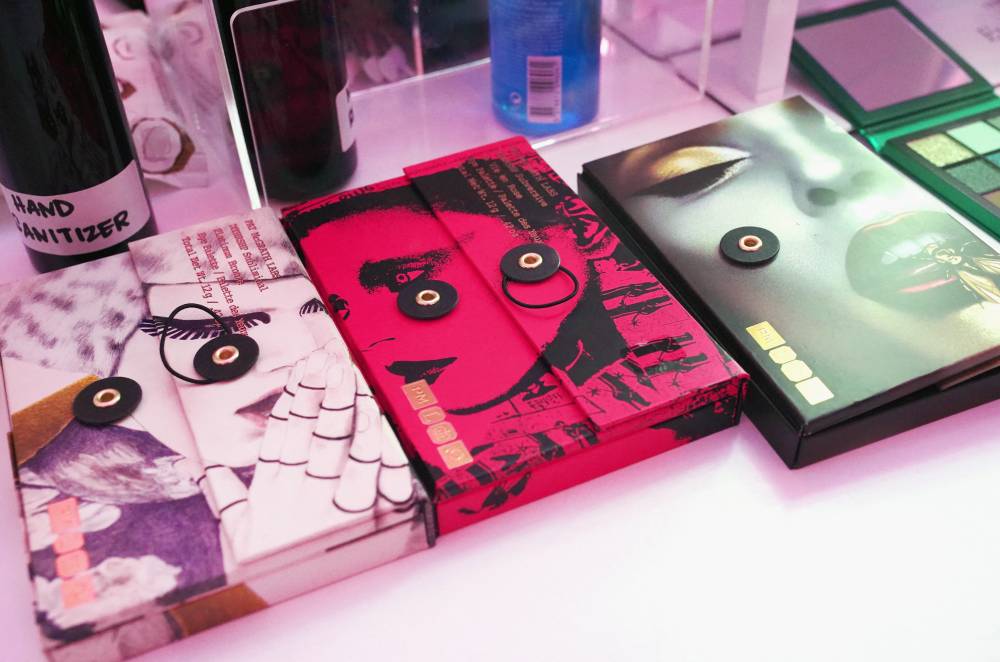
Systemic challenges of beauty today
Pat McGrath Labs had creative lightning. What it lacked was the wiring: a system innovative enough to respond to trends, translate admiration into access, and move products through the same channels that move culture itself.
Compare Charlotte Tilbury. Launching her brand just two years before McGrath, she built a company designed to capitalize on virality. Tilbury consistently engages with trends and produces content that converts. The result: Her brand tops the UK Beauty Rich List at £350 million and remains the most-discussed beauty label online.
Same starting point as McGrath. Different infrastructure. Different outcome.
Over the last five years, beauty has quietly become a platform-driven market. TikTok, Instagram, and YouTube now function less like media channels and more like retail ecosystems. Influence doesn’t compound unless engineered into a repeatable conversion loop. Cultural relevance is only valuable if it can be captured, scaled, and replenished before the feed refreshes.
As Nyqvist notes, “Now, in the beauty industry, you have to keep pushing boundaries and innovation forward.”
Unlike fashion, beauty operates in real time. A product can go viral at noon and sell out by dinner. The market rewards whoever can manufacture, ship, and restock fastest. Attention is perishable. A trending blush rarely gets a second viral life, and competitors will move in immediately with their take.
In 2026, this is the uncomfortable truth for an industry built on the romance of creativity: Beauty is as much a systems business as it is an aesthetic one.