Power resilience is a critical need

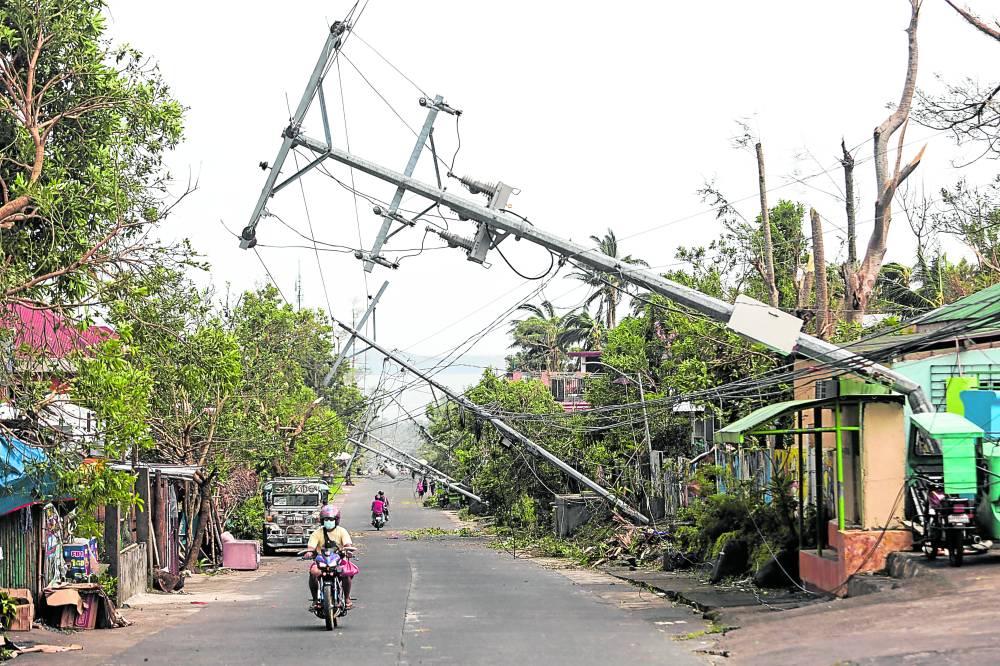
Every Filipino knows what it feels like while waiting for help in the dark. When a strong typhoon hits, the rains and winds may only last a few hours, but the power outages can last for days or weeks. No lights. Phones lose charge. Water pumps stop.
Outside, hospitals limit their use of generators. Barangay halls try to coordinate relief with radios and handwritten notes. Families anxiously wait for information that cannot come quickly enough.
After Supertyphoon “Yolanda” in 2013, many areas in Eastern Visayas went without reliable electricity for weeks to several months, as collapsed transmission towers had to be rebuilt almost from scratch.
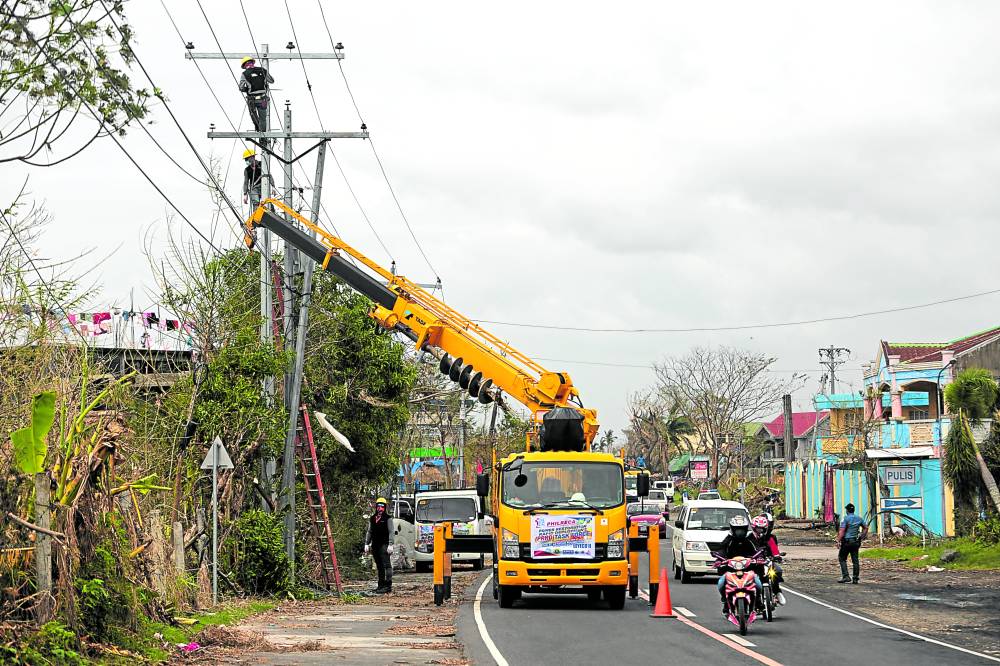
After Typhoon “Odette” in 2021, over 1.7 million electricity customers lost power, and in several provinces, full restoration took two to eight weeks, with remote areas waiting even longer.
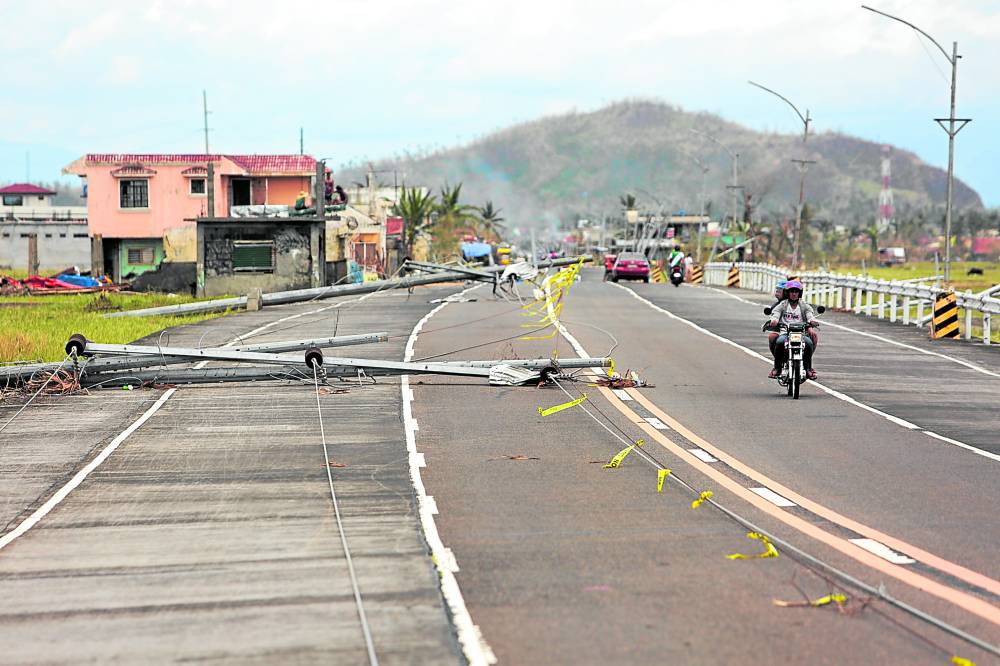
The storm inflicted the damage, but the prolonged suffering came from the collapse of power, water, and communications systems. These were not merely weather events, they were infrastructure failures.
Decentralize resilience
The Philippine power system relies heavily on long transmission lines and vulnerable substations. When towers fall or substations flood, it does not matter how many power plants are operating. Electricity simply cannot reach communities. Entire provinces go dark even while generation capacity remains available.
The policy challenge, therefore, is not only how we generate electricity, but also how we weather-proof the power system against Category 4+ typhoons so it keeps running when and where people need it most.
The most effective response is to decentralize resilience. To keep crucial public services running during power outages, essential facilities like public hospitals, rural health units, evacuation schools, municipal and barangay halls, water pumping stations, ports, airports, and major communication hubs should have rooftop solar panels with battery energy storage systems (BESS) installed.
These establishments hold the community together during disasters. They should never go dark.
For island and remote communities, microgrids—solar power systems and batteries with minimal diesel backup—are more reliable and economical than relying on fuel deliveries that are often delayed after disasters.
Not ‘future technology’
Solar plus BESS systems are not “future technology.” They are already used throughout Southeast Asia and the Pacific. When the main grid fails, these systems automatically “island,” keeping power running where it matters most.
As one of most vulnerable countries to climate change, the Philippines must harness technologies that alleviate the suffering of its people during extreme weather events.
The national government must mandate that all critical public buildings and infrastructure install rooftop solar plus BESS within a specified period. This is not only convenience, but governance, public safety, and dignity.
Implementation can follow a phased PPP approach under Republic Act No. 11966, focusing on 5,000 high-risk barangays in typhoon-prone areas over five years, with an annual budget of P36-48 billion. Local governments will receive a 20-percent national subsidy, with the Department of Energy expediting permit approval.

Each 100-kWp solar+BESS facility averages P10-20 million, with resilient features and using scalable modular designs like the Guimaras microgrids. The plan aligns with the 2025 GAA and RA 12009 reforms. The costs would exclude operations and maintenance covered by Energy Regulatory Commission-approved tariffs.
Economic costs
The economic case for resilience is clear. Supertyphoon Yolanda caused an estimated P95 billion in infrastructure damage and P37 billion in agricultural losses. Typhoon Odette’s total damage exceeded P50 billion.
Beyond physical damage, power outages impose persistent economic costs. The World Bank estimates that unreliable electricity costs the Philippine economy about $8 billion annually in lost productivity, while a single five-hour nationwide outage can cost roughly P556 million.
Against these losses, a phased national investment of P180-P240 billion over five years—to install solar and batteries in critical facilities, establish barangay resilience hubs, deploy priority microgrids, and harden key grid assets—is fiscally justified.
We cannot stop typhoons. Climate change is projected to increase both their intensity and frequency. But we can mitigate the suffering that follows.
When the lights go out, everything stops. It does not have to be that way.
Pete Maniego is an industrial engineer, lawyer, and industry executive. He was a faculty member of the UP College of Engineering and Ateneo School of Government, and former chair of the National Renewable Energy Board, Institute of Corporate Directors, UP Engineering R&D Foundation, and Energy Lawyers Association of the Philippines.