IT-BPM revenues top $40B

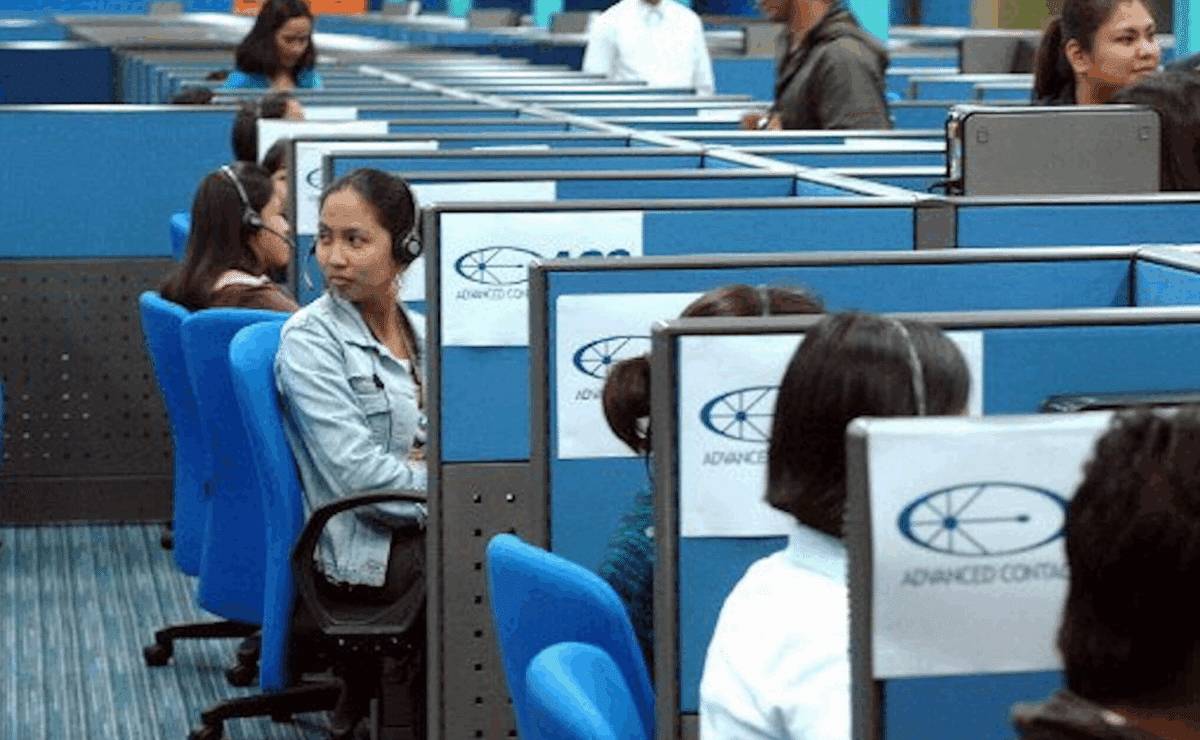
The Philippines’ information technology and business process management (IT-BPM) sector ended 2025 with export revenues exceeding $40 billion, marking a 5-percent growth from the previous year.
Jack Madrid, president and CEO of the IT and Business Process Association of the Philippines (IBPAP), said the result exceeded the group’s baseline projections for the year, released in late 2025, which had forecast $40 billion in revenues.
Looking ahead, Madrid said the industry expects another year of growth this 2026. IBPAP has set a baseline projection of $42 billion in export revenues, a figure Madrid said the industry could approach “with some certainty.”
This growth, Madrid said, was largely driven by the expansion of global capability centers (GCCs) in the Philippines, spanning health care, banking and financial services operations.
There are currently around 160 GCCs in the Philippines, which Madrid said positioned the country as a strong global contender, second only to India in this segment.
GCCs are strategic units of a company that support global operations, which deliver a wide range of services such as IT, finance, customer service, as well as research and development.
One example cited by Madrid was JPMorgan Chase, which employs more than 21,000 people at its Philippine GCC.
Continued uncertainty
Despite a “successful year,” Madrid said the industry remains cautiously optimistic for 2026.
“As we begin 2026, I can say that we are cautiously optimistic about another positive year of growth for the Philippine IT-BPM industry,” he said.
He noted uncertainties that could affect the sector, including dampened investor appetite and low business confidence, challenges that were also present in 2025.
Madrid emphasized two key factors influencing the industry’s growth: ease of doing business and availability of employable talent.

“Anything that challenges the ease of doing business will affect the cost of doing business,” Madrid said. “If we don’t meet the expectations of our investors, justifying their decision to establish operations in the Philippines, then that would be a challenge.”
Madrid noted that the industry was investing roughly $1.4 billion annually to upskill and reskill workers, preparing them for automation, artificial intelligence and more complex digital services.
“We need to measure and determine the success of this industry by the level of capability of digital Filipinos…That means that we need our digital workers to learn new skills,” Madrid said. “Higher value-added tasks deliver higher revenue.”
IT-BPM businesses currently account for about 8 percent of the Philippine gross domestic product, the IBPAP said.
The group projects the sector will employ about 1.97 million Filipinos by the end of 2026.