










How to stop dressing like you’re still in college

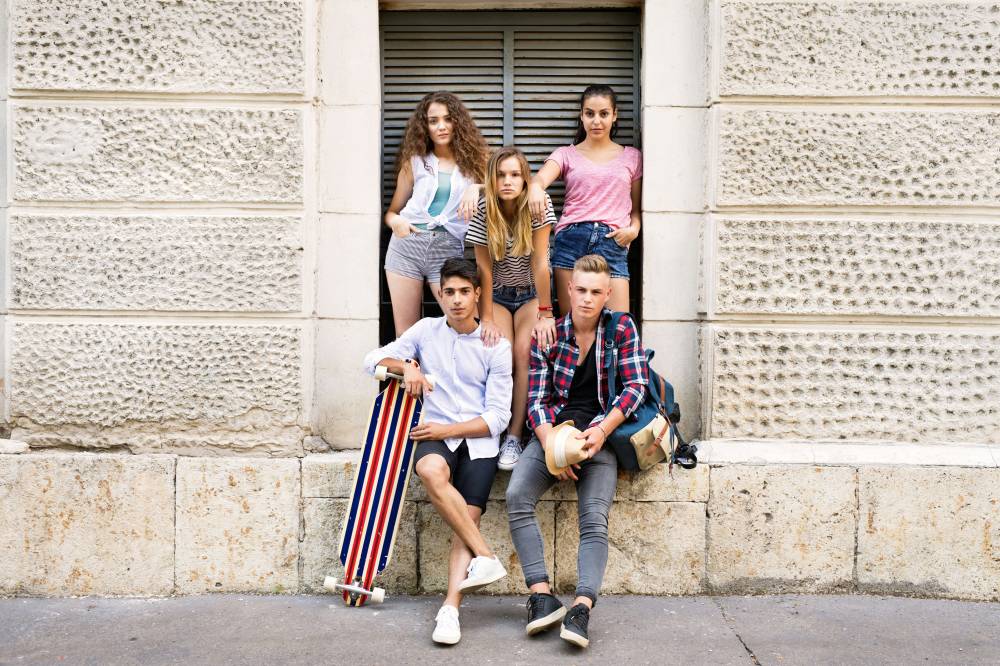
There’s a specific kind of outfit crisis that hits sometime after graduation and, for some, lingers long after the diploma has been framed.
You are getting dressed for brunch, a work event, a date, or a girls’ dinner, and somehow, the mirror is showing “campus at 2 p.m.” energy. The clothes still fit. They are still cute. But they do not quite match the version of you who now has calendar invites, nicer restaurants in rotation, and situations where “smart casual” has stopped being a suggestion and started being a real expectation.
The solution is not to dress older. It is to dress more intentionally. You are not erasing your personality or entering your beige era against your will. You are simply refining how your style shows up now that your life includes more than lecture halls and last-minute plans.
What makes an outfit read “college” has less to do with age and more to do with styling language. The signals are subtle but recognizable: trend-heavy combinations, silhouettes that are tight from shoulder to ankle, thin fabrics that cling like emotional support, party tops trying very hard to function in daylight, sneakers acting as the default answer to every look, and bags that are either novelty-sized or loudly logoed.
The energy is fun and spontaneous, a little chaotic in a charming way. It works when your main destinations are campus and a dinner that begins at 9:30 p.m. It feels less aligned when your schedule now includes varied settings, earlier start times, and places with lighting that does you no favors.
The shift that changes everything is moving from asking “Is this cute?” to asking “Does this look styled?” Cute is immediate and instinctive. Style is considered. It involves balance, proportion, fabric, and the discipline of not letting every piece compete for attention at once. This is where styling enters the picture, not in a stiff or overly serious way, but in a way that suggests you made choices on purpose.
Tailoring changes the whole silhouette
One of the fastest visual upgrades is trading tight for tailored. This does not mean oversized or shapeless. It means structure. Clothes that skim the body rather than cling to it create cleaner lines and a more elevated silhouette.
Straight-leg denim, tailored wide-leg trousers, column dresses, and the occasional full-length blazers or structured jacket bring shape and intention into an outfit. When something fits properly at the shoulders and falls with weight instead of stretch, the overall effect is instantly more refined. Your clothes should look like they belong to you, not like they are holding on for dear life.
Fabric is the luxury factor
Fabric does more work than most people realize. College-era wardrobes tend to lean on thin cotton, shiny synthetics, and anything that stretches without asking questions. More mature dressing leans into materials that hold their shape and have visual weight, like ribbed knits, cotton poplin, linen blends, structured denim, and matte satins.
These fabrics move differently, photograph better in unforgiving daylight, and make even simple outfits look more expensive. If something wrinkles strangely, shines aggressively, or clings in ways you did not consent to, it is probably not helping.
Reduce outfit noise
Another common giveaway is what could be called “outfit noise,” the tendency for every element to try to be the most interesting thing in the room. A statement top, bold shoes, a standout bag, and dramatic accessories all at once create an effect that feels more frantic than fashionable.
Restraint is what makes style look effortless. Let one piece lead and allow the rest to support it. The result feels calmer, more confident, and far less like you got dressed during a group project.
Elevate the basics
Basics, which were once afterthoughts, suddenly become central. The thin tanks, crop tops, and default hoodies that carried you through campus life no longer anchor an outfit the same way.
Replacing them with more structured, substantial versions changes the tone of everything you pair them with. A ribbed tank, a well-cut tee, or a knit cardigan reads intentional even when the rest of the look is simple. Basics should feel like part of the plan, not evidence that laundry day is approaching.
Contrast creates sophistication
One of the simplest ways to make an outfit look more elevated is through contrast. When everything is tight, short, fitted, or bold all at once, the result feels more accidental than styled. Balance is what signals intention.
A fitted or cropped top feels more refined when paired with high-waisted, longer, or more relaxed bottoms. A structured jacket softens a delicate or revealing piece. A sleek silhouette grounds something playful. This push and pull between elements gives the eye a place to rest and makes the overall look feel considered rather than thrown together.

Shoes set the tone
Shoes often reveal the era an outfit belongs to. Sneakers are not the problem, but wearing them as the automatic choice for every scenario keeps a look feeling casual in a way that does not always serve you.
Introducing loafers, sleek flats, minimal sandals, or low heels adds interest without sacrificing comfort. Footwear has a remarkable ability to shift an outfit from running errands on campus to meeting someone for lunch in seconds.
Your bag finishes the story
Bags operate the same way. Novelty minis, loud logos, and overly casual materials lean young quickly. Structured silhouettes in leather or clean finishes add sophistication even to relaxed outfits. A good bag functions almost like punctuation. It pulls the look together and signals intention.
How to keep wearing crop tops, bandeaus, and tube tops
The question of crop tops, bandeaus, and tube tops inevitably comes up, usually with a defensive tone, and the answer is reassuring. You do not have to retire them. They simply need a new context.
A structured crop top paired with high-waisted trousers or a midi skirt looks modern and balanced rather than student-coded. A bandeau works best as a layering piece under a blazer, vest, or open button-down, where it becomes part of a silhouette instead of the entire story. Tube tops in thicker knits or structured shapes can feel elevated when balanced with longer, tailored bottoms.
You are what you wear
The good news is that you are not required to give up trends, color, denim, or playful pieces. Personality is still welcome. The difference now is editing. You are choosing what to emphasize and what to quiet down, like adjusting volume rather than changing the song entirely.
A simple test helps guide decisions. If an outfit looks good in daylight, feels supported by its fabric, fits with intention, and works in more than one type of setting, it likely belongs in your current wardrobe. If it only thrives in dim lighting and very specific moods, it may be due for retirement, or at least a styling rethink.
Style evolution is not about abandoning who you were. It is about aligning how you dress with who you are now, a person with more places to be, more versions of life to move through, and ideally, fewer outfits that accidentally suggest you are late for class.