









‘Repo’ to overtake foreign exchange market this year

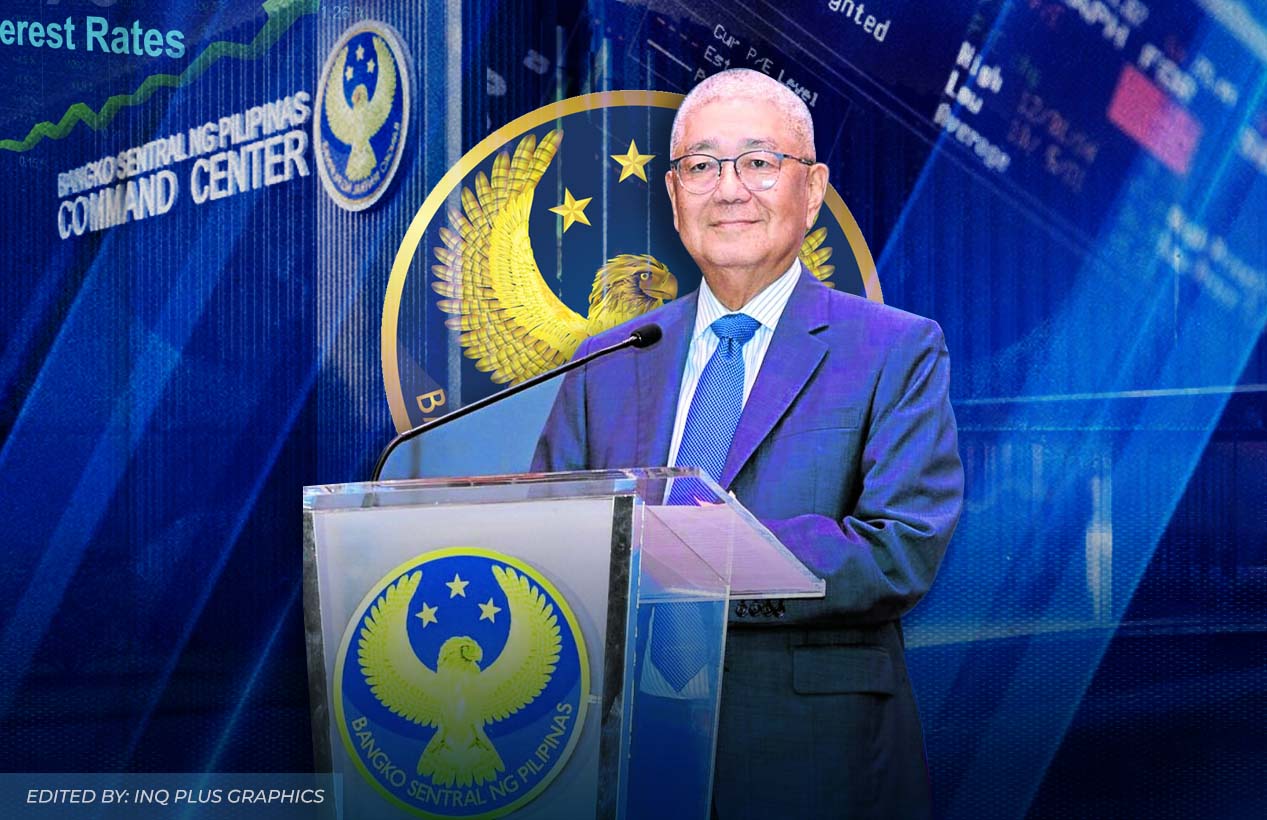
DUMAGUETE CITY—The repurchase agreement (repo) market is on track to overtake foreign exchange swaps this year as the country’s most active money market segment.
This is according to the Bangko Sentral ng Pilipinas (BSP) Governor Eli Remolona Jr., pointing to early gains from the central bank’s efforts to deepen the local capital market.
“I would say the money market, in the form of the repo contract, is developing very fast,” Remolona told reporters on Sunday.
“It’s the No.2 market, second only to the FX (foreign exchange) swap market. I think it won’t be long before it surpasses the FX swap market and make the FX swap market redundant, no longer necessary,” he added.
Central bank data showed that outstanding interbank repo volume had reached P111.25 billion as of October 2025, second only to FX swaps, which totaled P146.65 billion during the same period.
Repos, also known as buybacks, involve the sale of debt securities with an agreement to repurchase them at a future date for a predetermined price.
Regulators curtailed repo transactions in the early 2000s, citing risks to financial stability after firms had failed to fully account for contingent liabilities. The policy stance shifted in 2017, when the BSP said the instrument could support market development if governed by clear rules.
Reliable yield curve
To strengthen the market, the central bank in 2025 adopted a globally recognized risk-management framework to guide banks in doing repo transactions. That was preceded by the launch of a new peso interest rate swap market the year before.
When he took office, Remolona said he hoped the enhanced repo market and the revival of peso interest rate swaps would help build a more reliable yield curve for pricing loans and bonds. He has called the current benchmark, the Philippine Bloomberg Valuation curve, “choppy”.
The initiative forms part of the central bank chief’s broader effort to reduce the economy’s heavy reliance on banks for funding by developing a deeper local capital market—one that can serve as a “spare tire” in times of banking crisis.
Another priority is to widen access to the corporate bond market. Remolona said the central bank is in talks with several partners, including foreign credit rating agencies, to lay the groundwork for the initiative.
“We’re putting a road map together,” he said. “We’re going to do something this year.”