






Ejercito seeks probe of high local airfare, tourism gaps

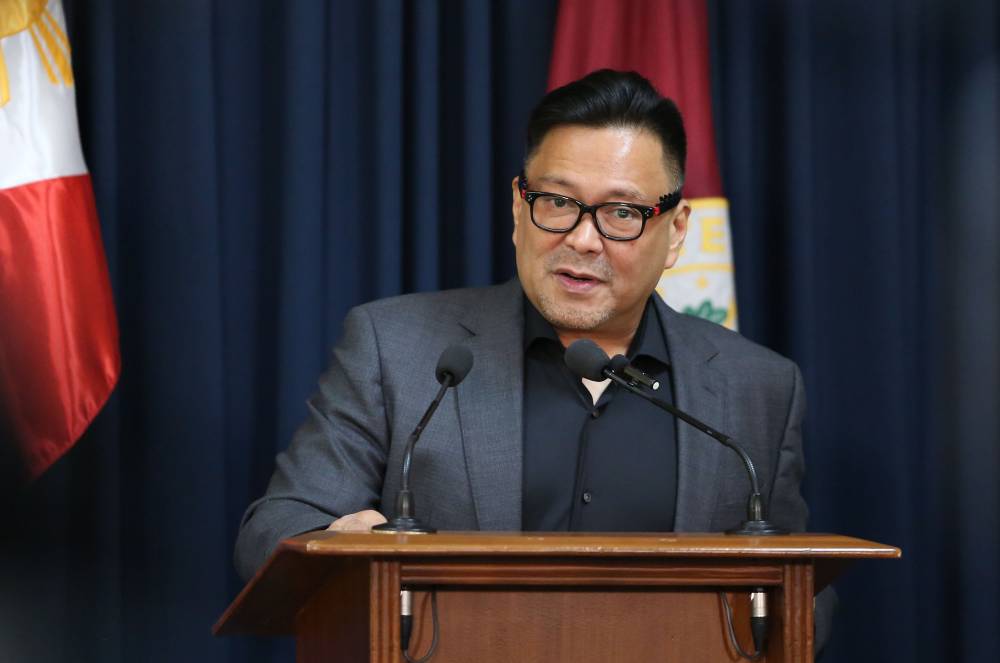
Sen. JV Ejercito has filed a resolution seeking an inquiry into the implementation of the National Tourism Development Plan (NTDP) to assess the state of Philippine tourism infrastructure and its impact on domestic travel.
“There is a need to look into the implementation of the National Tourism Development Plan to address the gaps in the tourism industry that limit competitiveness, development, accessibility, and overall tourist experience,” he said in a statement.
The Senate committee on tourism, jointly with the committees on social justice, welfare and rural development, and of finance, will hold a public hearing in aid of legislation on this topic on Tuesday.
Public clamor
“If we want to boost tourism, proper infrastructure must come first. It shouldn’t be more expensive to travel within your own country than to fly abroad,” Ejercito said, noting the public clamor over inadequate infrastructure that hinders local travel.
Under Senate Resolution No. 257, Ejercito is directing the committee on tourism, which he chairs, to investigate the implementation of the NTDP to ensure that tourism infrastructure development supports domestic travel and sustains the long-term growth of the tourism sector.
The NTDP, launched in 2023, aims to improve tourism infrastructure and accessibility, enhance overall tourist experience, diversify tourism products, maximize domestic and international tourism, and strengthen tourism governance through collaboration with national and local stakeholders.
But despite the steady growth in visitor arrivals and domestic tourism spending, Ejercito pointed out that the country continues to fall short of its international tourism targets, highlighting persistent gaps in infrastructure and overall tourism experience.
Weak point
Ejercito said tourism infrastructure remains one of the country’s weakest points, citing global rankings that show deficiencies in the country’s airports, seaports, road networks, and essential tourist facilities.
These infrastructure shortcomings, he added, contribute directly to the high cost of domestic travel, making it more expensive for Filipinos to explore local destinations than to travel to nearby countries in the Asean (Association of Southeast Asian Nations) region.
“When the fare to Singapore, Thailand, Vietnam, or Hong Kong is cheaper than [going] to our own provinces, it is clear that there is something wrong with the system, ” Ejercito noted.
Talks underway
The resolution also flagged reports of exorbitant domestic airfares, noting that these prices have a “negative impact” on the willingness of Filipino citizens to “explore their own country,” and on the livelihood of communities that depend heavily on tourist activities.
In response to public complaints about the prohibitive cost of domestic travel, Malacañang last week said talks were underway with major carriers to reduce airfare prices to local destinations.
According to Palace press officer Claire Castro, acting Transportation Secretary Giovanni Lopez “has already negotiated and spoken with the management of PAL (Philippine Airlines) and Cebu Pacific, and they have agreed to lower the prices, especially for Siargao flights.”
Television host Bianca Gonzalez was among those who recently aired her frustration at the high expense of traveling to the island destination of Siargao in Surigao del Norte compared to visiting neighboring countries, triggering renewed discussion about the issue.
But in her briefing, Castro said airfare costs were affected by many factors, such as the aircraft used.
“Some operators use smaller aircraft that can accommodate only 60 to 70 passengers, but their operational costs are the same compared to jet aircraft that can carry 200 passengers,” Castro said.
Lagging numbers
Data from the Department of Tourism, reported last month, showed that tourist arrivals in the Philippines fell to 5.24 million in the first 11 months of 2025, down 2.2 percent from the same period the year before.
Arrivals remained about 37 percent below the prepandemic level of 2019, when 8.26 million visitors traveled to the Philippines.
The decline stands out in a region where tourism has largely recovered, with Vietnam notably recording 22 million arrivals, a 22.2 percent increase from pre-COVID-19 levels.
A study by the Philippine Institute for Development Studies found that while tourism activity rebounded after the pandemic, the recovery was largely driven by domestic travel rather than foreign visitors. International arrivals and tourism receipts continue to lag behind those of regional peers. —WITH A REPORT FROM INQUIRER RESEARCH