




HEAL mobile clinic cuts travel time, extends lives


I made my way to the town center of Ternate in Cavite Province last Jan. 28, to cover the official launch of the Healthcare Mobility for All (HEAL) Program of Toyota Mobility Foundation (TMF), Toyota Motor Philippines Foundation (TMP Foundation), and the University of the Philippines-Philippine General Hospital (UP-PGH). The program highlight was the presentation of the HEAL Mobile Clinic, a Toyota Coaster minibus complete with diagnostic services.
The 45-km trip from my residence in Las Pinas City to Ternate took more than 90 minutes. I checked Google Maps, and typed in the distance and time to travel from Ternate to the Philippine General Hospital in Manila. The result was roughly the same: 90 minutes for a 50-km trip.
90 minutes is an excruciatingly long time for someone who’s experiencing a medical emergency, such as a heart attack or stroke. A three-hour round trip is also too much time to spend for someone who needs a routine medical check-up or assessment.
These are times the people of Ternate can’t afford to lose.
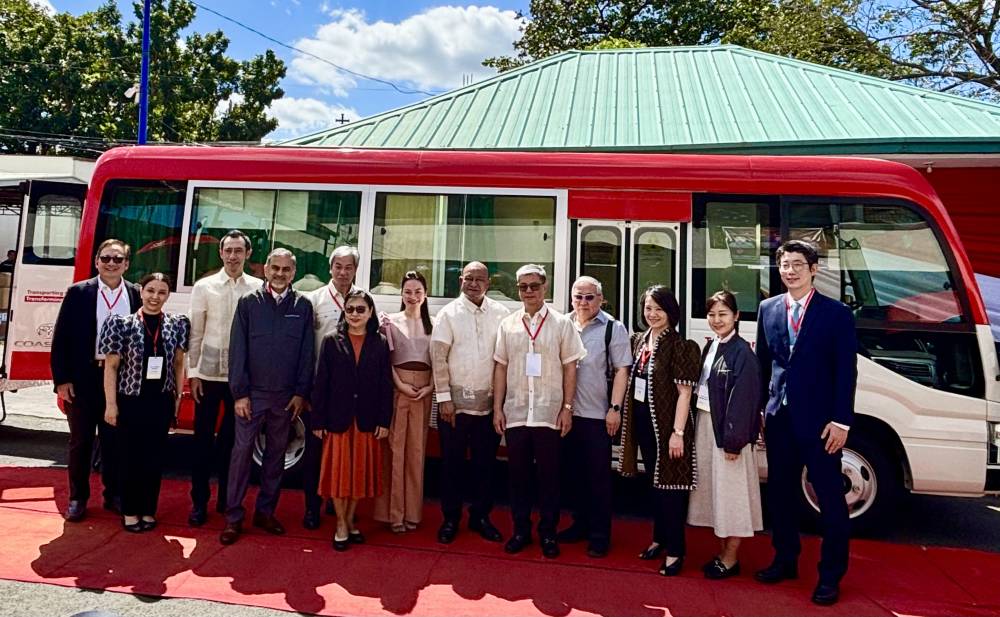

“Our community is impoverished.” said Ternate Mayor Lamberto Bambao during a Jan. 28 press conference at the Mardicas Hall in Ternate. “I already approached PGH for help.”
“The everyday priority should be a diagnostic facility with X-ray and urinalysis, as many of us are afflicted with kidney diseases and undergo dialysis—about 200 already. Someone offered 25 dialysis machines for free.
“We are a fourth-class municipality. We don’t have sources of income, only the annual property tax. We don’t have factories based here. We are a poor town.”
The town’s 28,000 residents have to travel up to two hours to reach the UP-PGH main facility in Manila for consultation and diagnostic services. Several Ternate residents spoke of their health challenges; one female patient became emotional upon learning that a mobile health clinic facility had reached Ternate.
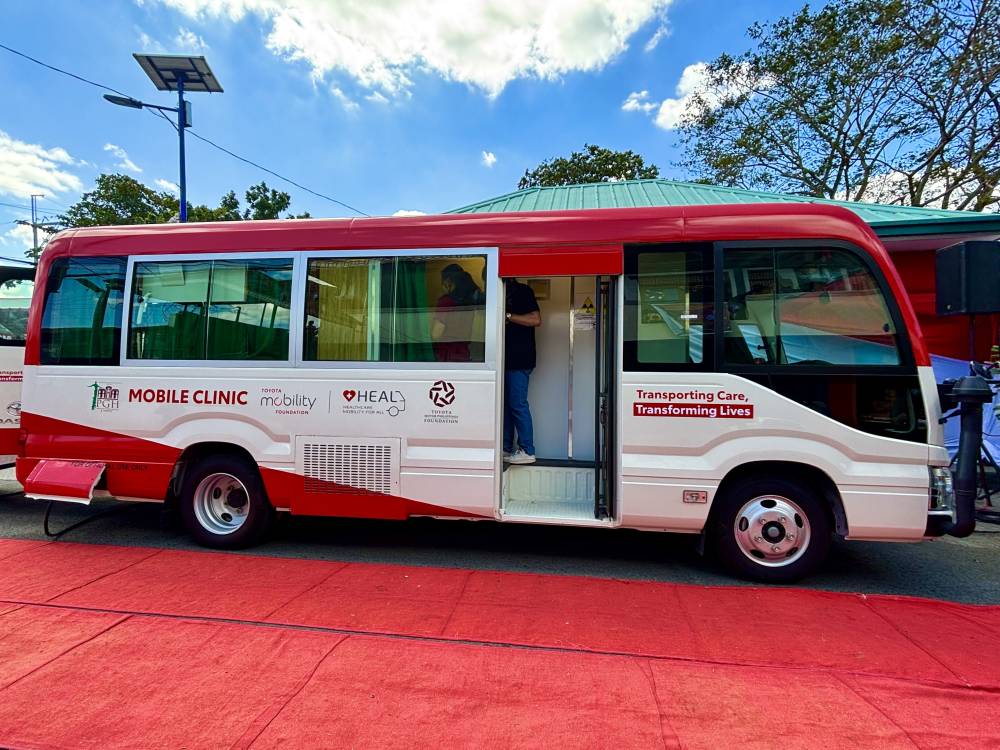
The HEAL medical health facility will be stationed at the Municipal Health Office in Ternate. Essential diagnostics are now literally next door to patients. Nearly no time spent for travel. Crucial minutes are not lost on the road.
The first HEAL mobile clinic, deployed in Ternate, will help ease the demand on the UP-PGH main facility and other major medical centers by enabling routine diagnostics to be performed within the community, reserving hospital resources for more complex cases and reducing unnecessary trips to Manila.
It is designed to operate as a fully equipped mobile healthcare facility offering up to eight diagnostic services: Chest X-ray, ECG, Hemoglobin A1c (HbA1c), Urinalysis, Complete Blood Count (CBC), Lipid profile, Fasting Blood Sugar (FBS)/Random Blood Sugar (RBS), and creatinine. These diagnostics support the early detection and management of common and high-burden diseases that afflict the people of the Philippines, such as diabetes, kidney disease, cardiovascular disease, and respiratory conditions.
The local government unit (LGU) of Ternate will provide support through essential infrastructure and utilities, including power supply, patient waiting areas, and ambulance access. The UP-PGH, through its Community Health and Development Program, will supply and oversee the medical teams responsible for operating the facility.
Ternate mirrors the healthcare situation in the Philippines. Like many other provinces, Ternate is heavily dependent on UP-PGH, the country’s largest and busiest government hospital. Roughly 700,000 patients line up annually at PGH, despite the hospital having only about 4,800 healthcare workers.
1 of 2
This mobile clinic is one of two Coaster units introduced as part of the HEAL program to expand access to care. The second mobile clinic will serve communities in and around New Clark City, Tarlac, where residents continue to face barriers to diagnostic access.

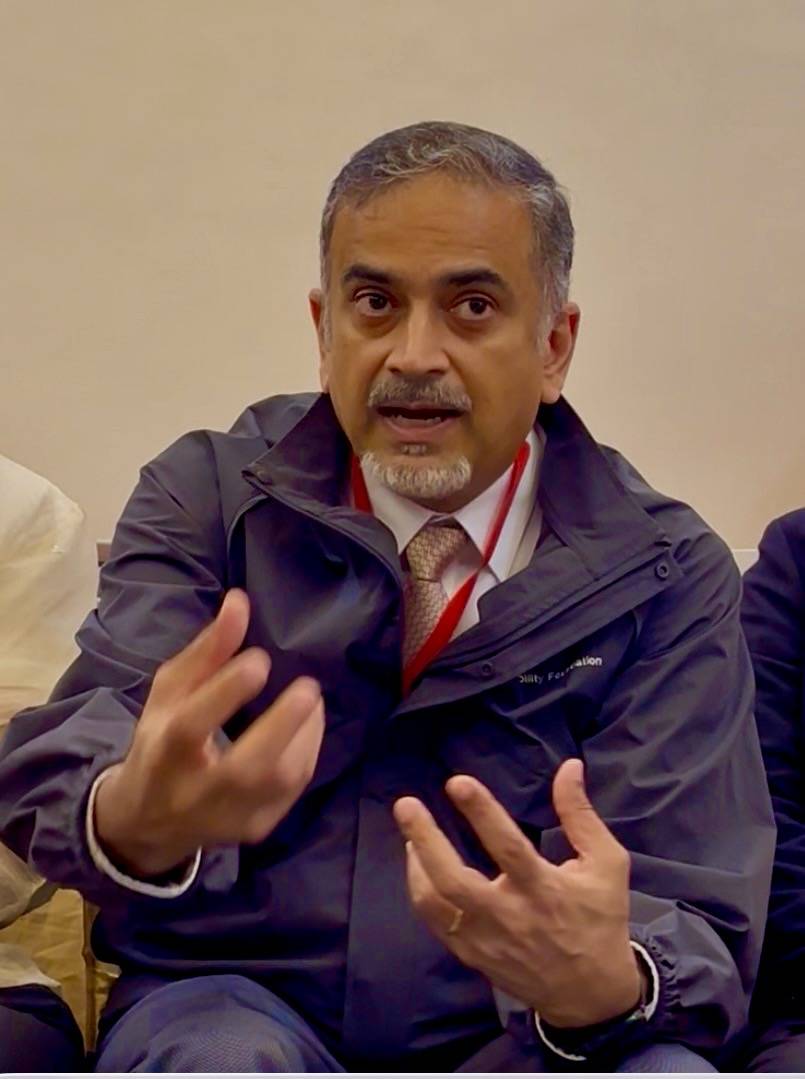
Toyota Mobility Foundation executive program director Pras Ganesh said: “Our hope is that this model not only supports patients today but also contributes to a broader understanding of how community-based healthcare delivery, including through the use of digital technologies for efficiency, can evolve in the years ahead. This effort reflects TMF’s commitment to building practical solutions that uplift people’s well-being and expand access to healthcare opportunities through the power of mobility.”
Toyota Motor Philippines Foundation president Jose Maria Aligada said: “The months of preparation allowed us to witness firsthand how combined solutions for mobility and public health are urgently needed at the grassroots level.”
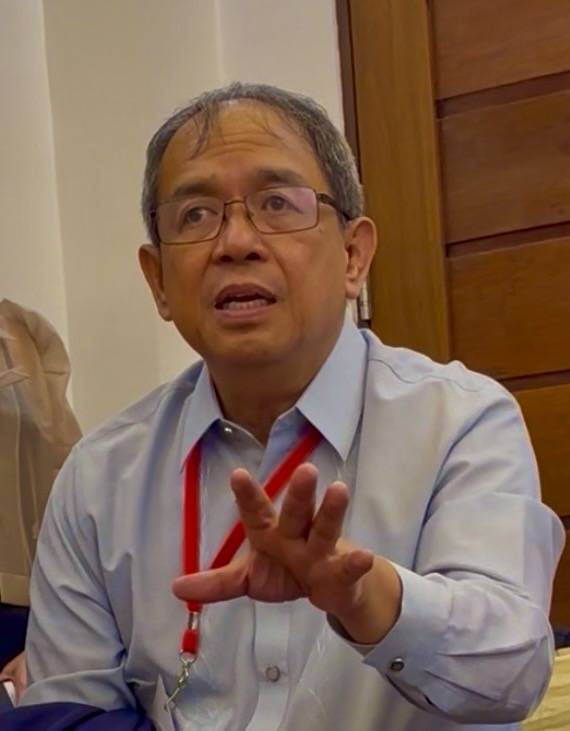
PGH Director Dr. Gerardo Legaspi said: “By introducing these tools at the community level, the initiative helps jumpstart local healthcare programs and supports communities as they work toward greater self-reliance in addressing their healthcare needs. Through this approach, UP-PGH is able to extend its expertise beyond the hospital while working alongside local partners to encourage more sustainable, community-based care.”
The HEAL Program also supports national efforts toward more equitable and community-centered healthcare delivery. Insights gained through its operations may help inform future discussions on scalable approaches to expanding healthcare access.
The mobile clinic is delivered through collaboration with Toyota Mobility Solutions Philippines (TMSPH) as the mobility partner, Toyota Motor Philippines Corp (TMP) as the engagement partner, and the Deloitte Future of Mobility Solution Center as the development and implementation partner, working alongside TMF and UP-PGH to support effective and sustainable operations.
“This is hope on wheels which will serve Ternate residents, most especially senior citizens, pregnant women, children, and families who need primary healthcare, particularly in remote places with limited access to medical facilities,” said Bambao.