






Where the sea sustains us


For many people, the sea is a destination—something visited during holidays or long weekends.
For others, it is quieter and more constant. It is livelihood, memory, rhythm, and refuge. My wife and I both grew up in coastal towns, in households where the sea was never just scenery, but a source of daily sustenance. Perhaps that is why the pull of the shoreline has never truly left us, no matter where work or life takes us.
Sea as the workplace
In our family, fishing was part of everyday life. My Tatay and my Lolo were fishermen. The sea was their workplace long before it became a backdrop for leisure or development.

What came home from the water determined what was cooked, shared, or sold. From them, I learned early that the sea provides—but only when met with respect, patience, and restraint.
Sustainability, though we never called it that, was simply common sense: Take only what you need, pay attention to conditions, and remember that tomorrow matters as much as today.
Lessons in coastal living
These lessons resurfaced during project visits to Cebu.
Between meetings and site work, I am often struck by how closely city life and vacation life sit side by side. In a short span of time, you can move from traffic and deadlines to open horizons and salt air.
I felt that contrast most clearly along the shores of Mactan—a place where the sea remains present without demanding that urban life slow down completely. It offers a glimpse of how coastal living can coexist with productivity, if planned well.
The sea, however, is not always gentle. Those who grow up beside it understand this instinctively. It can be harsh, unpredictable, and demanding.
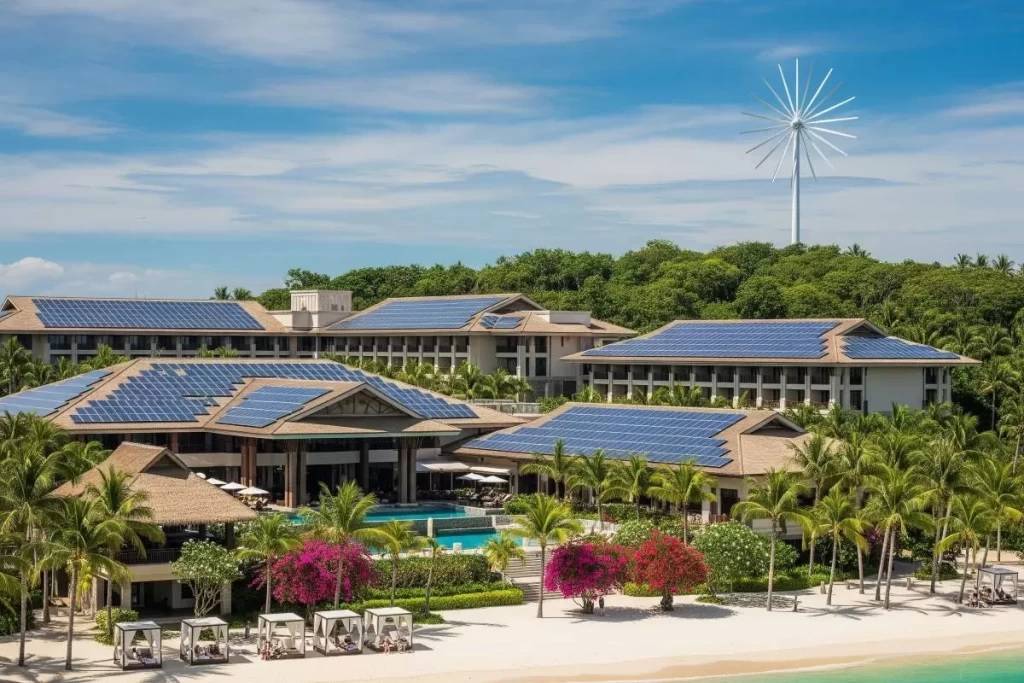
Coastal living therefore requires humility and foresight—knowing when to build, where to build, and when not to build at all. These decisions cannot rely on instinct alone. They requires responsible developers and planners, thoughtful architects and engineers, and the discipline to anchor every intervention in environmental studies, climate -responsive design, and careful landscaping.
In many ways, this mirrors the wisdom fishermen live by: Reading conditions, respecting limits, and knowing that not every shoreline is meant to be fully used.
Resilience and livability
This is where coastal property development becomes more than a question of views or market value.
Access to the sea, walkable shorelines, natural buffers, and healthy coastal vegetation all contribute to long-term value—both economic and social. Developments that ignore these considerations may succeed briefly, but they do so at the expense of resilience and livability.

Nature along the shore quietly reinforces these lessons.
Dapdap trees stand firm against salt air, their red flowers bright against sand and sky. Talisay trees signal seasonal change as their leaves turn and fall, while coconut trees soften the built edge of the coast. These are not just aesthetic elements; they are living systems that help protect what is built behind them.

Rare quality of life
Seaside living, after all, is not only about leisure. It is about balance, responsibility, and long-term thinking.
Coastal properties sit at the frontlines of climate risk and environmental change. When planned with care, they can offer a rare quality of life—where work, rest, and nature coexist.
Perhaps the true measure of progress along our shores is not how much we build by the water, but how thoughtfully we choose to live beside it.
The author is a USGBC LEED fellow, UAP Notable Architect Awardee, Asean architect, educator, with more than 25 years of experience in architectural and interior design, corporate real estate, construction, property, and facilities management