








Love your heart on Valentine’s Day

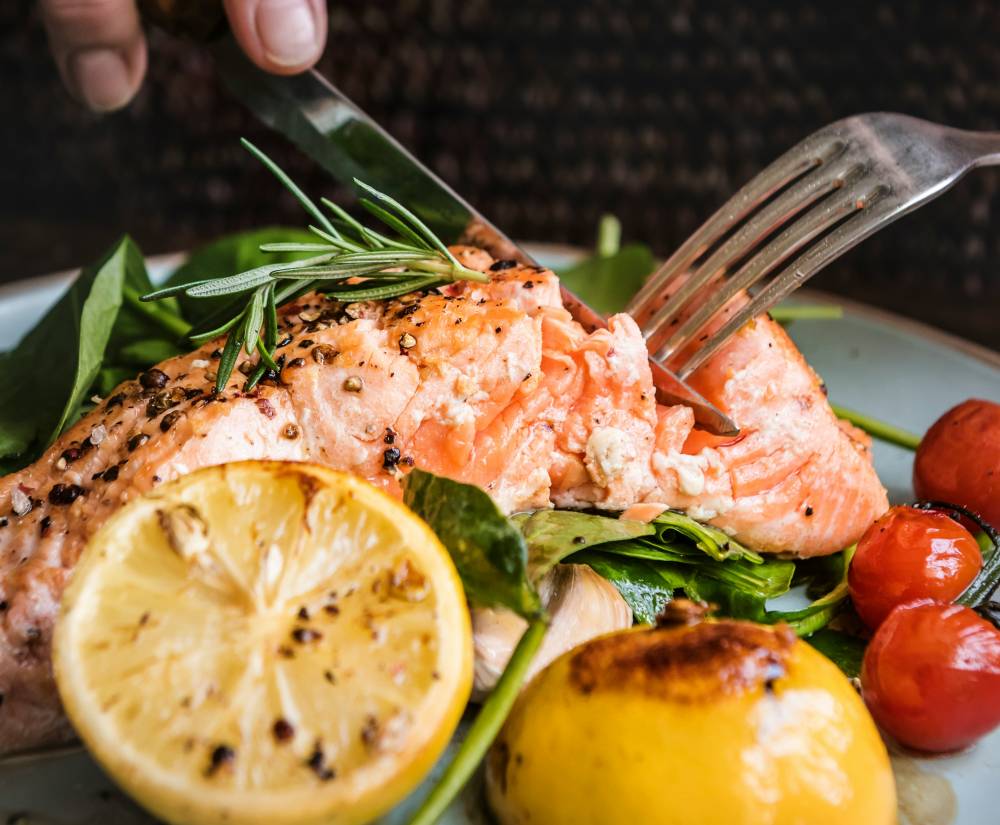
February arrives garbed in red with flowers, cards, chocolates, candlelit dinners, and promises meant to last forever. But this Valentine’s Day, let’s love a little differently by caring for the heart itself—the very reason why we celebrate.
Dr. Christine E. V. Gonzalez, founder of the Wellness Institute International, describes the heart as “not just an organ—it is the rhythm of our life force.” She says, “To heal the heart, we must nourish both vessel and spirit.”
On making heart-healthy choices
Cardiovascular disease remains the leading cause of death worldwide yet it is also among the most preventable and even reversible chronic conditions. But healing begins where we make daily choices: in the kitchen. Every ingredient has the power either to constrict or to nourish the arteries of life.
High blood pressure, atherosclerosis, elevated cholesterol, and stroke risk all trace back to chronic inflammation, oxidative stress, poor circulation, and endothelial dysfunction. Thoughtful, intentional food choices can reduce plaque buildup, improve blood flow, lower LDL (low-density lipoprotein) cholesterol, and support the repair of blood vessels.
Heart disease doesn’t appear overnight. It develops quietly—shaped by inflammatory diets, inactivity, stress, poor sleep, and long-term nutrient depletion. Its drivers are familiar: excess sugar, trans fats, and sodium; imbalanced cholesterol; insulin resistance; chronic stress and unresolved emotional strain; and deficiencies in heart-protective nutrients like magnesium, CoQ10, and antioxidants.
The hopeful truth is this: The endothelium—the delicate lining of our blood vessels—can regenerate. With anti-inflammatory, antioxidant-rich food and daily movement, the heart can regain its strength, rhythm, and resilience.
In Dr. Gonzalez’s integrative approach, heart health is shaped as much by daily habits and emotional rhythms as it is by diagnosis.
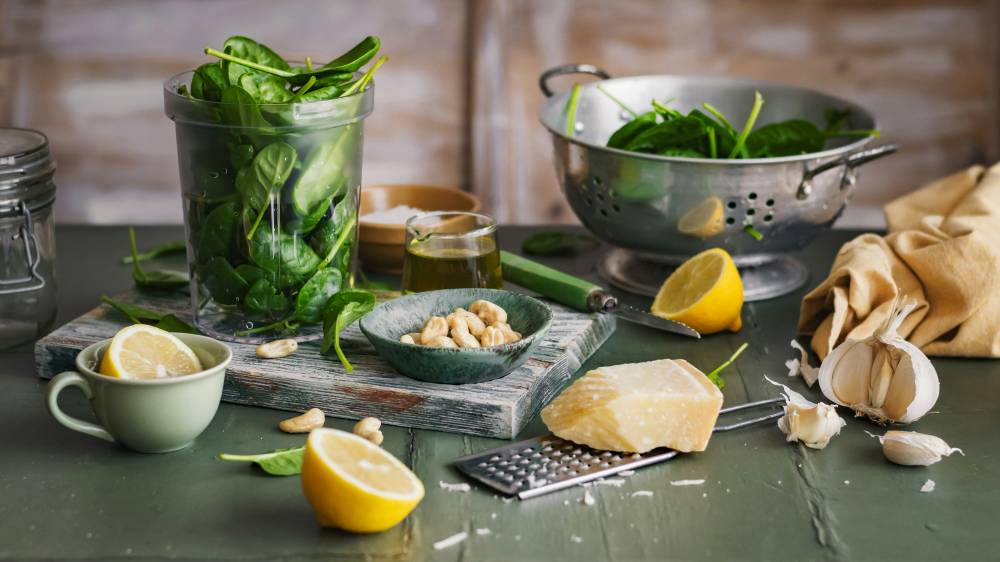
The food-as-medicine approach to loving your heart
Foods that reduce arterial inflammation and oxidative stress help regulate blood pressure and lipid levels, strengthen circulation, prevent clotting, and protect both the heart muscle and the vascular lining.
Core dietary principles:
• Eat mostly plants: Especially leafy greens, cruciferous vegetables, berries, and legumes
• Choose healthy fats: Olive oil, flaxseed, walnuts, avocado, and fatty fish or seaweed
• Minimize salt, sugar, and processed fats: These stiffen arteries and strain the heart
• Prioritize potassium- and magnesium-rich foods: Essential for relaxing blood vessels and regulating pressure
• Use heart-supportive herbs and spices: Garlic, turmeric, ginger, hawthorn, and cayenne
Star healing foods for the heart:
• Beets: Boost nitric oxide and improve circulation
• Garlic: Lowers blood pressure and reduces plaque buildup
• Flaxseeds: Rich in omega-3s and fiber to lower LDL cholesterol
• Olive oil: Anti-inflammatory, protects arterial health
• Walnuts: Reduce oxidative stress and support healthy HDL (high-density lipoprotein) cholesterol
• Leafy greens: High in folate and magnesium, which help lower blood pressure
• Pomegranate: Improves endothelial function, antioxidant-rich
Food is where healing often begins. Loving the heart, however, asks us to go further.
Daily acts of love for the heart
Healing the heart asks for more than nourishment alone—it also calls for release. Integrative heart care weaves together body, breath, and emotional well-being.
Daily movement—whether a brisk walk, gentle yoga, or dancing—keeps circulation alive and resilient. Conscious breathing calms the nervous system and helps lower blood pressure. Laughter, connection, and shared meals restore balance, improving heart rate variability and reminding us that community is medicine, too.
Dr. Gonzalez reflects: “The heart responds to what you feed it—not only food, but thoughts, relationships, and moments of stillness. Let this be a season of returning to rhythm: self-care, compassion, and care that truly lasts.”
Nourishing recipes for the heart
1. Beetroot and arugula salad with garlic-lemon dressing
A vibrant salad that supports circulation and nitric oxide production
• Beets, arugula, sunflower seeds, citrus
• Dressing: olive oil, lemon, raw garlic, black pepper
Lowers blood pressure, improves oxygen flow, adds heart-healthy fiber.
2. Omega-3 chia-walnut bowl
A heart-protective breakfast rich in essential fatty acids
• Chia soaked in almond milk, ground walnuts, cinnamon, blueberries
• Optional: cacao nibs, flaxseed, pomegranate
Supports arterial elasticity and healthy lipid levels.
3. Garlic-ginger vegetable soup
Warming and nourishing, this soup supports vascular health and detox pathways
• Onion, celery, carrots, kale, zucchini, garlic, ginger, turmeric, cayenne
• Simmered in vegetable broth, finished with olive oil
Anti-inflammatory, circulatory, mineral-rich.
4. Herbal tonic: hibiscus and hawthorn tea
A fruity and tart, caffeine-free tea blend
• Hibiscus petals, hawthorn berries, cinnamon

Gently supports blood pressure and emotional heart balance.
Wishing you a Happy Valentine’s Day—eat well!
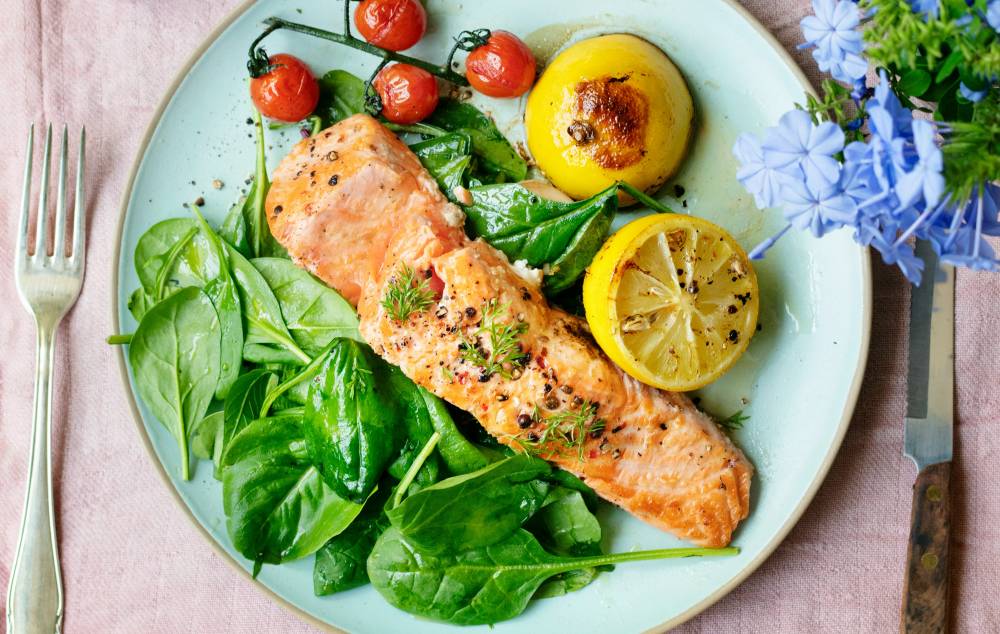
Dr. Christine’s plant-forward recipes of love
Cooking for the heart is a quiet, yet powerful expression of love and care. These are some of the recipes she shared
Lemon-herb salmon with warm lentil and spinach salad (serves 2 to 3)
Nutrition note: Rich in omega-3s, plant protein, and iron—without excess sodium
Ingredients
2 salmon fillets (4 to 5 oz each)
1 cup cooked green or brown lentils (no added salt)
2 cups fresh spinach
1 small shallot, thinly sliced
1 Tbsp extra-virgin olive oil
Zest and juice of 1 lemon
1 Tbsp chopped parsley or dill
1 small clove of garlic, minced
Black pepper
Optional: red pepper flakes
Procedure
1. Heat oven to 400°F. Place salmon on a lined tray; rub with olive oil, lemon zest, garlic, and pepper. Roast for 10 to 12 minutes, just cooked through.
2. Warm lentils and shallots in a skillet for 2 to 3 minutes. Fold in spinach until just wilted.
3. Remove from heat; stir in lemon juice and herbs.
4. Serve lentil-spinach salad topped with salmon. Add red pepper flakes if desired.