






Prosperity needs a cultural reset

The next generation of Chinese Filipinos today is reimagining the meaning of wealth beyond material and financial gain. After a year that felt relentlessly long—marked by economic slowdown, political instability, and global geopolitical uncertainty—the world seems to still be spinning out of control. Institutional failures and a zeitgeist of uncertainty have prompted deep and unfiltered introspection. It has also revealed how our prevailing notion of prosperity needs a cultural reset.
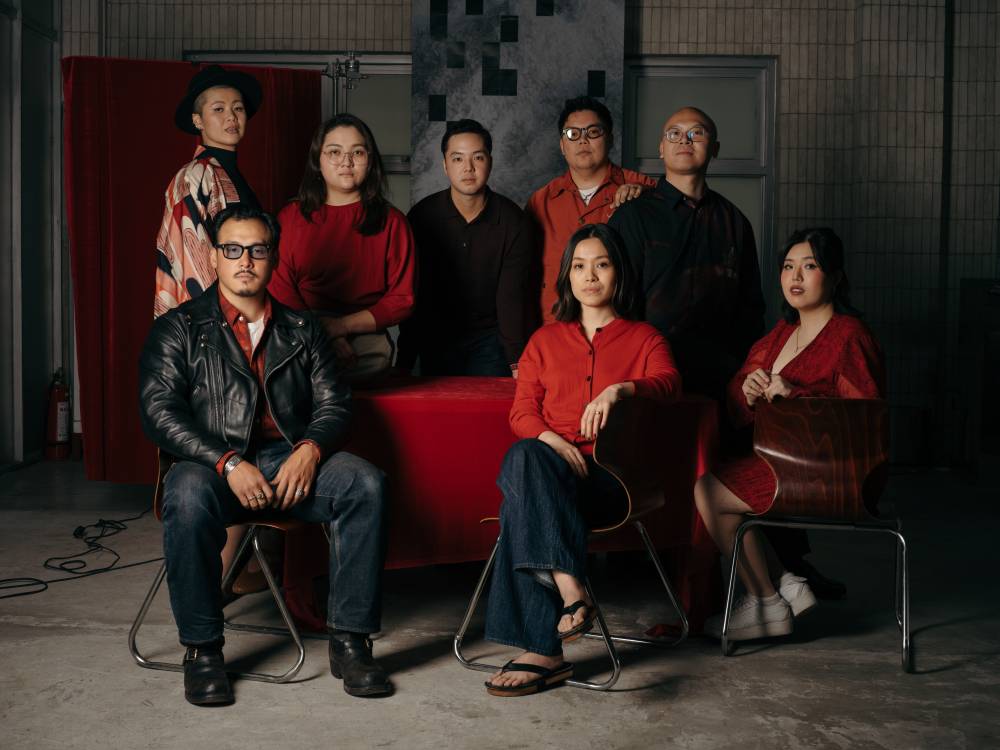
In this climate, eight millennial and Gen Z Chinese Filipino cultural movers are stepping in to redefine what it truly means to be prosperous in the Year of the Fire Horse.
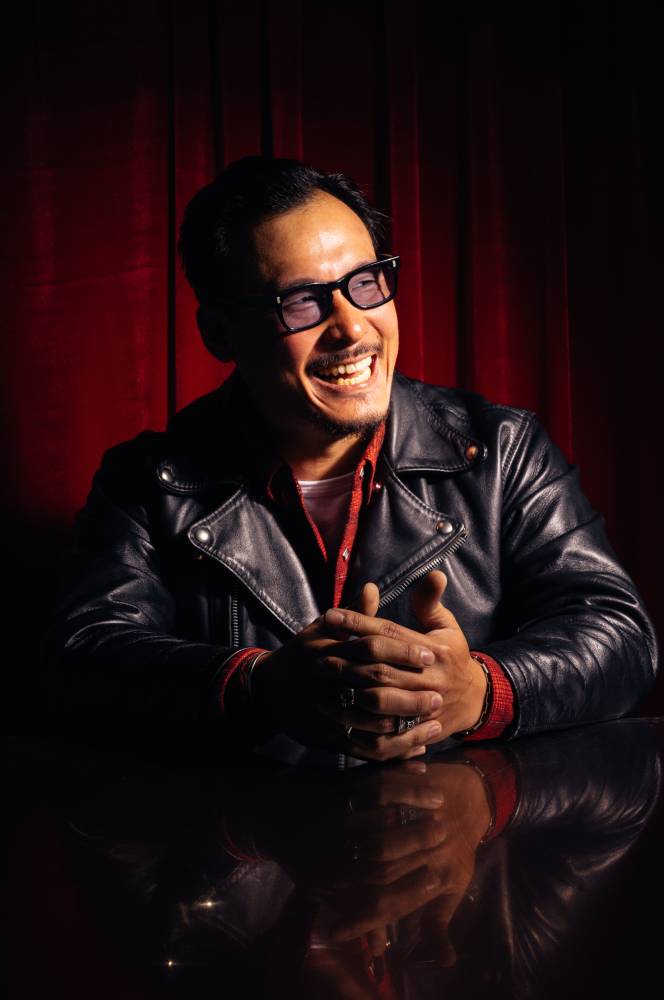
Rapha Lao: Prosperity is a life that is well-lived
Founder of Sonnyboy Vintage
“Although conventional prosperity has to do with material wealth and fortune, I believe that a truly prosperous life is one that is well-lived. Some of us might choose to collect things that reflect who we are, or focus on that which can’t be held but simply remembered, like traveling to places and finding adventures that build our idea and understanding of ourselves.
I think whatever you choose to do, the richest life you can live is one that’s done unapologetically true to yourself—enough to feed curiosity, choosing the paths of integrity and authenticity.”
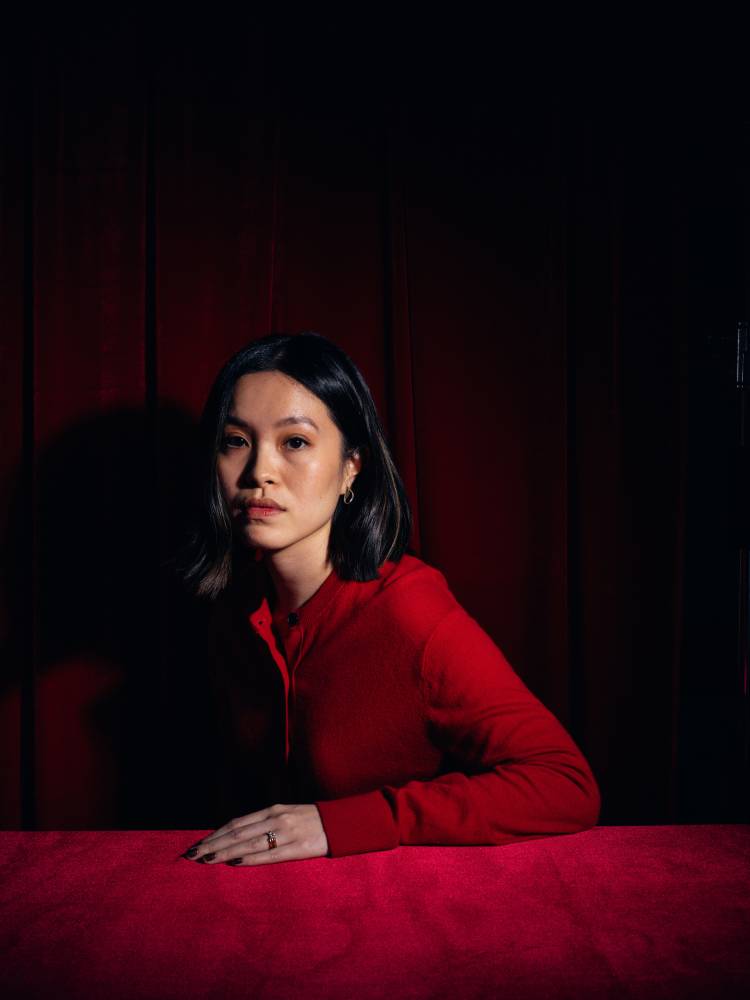
Jessica Choy-Daez: Prosperity is alignment
Founder of Second Issue and co-founder of Apara
“For me, prosperity is not about accumulation or visibility, but about alignment. Prosperity feels like choosing restraint. It shows up as confidence that comes from knowing who you are without ego, and choosing balance over endless striving.
From my parents, I learned that stability, integrity, and balance are enduring forms of wealth. That foundation allowed me to define success on my own terms.”
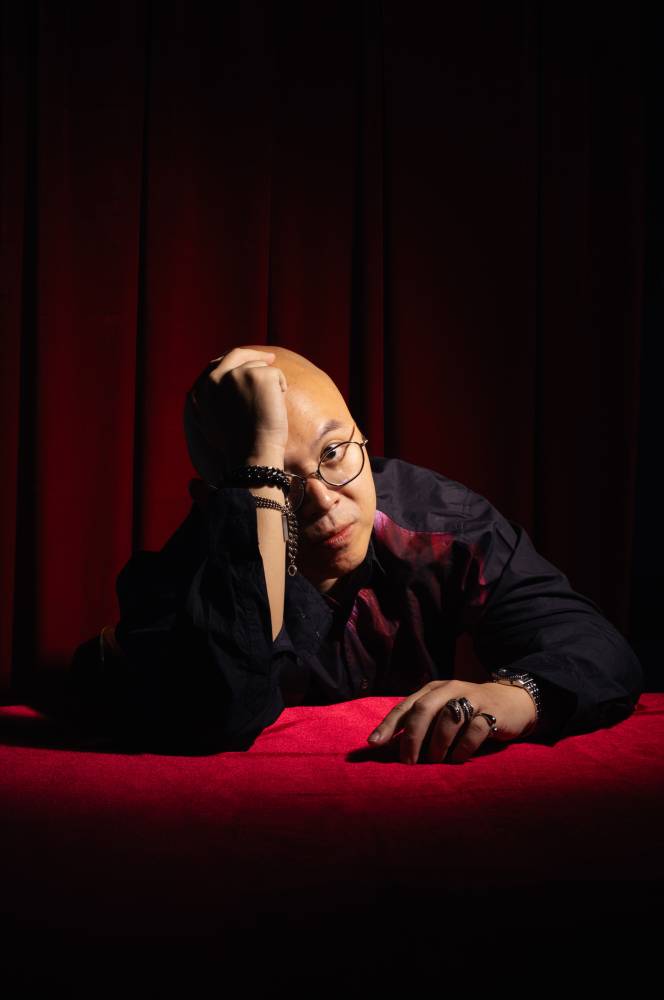
E.S.L. Chen: Prosperity is being unapologetically yourself
Founder of Triangulum and owner of Bounty and The Bistro Group
“Looking back, I remember the many times I came under fire for being unapologetic in the way I approached the world. Even then, I always asked: ‘How can a person’s value be determined by mere adherence to conventional wisdom?’
The turning point in my life came when I took radical control of my life’s direction. I stopped making pakisama to things I wouldn’t defend seriously. I planned toward the outcomes I desired and would be unfazed by criticism or resistance.
‘Why not me?’ Whenever that question pops up, I have learned to just show up. It may not be new, but a prosperous life is one you can be proud of on your deathbed. Memento mori.”
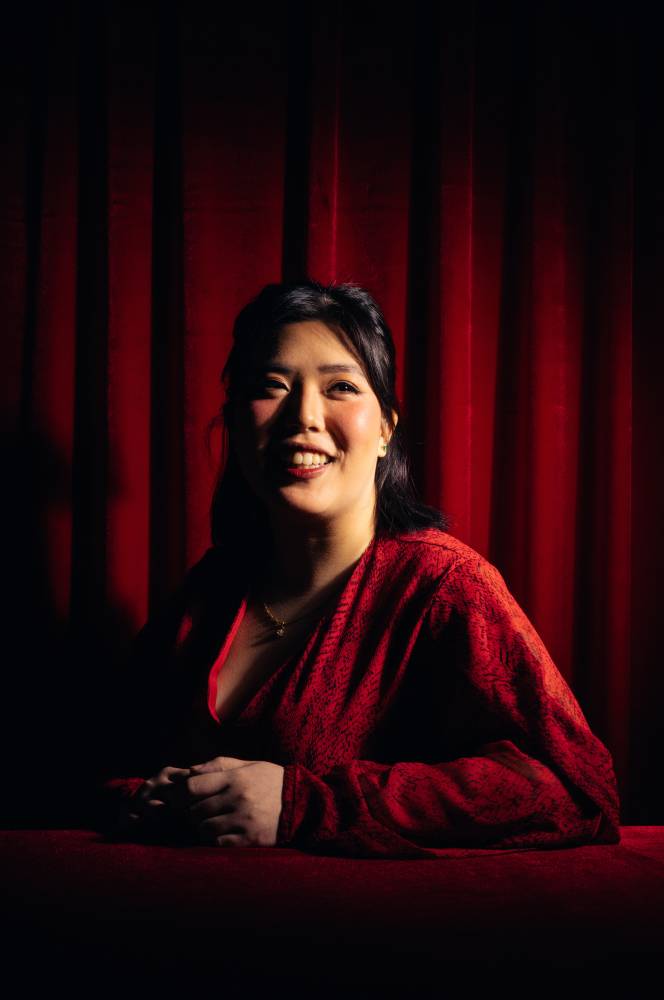
Keona Liuson: Prosperity is being present
Senior sous chef and R&D chef at Michelin Select restaurant Now Now
“True wealth is fulfillment: the quiet joy of being present and the satisfaction of knowing you are aligned with what truly matters to you.
At Now Now, with the team I am blessed to be part of, wealth is in moments rather than possessions, in people rather than status, and in the ideas, jokes, and exchanges that make you feel seen, loved, and happy. True prosperity is finding value in stressful moments, rising to challenges, and being present, perhaps even sneaking an extra bite of miso mash when no one is looking.”
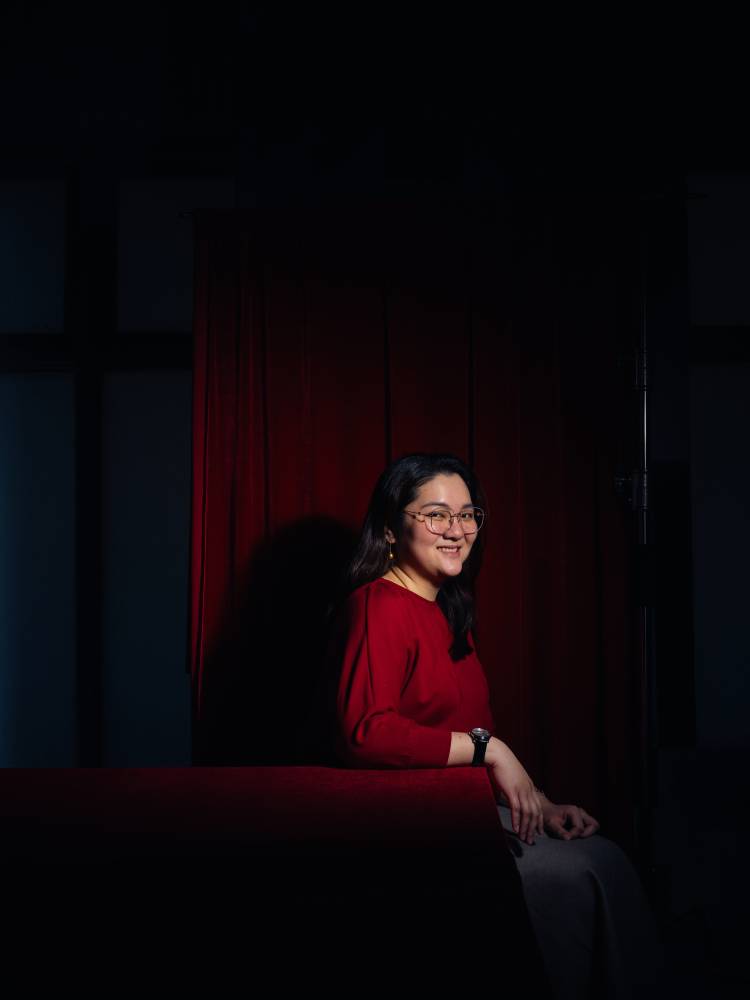
Julieanne Ng: Prosperity is having the freedom to choose
Visual artist
“As an artist, new prosperity is the ability to live with clarity, intention, and creative honesty between what I make and how I live, aligning with the values my parents instilled in me.
It is having the freedom to slow down, to question inherited definitions of success, and to create work that feels true to my lived experience as a Chinese Filipino. It is the confidence to choose depth over spectacle, sustainability over speed, and meaning over excess—focusing on strengthening my foundation and building my way up.
In this sense, prosperity becomes something quieter but more enduring: a sense of rootedness that continues to grow, even in uncertain times.”

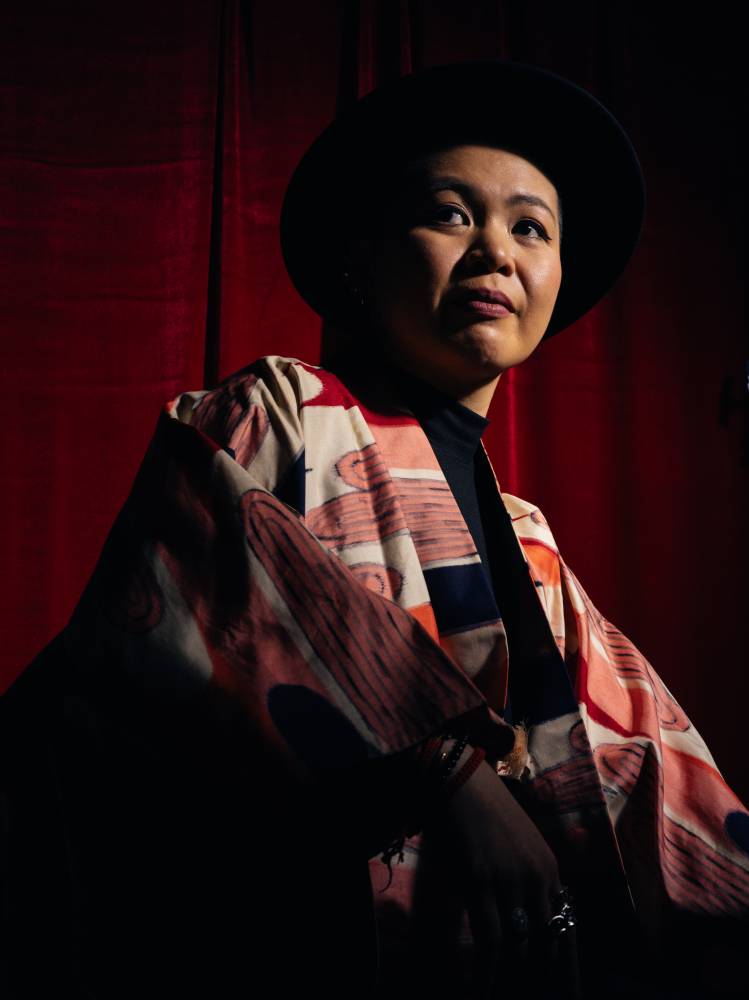
Meggie Ong: Prosperity is not “fighting yourself”
Sommelier and managing director at Terry’s
“Prosperity, for me, is when I’m not just getting things done. It’s when I’m not ‘fighting myself’—and to be clear, that’s not the same as challenging myself, which is crucial to thriving.
‘Fighting myself’ is the anxious grip: the need to be certain, the pressure to have an answer or an opinion. Prosperity is when I have enough steadiness inside to stay curious and open: learning, trying new things, getting that hit of awe, and connecting genuinely with people. It looks like asking more questions than I answer, and letting the multiverse teach me.”
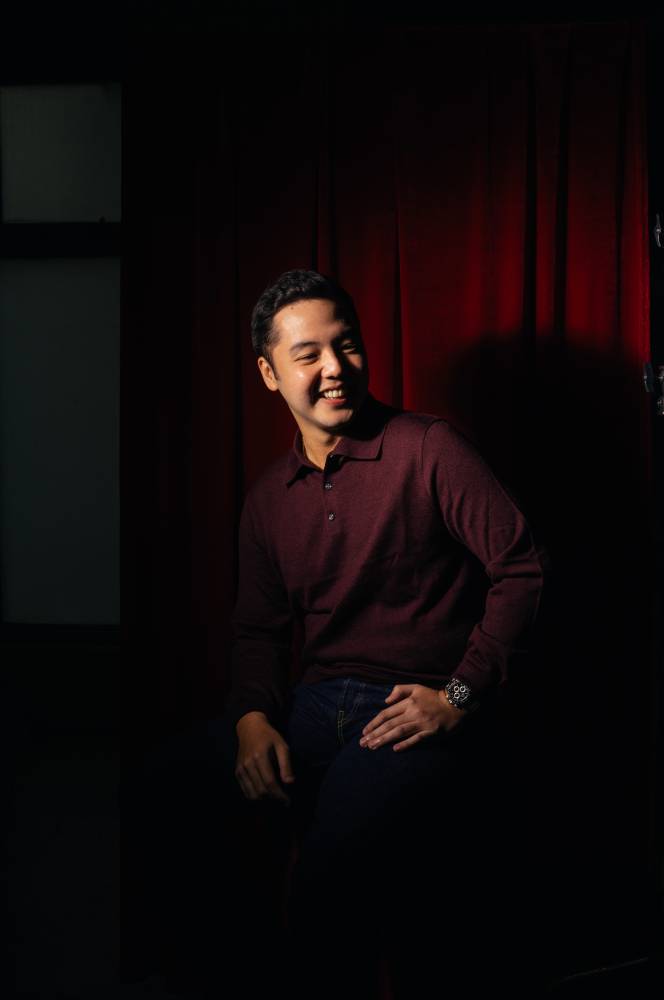
PJ Laude: Prosperity is defined by intention
Art collector, serial entrepreneur, and co-owner of Seva
“For me, this is defined by intention, which I see through two distinct yet harmonious lenses. I practice purposeful curation in art by bypassing the noise of what is trending and seeking works that provoke introspection and demand curiosity. By narrowing my focus to specific artists who challenge the status quo, I curate a collection that reflects a journey inward rather than a display of status.
In business, intention manifests as stability through balance. I balance the ‘risk’ of my passion projects—restaurants and wellness ventures—with the ‘resilience’ of essential services like pharmacies. It is the confidence to grow thoughtfully, building steadily and purposefully so that your work and life remain grounded even as circumstances shift.”
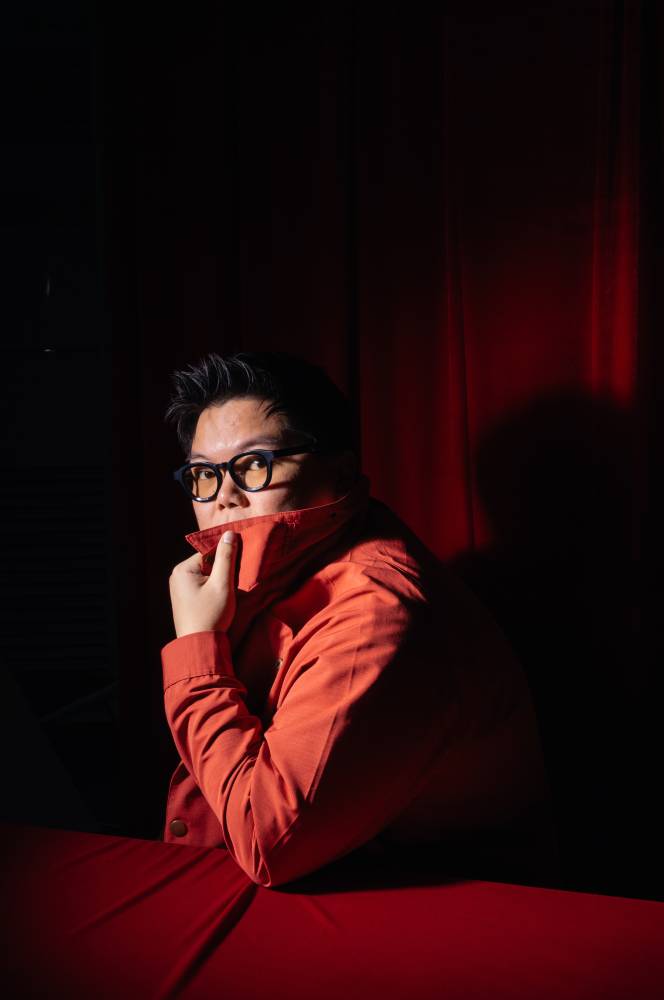
Ralph Sy: Prosperity is more about continuity
Restaurateur and owner of Scratch and Pluck
“Prosperity doesn’t announce itself anymore. It settles in through the people who stay. Friends, old and new, who show up, share meals, exchange ideas, and grow alongside you. It’s support that moves both ways, built over time and without expectation.
It lives in real conversations, honest advice, and being there in quiet, practical ways. From that steadiness, I’m able to show up for others, too, through listening, thought, and presence. In a moment that calls for a reset, prosperity feels less about accumulation and more about continuity: relationships that ground you, push you forward, and make the work feel shared.”