







China Embassy’s sincerity key to dialogue, says Kiko

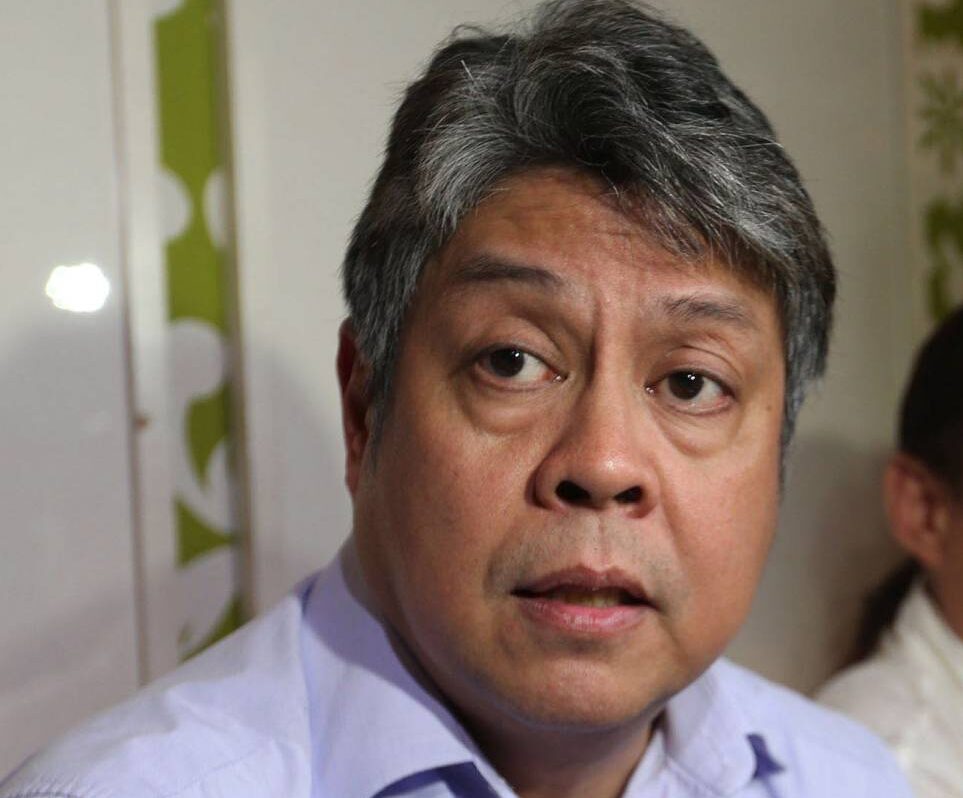
A dialogue with the Chinese Embassy following its word war with senators and other Philippine officials would depend on the embassy’s sincerity, Sen. Francis “Kiko” Pangilinan said, as Malacañang also called for officials of both countries to tone down their rhetoric.
Senate President Pro Tempore Panfilo “Ping” Lacson has also called for a dialogue to defuse tensions, after an escalating word war between several senators, including Senate President Vicente Sotto III, and Chinese Embassy officials.
“We understand Sen[ator] Ping [Lacson’s] suggestion. We do not want to worsen tensions, but this all depends on China’s response—if the Chinese Embassy is sincere or not about pursuing a dialogue,” Pangilinan said.
“It’s hard to trust them. In my four terms as a senator and for over two decades, only now have I experienced the Chinese Embassy’s uncouthness (pambabastos) toward out government officials and institutions,” he said in a message to reporters.
“If they keep lecturing the senators about diplomacy, never mind and they should just talk to somebody else,” Pangilinan said.
Senate resolution
Since Jing Quan’s appointment as Chinese ambassador to the Philippines in December last year, he has gone on an offensive in his remarks against several local officials. This prompted the Senate to issue Senate Resolution No. 256 on Feb. 9 condemning the Chinese Embassy’s tirades against lawmakers and officials defending the country’s sovereignty over the West Philippine Sea (WPS).
Chinese Embassy spokesperson Ji Lingpeng has also joined the fray, responding to earlier remarks by Sotto and other senators about their intention to pass the resolution.
In a statement posted on the embassy’s Facebook page last Friday, Ji described the Senate measure as “an anti-China resolution.”
“Some senators are still urging the recall of the aggressive and sensitive Chinese ambassador. Who do they think they are? Do they even have the capability?” Ji said.
“Any serious damage to diplomatic relations, including downgrading of those relations, would cost millions of jobs,” he warned.
Another cordial occasion
But also that Friday, first lady Liza Araneta-Marcos—this time joining President Marcos—had another cordial occasion with Jing, after their friendly encounter in the Jan. 30 Manila concert of acclaimed pianist Lang Lang.
At the inauguration of Chinatown Revitalization Phase II in Binondo, which was held along with celebrations in that Manila district ahead of the Chinese New Year, Jing took the occasion to announce that Xiamen Airlines will resume direct flights on March 29 between Cebu City and the city of Quanzhou in China’s Fujian province.
The route, which will operate twice weekly on Tuesdays and Saturdays, is intended “to meet the growing demand for travel between China and the Philippines,” Jing said, adding that more flights may be accommodated with the increase in demand.
He said the airline would add more flights as well between Manila and the city of Xiamen also in Fujian.
Jing said he worked hard on making the direct flights possible after coordinating with various agencies and the Fujian provincial government.
“When I visited Cebu several days ago, the local people told me, ‘Please, Ambassador, help us to open direct flights between Cebu and Fujian because 90 percent of Filipino-Chinese, they are from Fujian,’” he said.
Mr. Marcos expressed gratitude to the Chinese envoy for bringing the “good news.”
“I hope that it will be the beginning of more interactions and people-to-people exchange between China and the Philippines,” the President said.

Jing said China and the Philippines have been “close neighbors and friends” for thousands of years.
“As the Chinese often say, ‘Close neighbors are better than distant relatives.’ As neighbors, we should always respect each other, learn from each other and help each other, but not hurt each other. Our two peoples should like each other but not hate each other,” he said.
“May the friendship between China and the Philippines last forever,” the diplomat said.
‘Reciprocity’
On Sunday, Ji issued a statement apparently intending to reciprocate the cordiality of Friday’s occasion, saying that “the Chinese Embassy has the right to express what they feel and their sentiments, just as the Senate does.”
Ji also said Beijing would “not yet” impose sanctions on Filipino legislators or prohibit them and their family members from entering mainland China as well as Hong Kong and Macao.
He also dismissed what he said were calls for Beijing to freeze Philippine officials’ properties in China and bar Chinese citizens from doing business with them.
“lt’s not our option. At least not now. This is a debate,” the embassy spokesperson said. “They have the freedom to express their views, and we have the freedom to respond. No one should be silenced. Diplomacy is based on reciprocity. Words for words, actions for actions.”
In her briefing on Monday, Palace press officer Claire Castro said “The de-escalation of tensions between China and the Philippines should not come from just one country.”
“Consideration for friendly discussions and healthy dialogue should come from both nations—not just from the Philippines, not just from China. Both countries must work together to establish mutual respect for one another,” she said.