








Nissan is “back” with All-New Leaf, CEO Ivan Espinosa tells World Car Award Jury Roundtable


Nissan President and CEO Ivan Espinosa is betting on the all-new third-generation Leaf to signal the automaker’s return to the forefront of electric vehicle innovation, telling World Car Award jurors that the redesigned model represents “a non-compromised EV” designed to finally convince hesitant consumers to make the electric switch.
Speaking during a virtual roundtable discussion with automotive journalists from around the globe, Espinosa emphasized that the Japanese automaker, which pioneered mass-market EVs with the original Leaf in 2010, has learned valuable lessons from selling over 700,000 units across two generations and accumulating 28 billion kilometers of real-world driving data.
“This car is intended to bring customers that are currently hesitating to move into an EV life,” Espinosa said, addressing concerns about range anxiety, charging infrastructure, and practicality that have hampered electric vehicle adoption globally.
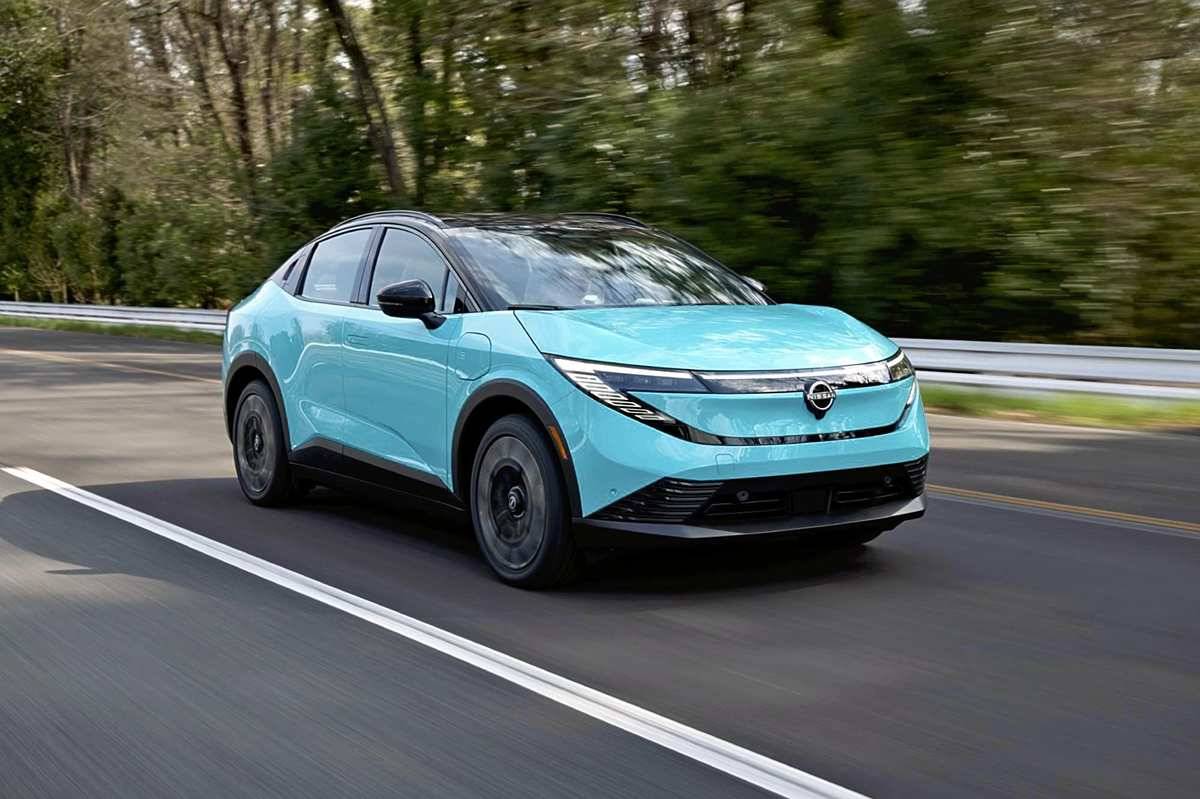
The new Leaf is shortlisted in two World Car Award categories, and offers impressive range credentials., including over 300 miles in US standards, 600 kilometers in European testing, and 700 kilometers under Japanese protocols. Perhaps more importantly, the vehicle can charge to 80 percent capacity in just 35 minutes, or add 250 kilometers of range in a quick 15-minute top-up.
Espinosa highlighted several customer-driven improvements incorporated into the new model based on extensive feedback from existing Leaf owners. Despite being 120 millimeters shorter than its predecessor, a deliberate choice to improve urban maneuverability and parking, the interior maintains identical roominess and now accommodating rear-facing child seats more comfortably.
The CEO emphasized Nissan’s continued commitment to vehicle-to-everything (V2X) technology, positioning the Leaf as more than just transportation. “We are committed to creating a fully integrated ecosystem that will help the integration of cars to society and help us manage energy through the vehicles,” he explained, noting that owners could use their vehicles to power homes during peak electricity pricing periods or provide emergency backup during disasters.
An intelligent route planner represents another key innovation, using artificial intelligence to identify charging stations along planned routes while pre-conditioning the battery to optimal temperature for faster charging upon arrival. “It’s pretty smart,” Espinosa noted, “allowing customers to have a much easier life when planning a route.”
Espinosa was pressed about Nissan’s apparent loss of first-mover advantage in the EV market. The original Leaf was groundbreaking when it was launched in 2010 but the brand has since been eclipsed by newer competitors. The CEO acknowledged the company is “adjusting the pace” of electrification based on fluctuating consumer demand, infrastructure development, and evolving government regulations.
“The good thing about Nissan is we have many technologies available,” he responded, citing the company’s e-Power hybrid system and potential for plug-in hybrids or range-extended EVs. “We can be much closer in tune with market requirements.”

The CEO also signaled openness to platform sharing, confirming plans to provide a vehicle for partner Mitsubishi in North America and stating Nissan remains “open” to similar arrangements that could add manufacturing scale.
On the broader strategic question of pursuing volume versus profitability in challenging markets like Europe, Espinosa said “The goal for me is not to sell more cars. It’s to make more money. The priority is to have a healthy business.”
Built in Japan and the UK’s Sunderland plant, the new Leaf is engineered for global markets, though Espinosa said rollout decisions will depend on market-by-market assessments of consumer demand and charging infrastructure readiness.
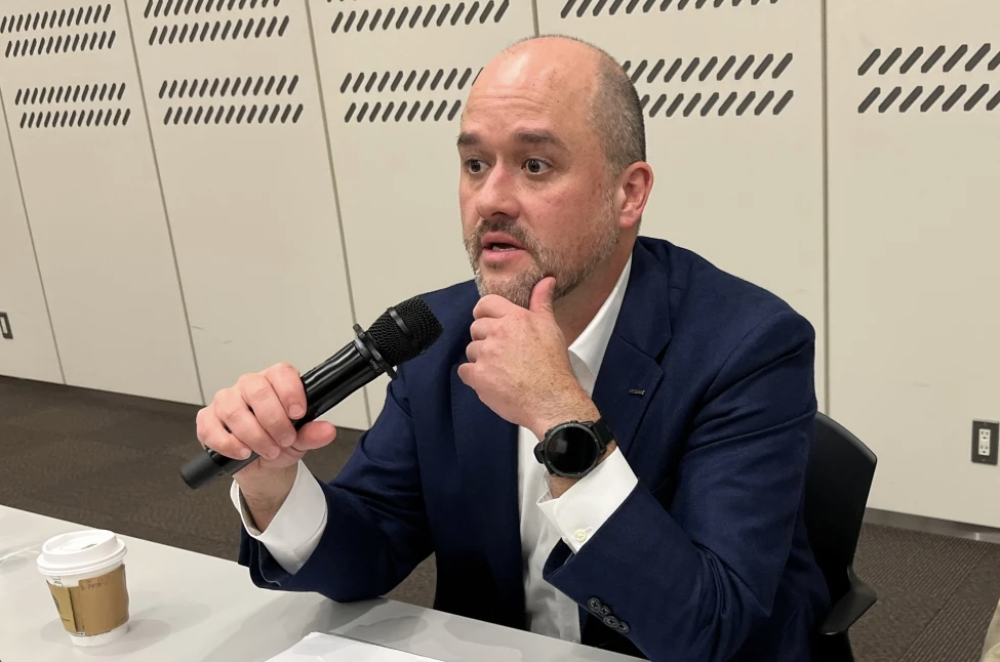
If the Leaf captures World Car of the Year honors, Espinosa suggested it would confirm “Nissan is back” as an innovative force. “Nissan is capable of making history in the EV world, as we did two generations ago,” he declared, expressing hope that the accessible, feature-rich vehicle will finally convert fence-sitters to electric motoring.