







Prosperity is something you eat

For years, when Lunar New Year comes around, I instinctively cross the bridge to Binondo. It’s ceremonial. A personal tradition. I hunt for lucky charms at World of Crystals along Benavidez, hold my ground while choosing auspicious breads at a packed DEC, then stroll to Shin Tai Shang for pineapple cakes. In between, I partake of good fortune bites—wherever my cravings take me. This seasonal trek has become a happy, therapeutic “have to.”
Among the rituals that stayed with me is this: to eat prosperity. A practice taught to me by the late geomancer Aldric Dalumpines, who once said one must eat their way to prosperity during the Lunar New Year—on the day itself, or 15 days before or after.
Abundance is not simply wished for. Not just prayed over. It is eaten.
For a change, I began looking closer to home.
Banawe has long been Quezon City’s quiet Chinatown—long before it was officially declared one. Long before the arches went up. Long before it became a Tourism District.
Mayor Joy Belmonte shared that QC Chinatown was formally established in 2005, strengthened in 2013 with the paifang arches, and declared a Tourism District in 2015. But Banawe was already Chinatown long before the paperwork caught up. It grew organically through commerce and community—auto supply shops beside noodle houses, dumpling stalls, and restaurants that have fed generations.
It was built by families. By migration. By appetite.
If Binondo feels historic and grand, Banawe feels more like home—where during Lunar New Year, food takes center stage and eating becomes a ritual.
Longevity noodles for long life. Braised pork belly, glossy like gold ingots. Dumplings shaped like fortune. Sticky rice for family unity. Sweet desserts for a year that is gentle and kind. Dishes that promise prosperity… the list goes on.
With foodie Tetta Tirona, Mayor Belmonte’s protocol and international relations officer, we drove to Banawe to taste our way through luck.
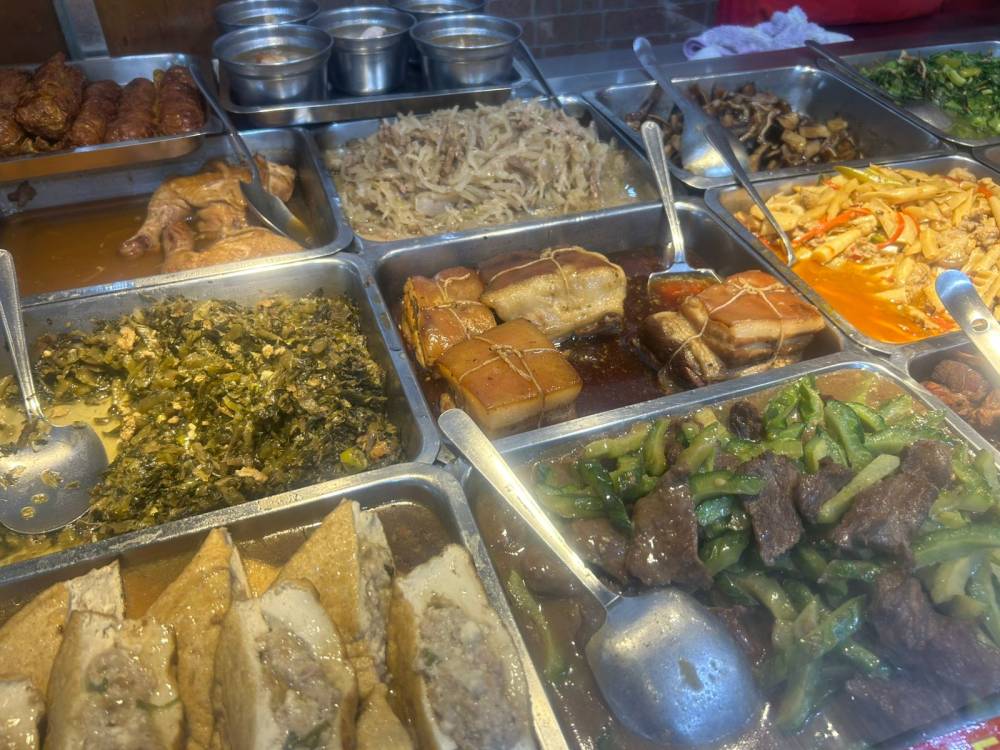
Our first stop: Fong Wei Wu, a modest Taiwanese turo-turo on the corner of Banawe and Samat, where prosperity rests in stainless trays. Owner-chef Linda came to Manila to help her daughter improve her English and ended up feeding a city. The restaurant is Michelin Selected—though you would never guess from the fluorescent lighting and unpretentious setup.
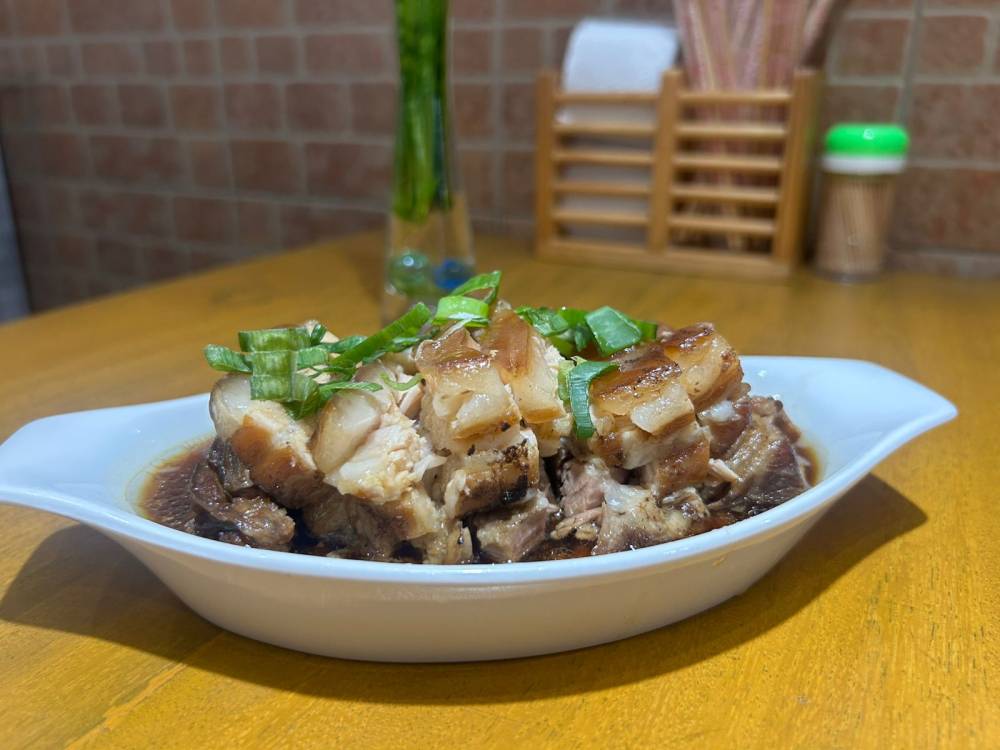
Order the hong ma, melting braised pork belly lacquered deep brown. Add beef noodle soup for comfort. Finish with the 8 Beans Ice—eight being the number of wealth and expansion.
At Jin Hokki Dumpling, the kutchay dumplings are pleated with care. Chinese chives symbolize long life and renewal. Steamed or fried—either way, you are eating longevity.
At D’ Original Maki Haus, the maki is thick and velvety—comfort in a bowl. Kiampong rice for grounding. The food is uncomplicated and humble—and in seasons of symbolism, humility may be the most desired virtue of all.

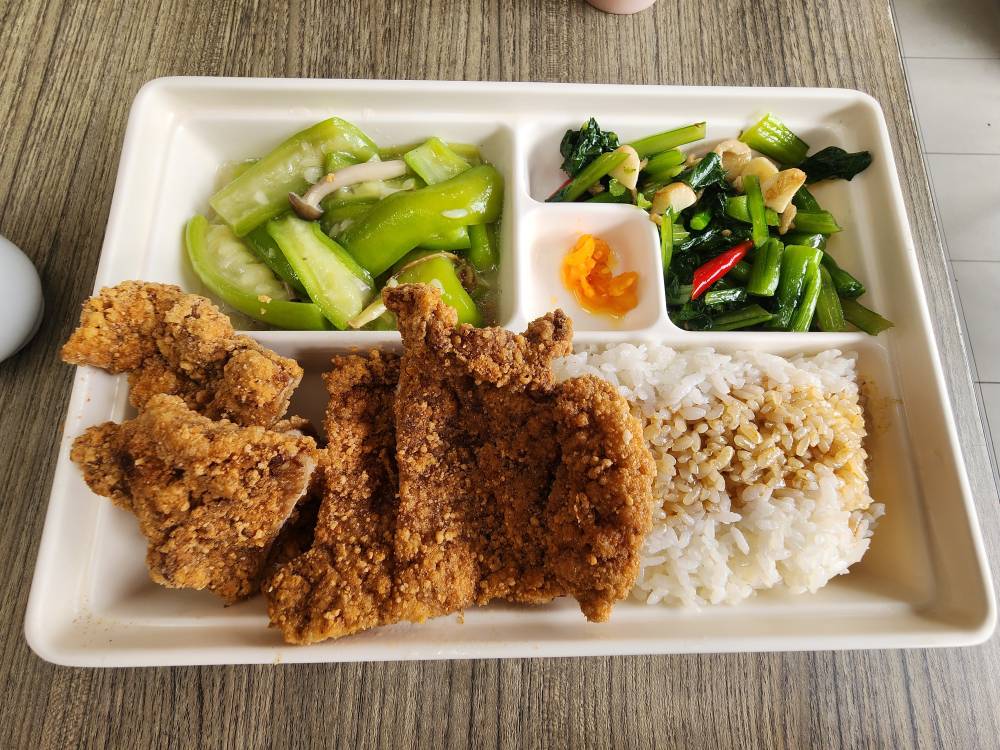
There’s only so much our tummies could hold, but Mayor Belmonte’s favorites read like a prosperity checklist—one you don’t conquer in one sitting: Ylaya’s cuapao, Muy Hong’s fresh Amoy lumpia, Jinn Hokki’s pork dumplings, Fong Wei Wu’s braised pork and shaved ice, Uniku’s pork chop fried rice, Sincerity’s fried chicken and oyster cake, King Chef’s black sesame ampalaya balls, Maki Haus’ maki mi and kiampong, Mandarin Sky’s eel rice and mouthwatering chicken, Sha Tin Courtyard’s siomai and Malaysian squid.
These are dishes loyal patrons return to, repeatedly.
Every year, Banawe celebrates with drum and lyre competitions, lantern festivals, bike rides, and community activities. But the deeper celebration happens quietly—in kitchens where bowls are filled and bamboo steamers kept steaming, long before and long after the revelry.
Master Aldric was right: Prosperity is not abstract. It is tactile. Fragrant. Shared across a table or spun gently on a lazy Susan.
In Quezon City’s Chinatown—or any Chinatown in the world—you don’t just greet the New Year; you chew it, slurp it, and return for seconds in the company of those you hold dear. And that, to me, is abundance.
Kung Hei Fat Choi!