






Maki’s peak is yet to come

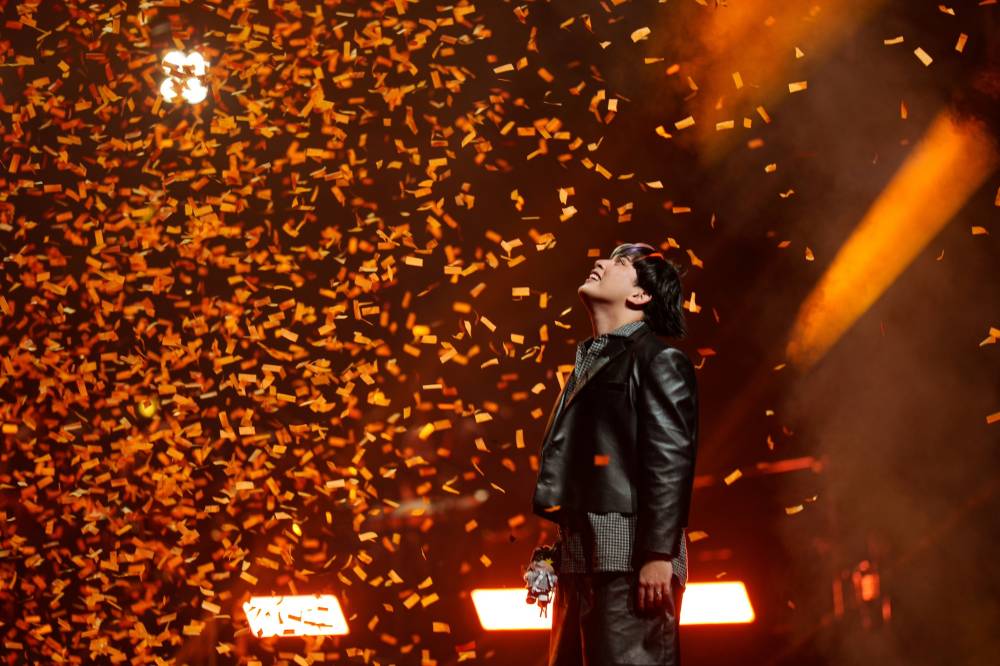
If you attended Maki’s “Kolorcoaster” concert last November, you probably noticed that Kolor Boy—his anime-inspired alter ego that appeared onscreen—switched his hair color from black to golden by the end of the night. “Alaska Boy daw, sabi nila,” he jokes.
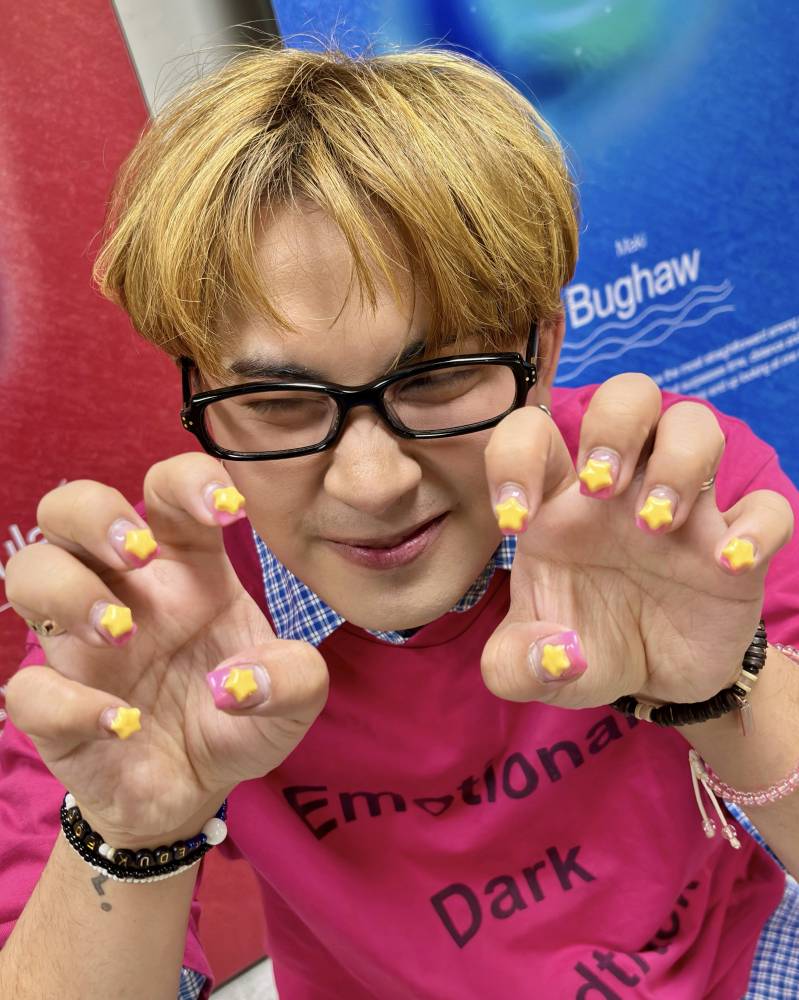
So, as he takes his fans on another ride through his technicolor musical theme park on Feb. 21 at the Araneta Coliseum, it only made sense that he actually dyed his hair blonde in the days leading up to the repeat concert
But really, Maki says, he mostly just felt like doing it. “Kung tingin ko cute mag-blonde today, eh ‘di magba-blonde ako. I feel like that’s just the way I express myself,” he tells Lifestyle Inquirer.
That’s about the most drastic change his Zushis can expect in “Kolorcoaster: One More Ride.” The concept remains intact—a journey through the stages of love, using colors, emotions, and stories tied with the songs on his debut album. It will be just as festive and vibrant. Only this time, with subtle fine-tuning of the visuals, the lights, and the overall flow.
“I don’t want to make it super different. We improved on a lot of things that you may not readily notice, but still make you feel that something has changed,” says the singer-songwriter behind some of the biggest pop hits of the last three years—“Dilaw,” “Saan?,” “Kailan?”
Calling the shots
Maybe that was his director’s instinct kicking in. As the one calling the shots, Maki is very meticulous about every detail. Looking back on the previous show, he wouldn’t call it perfect. His natural propensity to fixate had him picking out the littlest of flaws. The Sagittarius in him gets him fired up about getting everything right.
“I check everything. ‘Yong lights dapat ganito,’ ‘Parang mas maganda kung ganito.’ Feeling ko minsan naiinis na rin sila sa ‘kin,” he says, laughing. “I’m a passionate person. And why shouldn’t I strive to be excellent? I have a vision I want to see come to life. And if the vision is not visioning, the concert is not concert-ing!”
His hands-on approach to the creative process didn’t go unnoticed. Last year, at the 38th Aliw Awards, Maki—a relative newcomer in the realm of live events directing—took home the Best Director for a Major Concert trophy, beating more established names. Clearly, he’s not a mere passenger in the roller coaster that’s his music career.
“I couldn’t believe it. Every award gives me a boost of confidence. It’s also humbling to be nominated with creatives, who, I know, are on a different level,” the 26-year-old hitmaker says. “It makes my heart full.”
‘Pwedeng magsumbong?’
But for all the talk about the technicalities of staging a live show, he never forgets why he does it in the first place—the audience. At the end of the day, things don’t always go according to plan, he says, but as long as his performances resonate with the fans, that’s all that matters. “The best concert for me is one that’s with them,” he says.
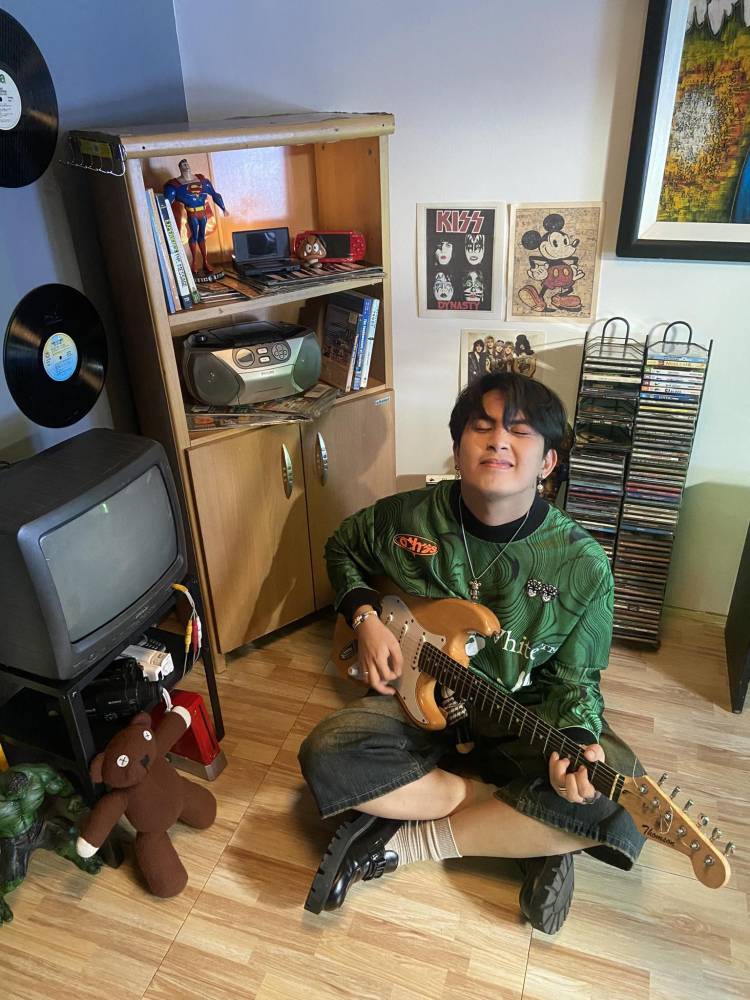
That’s why he makes sure every show isn’t just a place to sing their hearts out, but a safe space where they can open up and be vulnerable, too. By now, his fans have grown comfortable enough to confide in him. In fact, it’s not uncommon for him to see hoisted signs that read, “Maki, pwede magsumbong?”—much like the opening line of his hit, “Kahel na Langit.”
“Bukod sa music, I have an advocacy. I want to impart with people my principles in life, my opinions on certain issues and situations. Even when it comes to love. Nagiging therapist ako sa concert. Nag-a-advice ako sa kanila,” he says, laughing. “At ‘di namin ‘yon pina-plano.”
In a society “where everyone is judged by the way they present themselves outside,” Maki is proud and grateful to have created an environment where people can just be themselves—even if only for a few hours. He knows because he used to feel that way, too.

“I was very different growing up, and I couldn’t fully express myself because we live in a judgmental society. Magsuot ka lang ng pink sa labas sasabihan ka ng kung anu-anong bagay. Ah, naka-pink ka, ‘Bading ka ba?’ Toxic masculinity,” Maki points out. “And why is it still used as an insult anyway? It’s 2026, guys, come on.”
“Now that I have a platform, it means I have the responsibility and power to influence people,” he adds. “I’m going to use that to create space for people who can’t speak up.”
Things to improve and to prove
But while his connection with fans goes beyond the typical idol-fan dynamic—he considers them friends—they’re careful to maintain healthy boundaries. “Super mature nila. I always entertain them, but they also know when to [approach me] and when not to; when to take and when not to take photos,” he says. “I really love them.”
That’s the kind of support Maki emulates when it’s his turn to become a fan. Go see a show by his contemporaries and other rising artists, and chances are he will be there cheering them on. “Andito talaga ako, susuportahan kita every time. Hilahan tayo pataas dito sa OPM,” he says. “Every time I watch other artists perform and interact with their fans, I learn something new.”
And if people can see their favorite stars get along just fine, perhaps it sends a message that there’s no need for competition among them. “We can root for artists we like without putting others down,” points out Maki, who has formed genuine friendships with the likes of Cup of Joe’s Gian Bernardino, actor Will Ashley, and Bini Maloi.
After all, what good is a roller coaster ride if you don’t have people to ride through every twist, turn, and loop with you? The past three years have been “a crazy ride,” Maki says, but he has no doubt that greater heights await—never mind that he’s literally scared of them.
“Paakyat pa lang tayo. This isn’t my peak yet, I know. ‘Dilaw’ is still not my best song,” Maki says. “I have things I want to improve and prove to myself. Marami pang ikot. Bababa rin sometimes, pero laging aangat pa rin.”